
Cynthia Knott
Stirring the Horizon
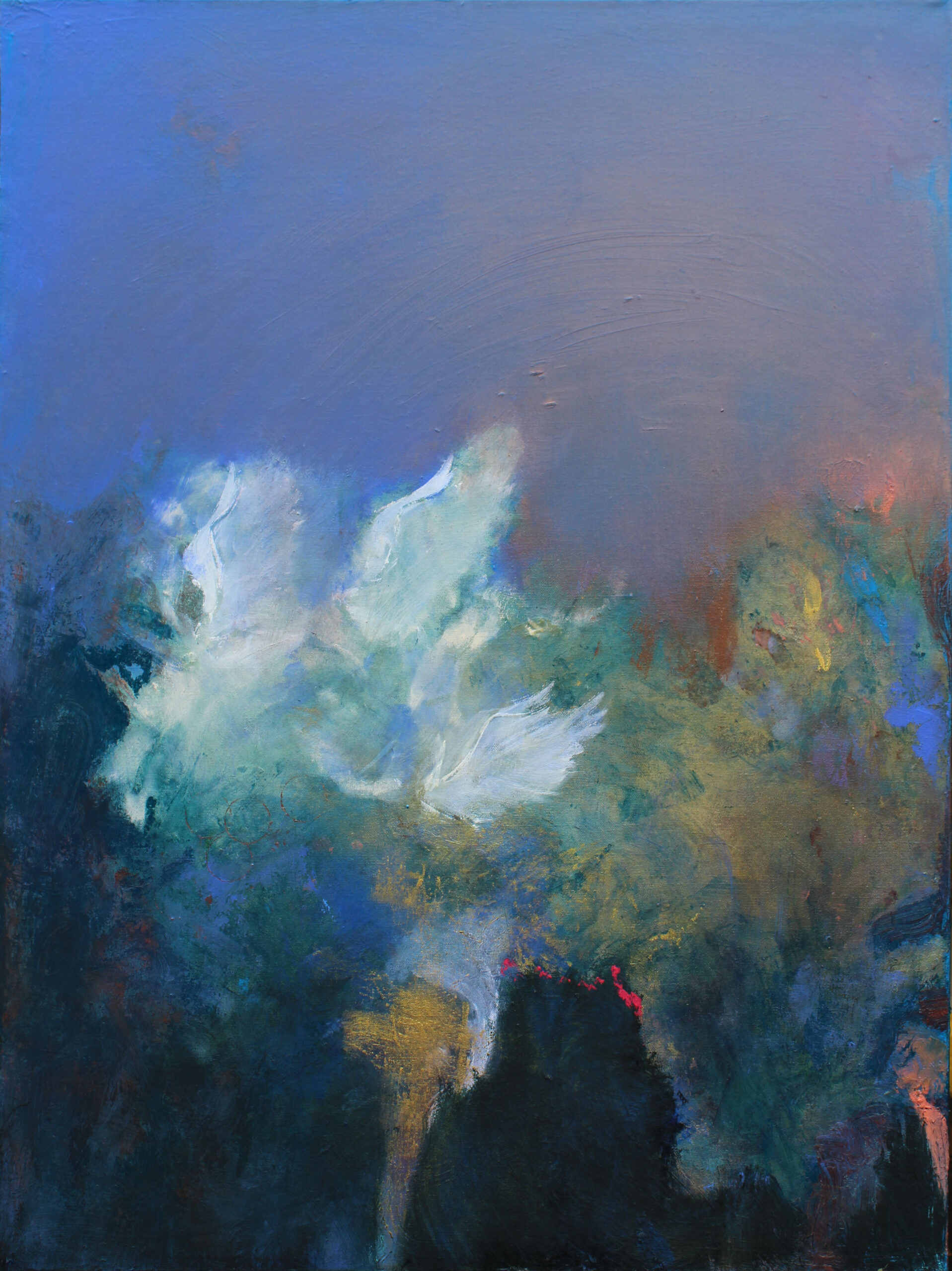
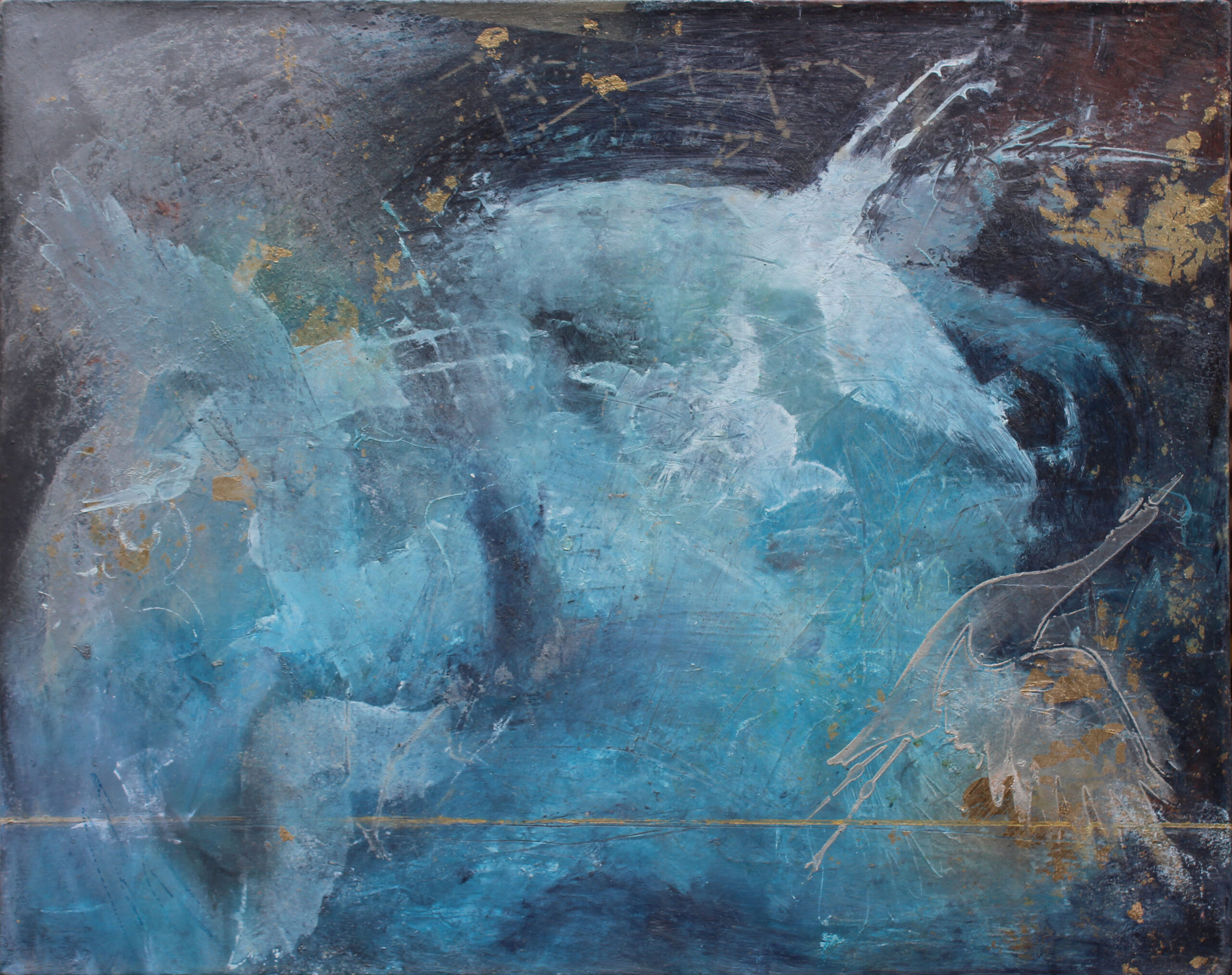
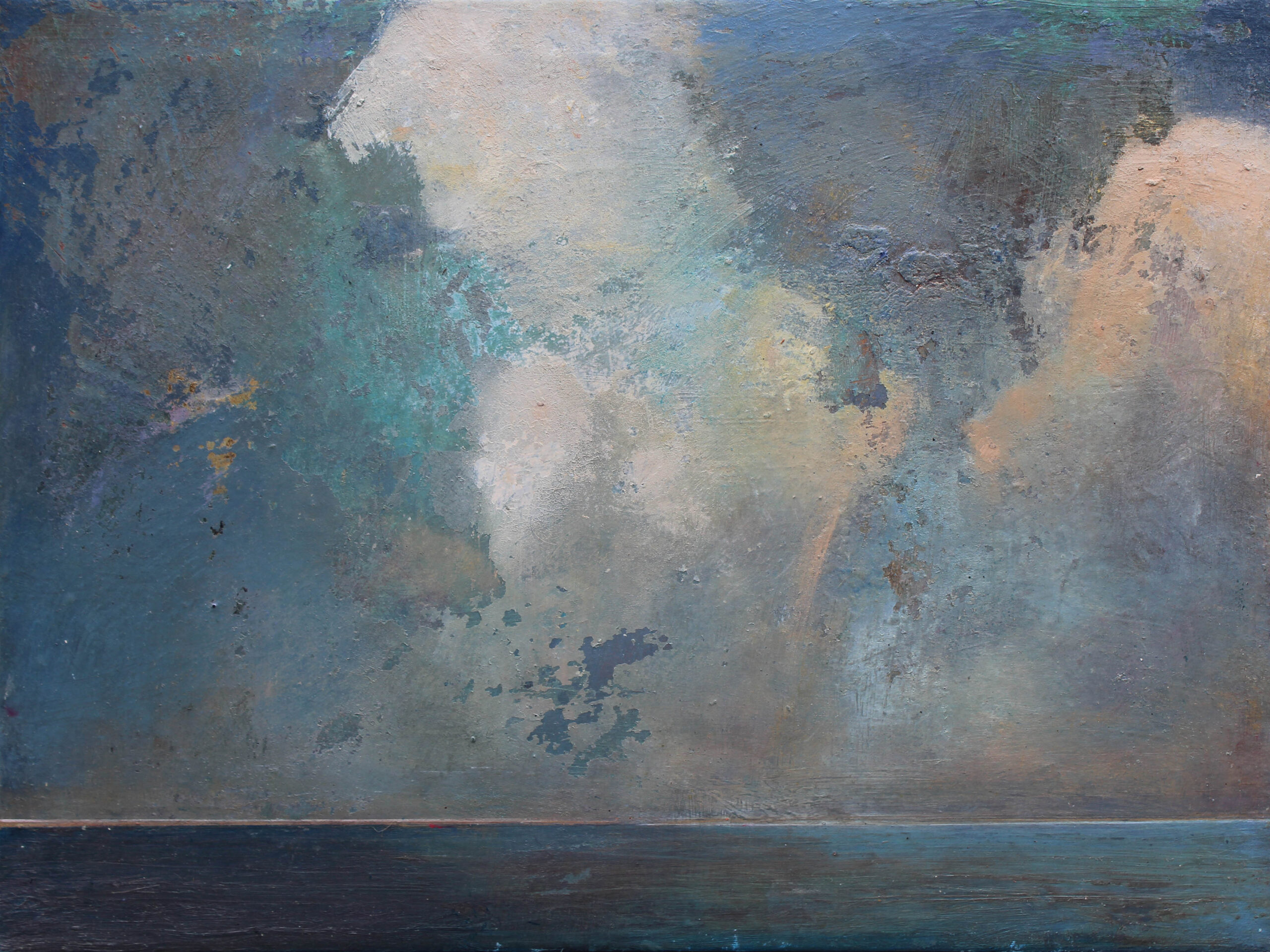
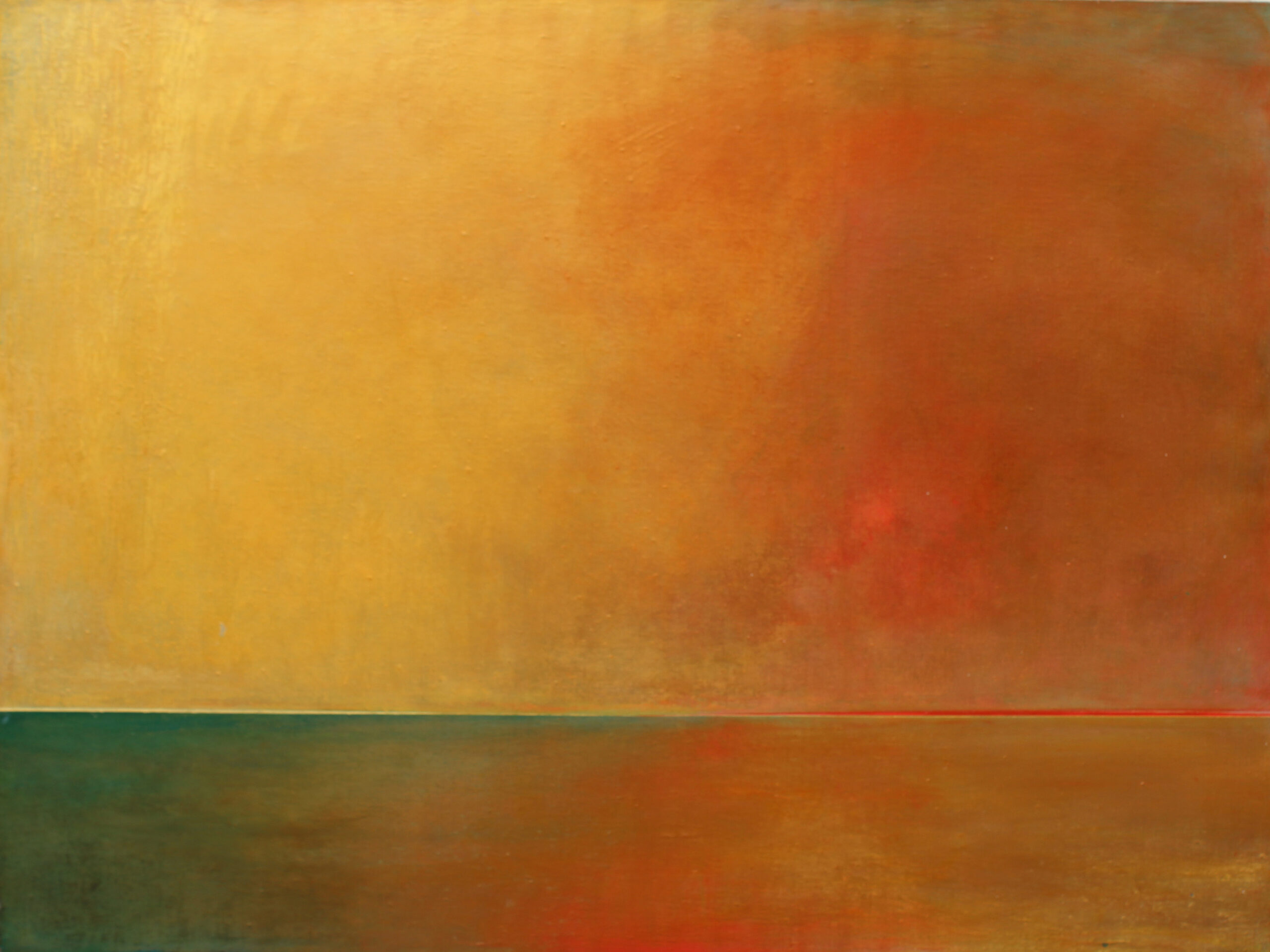
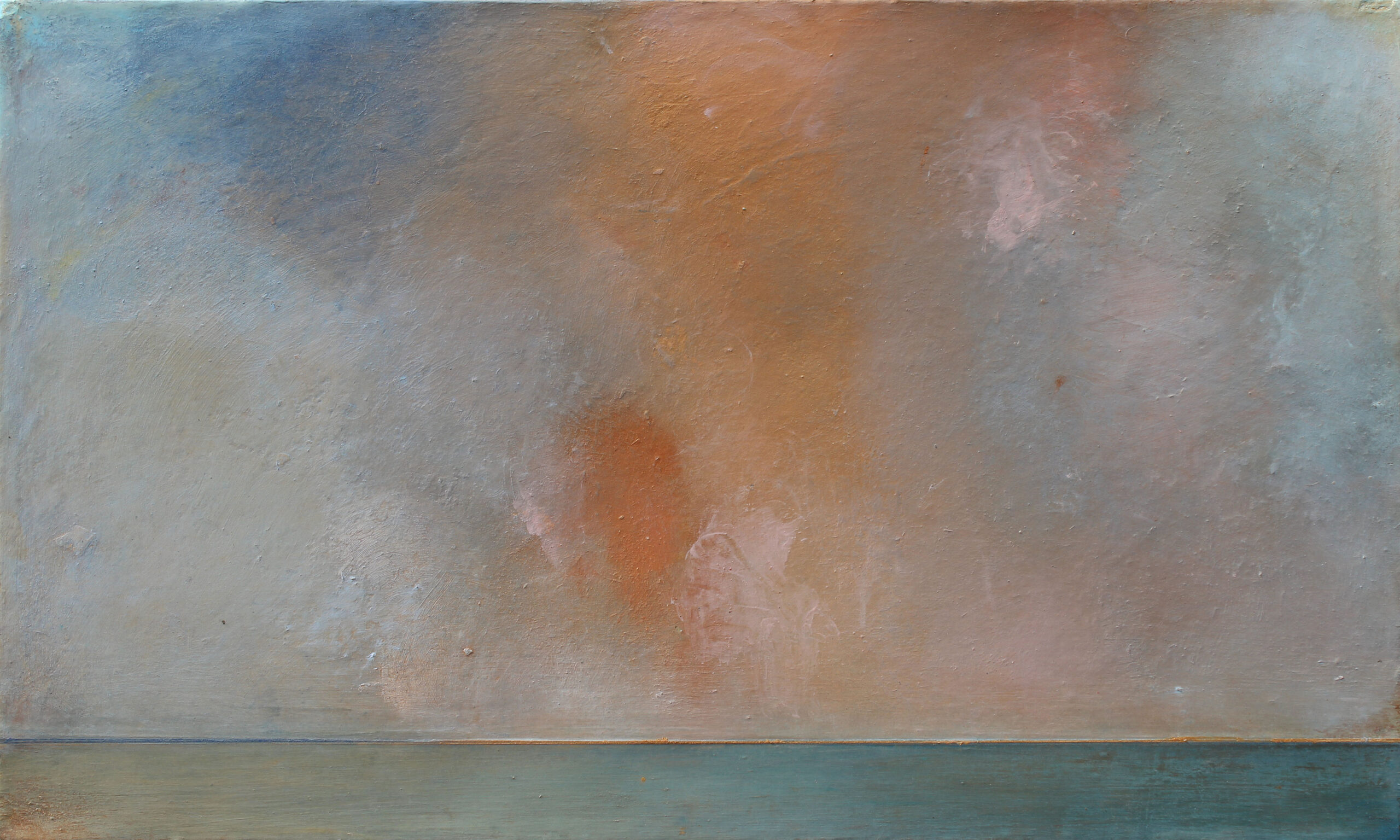
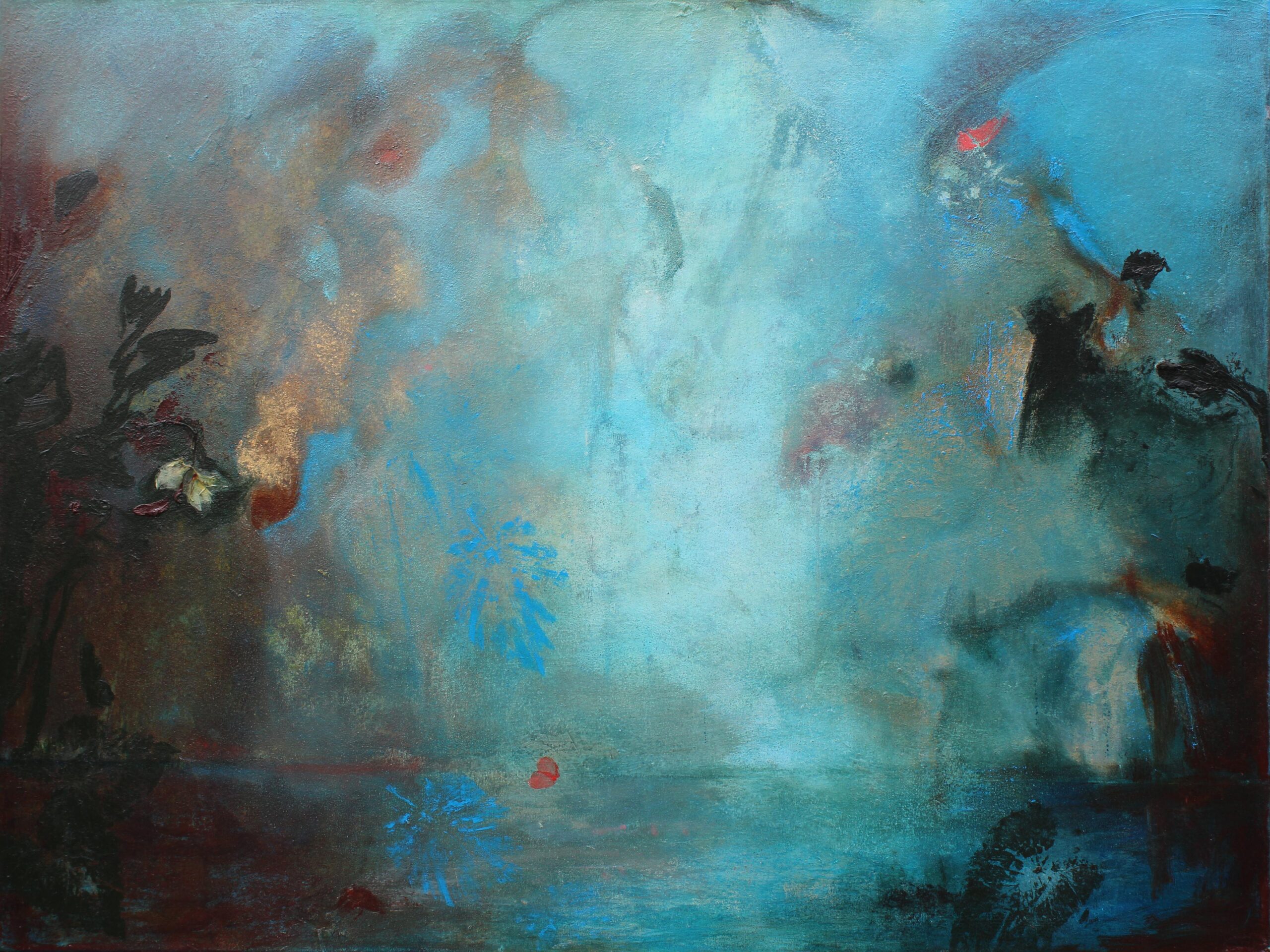
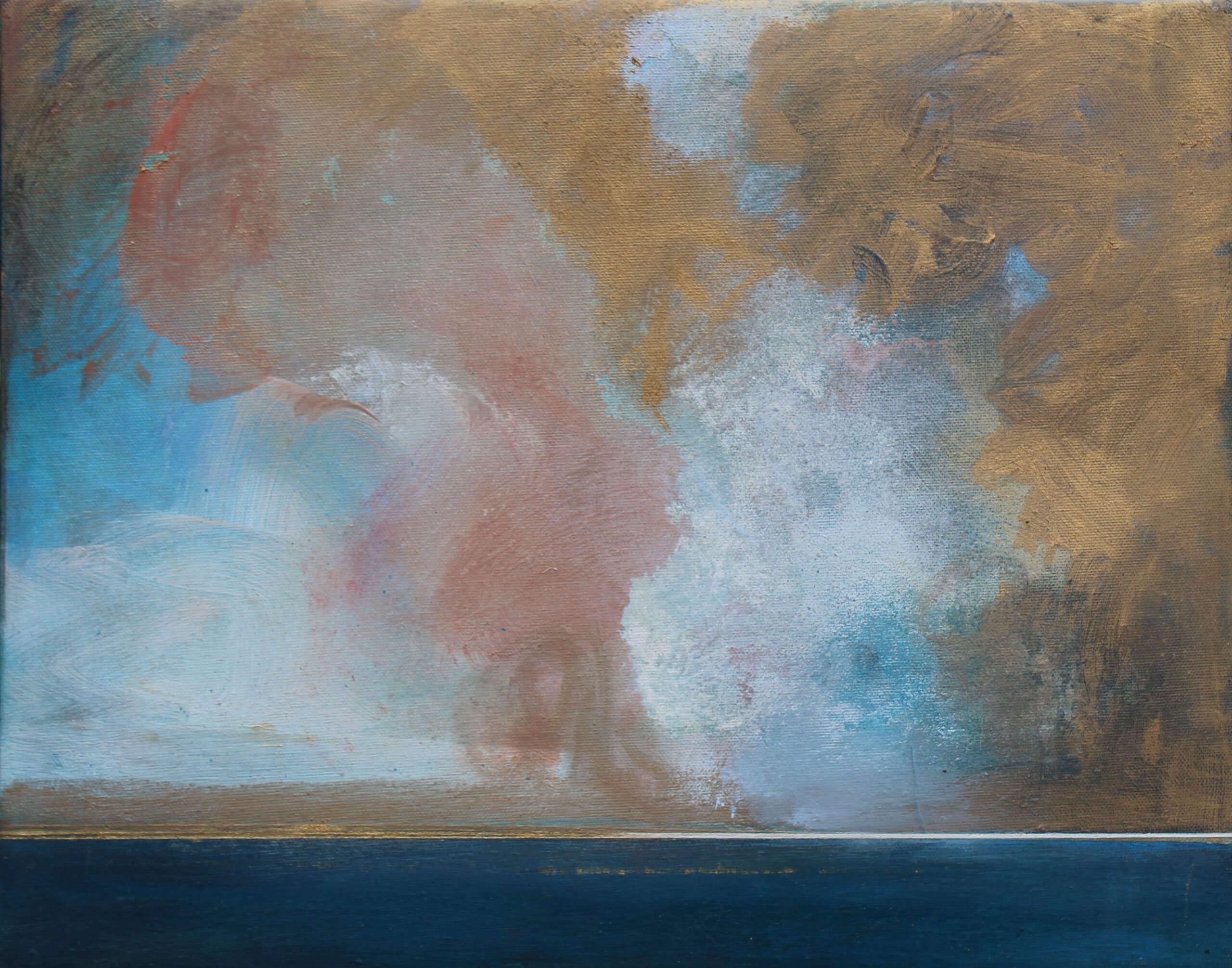
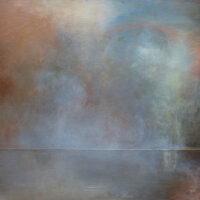
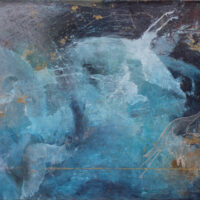
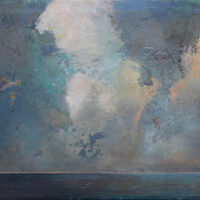
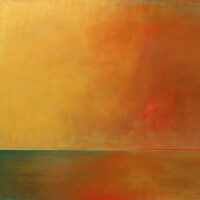
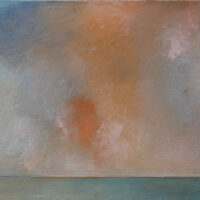
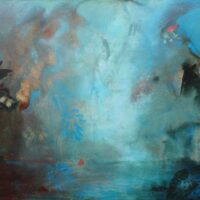
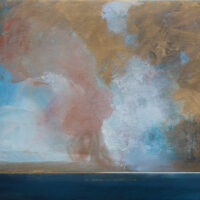
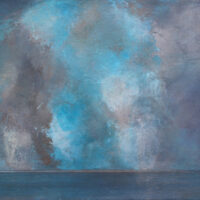
Cynthia Knott is an acclaimed painter recognized for her luminous, horizon-focused seascapes that recall the ethereal qualities of J.M.W. Turner and the color fields of Mark Rothko. Working primarily in oil, encaustic, and metallic pigments, Knott’s work explores the interplay of light, atmosphere, and the shifting dynamics of the sea and sky.
Cynthia Knott was born March 20, 1951, in Newark, New Jersey. Knott studied at Washington University in St. Louis, initially, she pursued marine biology but found herself more drawn to illustrating what she observed under the microscope. After a semester, she realized her passion lay in art. She subsequently earned her B.A. from the School of the Museum of Fine Arts, Boston, in 1971, followed by a B.F.A. from the School of Visual Arts, New York, in 1975, and an M.F.A. from New York University in 1989. Early in her career, she worked as a printmaker under Robert Blackburn and studied gravure with Louise Bourgeois.
Her paintings, deeply rooted in personal history and an ongoing fascination with the sea, stem from childhood experiences with her Irish Great Grandfather, a former sea captain. His storytelling and maritime adventures instilled in her a profound connection to water, a theme that continues to define her artistic practice.
After moving to Springs, New York, Knott embraced plein air painting, capturing the transient qualities of the ocean and its changing light. Her technique involves layering oil paint, metallic pigments—including gold, silver, and lapis lazuli—heated beeswax, damar varnish, and linseed oil, then repeatedly scraping and reapplying, creating what she calls a “skin of memory.”
Knott’s works have been widely exhibited in solo and group shows across the United States and internationally, including New York City, the Hamptons, and Japan, she has been the recipient of numerous awards, including Pollock-Krasner Foundation grant twice. Dubbed a “horizonologist” by her friend and former U.S. Poet Laureate Billy Collins, Knott is deeply inspired by poetry and has collaborated with writers such as Collins, whose poem “Paintings of the Sea (For Cynthia Knott)” was dedicated to her work. Her paintings, often devoid of a signature on the front, allow the viewer to fully immerse in the vastness of sea and sky, with the horizon line serving as her true signature.
Beyond her studio, Knott has participated in prestigious artist residencies, often selecting locations near water, such as Fogo Island in Newfoundland, the coasts of Maine, Ireland, and Scotland. Her work continues to be a meditative exploration of the sublime, capturing the ever-changing, boundless nature of light and water.
Findlay Galleries is proud to present Cynthia Knott’s luminous and poetic paintings for the first time in her maiden show with the gallery, Stirring the Horizon.
Education
1989 M.F.A., New York University, New York, NY
1975 B.F.A., School of Visual Arts, New York, NY
1971 B.A., School of the Museum of Fine Arts, Boston, MA
Belgian linen is my preferred surface—it provides a rich texture that forms the foundation of my work. I begin by laying down gesso in the traditional manner. Once dry, I apply a layer of copper paint, inspired by the protective coatings used on wooden marine vessels. This creates an atmospheric ground that reflects the movement of the sea and sky, always anchored by the horizon line.
Working en plein air, I return to the horizon to find my composition. Without architectural elements to guide structure, I employ a reverse axial shift, a technique used by Caravaggio, to build spatial depth. Painting in the open air, my arm moves in rhythm with the wind and shifting clouds, allowing me to capture fleeting impressions of light, weather, and time.
Back in the studio, I step back and study the work, often with Mahler’s Fifth Symphony playing—its crescendos mirroring the energy of my process. Using a palette knife, I scrape away and reapply paint in a dynamic push-and-pull technique, reminiscent of Hans Hofmann’s approach. This stage is physical, my body moving in sync with the painting’s evolving form.
I then work in layers of beeswax, damar varnish, and linseed oil, creating a semi-viscous, translucent surface. Encaustic techniques allow me to embed metallic pigments—gold, silver, or copper—within the wax. These suspended particles catch and reflect ambient light, shifting with the time of day and creating a luminous, atmospheric effect. Whether in morning’s soft glow or evening’s fading light, the painting generates its own weather system, immersing the viewer in a shifting, ephemeral landscape.
My influences include Turner, Constable, Rothko, and Helen Frankenthaler, with Dan Flavin’s minimalist horizon line playing a crucial role in my compositional approach. Other inspirations range from Winslow Homer and George Inness to Odilon Redon and Leonor Fini. I also draw from unexpected sources—Amelia Earhart, Madame Curie, Carl Sagan, and the Hubble telescope—exploring light, space, and the infinite. Sacred geometry and the golden ratio further shape the proportions of my horizon lines.
Poetry has also informed my work. The great poet laureate Billy Collins has written for my Horizon series, and W.B. Yeats’s White Birds remains an enduring source of inspiration.


Get in Touch
Contact your gallery to enquire about a work of art, for more information on the exhibition, or to schedule an appointment.