
Click to select gallery location
Palm Beach
Amy Magee
Solo Exhibition
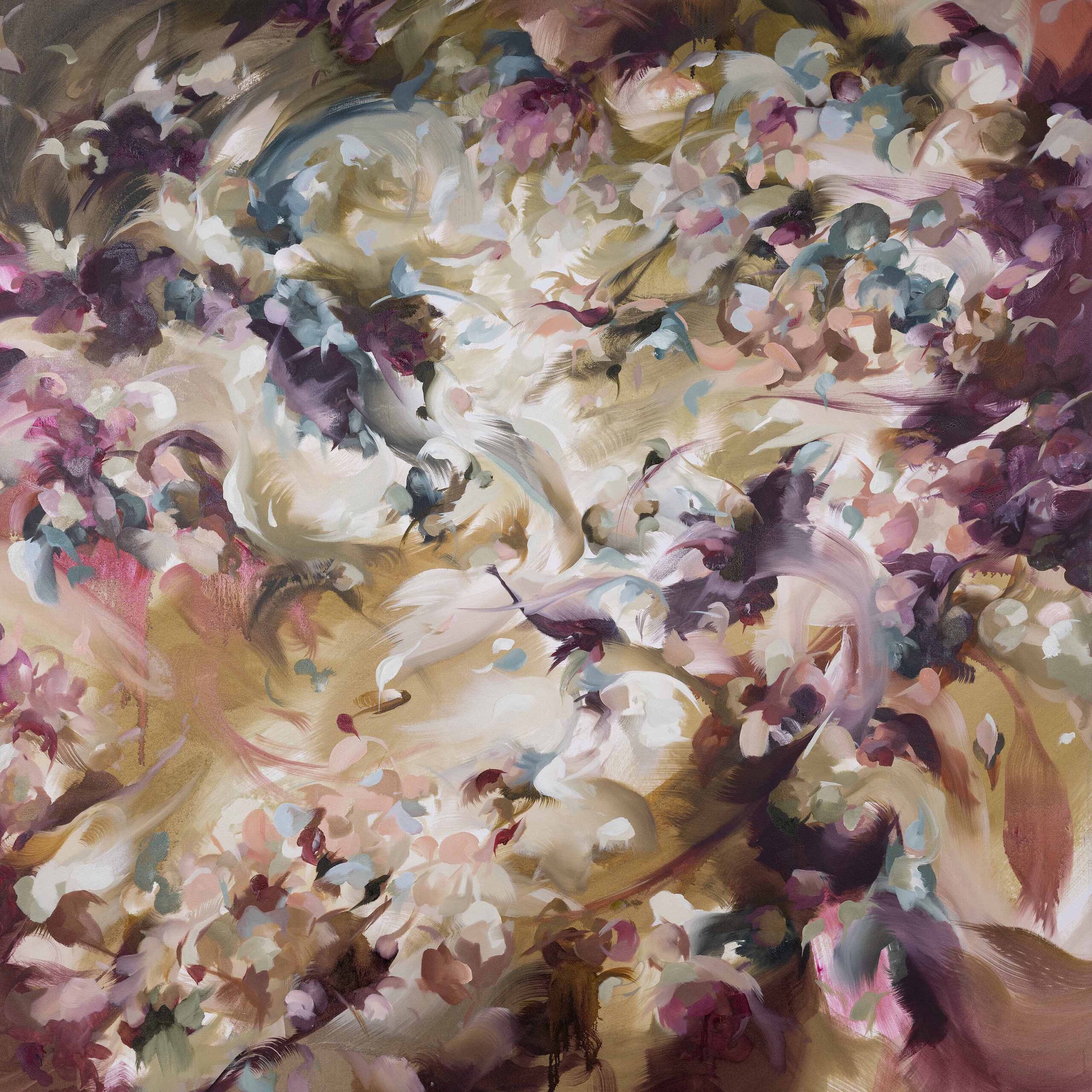
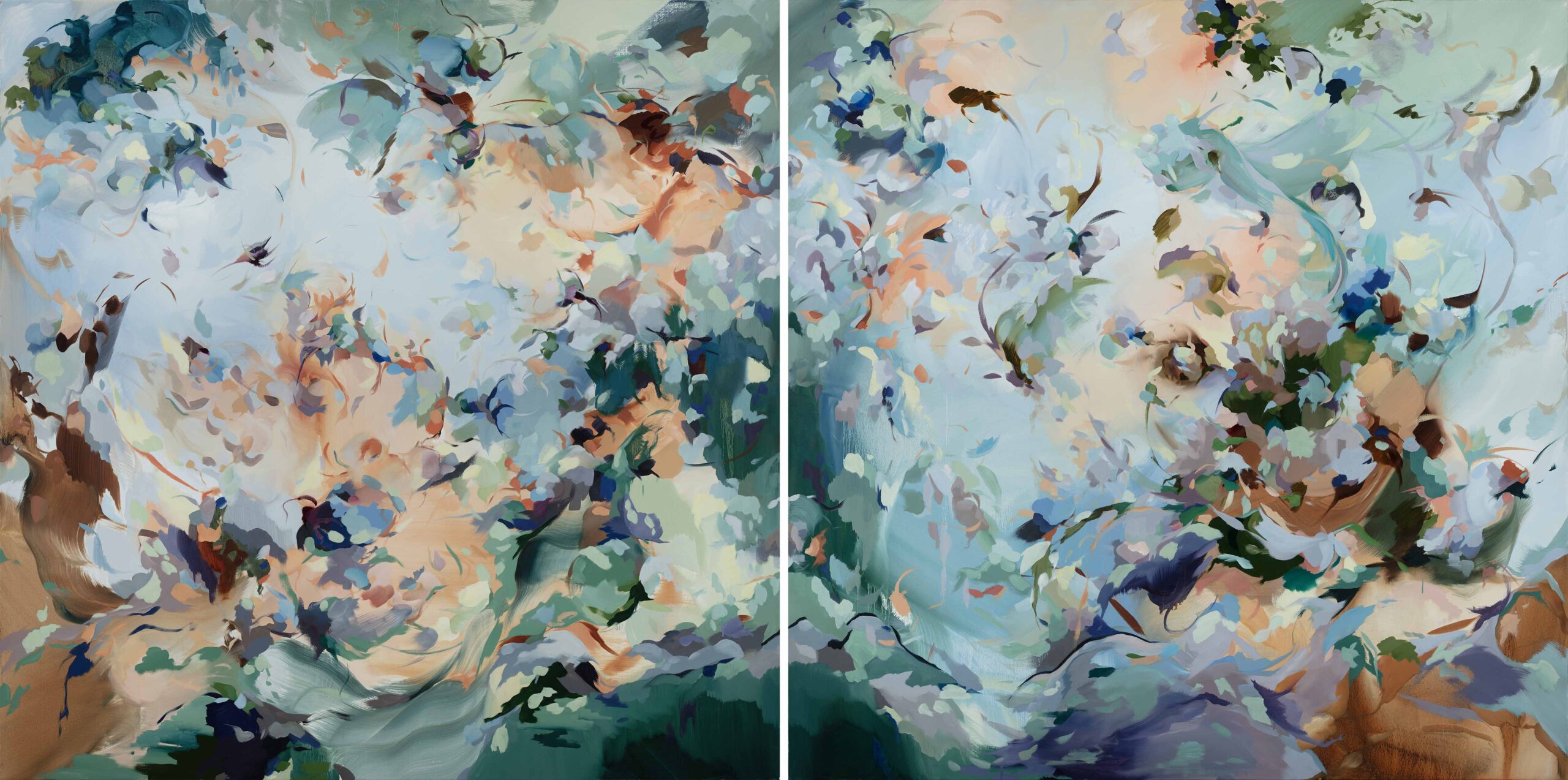
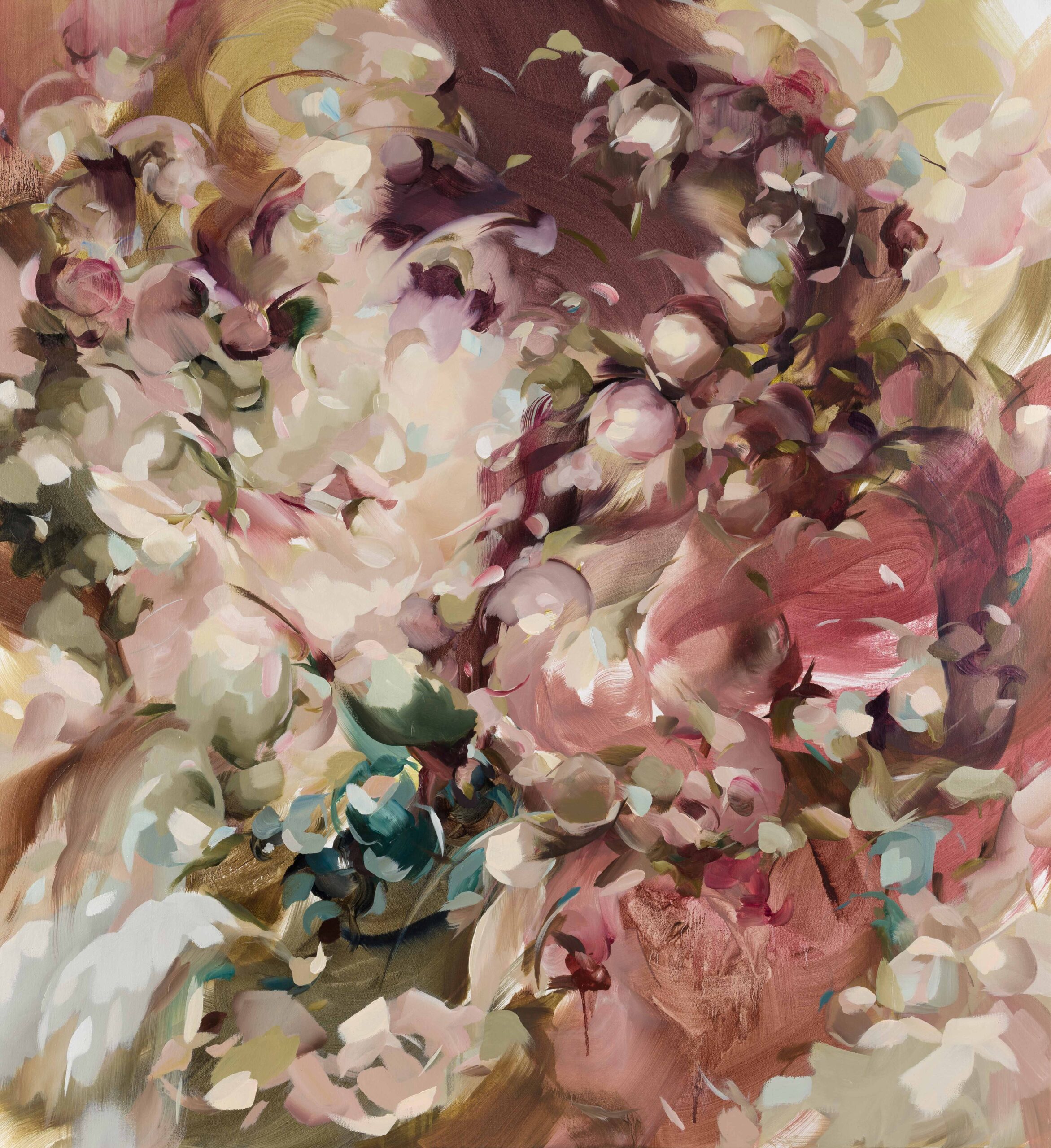
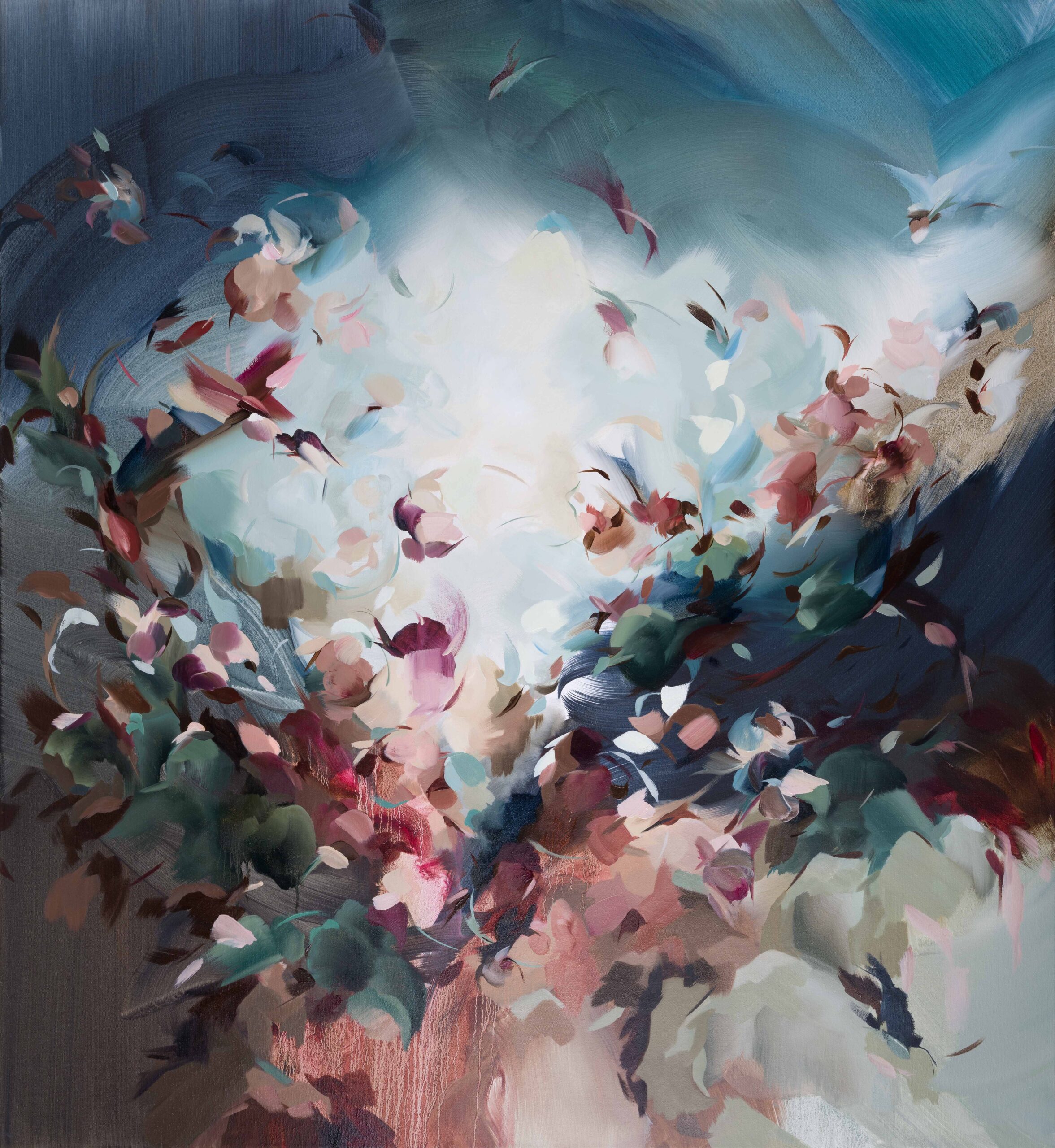
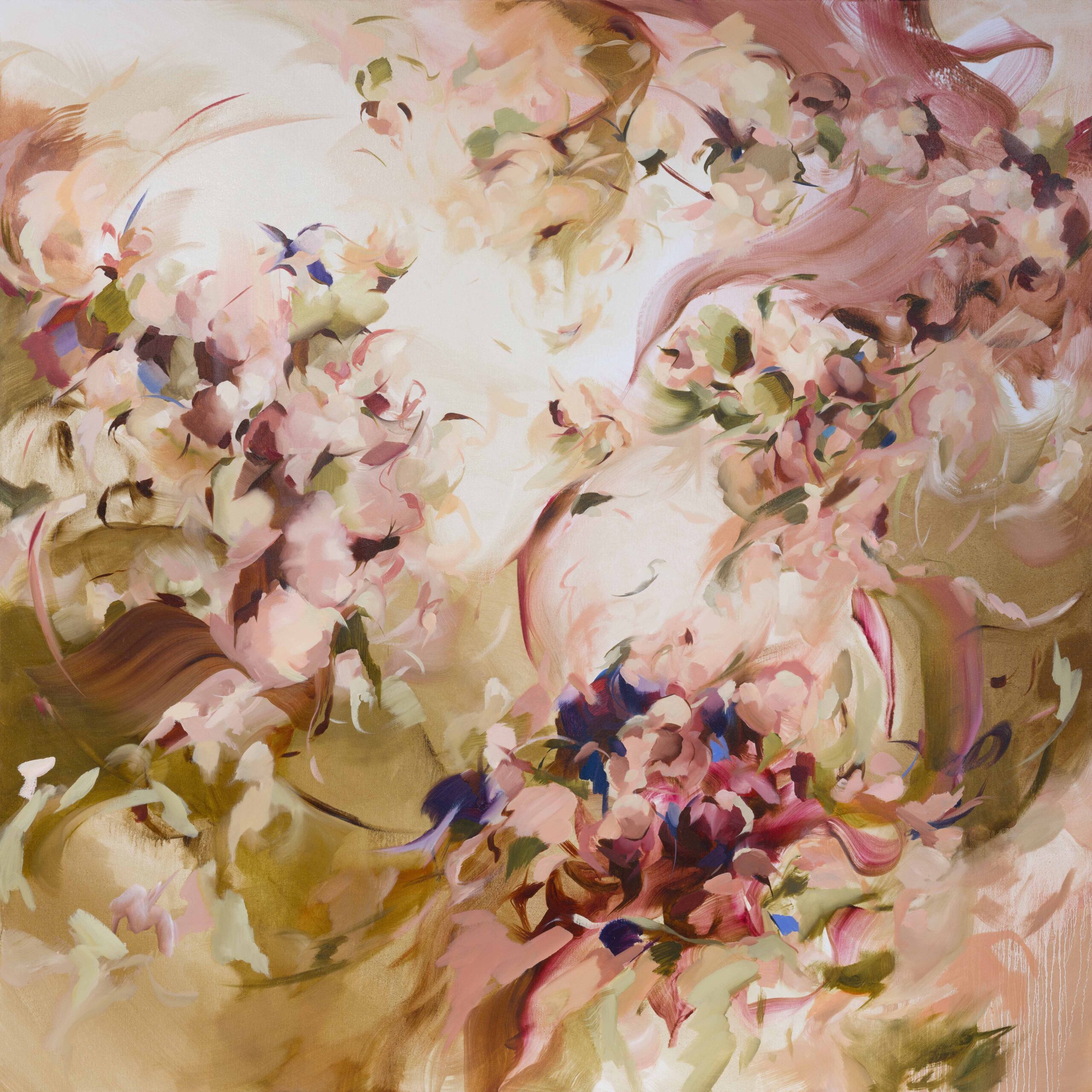
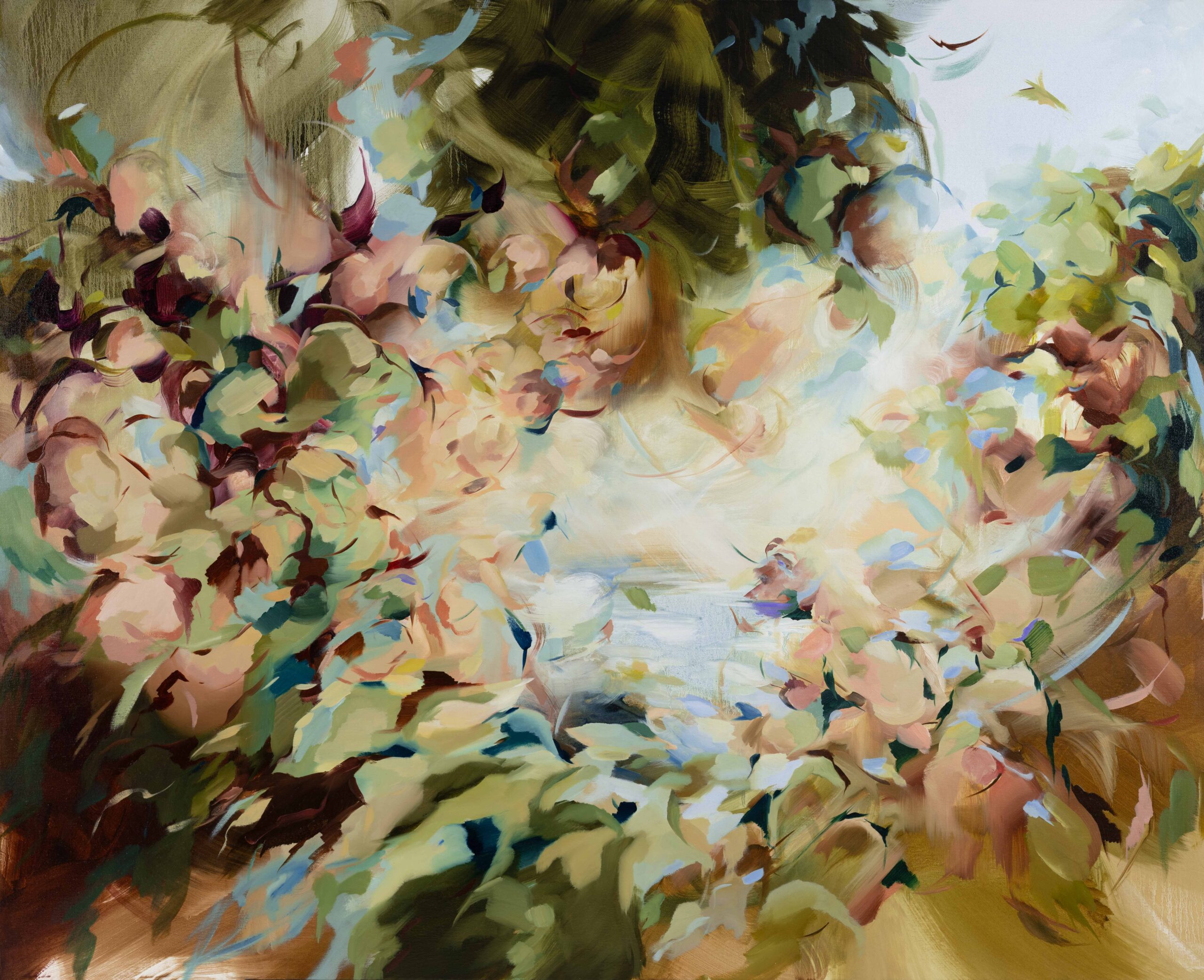
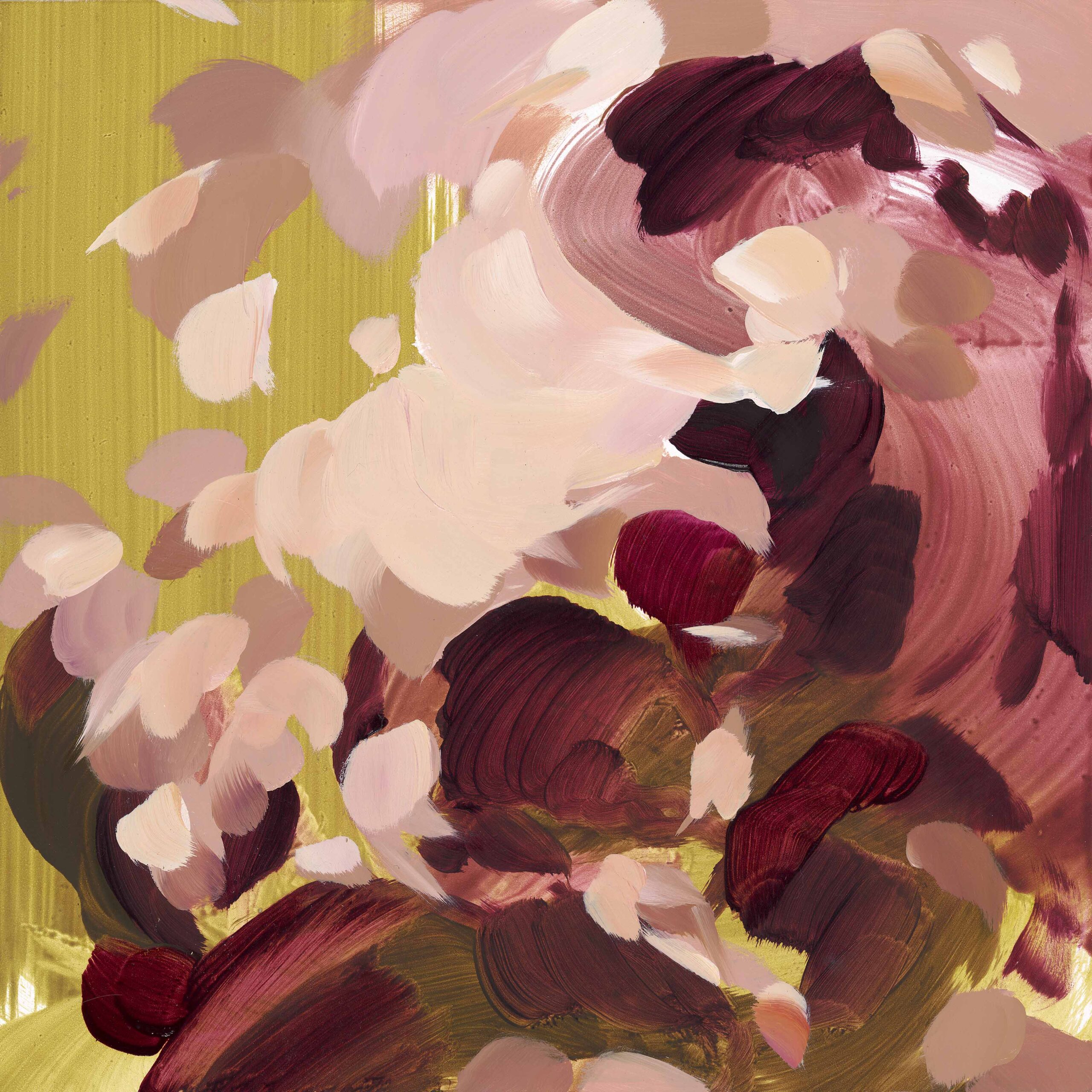
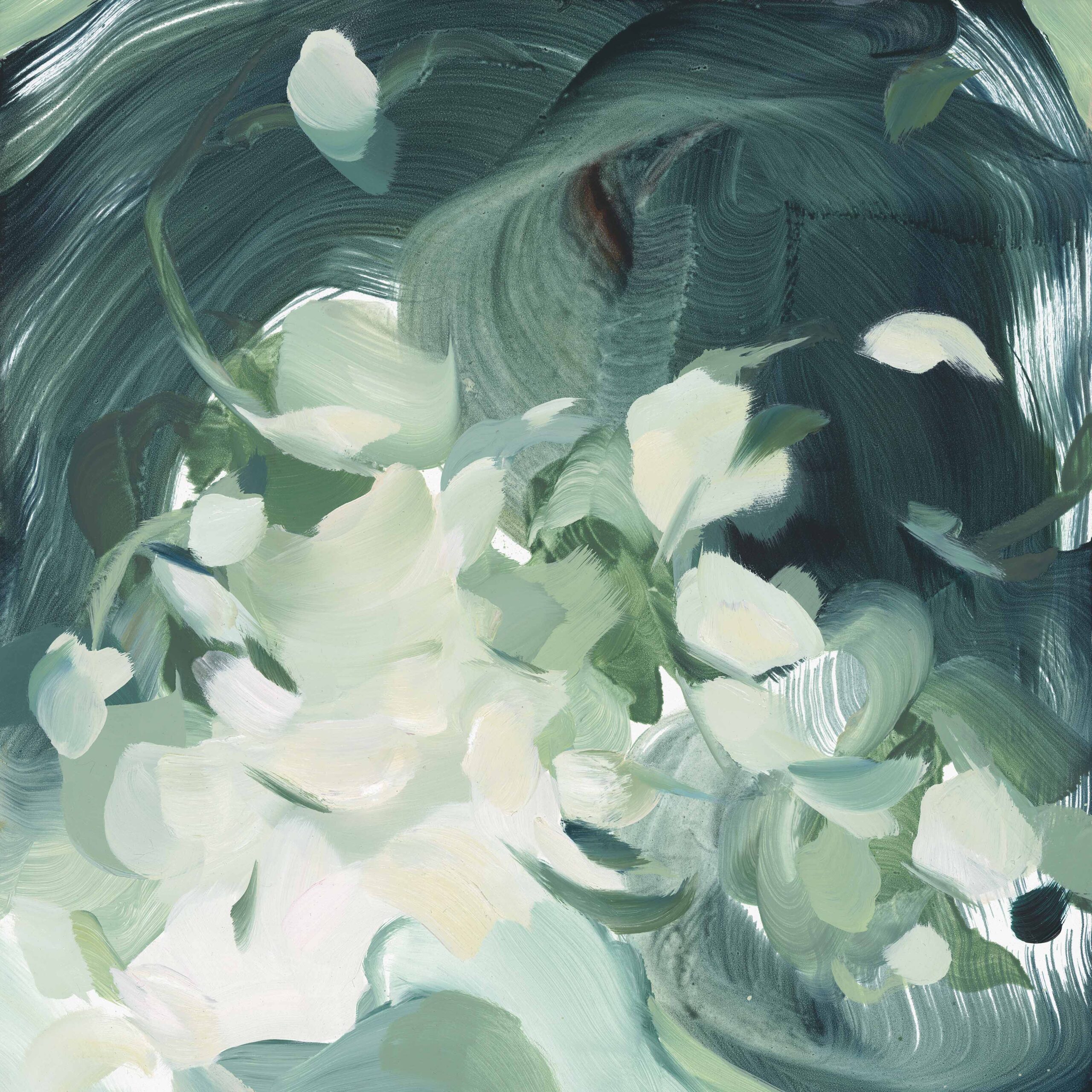
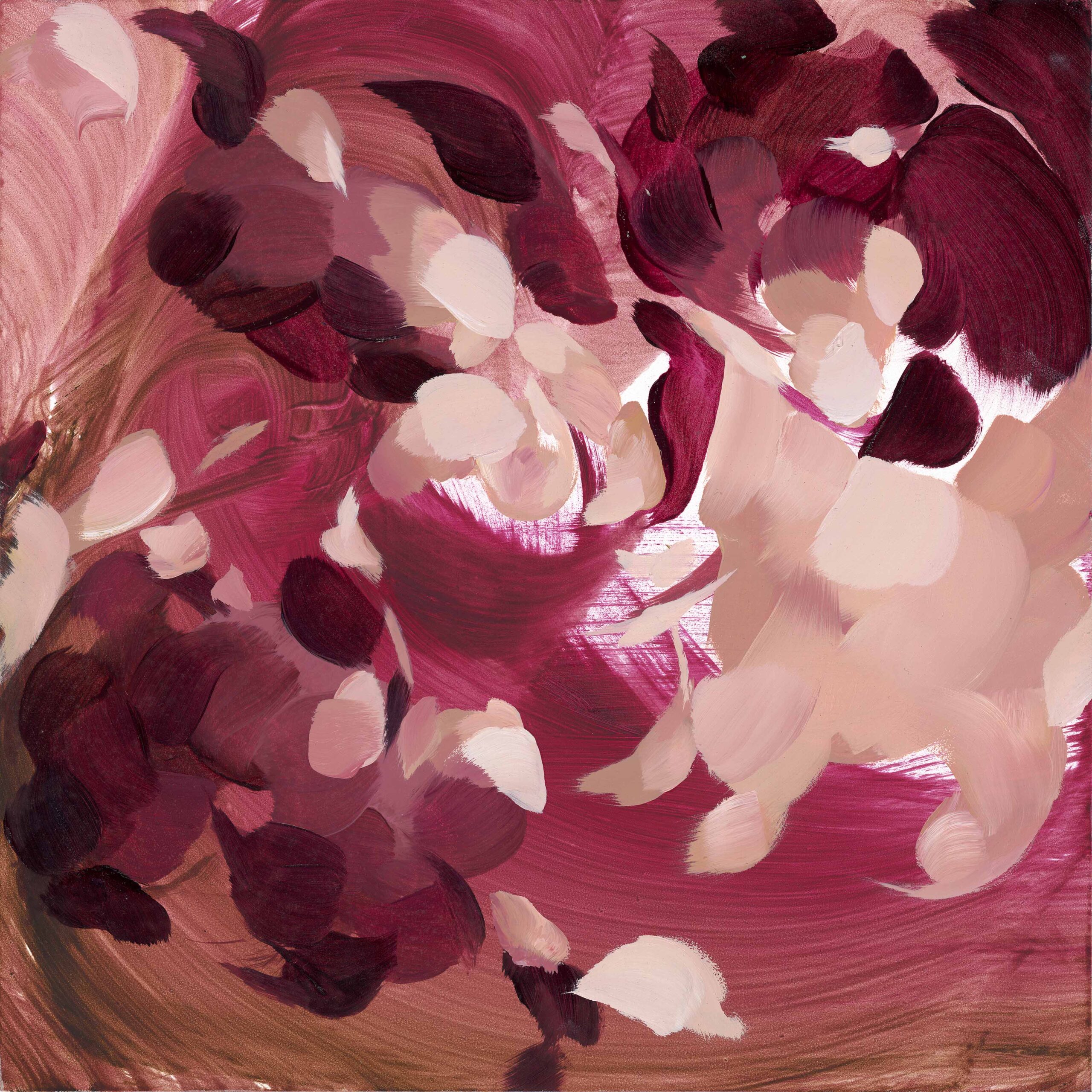
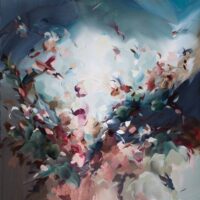
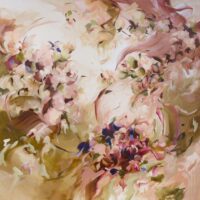
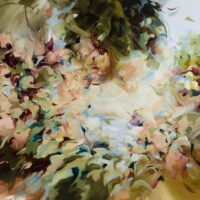
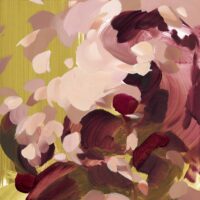
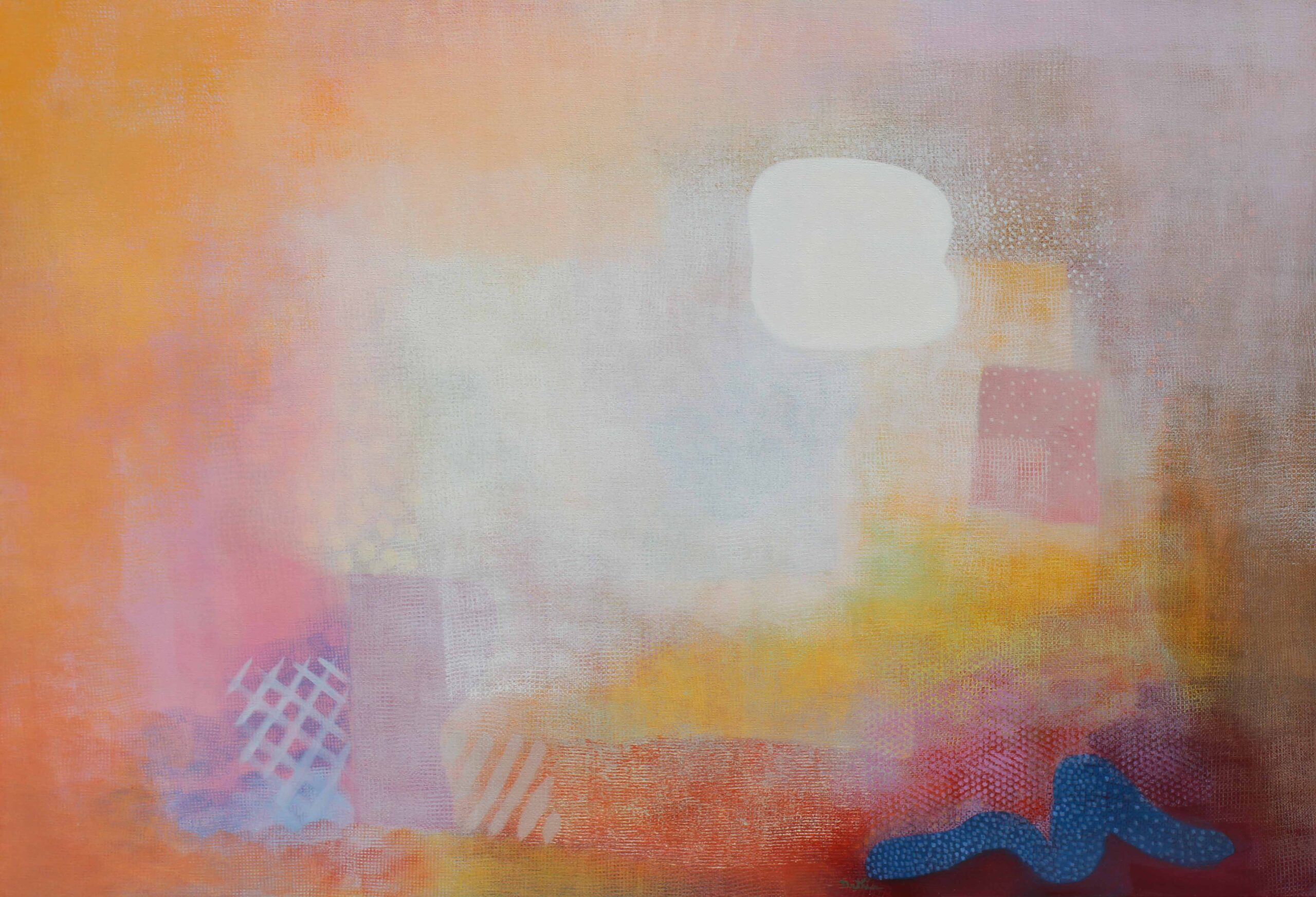
Findlay Galleries is pleased to present a solo exhibition of new paintings by Amy Magee (b. 1997), a British artist whose work brings together intuition, landscape, and art-historical memory. Drawing inspiration from the landscapes and artistic heritage of the South of France, Magee reinterprets classical principles of composition and light through the language of contemporary abstraction, creating a dialogue between place, tradition, and expression.
After relocating from an urban environment to the luminous stillness of Provence, Magee’s palette and sensibility shifted markedly. Engaging with the European tradition of trompe l’œil, she reimagines the language of landscape—gesture, pigment, and perspective—through sweeping contrasts and spatial rhythms. Her process begins with brief encounters with classical paintings, later reconstructed through intuition, resulting in compositions where passages of detail dissolve into raw, tactile paint. Petal-like forms, atmospheric veils, and gestural flourishes drift across imagined terrains, creating works that function as visual memories—fleeting experiences slowed into paint.
Magee holds a BSc in Psychology from the University of Exeter and completed a residency at the New York School of Visual Arts; her work has been exhibited in London, New York, and Florence and is held in private collections worldwide.
Get in Touch
Contact your gallery to enquire about a work of art, for more information on the exhibition, or to schedule an appointment.
Belynda Henry
Living Palette
Belynda Henry
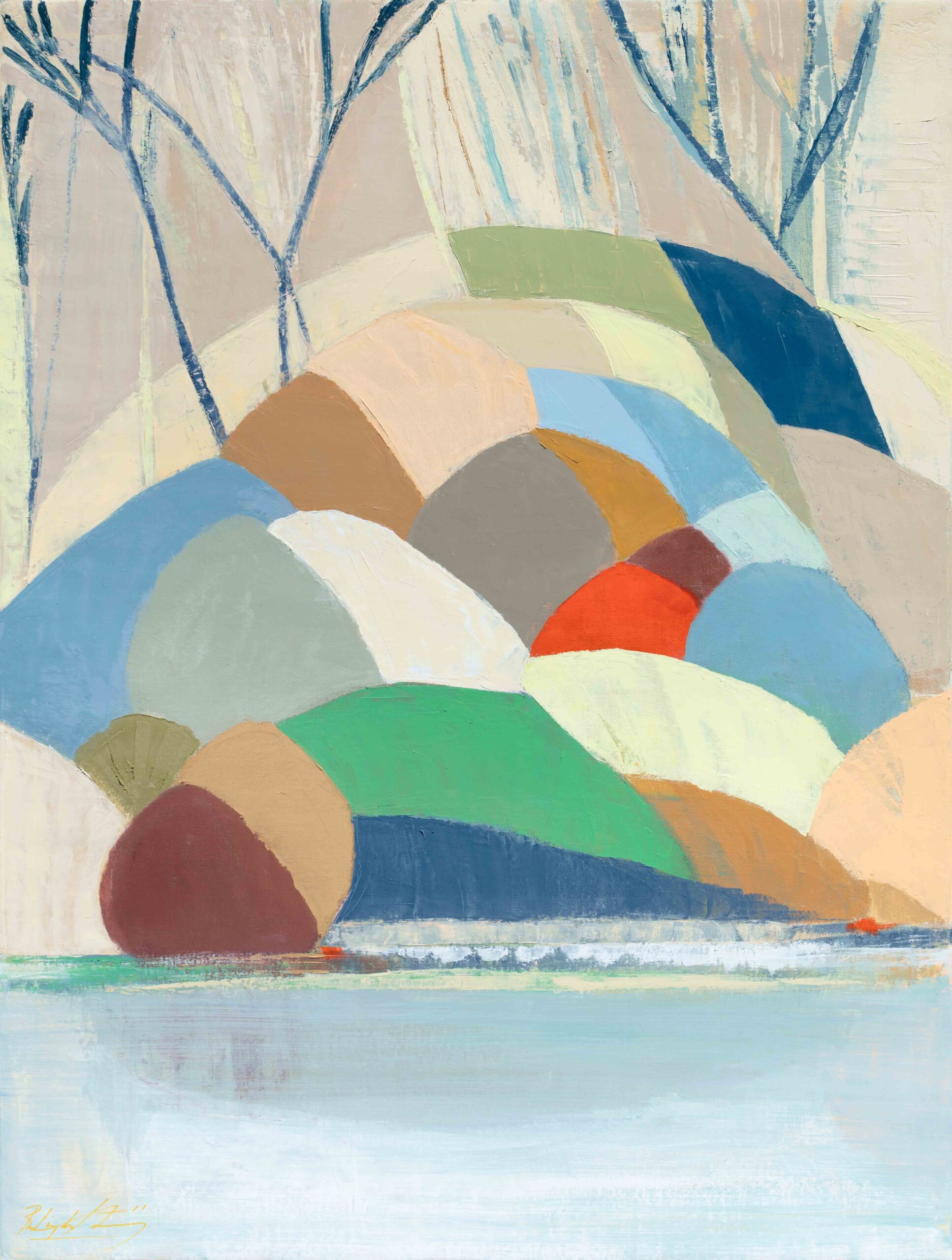
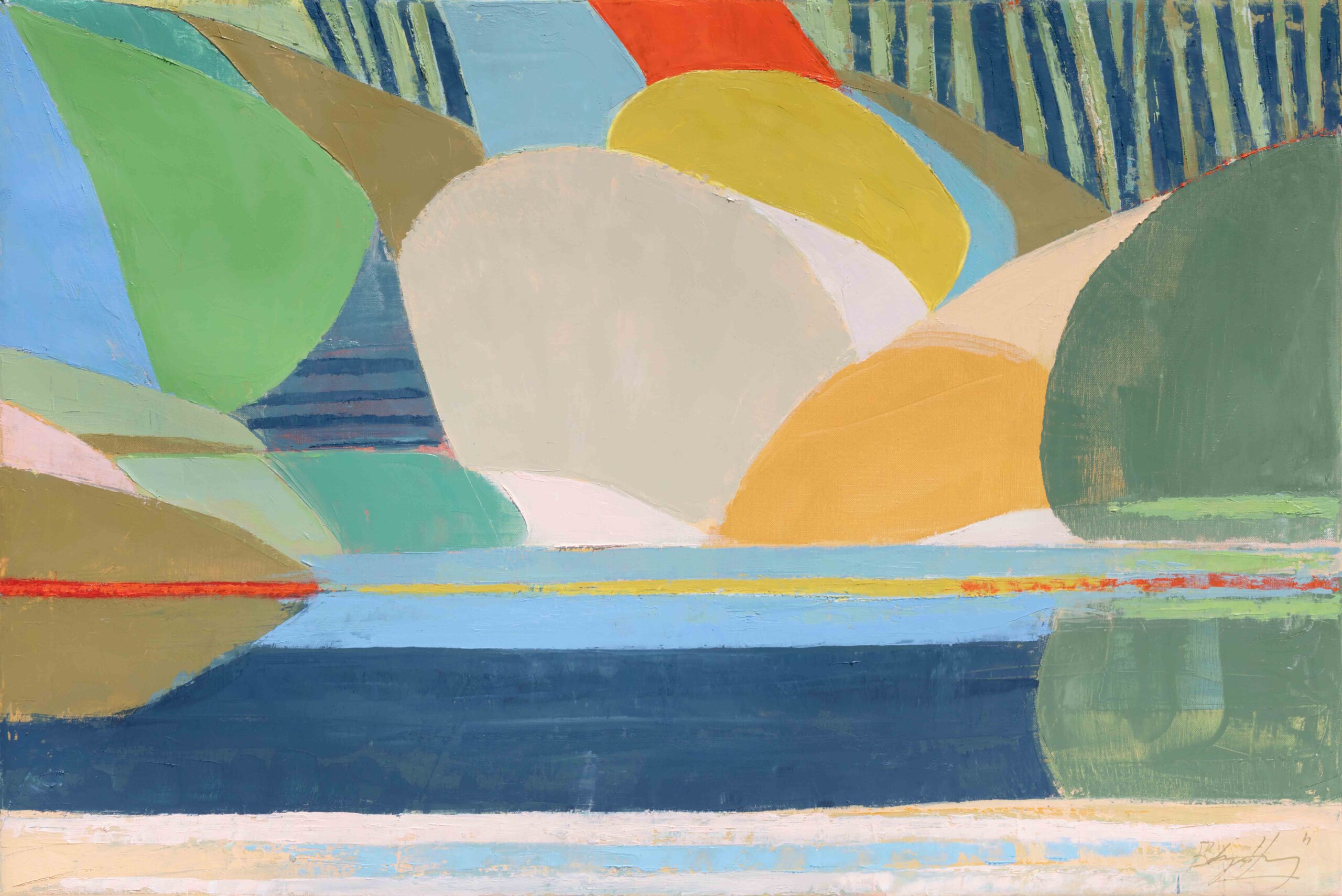
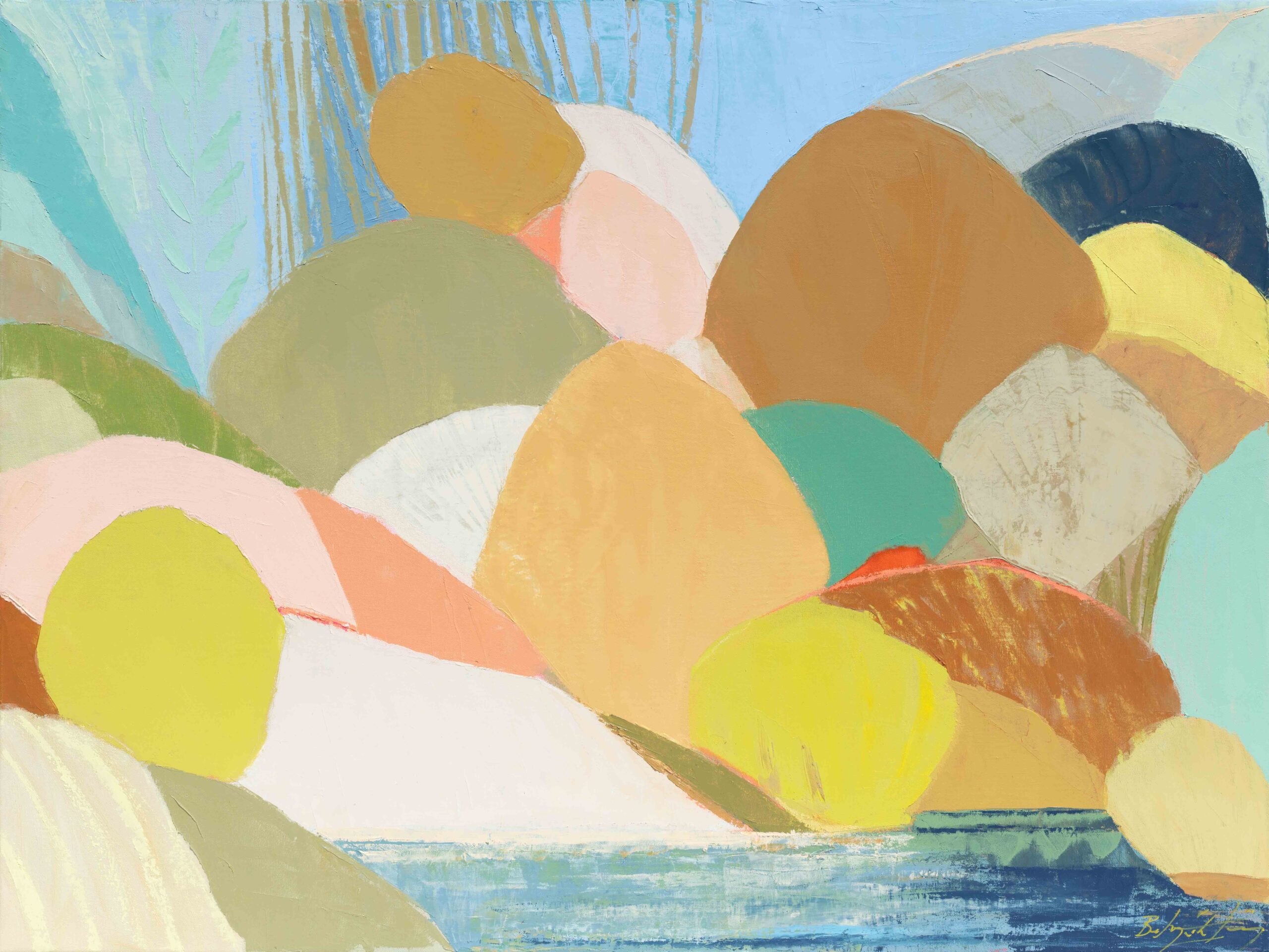
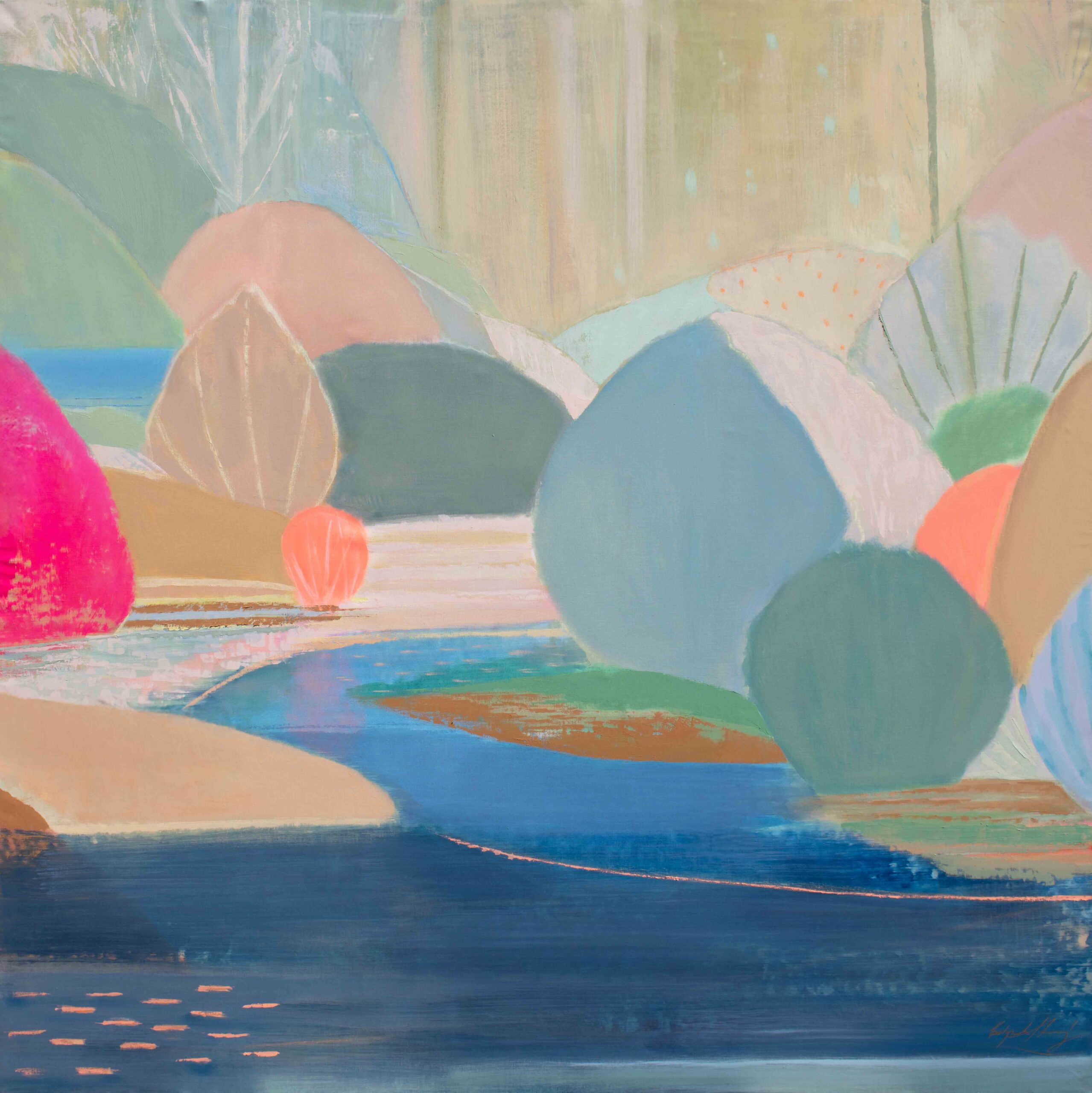
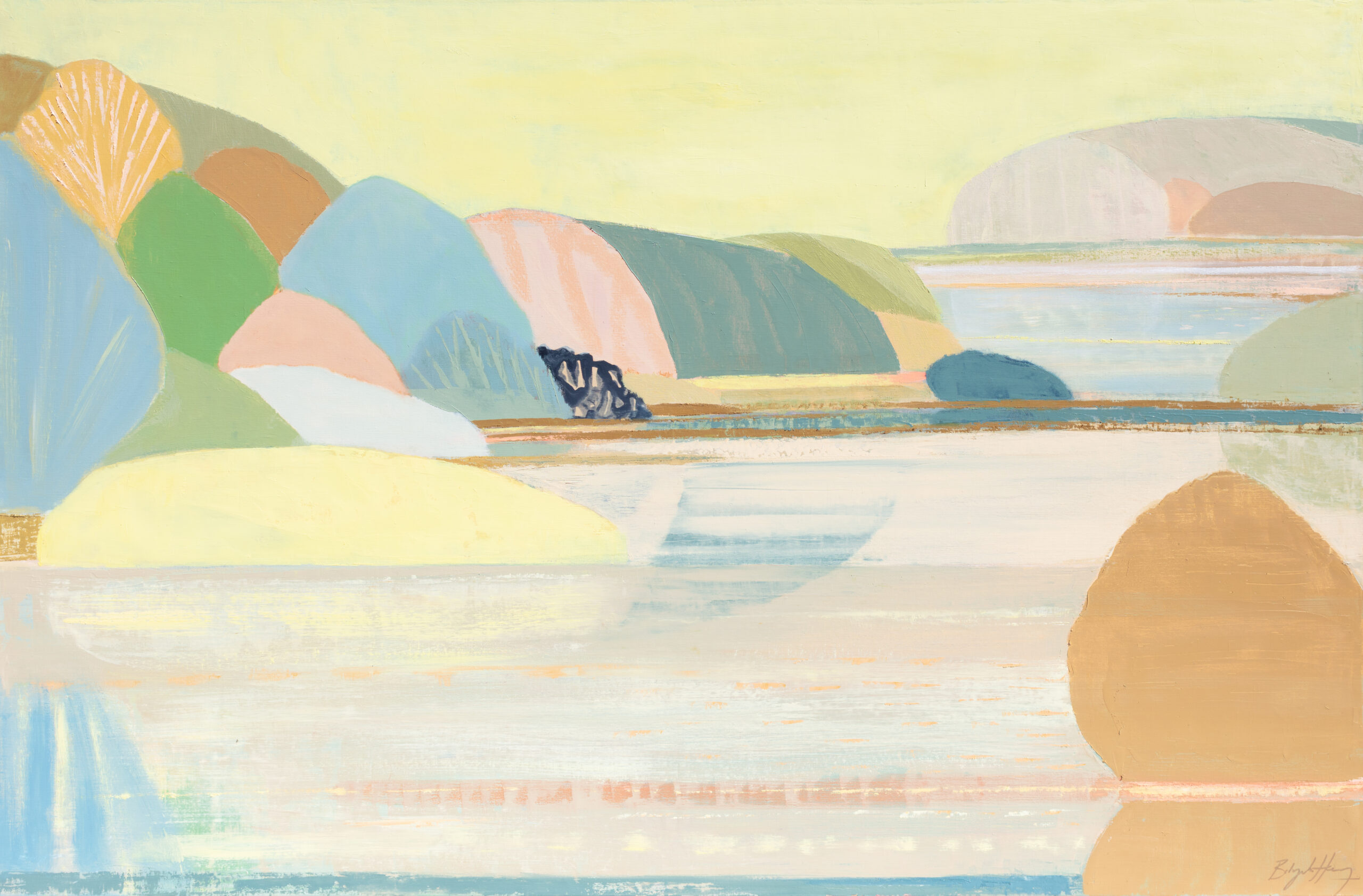
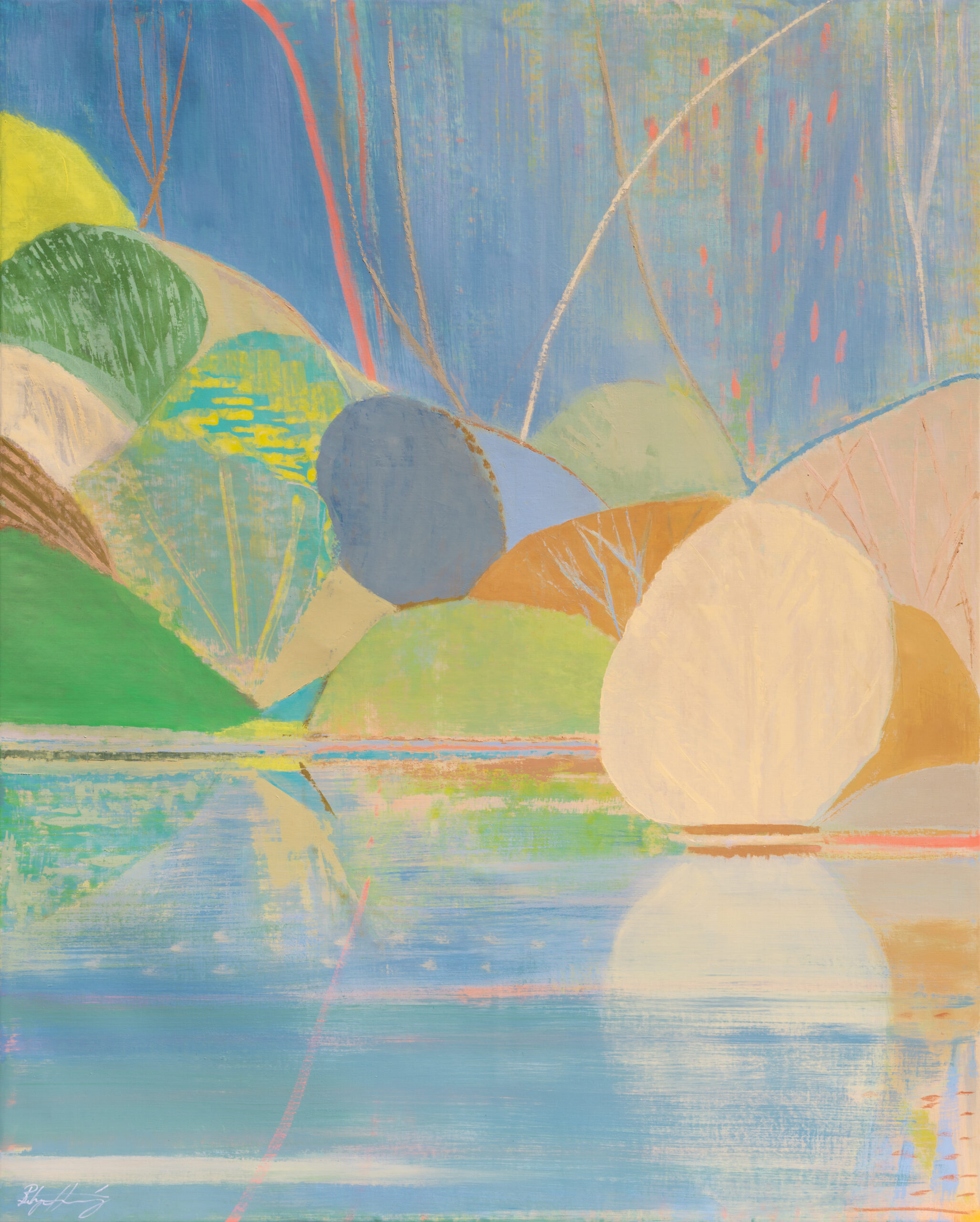
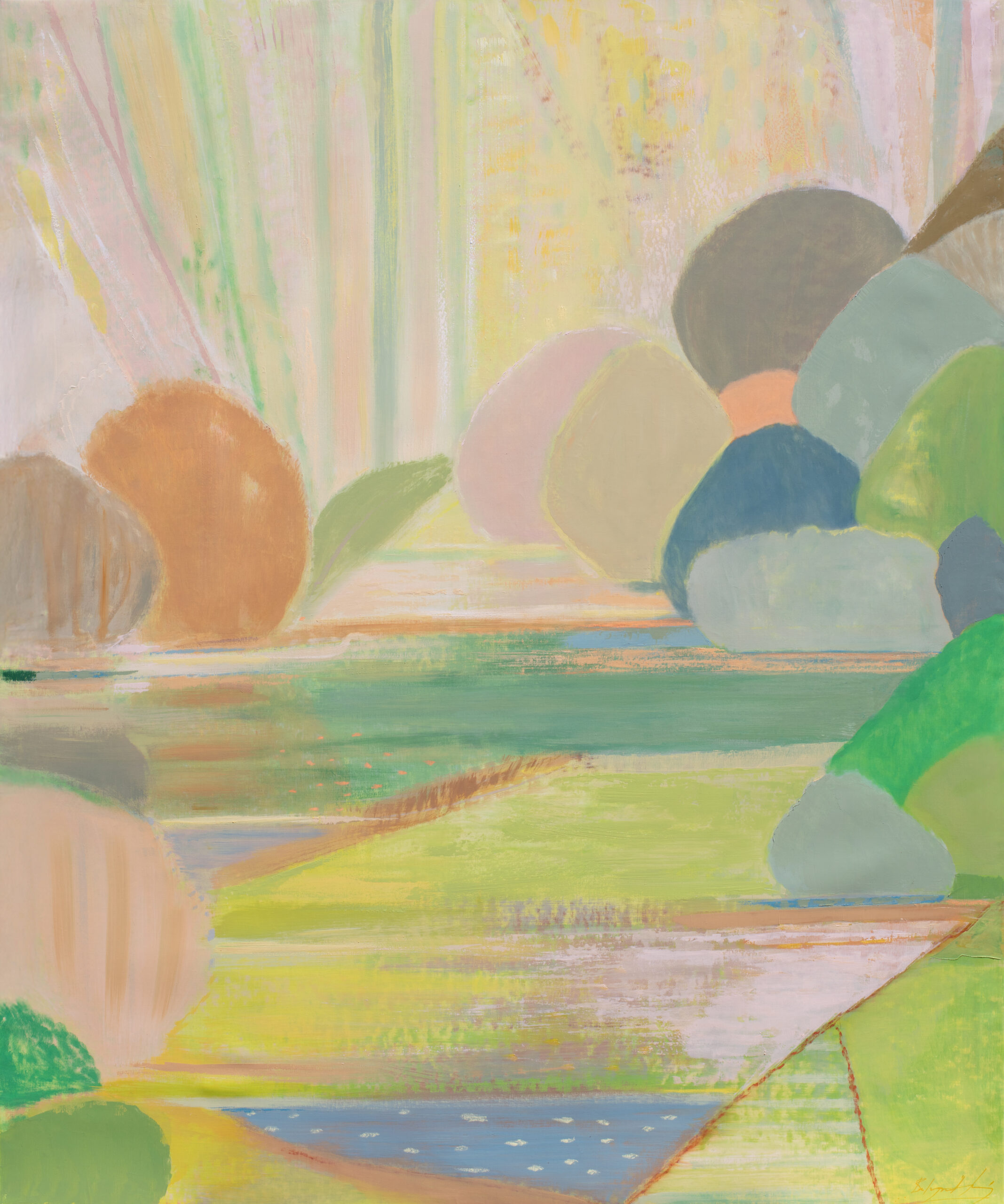
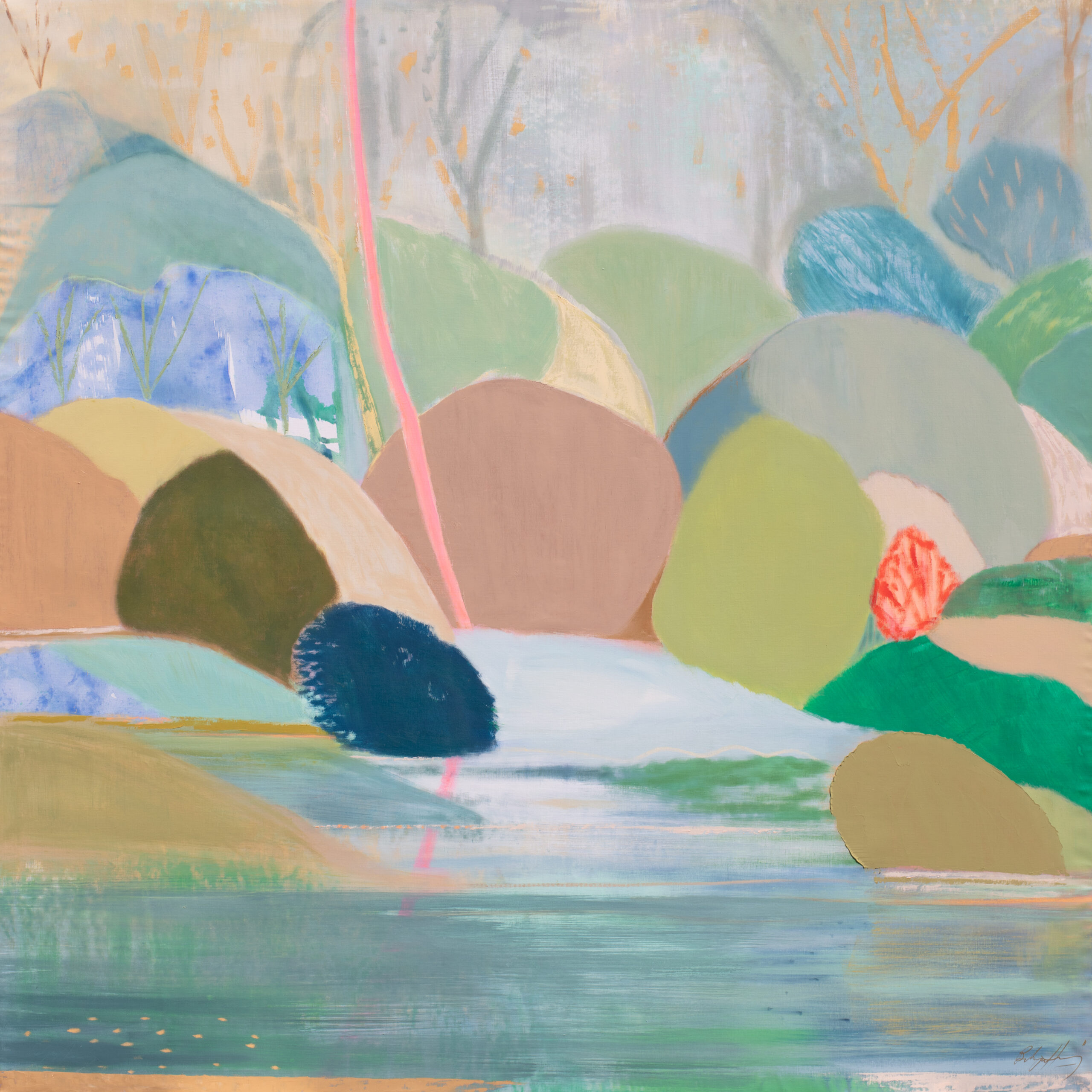
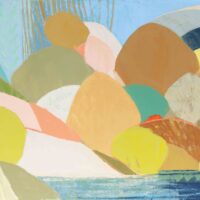
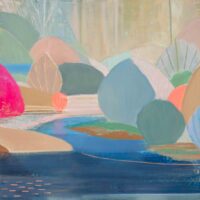
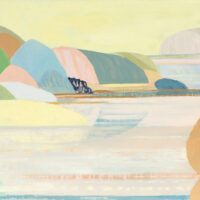
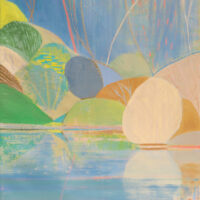
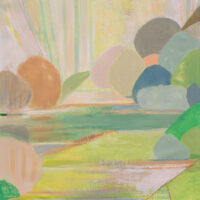
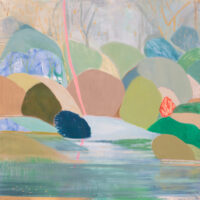
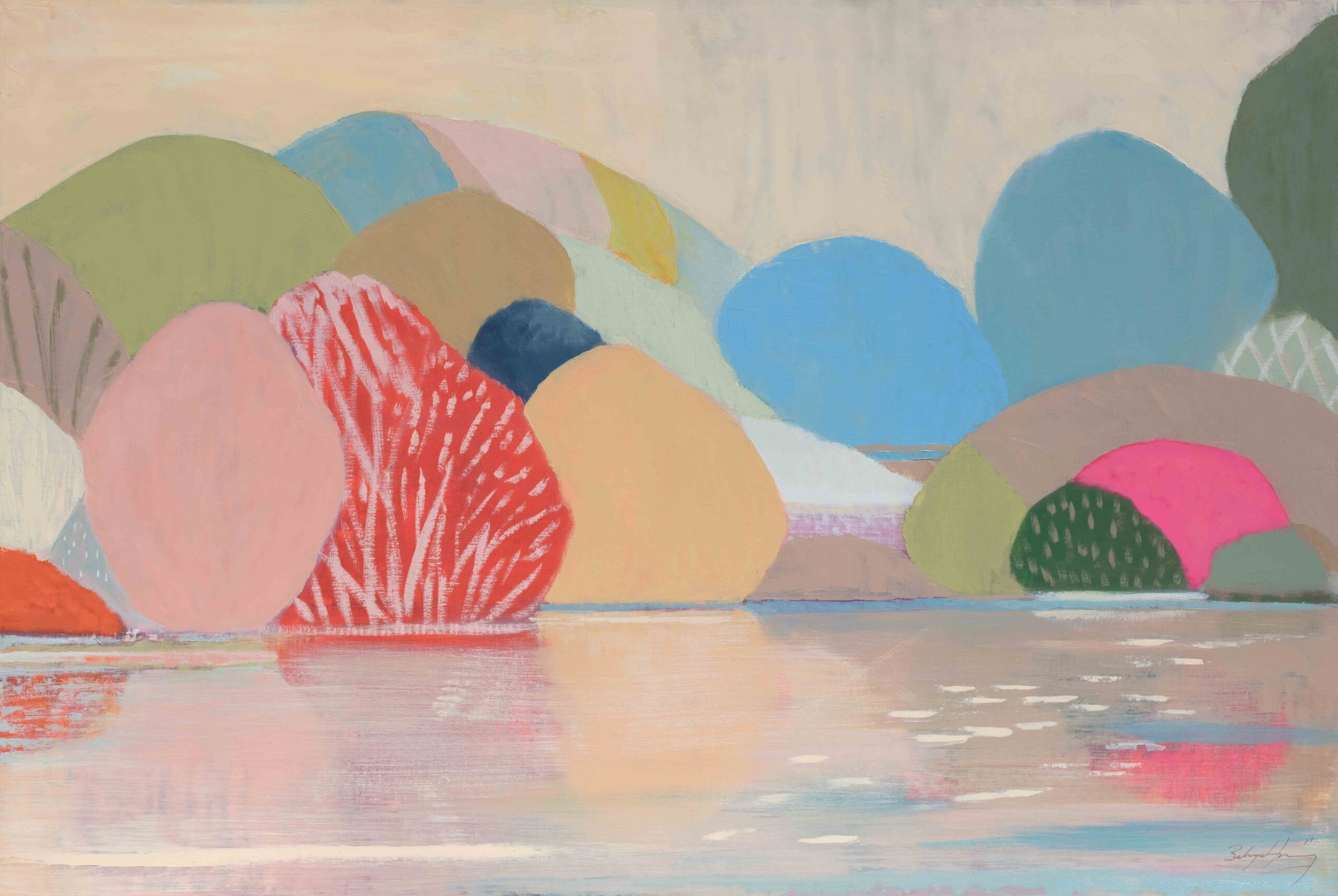
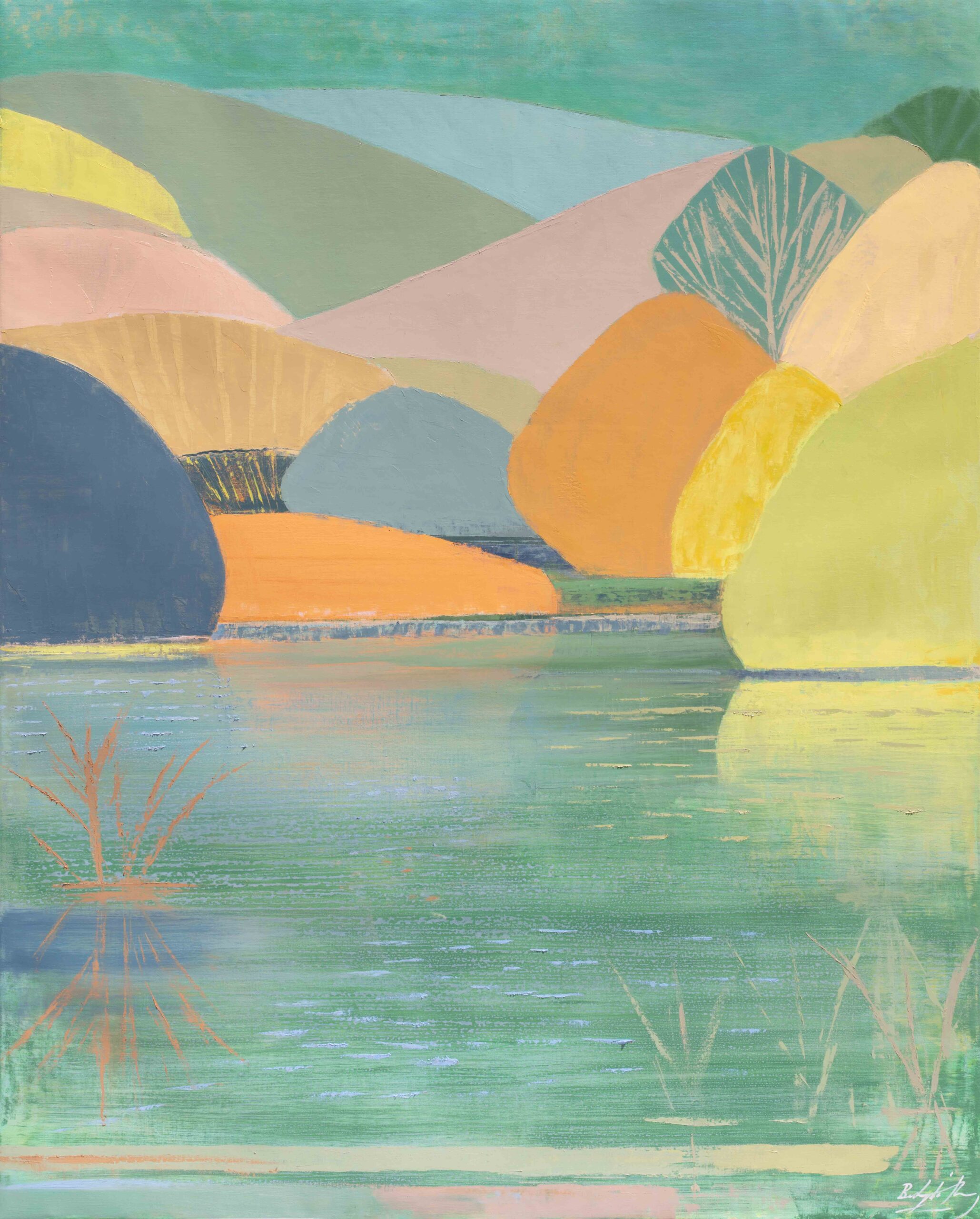
Findlay Galleries is pleased to present Living Palette, a major exhibition of new paintings by the distinguished Australian artist Belynda Henry. This presentation marks her most extensive showing in the United States to date and her fourth solo exhibition with the gallery, following acclaimed presentations in Palm Beach and New York.
Widely recognized as one of Australia’s leading contemporary landscape painters and a multiple finalist for both the Wynne and Archibald Prizes, Henry brings to her art a refined synthesis of observation and emotion. Living and working in a lush valley north of Sydney, she draws continual inspiration from the natural world—the subtle shifts of light, the rhythms of the seasons, and the quiet resonance of the landscape.
Henry employs a distinctive technique that combines oil and wax, built up in multiple layers to create surfaces of remarkable depth and tactility. The result is a body of work with an unmistakably earthy presence. Her palette of soft pastels, enlivened by luminous bursts of color, conveys both serenity and vitality. Through her loose, layered application, Henry achieves a graceful interplay between abstraction and landscape, evoking movement, distance, and the passage of time.
In Living Palette, Henry deepens her exploration of the dialogue between abstraction and the natural world. Her process begins outdoors, through plein-air observation, and evolves in the studio, where memory, emotion, and intuition re-imagine what she has seen. The result is an expressive language of color and form that transcends depiction, transforming direct experience into atmosphere.
Each painting embodies Henry’s sense of happiness and wonder—qualities that are felt rather than declared. The vitality within her work emerges organically from her engagement with nature and from her belief that painting is a living conversation between artist, subject, and viewer.
To live with these paintings is to share in that vitality. Their presence fills a space with quiet energy, inviting reflection and renewal. Joy and beauty here are not static ideals, but ever-shifting forces—alive in color, texture, and the spirit that shaped them.
Get in Touch
Contact your gallery to enquire about a work of art, for more information on the exhibition, or to schedule an appointment.
Charles Neal
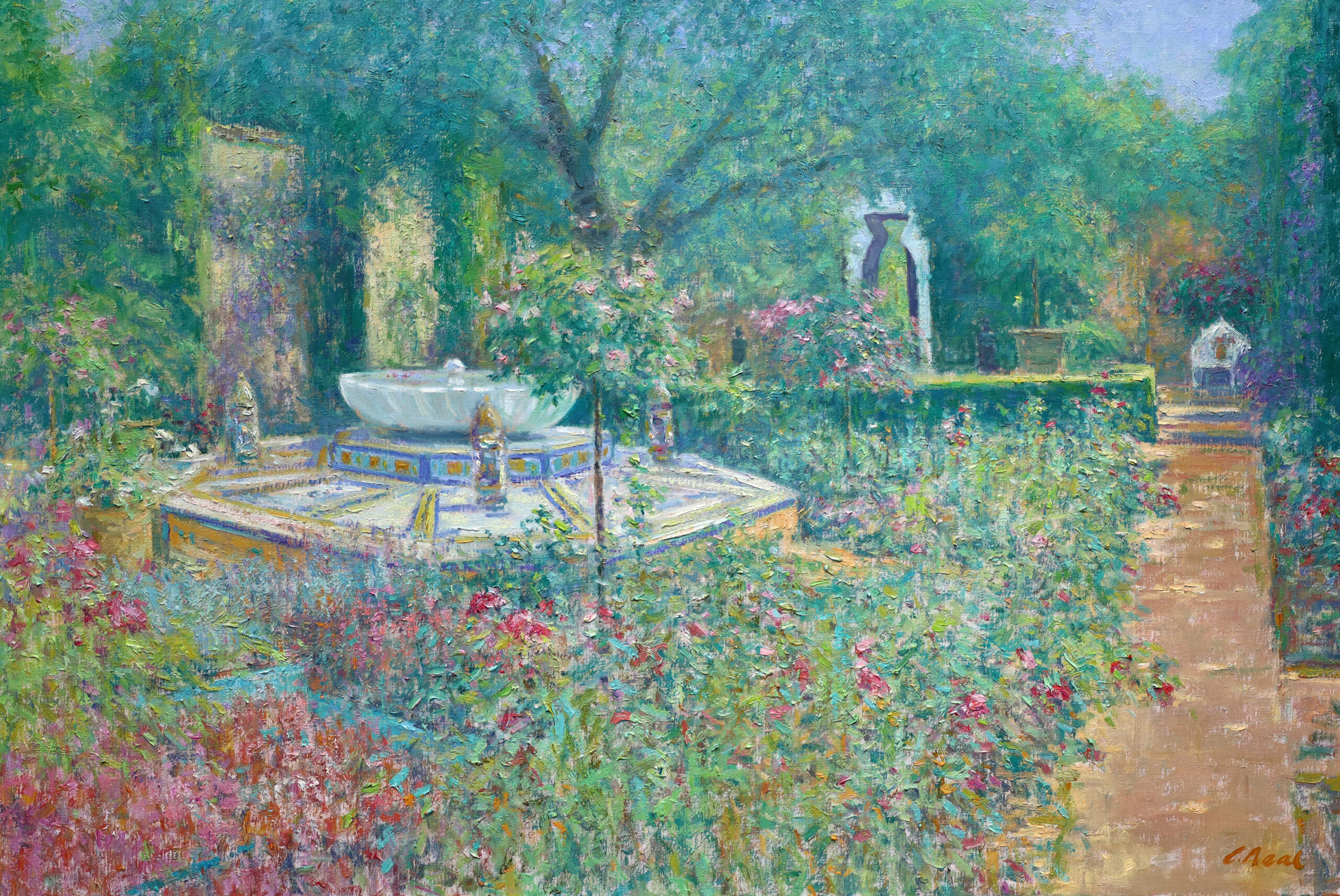
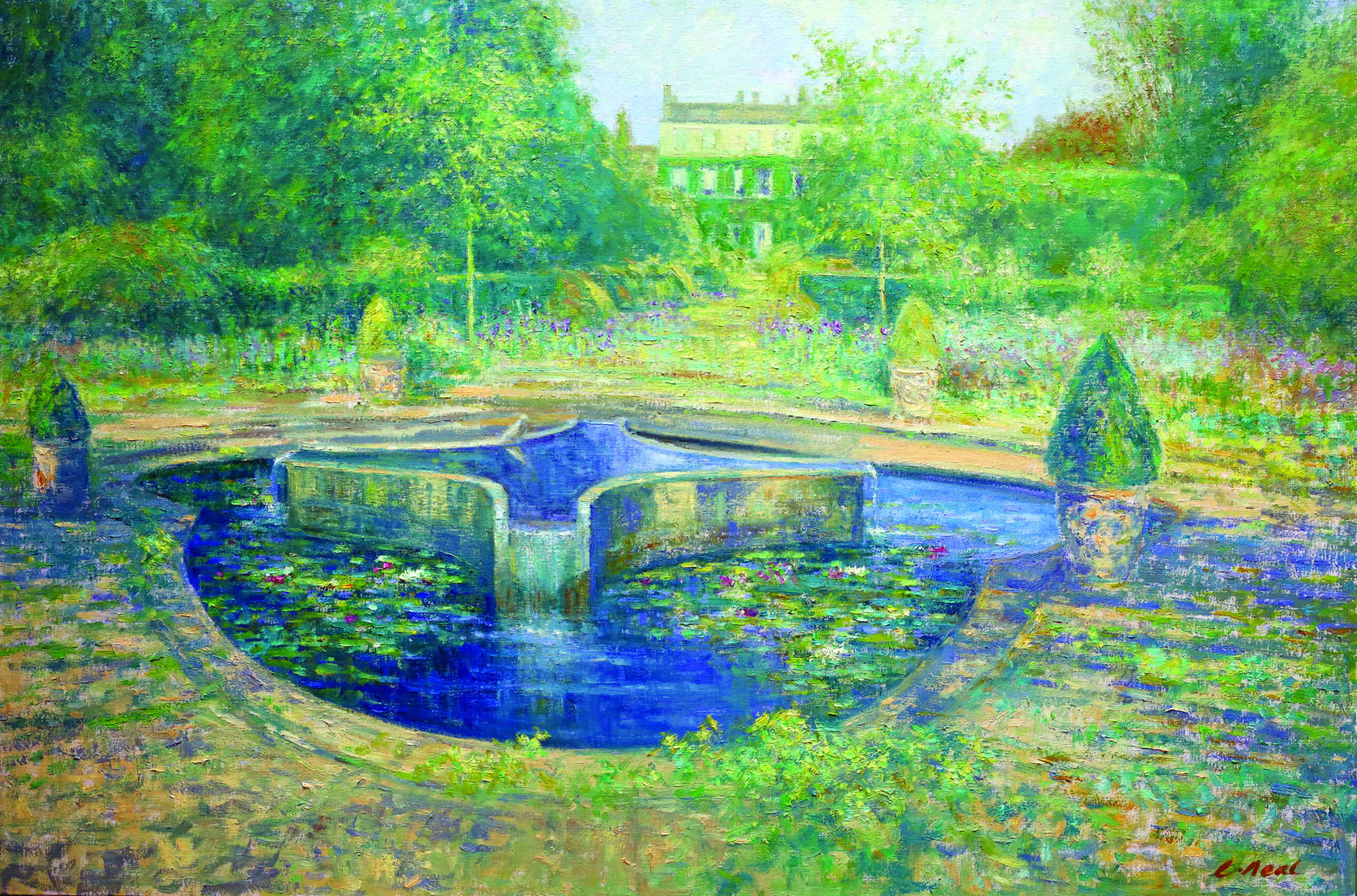
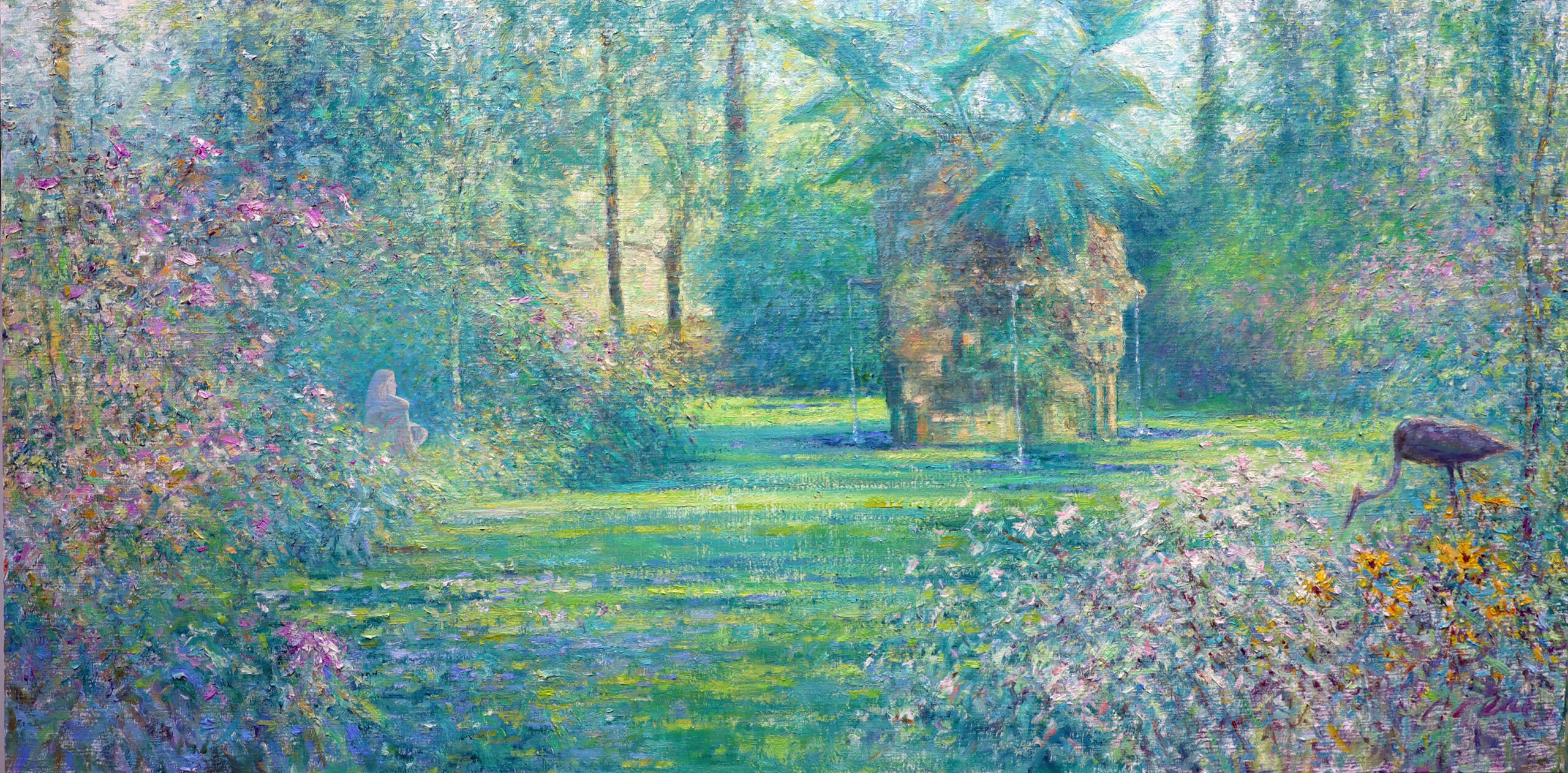
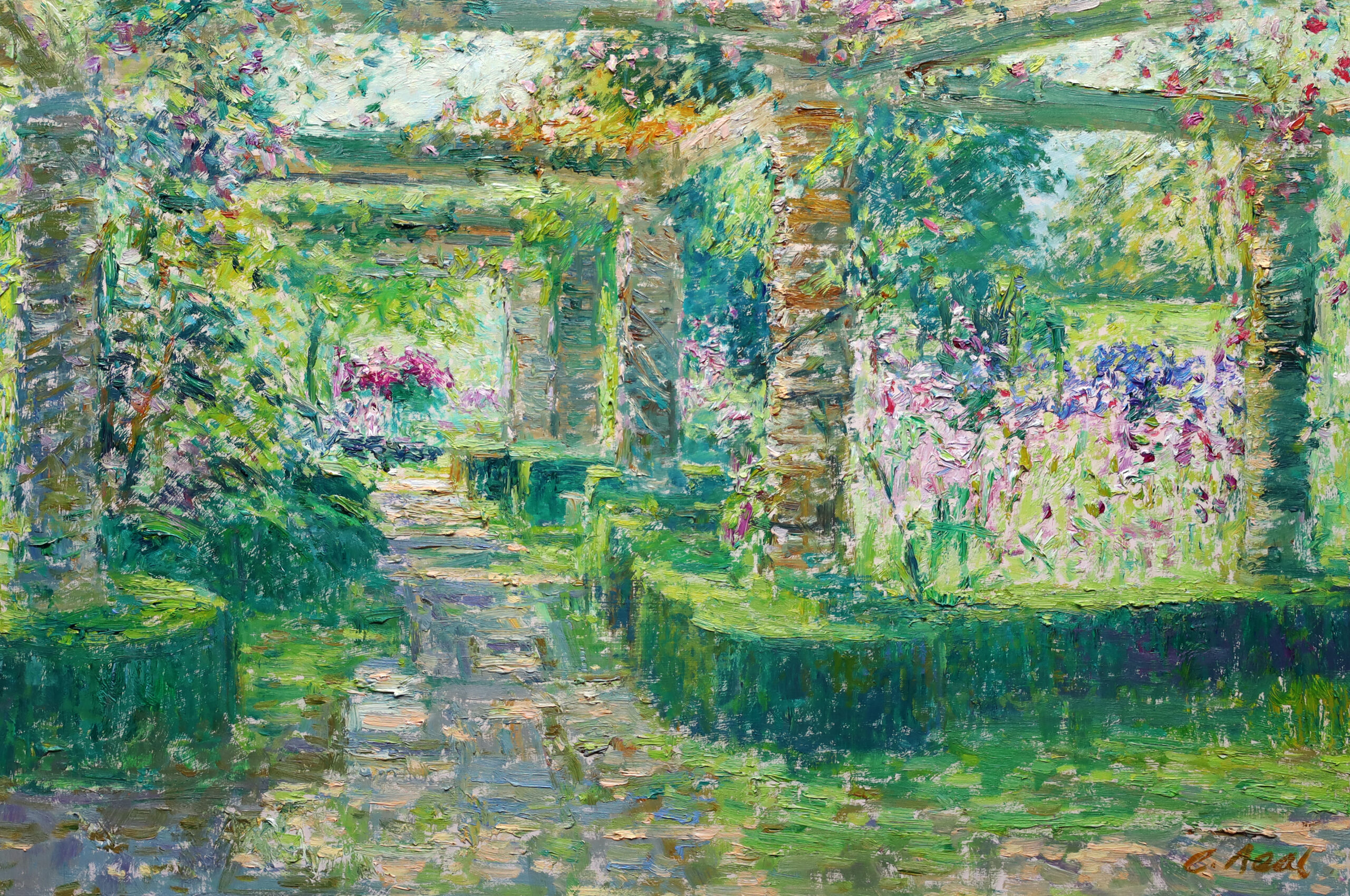
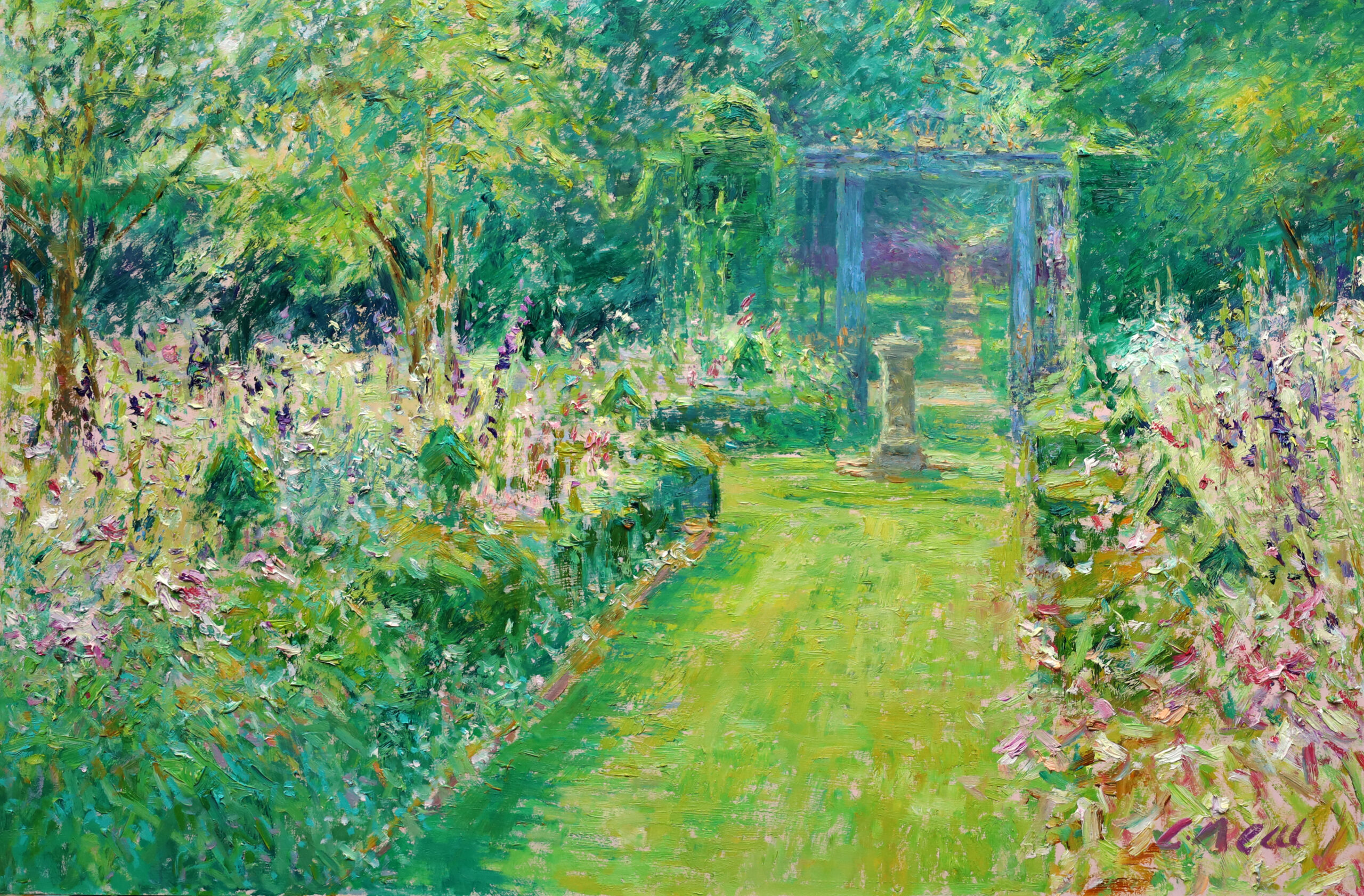
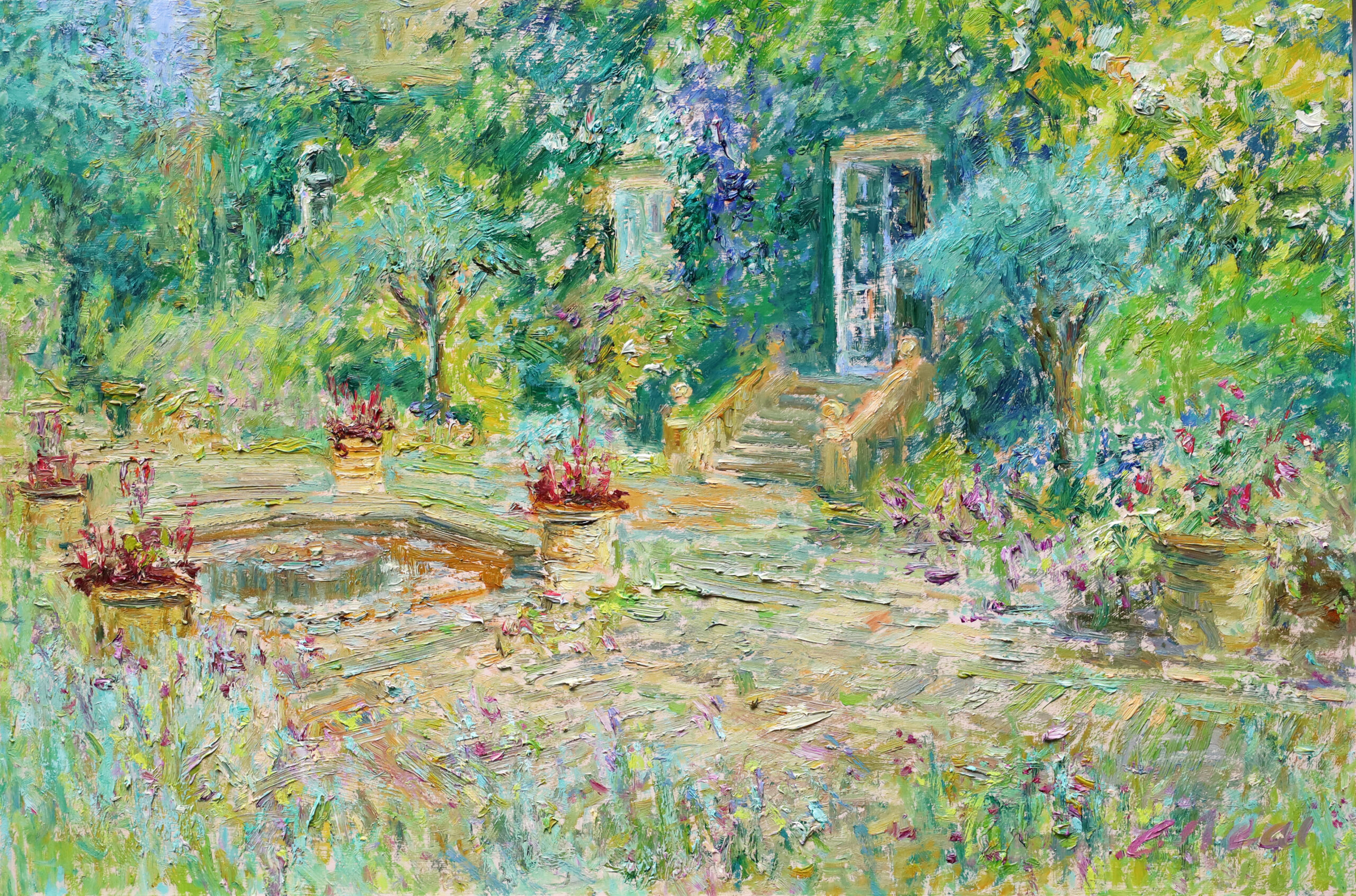
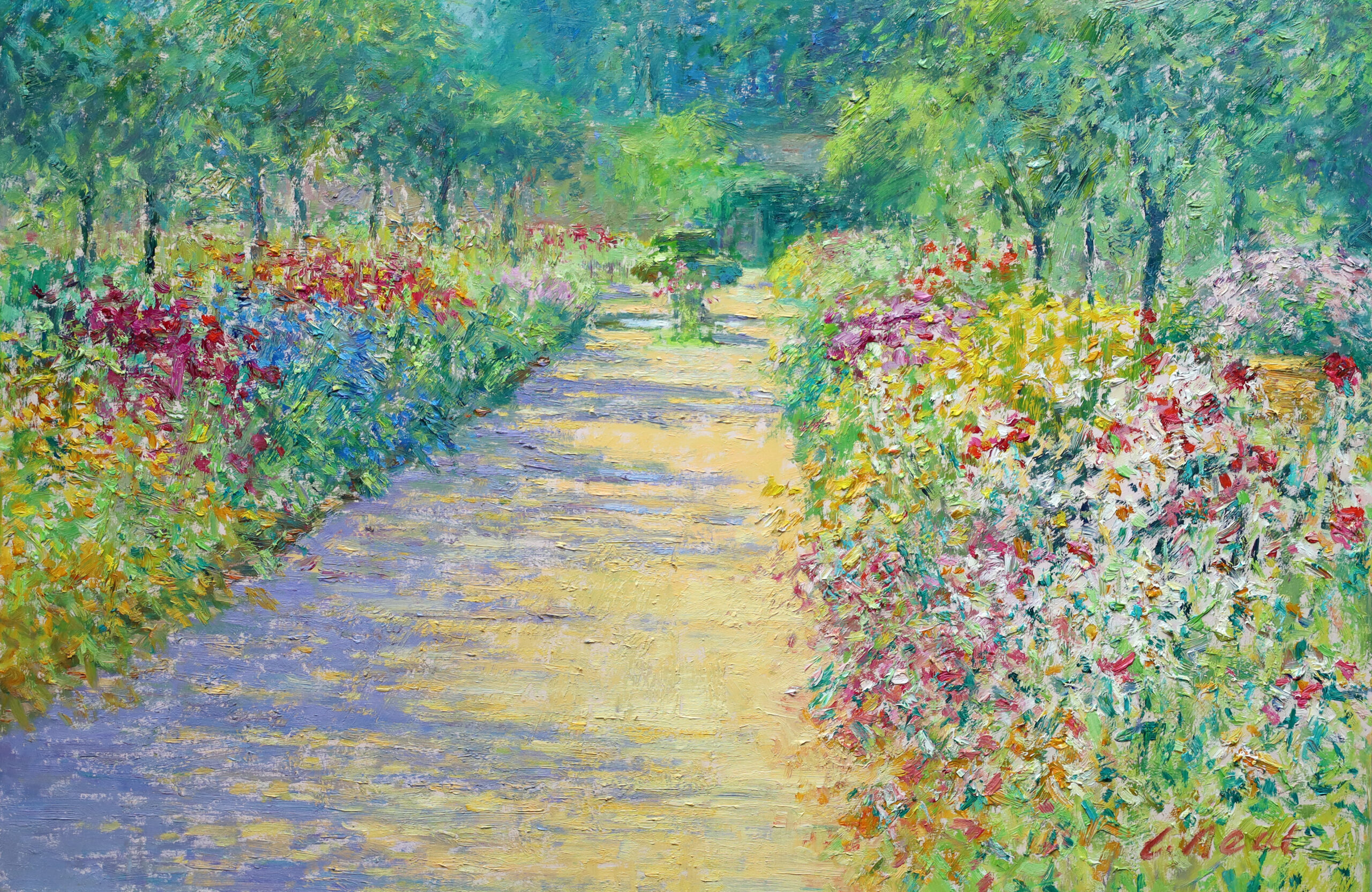
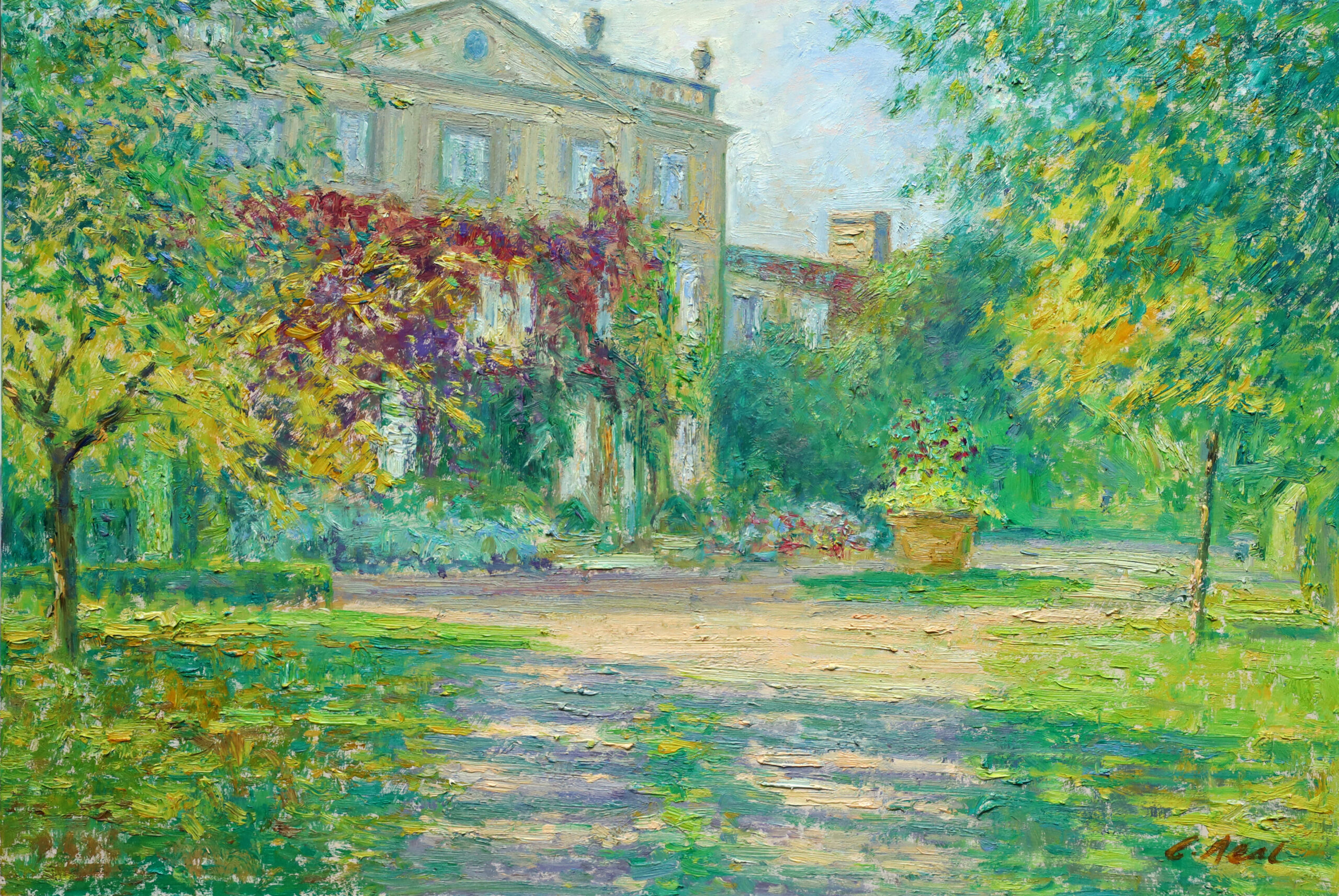
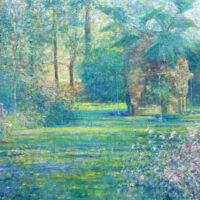
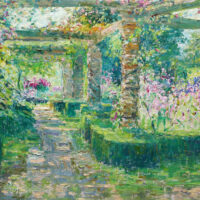
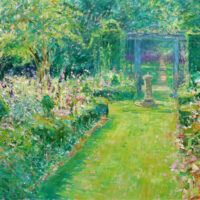
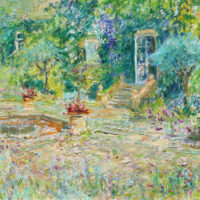
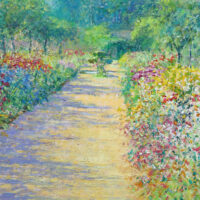
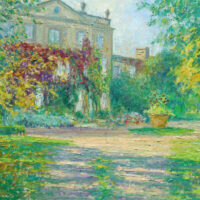
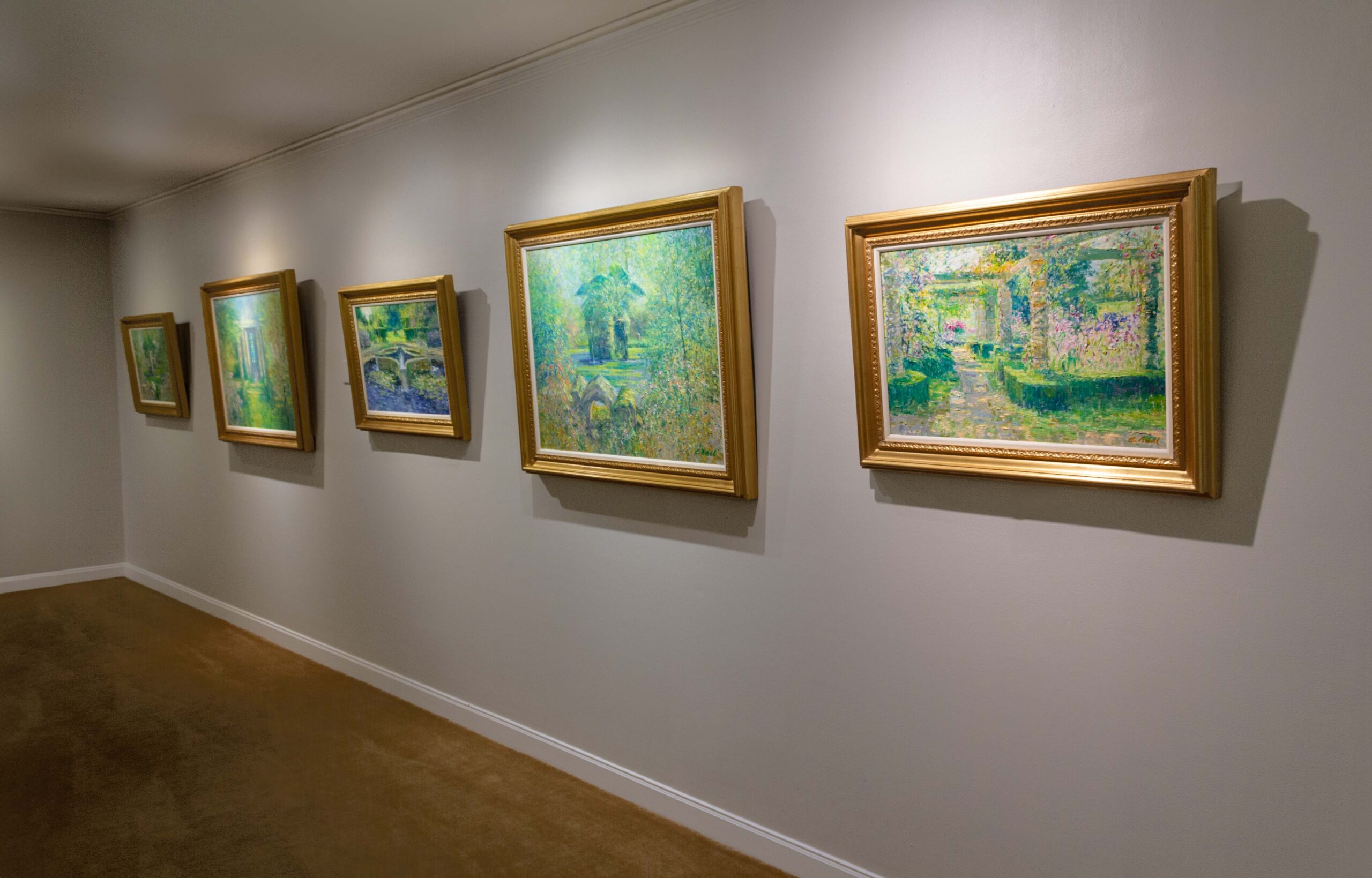
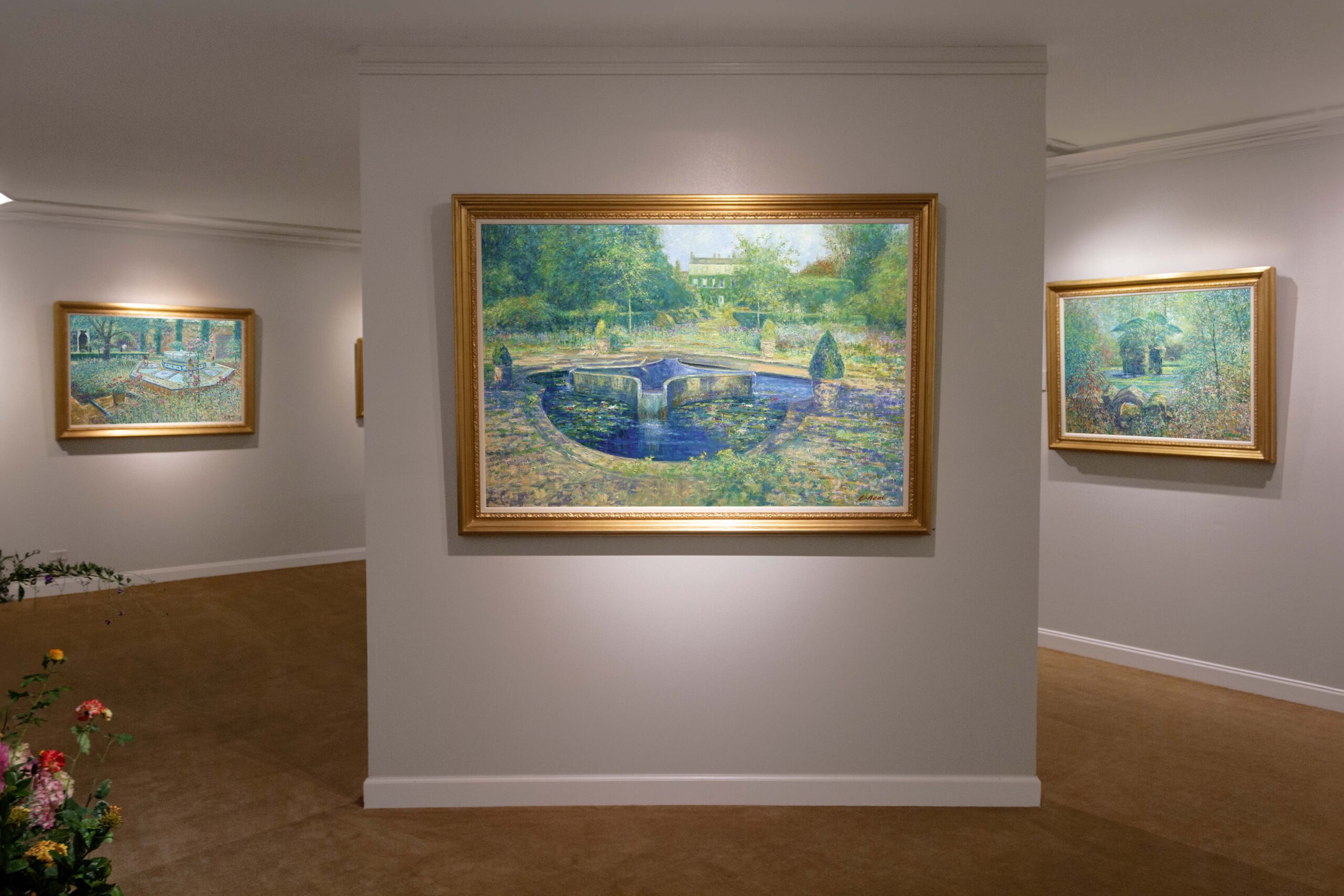
Highgrove House, His Majesty’s Gardens
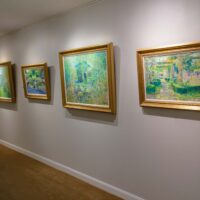
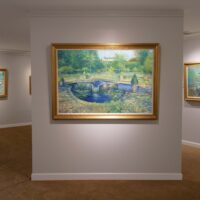
The first Painted Garden exhibition was a collection of works I had put together as an exhibition celebrating Rosemary Verey’s garden at Barnsley, Gloucestershire, and was presented by Astley House Fine Art. His Majesty, The King (then HRH the Prince of Wales) kindly opened the exhibition in May 1994, which was also attended by Rosemary Verey at the Museum of Garden History, Lambeth, London, in support of the Museum.
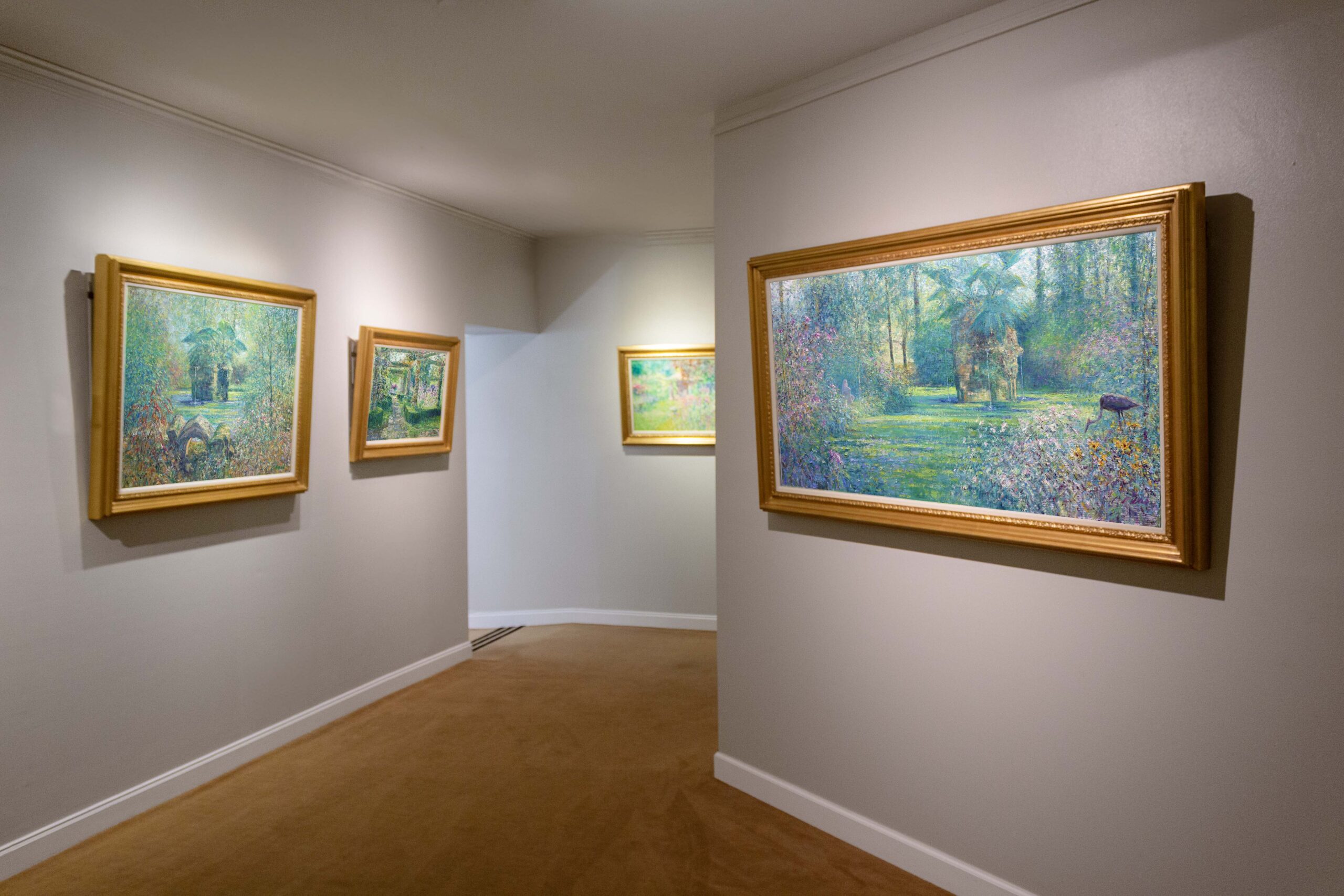
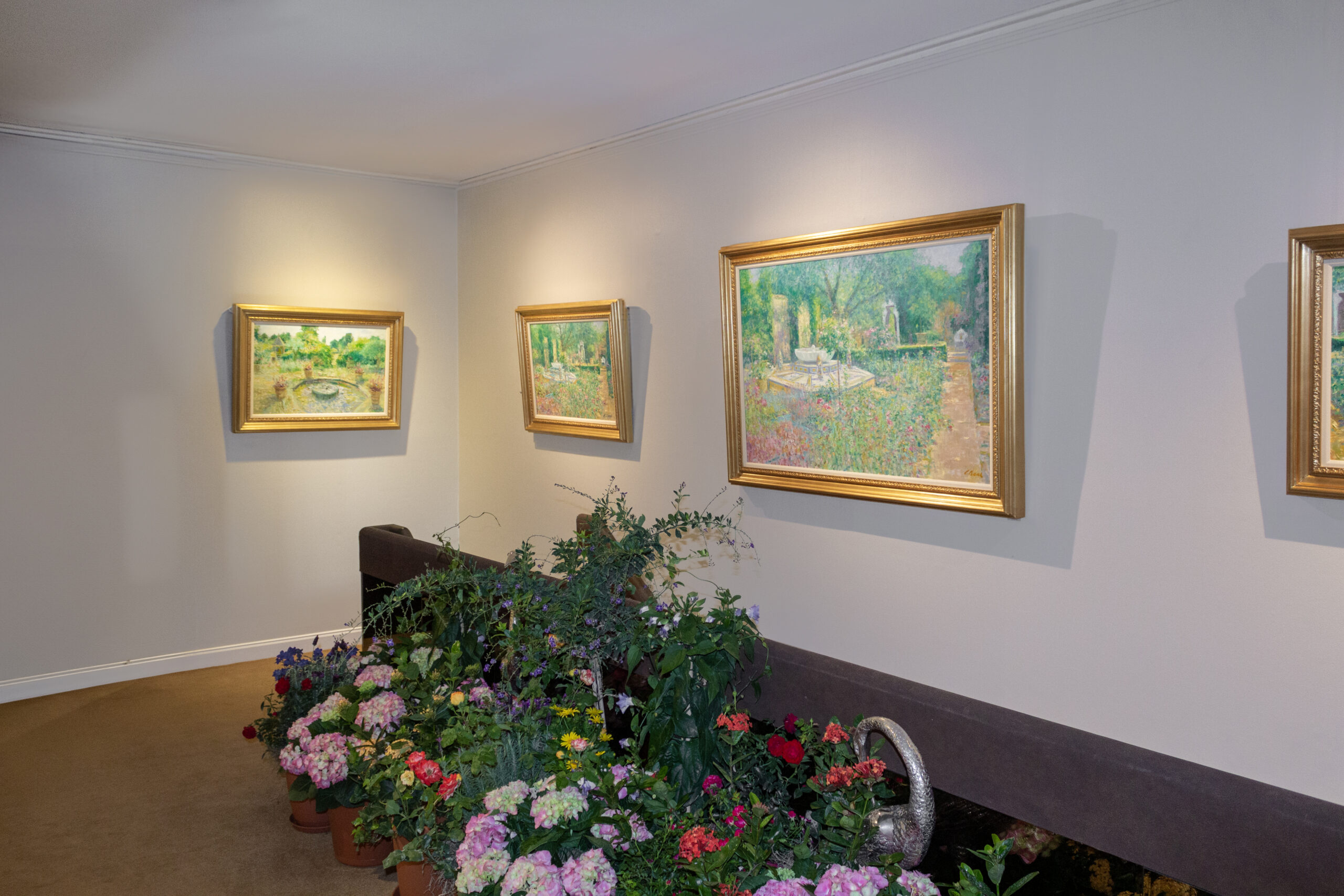
The painted garden theme has continued to celebrate prominent gardens in Britain. Over the past thirty years, it has included various gardens in France, Italy and the USA, including The Painted Garden at Highgrove House, His Majesty’s Garden collection.
From the outset and subsequent Painted Garden collections, the emphasis has been on exploring and depicting the relationship of owners of gardens and society with nature by participating as co-creators through gardening and engagement with the land.
Each collection has sought to express the particular and unique narrative of the garden by interpreting the process initially as abstract thought, through vision, to the actualization of those intentions. Each garden can be realized as a manifestation of creative expression borne out of philosophical and spiritual perspectives.
The Painted Garden Highgrove is an interpretation of the gardens within the estate created by collective advisers along with His Majesty’s ideas, plans and underlying philosophical viewpoint of life and its relationship to the natural world. The creator of a garden, particularly over a long time of engagement, is an ever-evolving process and a personal journey resulting in a transient created space. Effectively, this collection is an internalization of the created spaces and their ambiance, which I responded to in new terms of reference and visual language.
The overall approach to compositional narrative portrays the philosophical and spiritual emphasis, wherein particular spaces within the gardens are painted as distinct themes by focusing on their uniqueness.
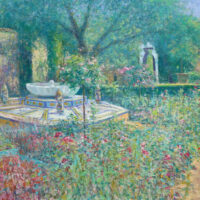
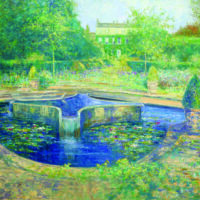
The Terrace Garden, Kitchen Garden, Lily Pool Garden and Carpet Garden have a common element in the form of water sources. In each case, the movement of water is a central dynamic. Water is presented as a slow, constant, quiet source, which can be seen as a spiritual symbol of constant replenishment to life. The peaceful sound and its constancy of flow affect a source of reassurance in life, giving power and energy.
In each of these garden designs, the layout radiates from the central element of a water source. This pattern represents a symbolic manifestation of the emanation from Divinity, the ‘Undisclosed One.’ It is similarly depicted in the Rose Window designs of the great Medieval Cathedrals of Europe and equally in the Eastern Faiths in the form of a Mandala, an abstract formulation.
The planet and its present and future state depend to a greater degree on whether human thought is constructive and sympathetic or destructive and dismissive of nature and our inextricable relationship with the earth.
In each garden, His Majesty the King expresses His alignment with nature through nature-related object metaphors rather than highly stylized forms of expression within the garden themes.
The experience of the gardens at Highgrove and, hence, the overall ambiance of the estate leaves one with a distinct sense that the creator of Highgrove’s gardens has a deep connection and holistic view of the natural world, along with its rhythms and sacred being.
– Charles Neal
Palm Beach Exhibition
Get in Touch
Contact your gallery to enquire about a work of art, for more information on the exhibition, or to schedule an appointment.
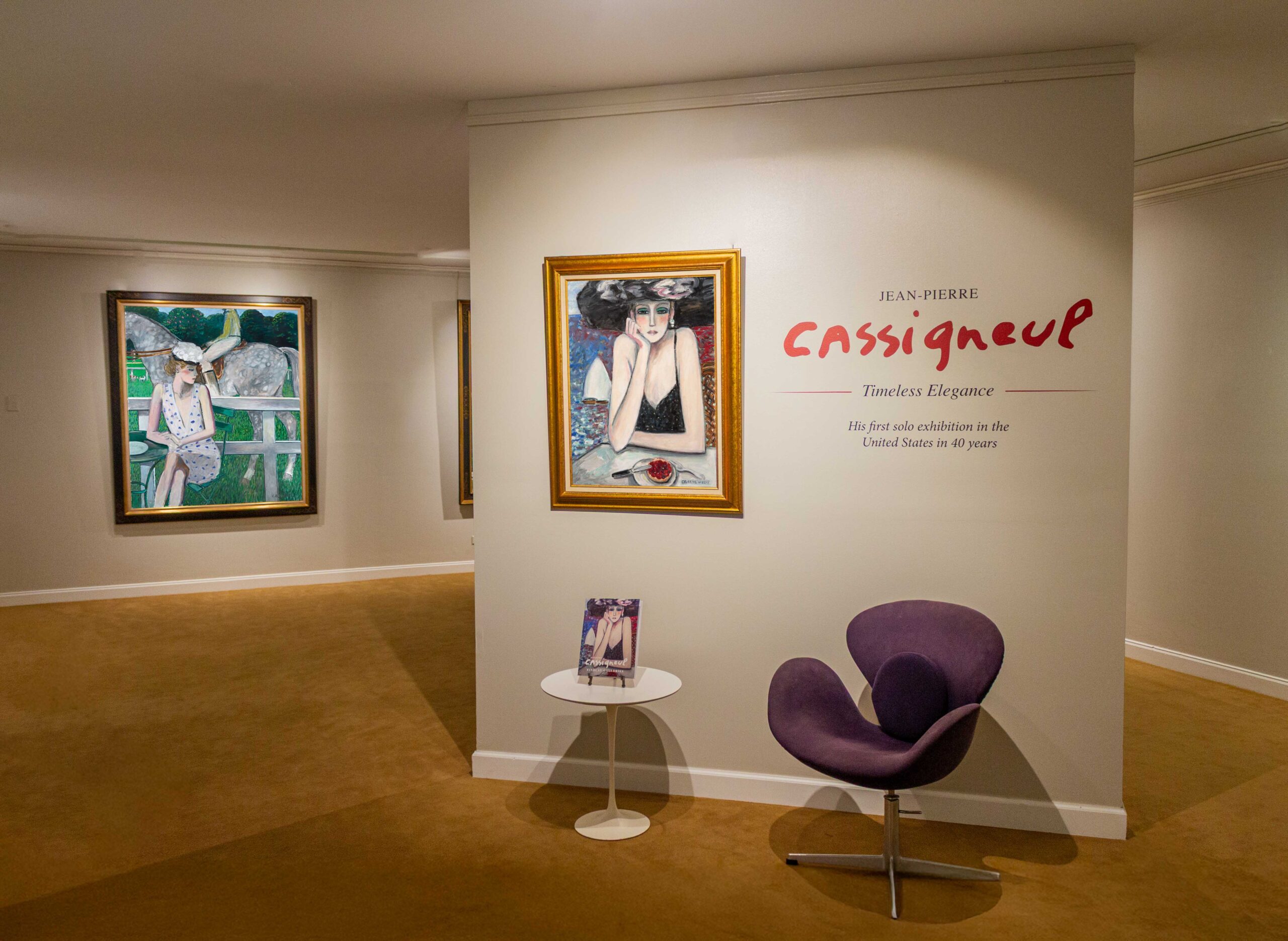
Jean-Pierre Cassigneul
Timeless Elegance
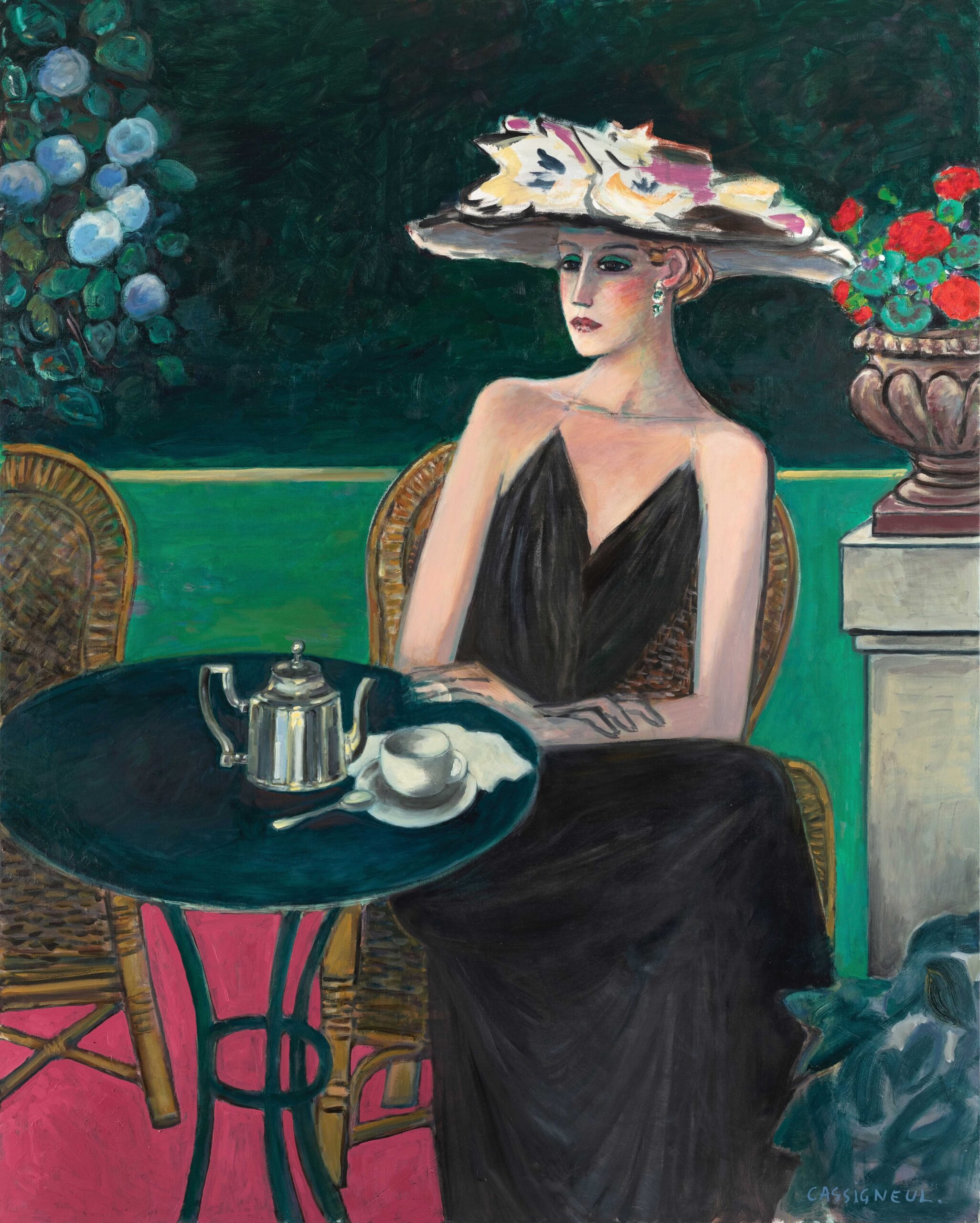
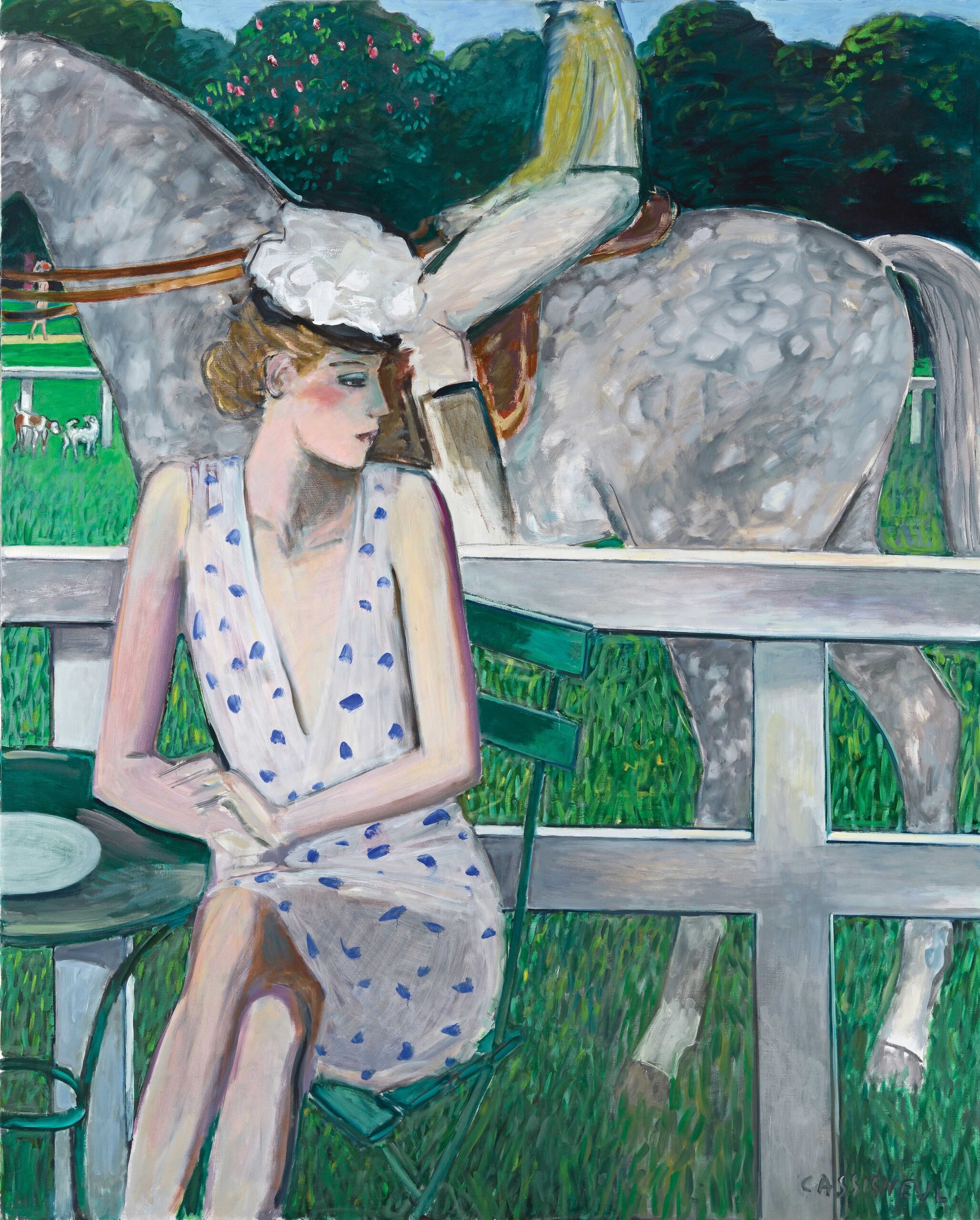
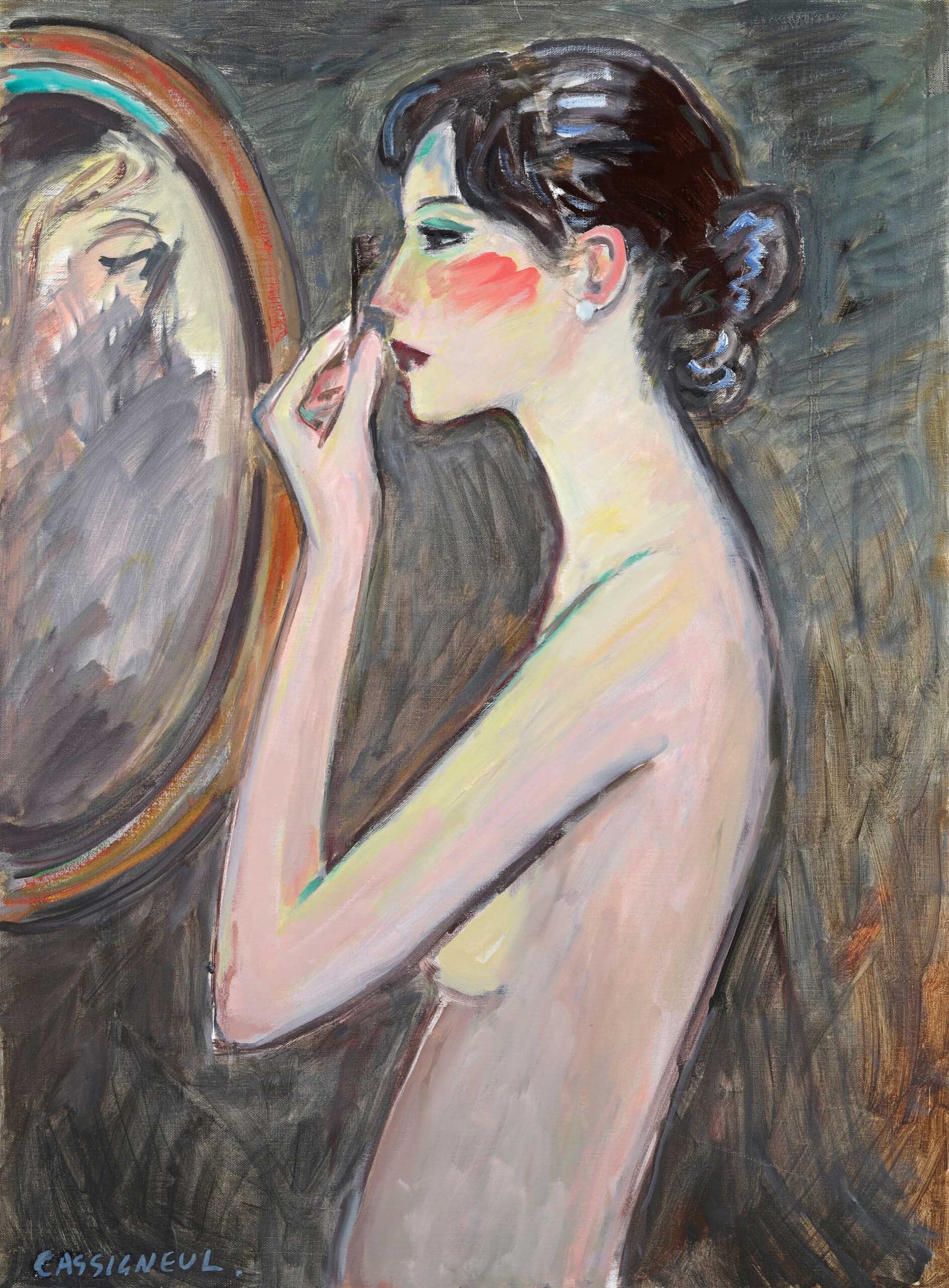
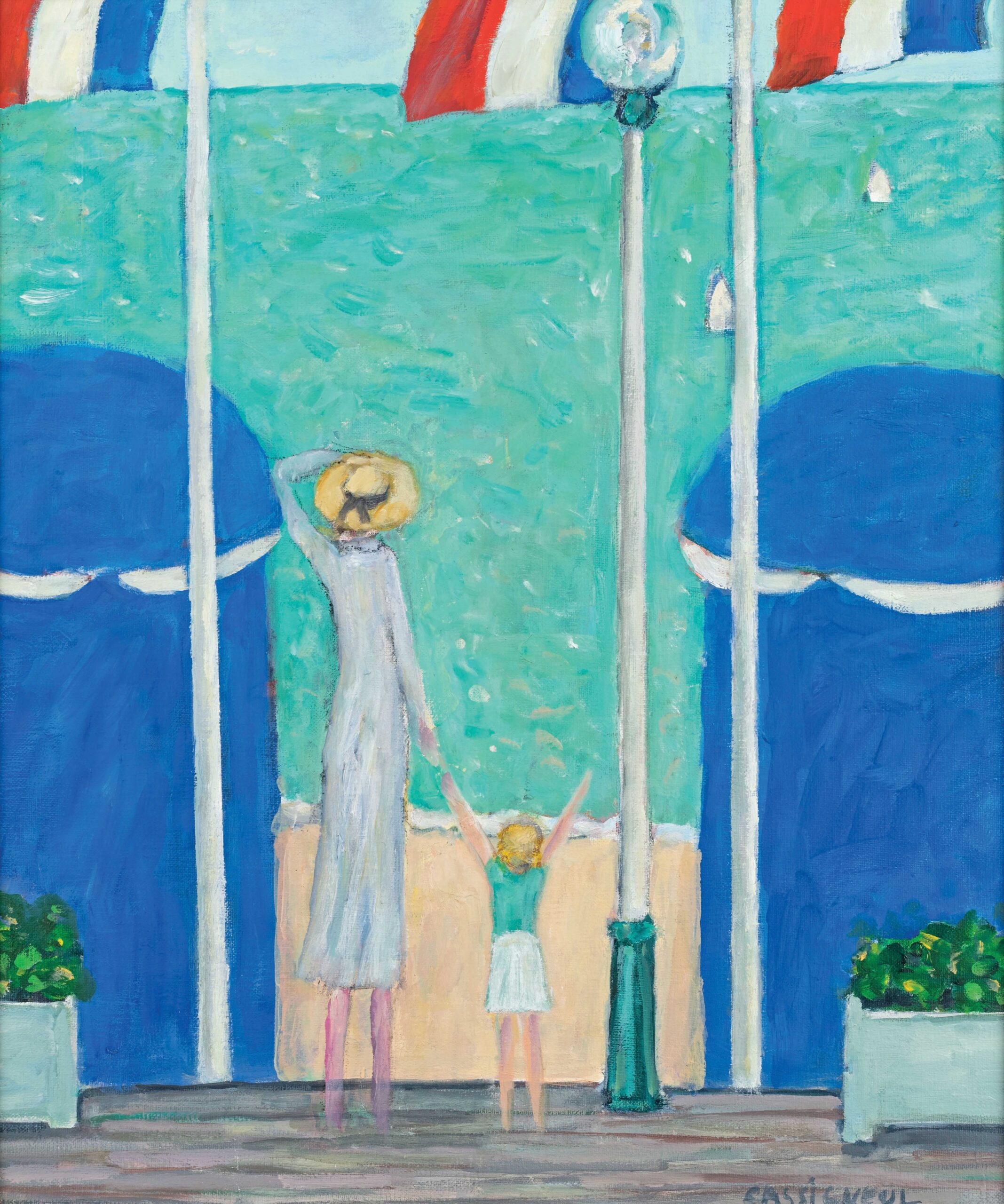
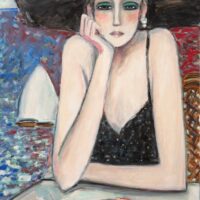
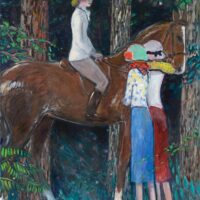
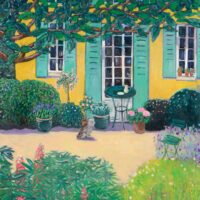
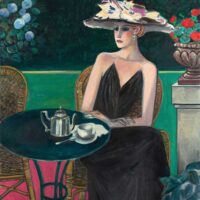
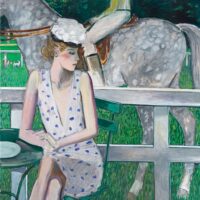
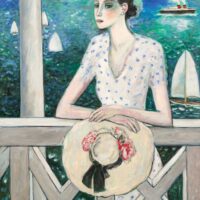
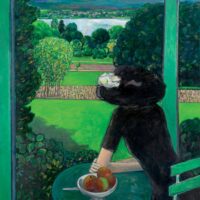
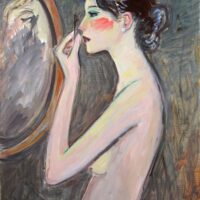
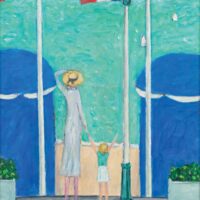
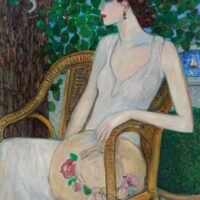
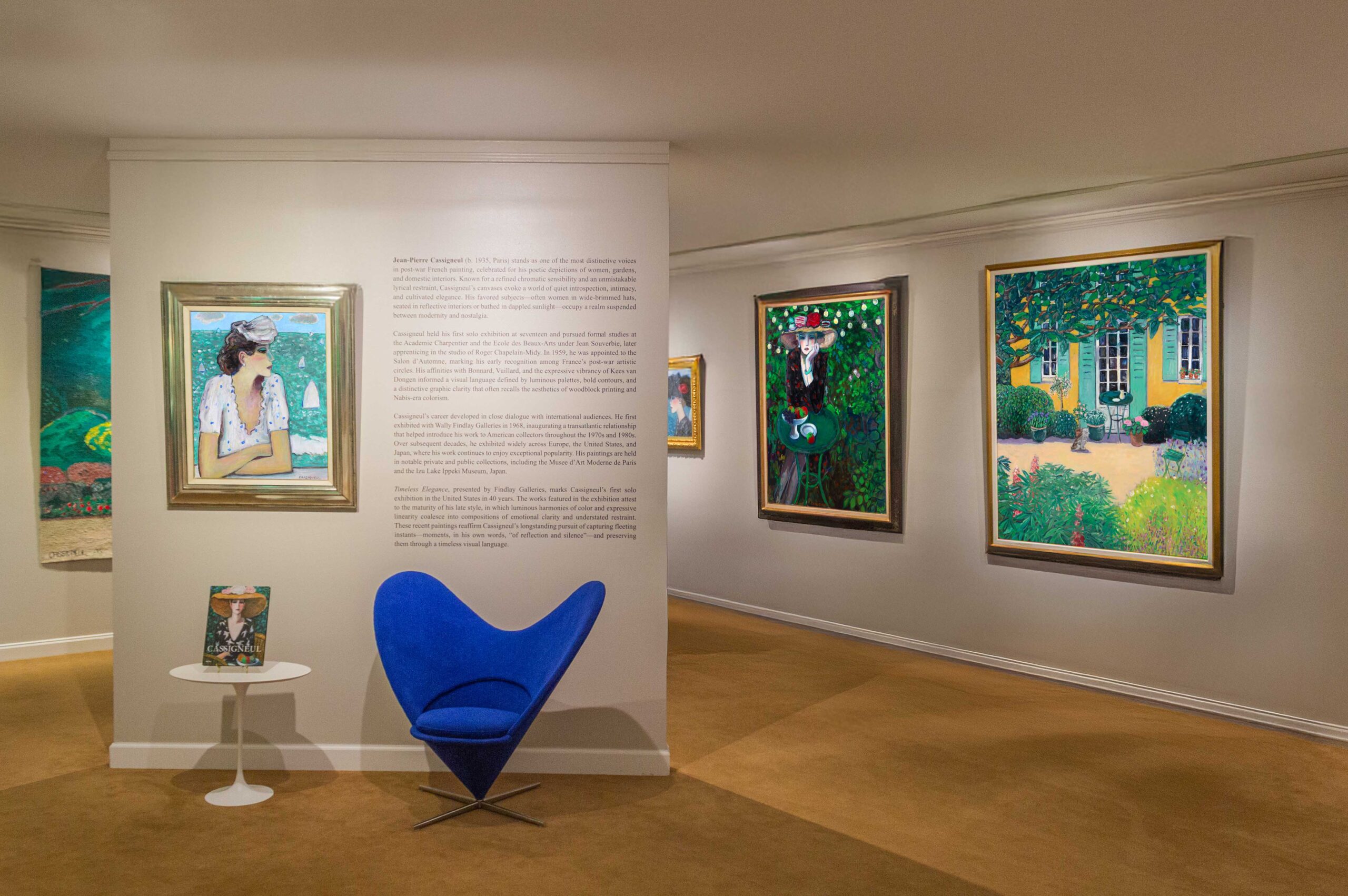
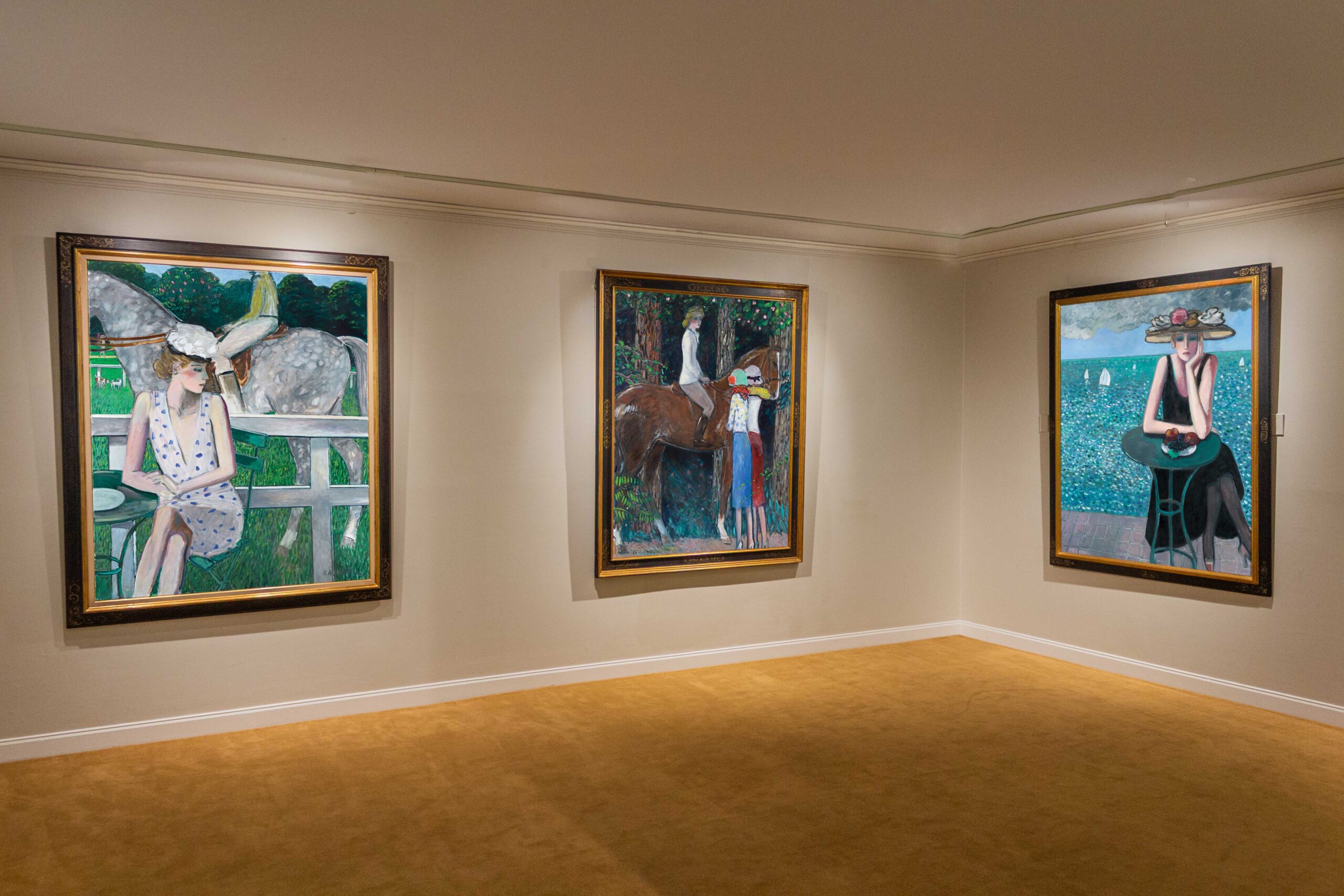
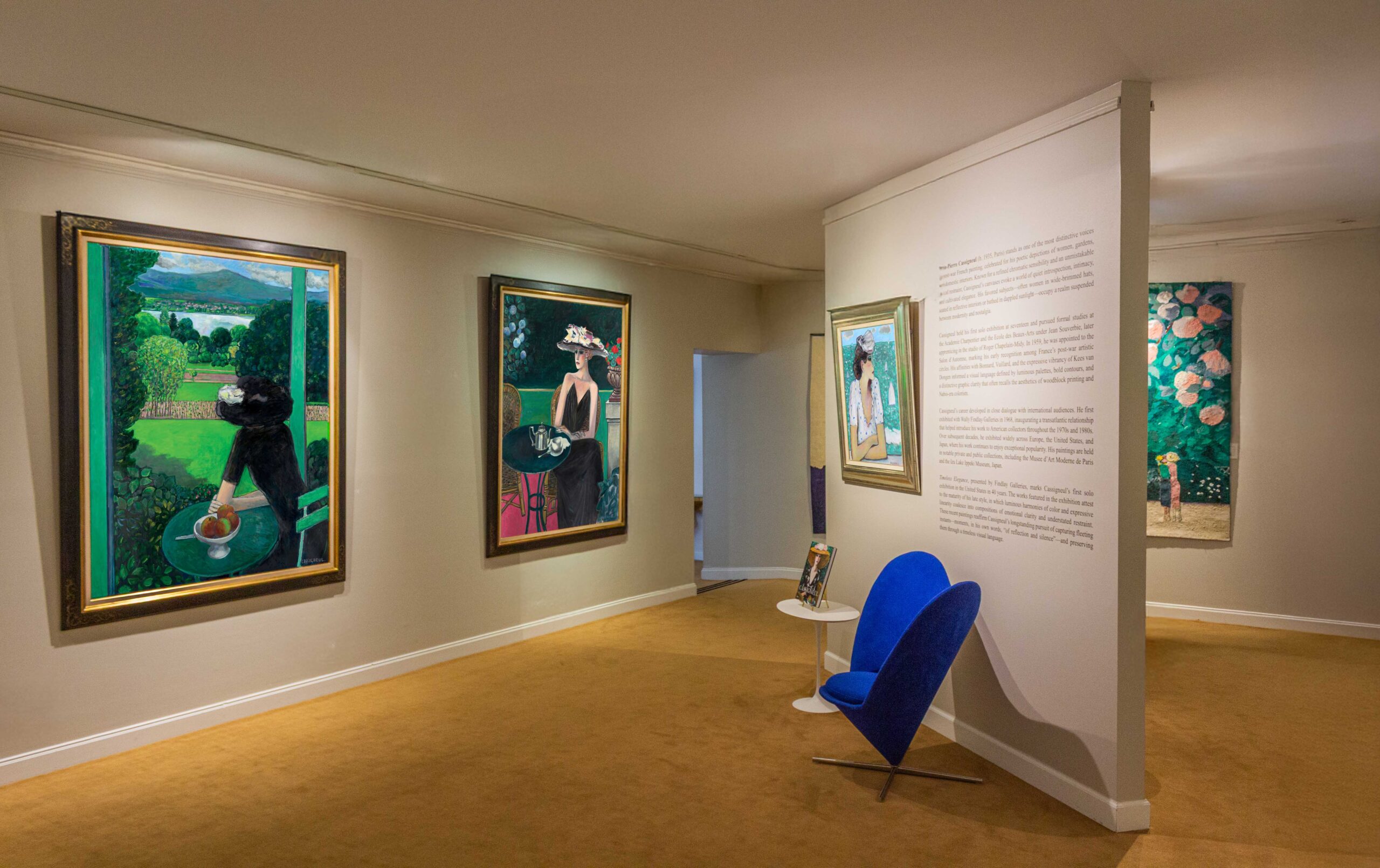
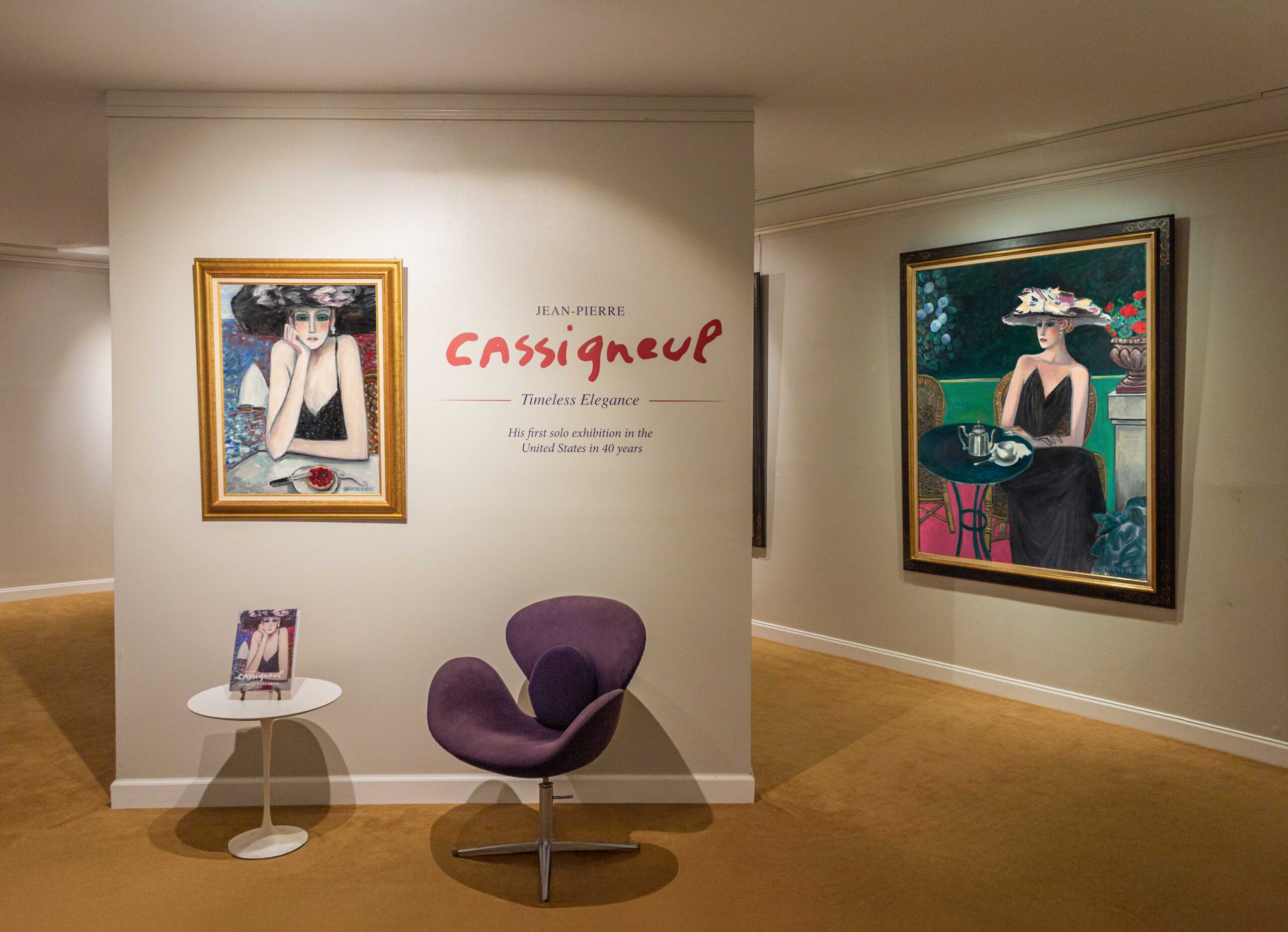
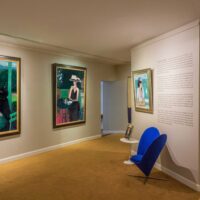
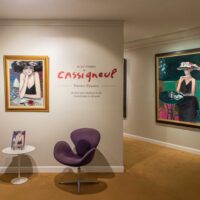
Jean-Pierre Cassigneul (b. 1935, Paris) stands as one of the most distinctive voices in post-war French painting, celebrated for his poetic depictions of women, gardens, and domestic interiors. Known for a refined chromatic sensibility and an unmistakable lyrical restraint, Cassigneul’s canvases evoke a world of quiet introspection, intimacy, and cultivated elegance. His favored subjects—often women in wide-brimmed hats, seated in reflective interiors or bathed in dappled sunlight—occupy a realm suspended between modernity and nostalgia.
Cassigneul held his first solo exhibition at seventeen and pursued formal studies at the Académie Charpentier and the École des Beaux-Arts under Jean Souverbie, later apprenticing in the studio of Roger Chapelain-Midy. In 1959, he was appointed to the Salon d’Automne, marking his early recognition among France’s post-war artistic circles. His affinities with Bonnard, Vuillard, and the expressive vibrancy of Kees van Dongen informed a visual language defined by luminous palettes, bold contours, and a distinctive graphic clarity that often recalls the aesthetics of woodblock printing and Nabis-era colorism.
Cassigneul’s career developed in close dialogue with international audiences. He first exhibited with Wally Findlay in 1968, inaugurating a transatlantic relationship that helped introduce his work to American collectors throughout the 1970s and 1980s. Over subsequent decades, he exhibited widely across Europe, the United States, and Japan, where his work continues to enjoy exceptional popularity. His paintings are held in notable private and public collections, including the Musée d’Art Moderne de Paris and the Izu Lake Ippeki Museum, Japan.
Timeless Elegance, presented by Findlay Galleries, marks Cassigneul’s first solo exhibition in the United States in 40 years. The works featured in the exhibition attest to the maturity of his late style, in which luminous harmonies of color and expressive linearity coalesce into compositions of emotional clarity and understated restraint. These recent paintings reaffirm Cassigneul’s longstanding pursuit of capturing fleeting instants—moments, in his own words, “of reflection and silence”—and preserving them through a timeless visual language.





Get in Touch
Contact your gallery to enquire about a work of art, for more information on the exhibition, or to schedule an appointment.
Amy Grantham
An Eye Made Quiet
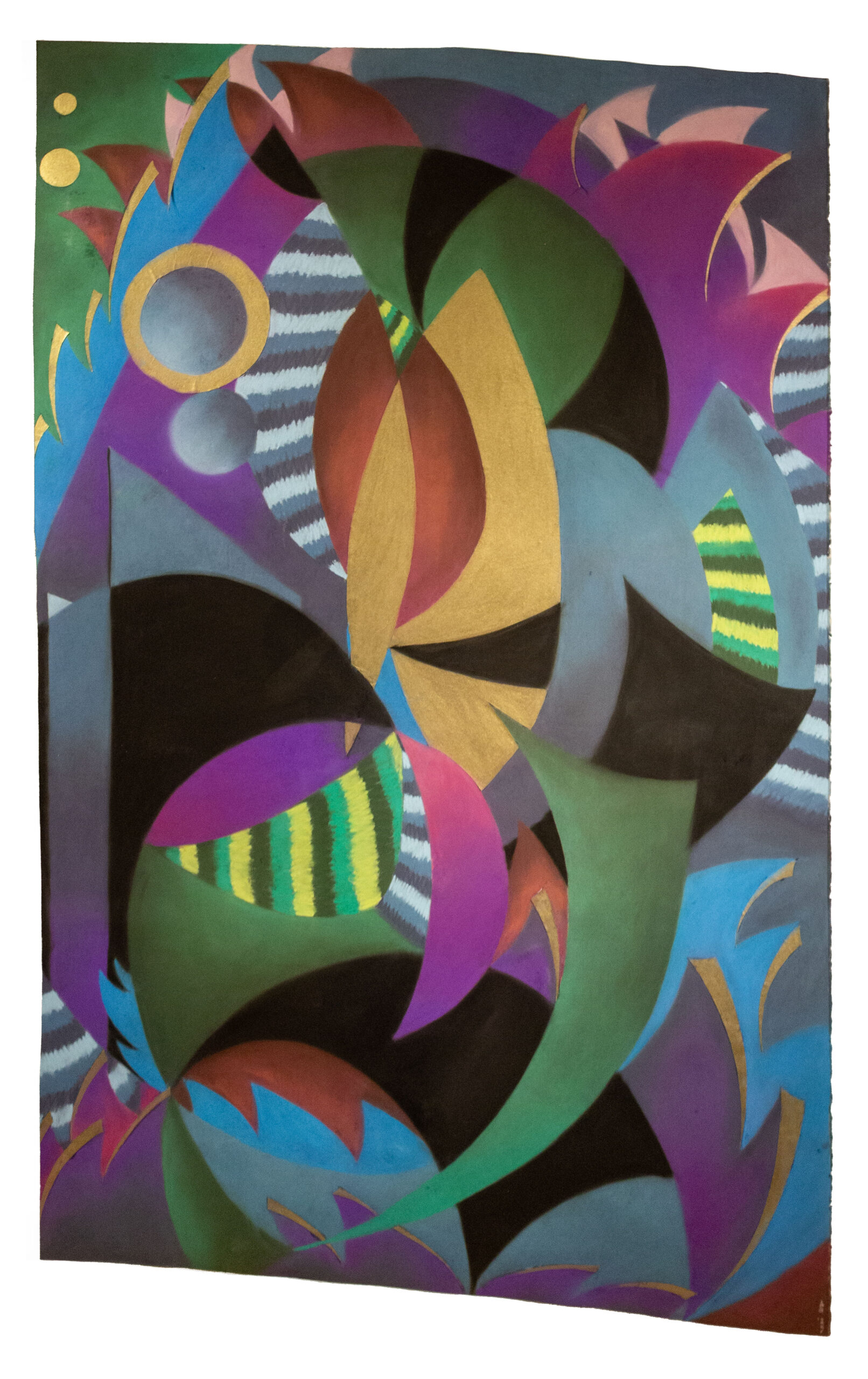
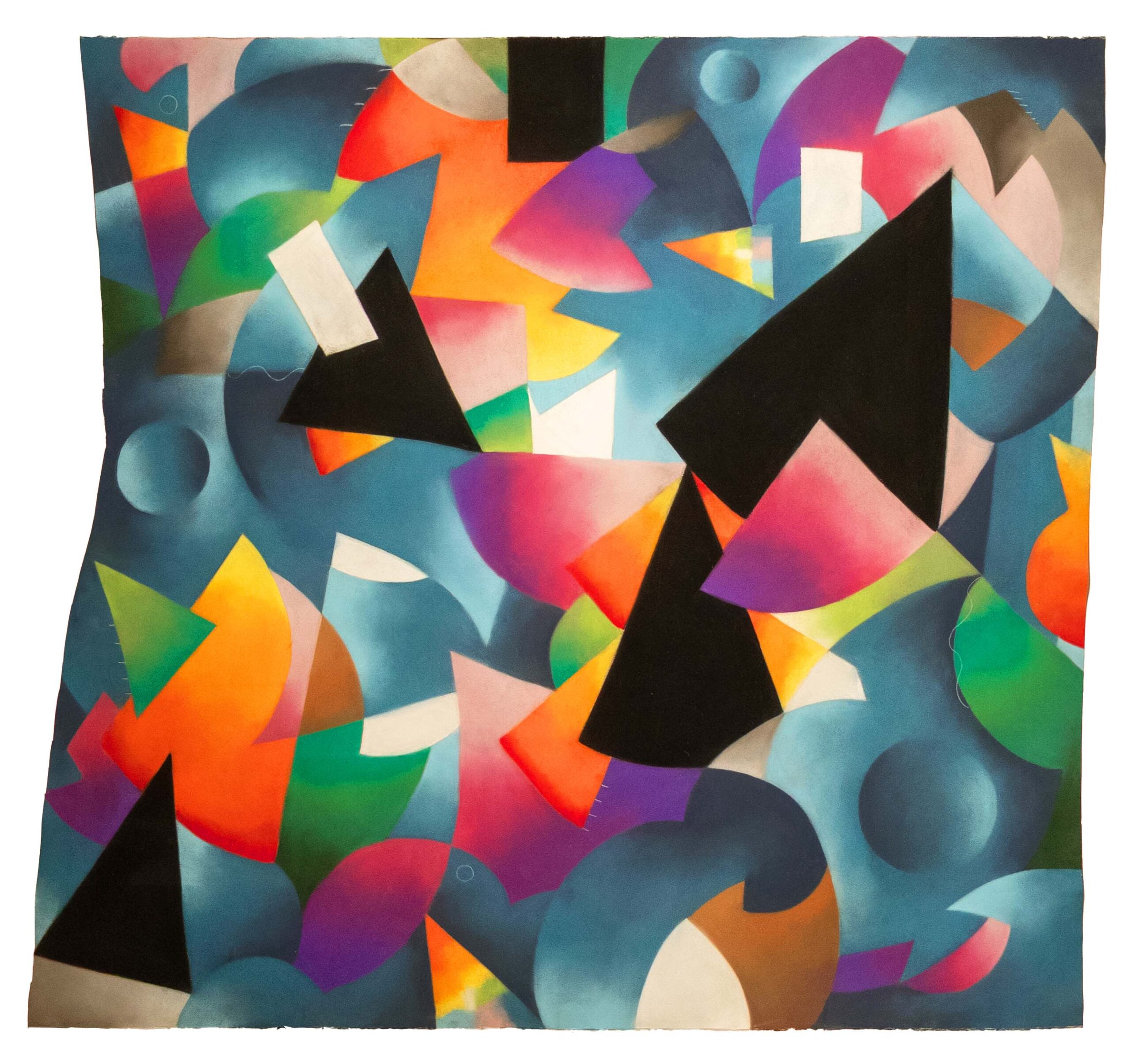
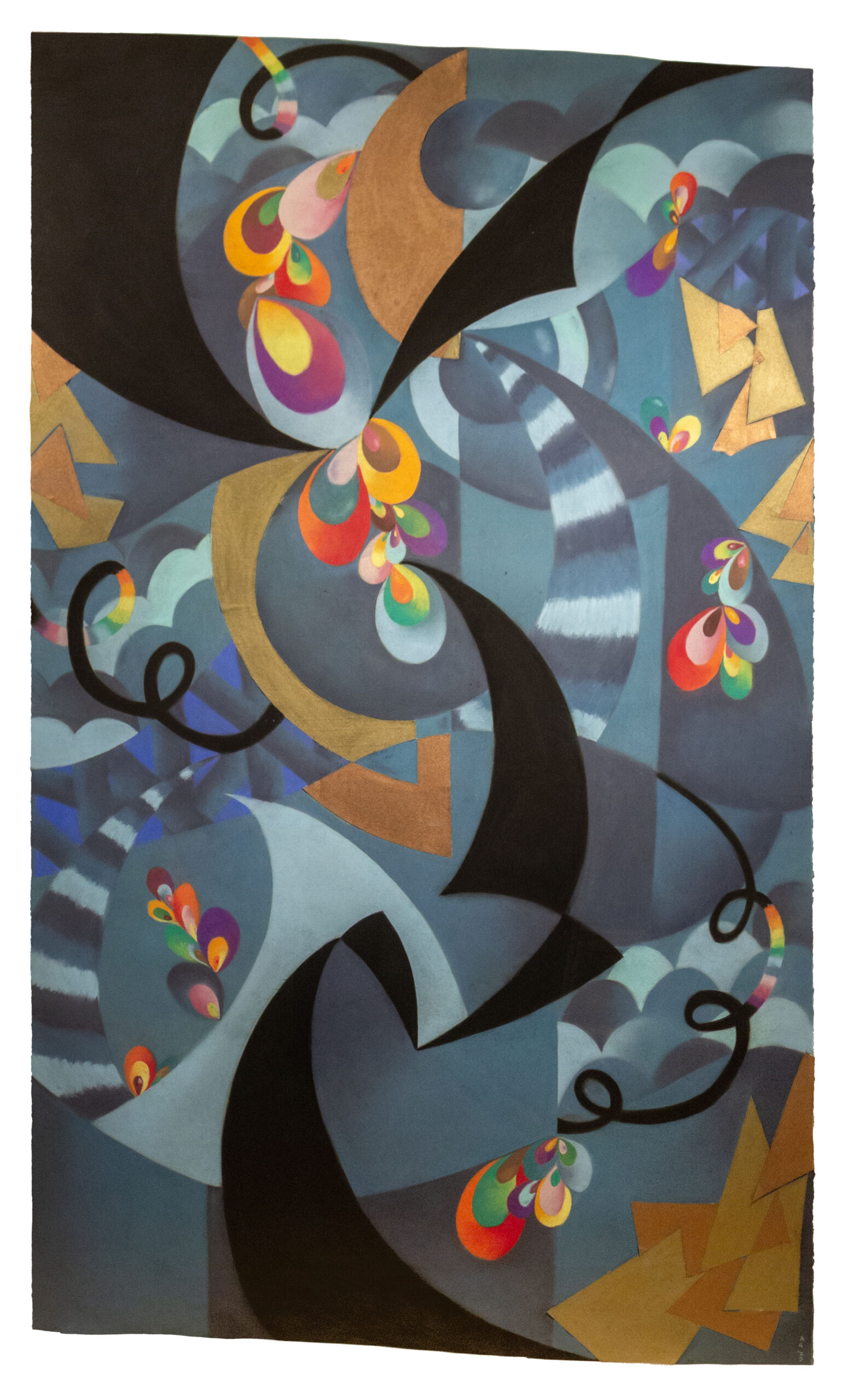
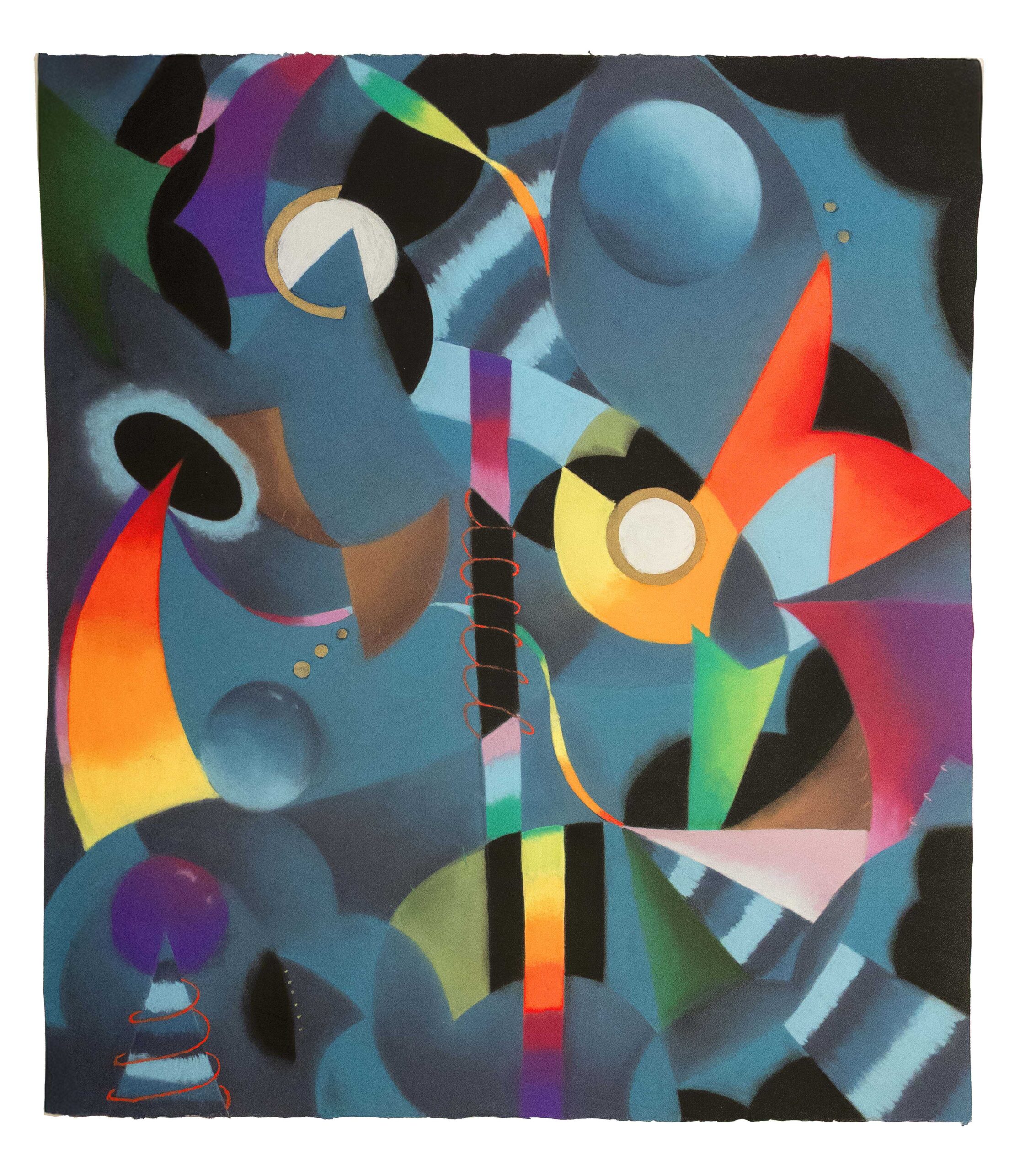
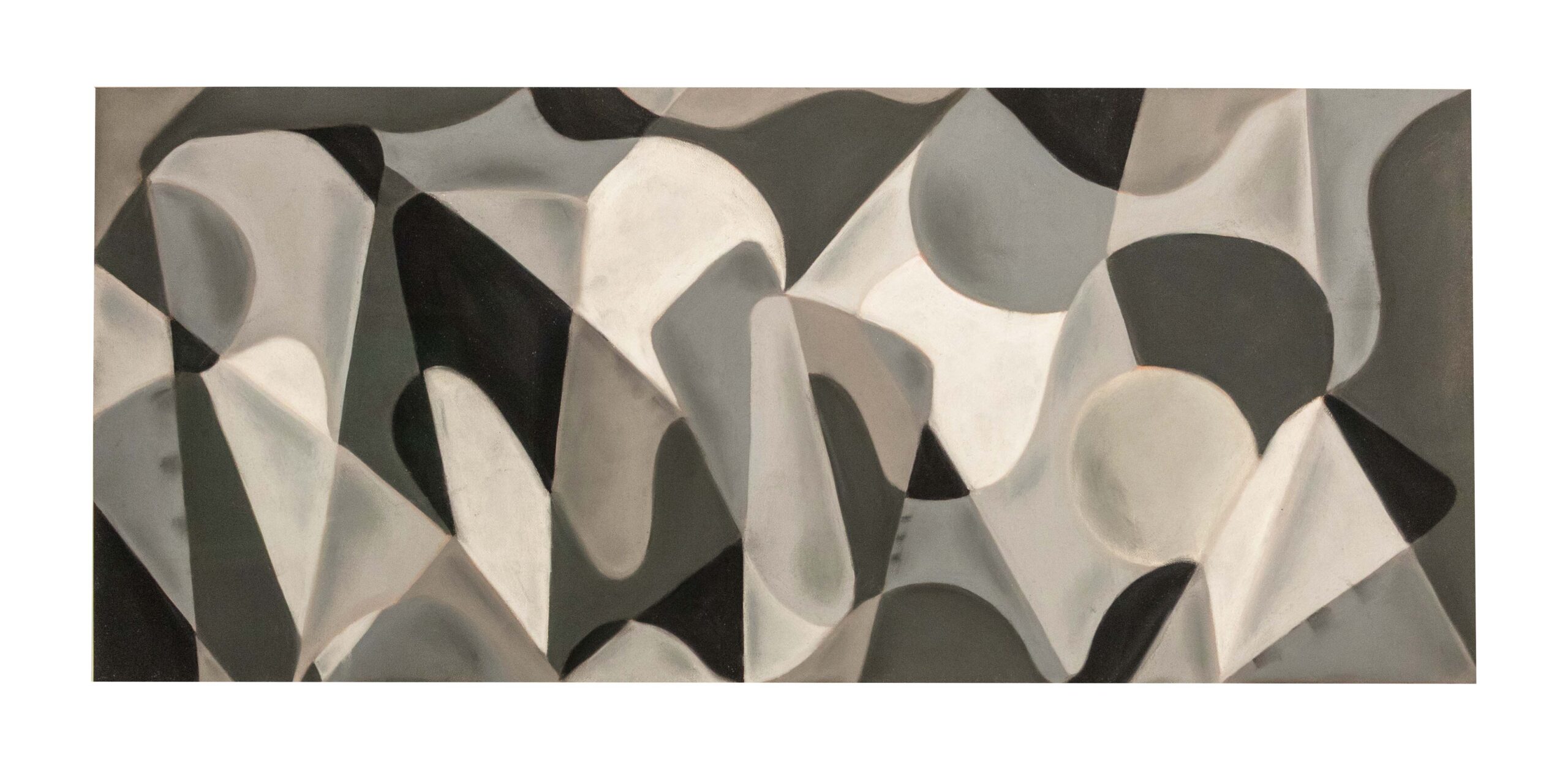
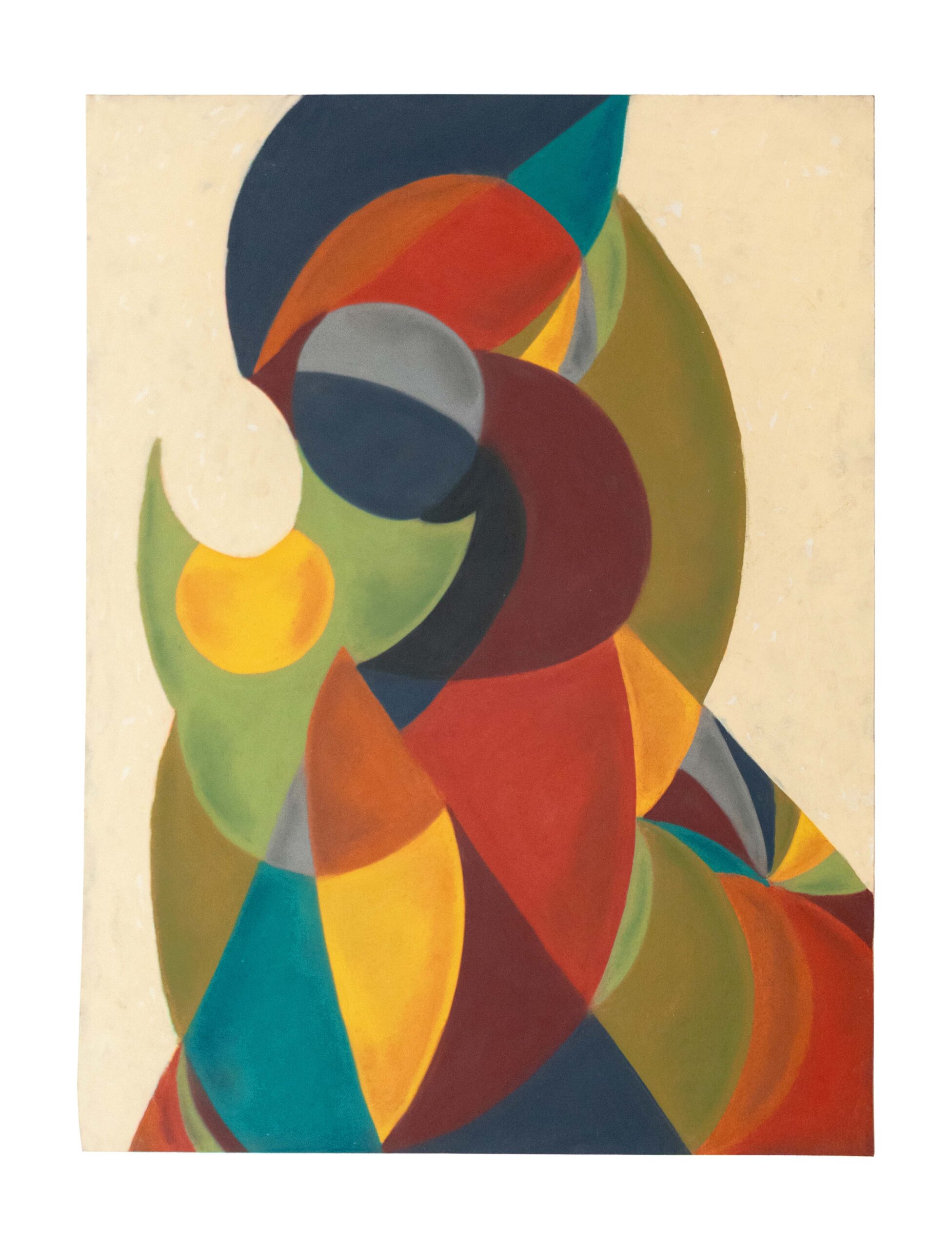
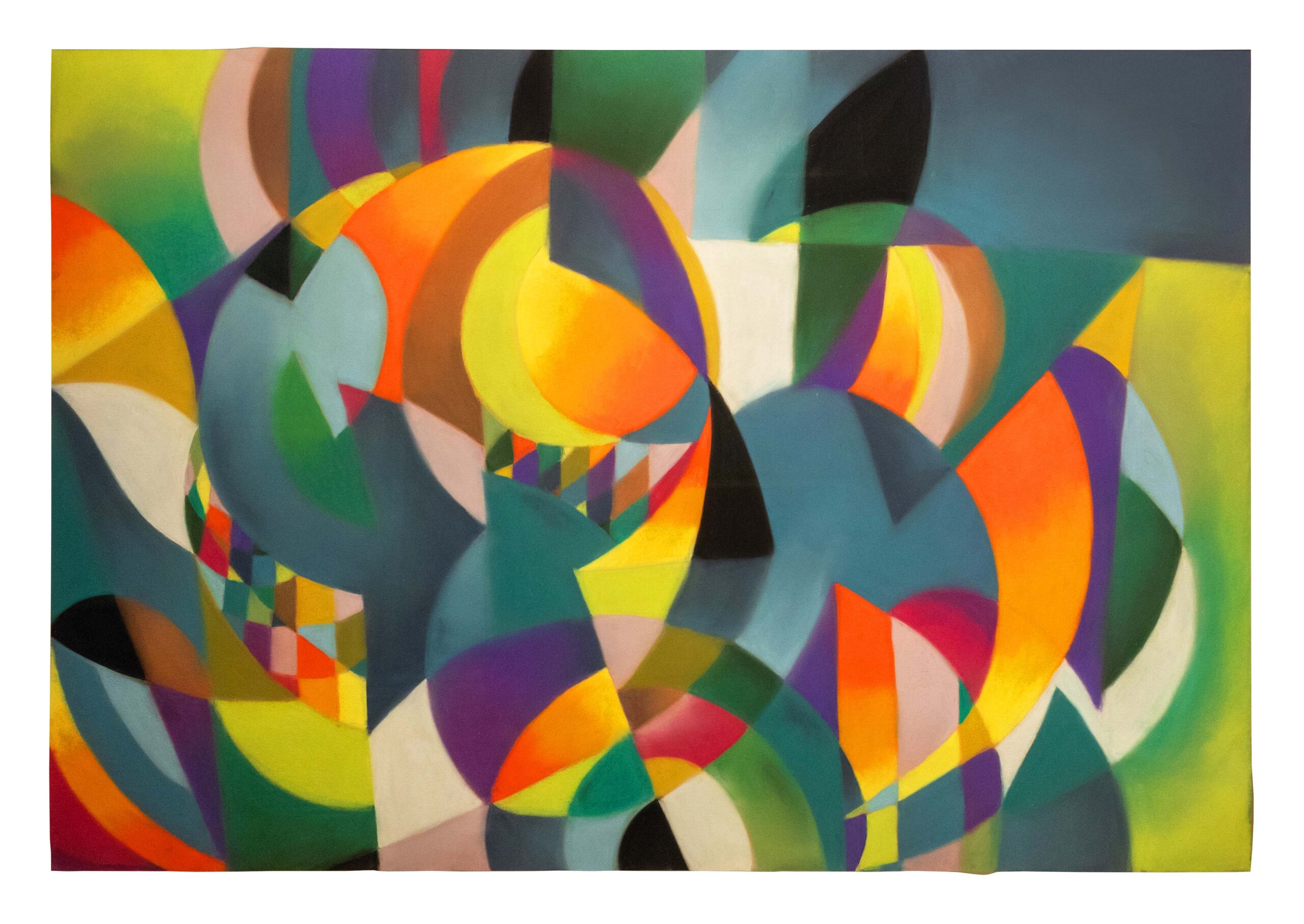
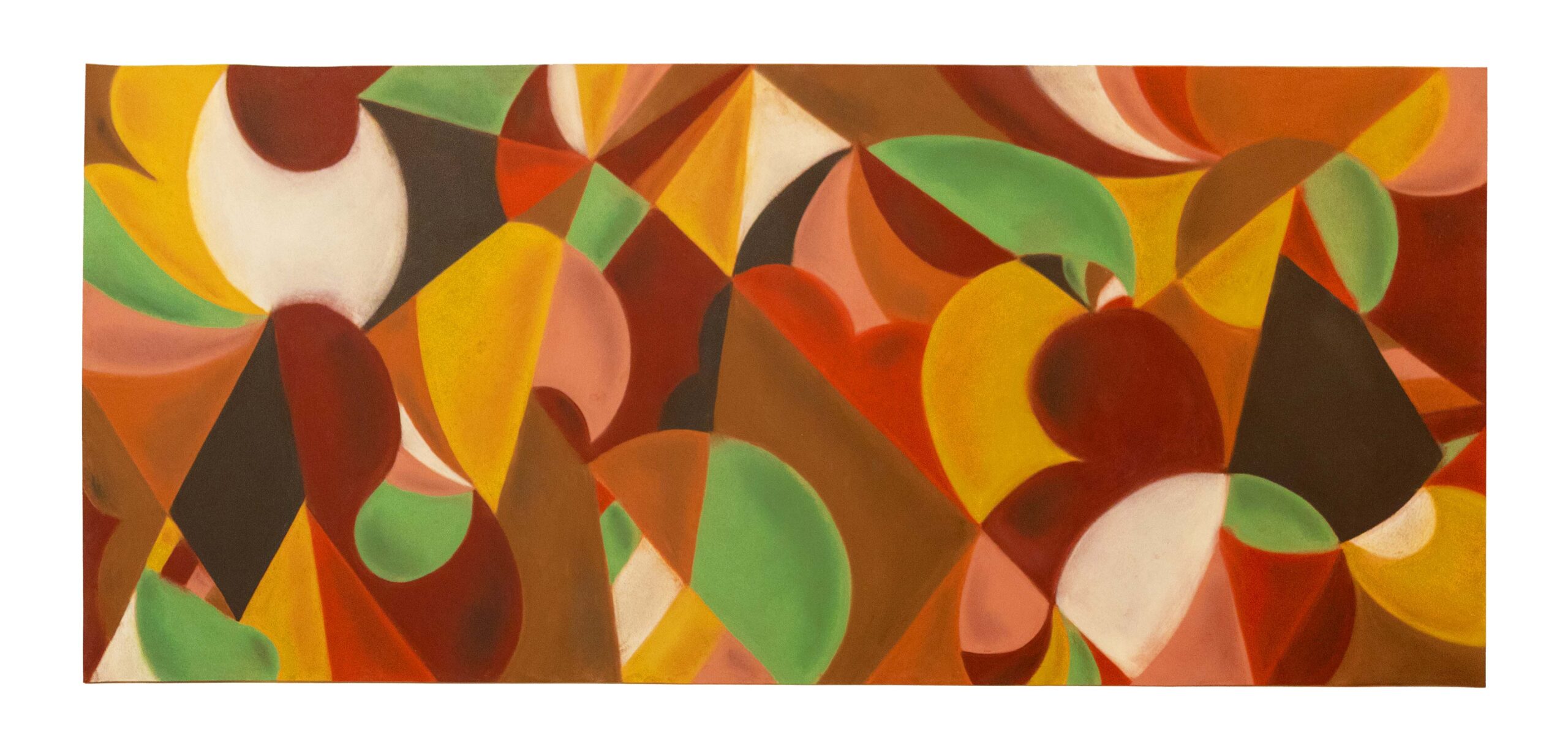
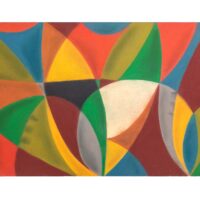
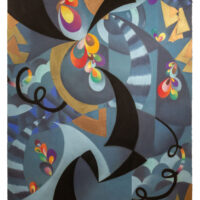
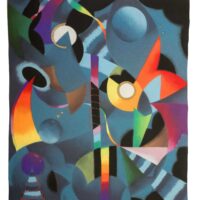
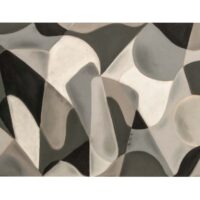
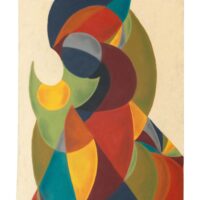
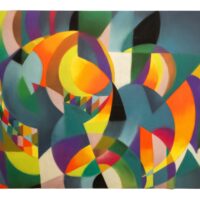
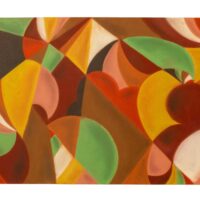
This body of work reflects years of Grantham’s engagement with Bach’s Goldberg Variations, famously interpreted by pianist Glenn Gould. The composition’s technical and emotional complexity forms the conceptual foundation for her visual response, translating contrapuntal musical structures into layered forms and harmonies of color.
While not strictly synesthetic, the works evoke an intersection of sound and image, where music becomes line, shape, and hue. Executed entirely in pastel on paper, they achieve a depth and saturation that defy expectations of the medium; from afar, one might not believe such intensity could come from pastel alone. That choice ultimately gives the series its resonance.
Influences from Orphism and Synchromism—movements adjacent to Cubism—are evident throughout, with affinities to Kandinsky adding an historical dimension to her contemporary practice. Originally from Tallahassee, Florida, Grantham now lives in New York City and works across multiple media, including acrylic, watercolor, collage, and photography.

Get in Touch
Contact your gallery to enquire about a work of art, for more information on the exhibition, or to schedule an appointment.
New York
Chuang Che
Rediscovered Works
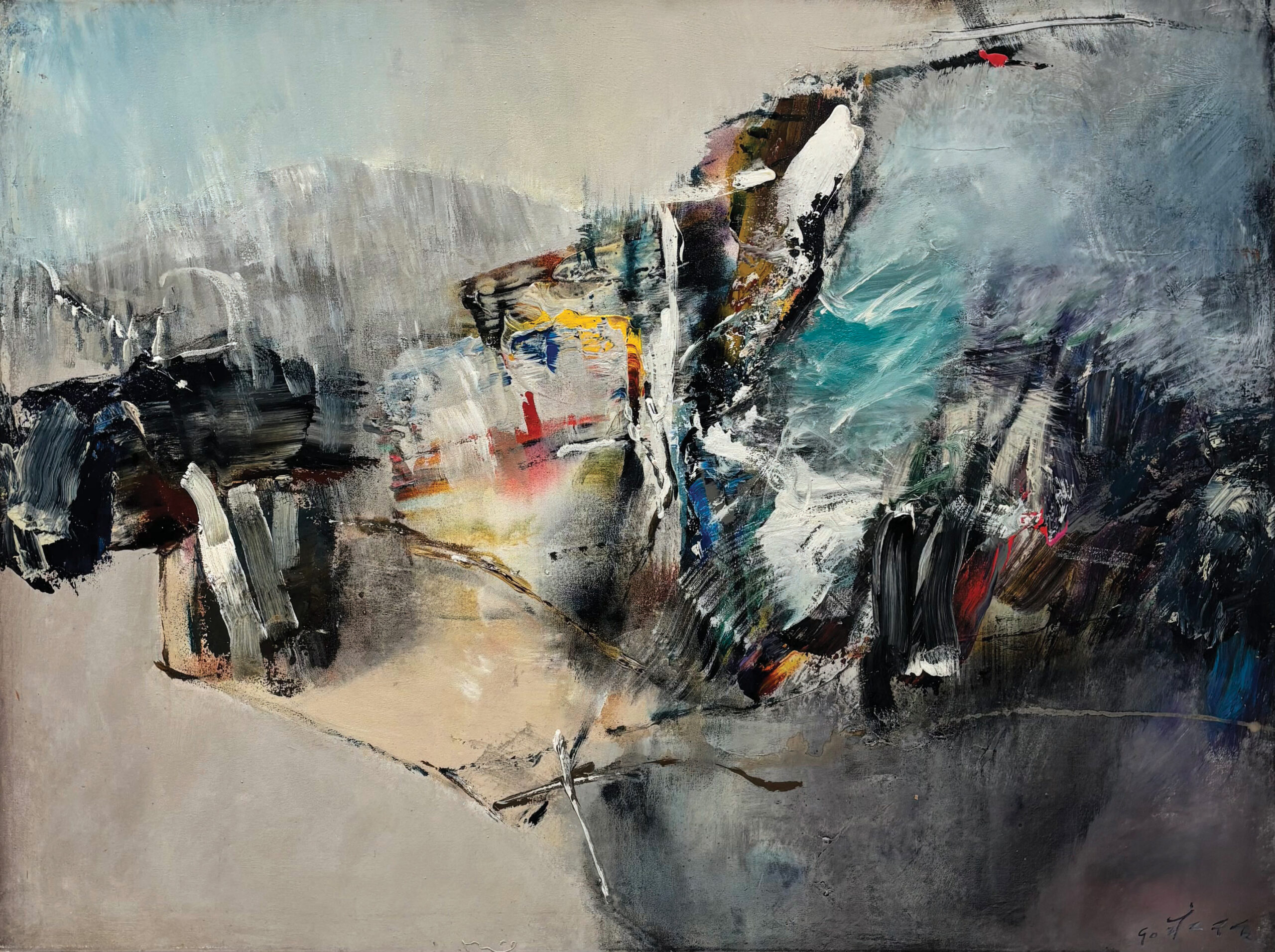
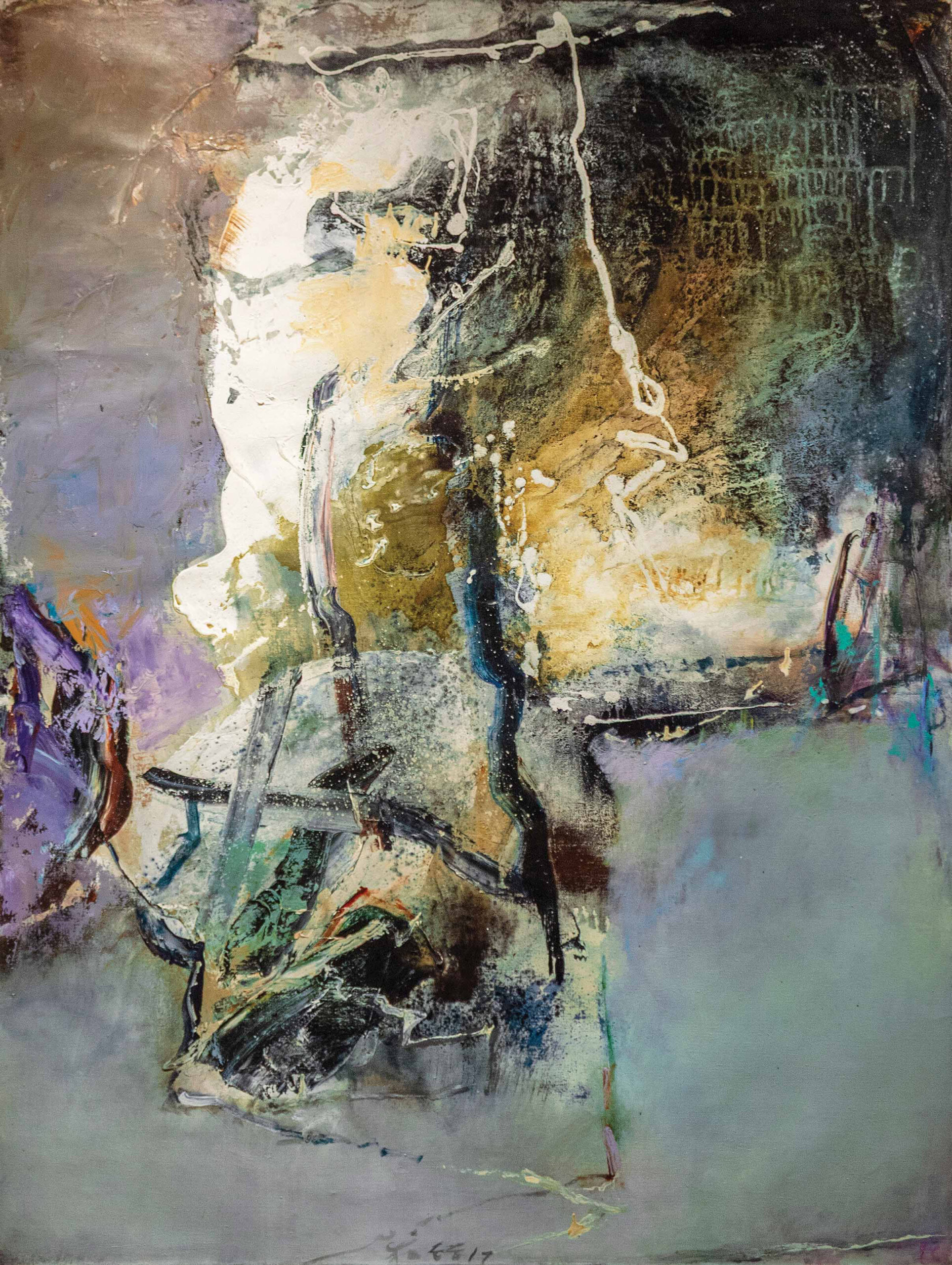
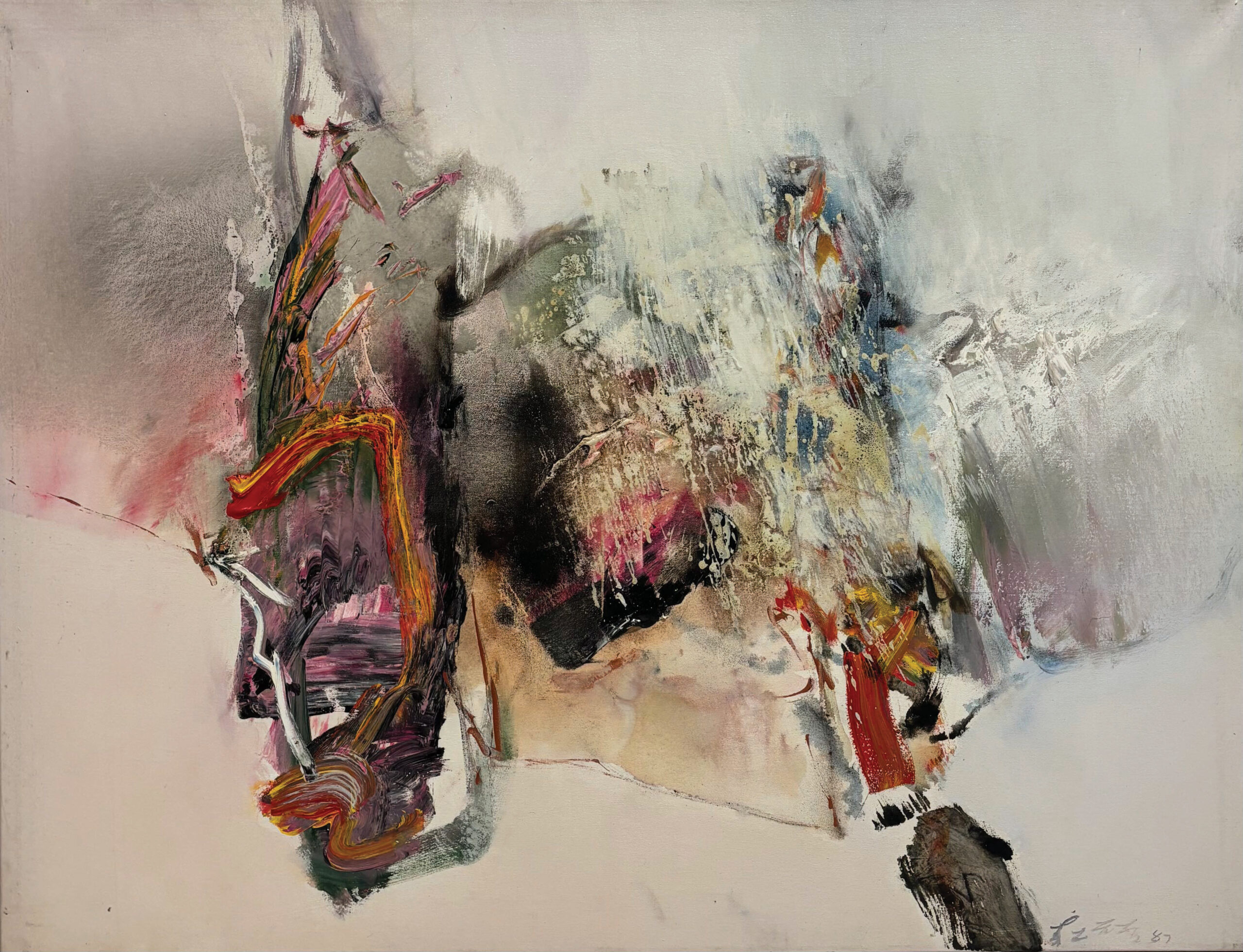
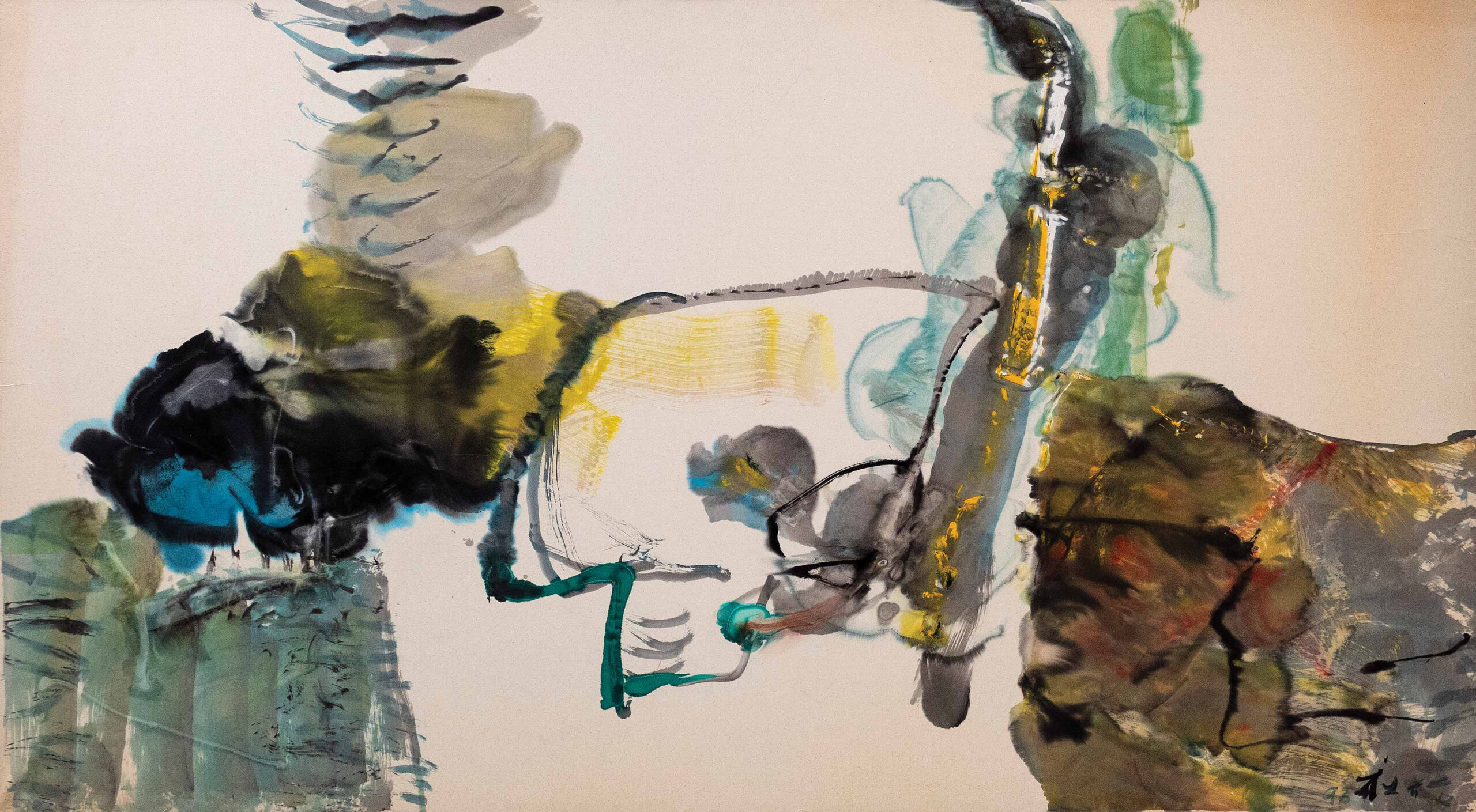
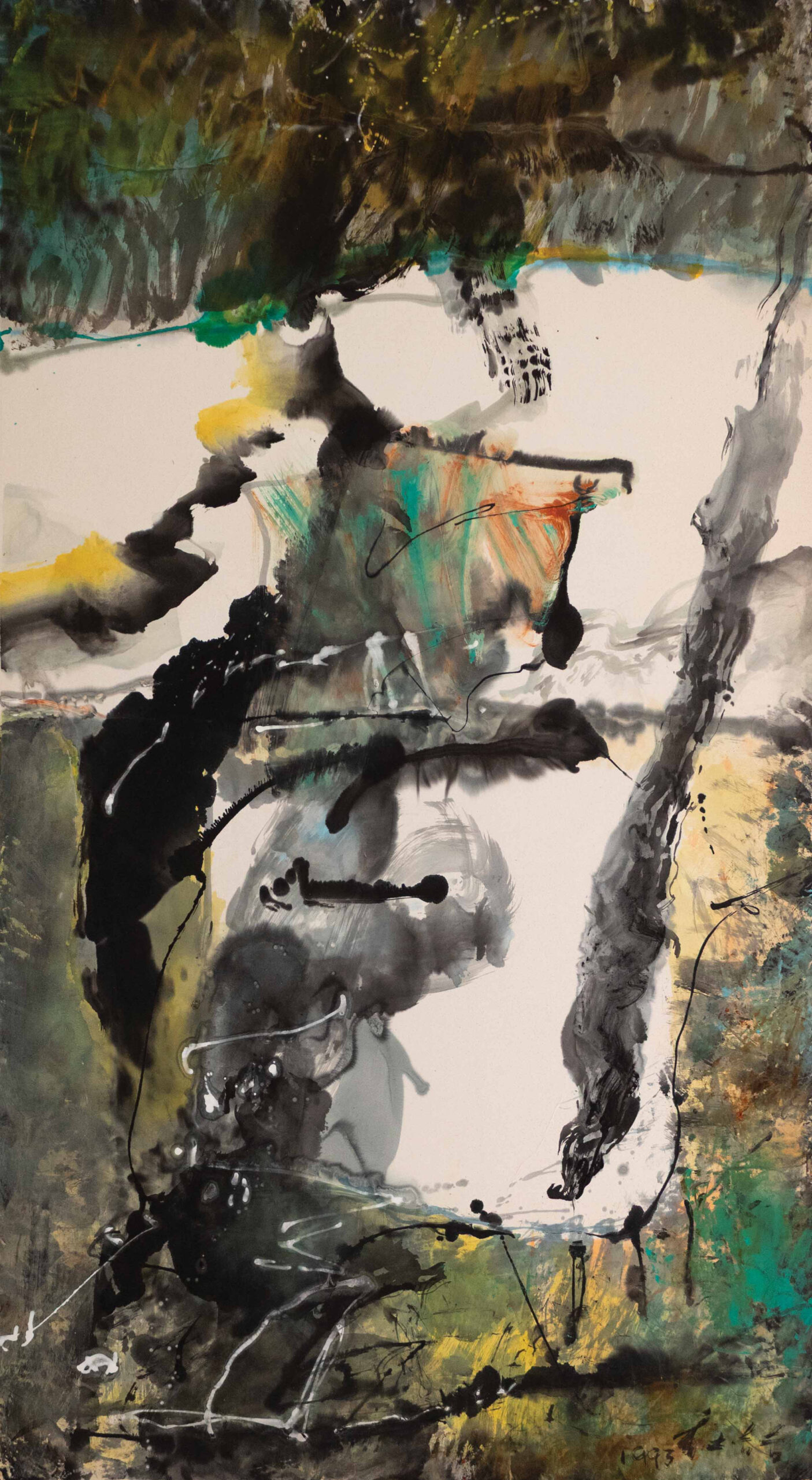
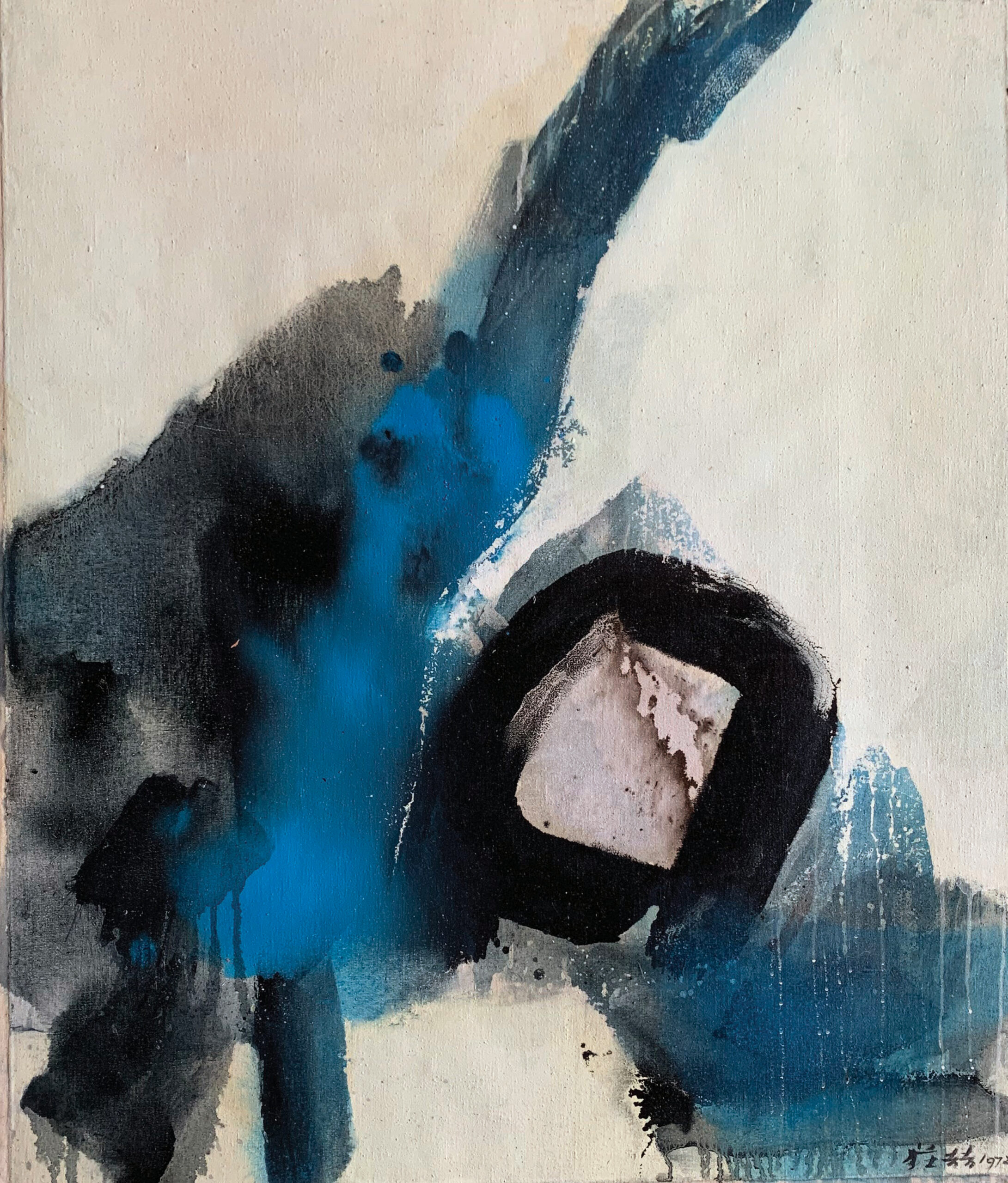
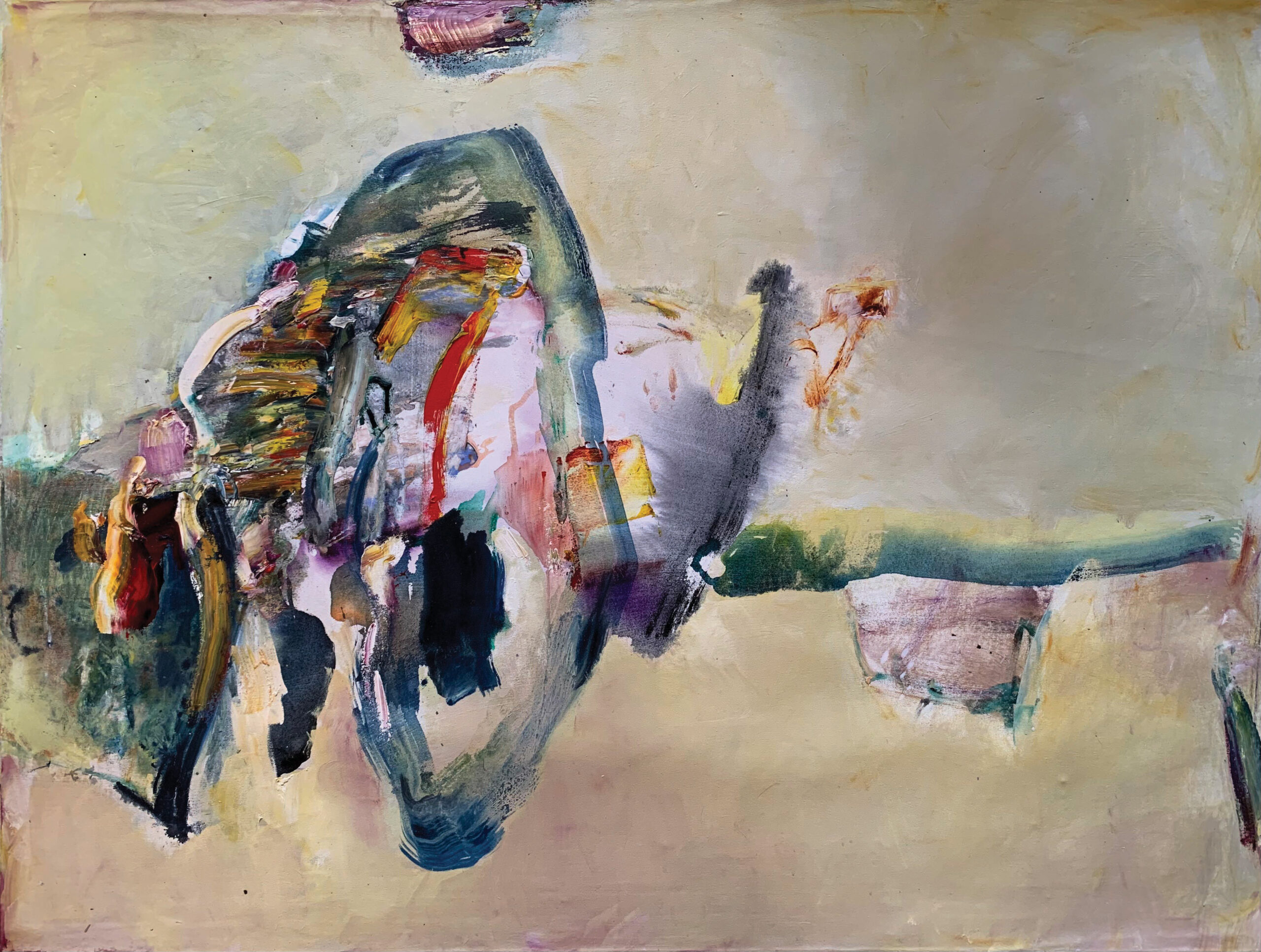
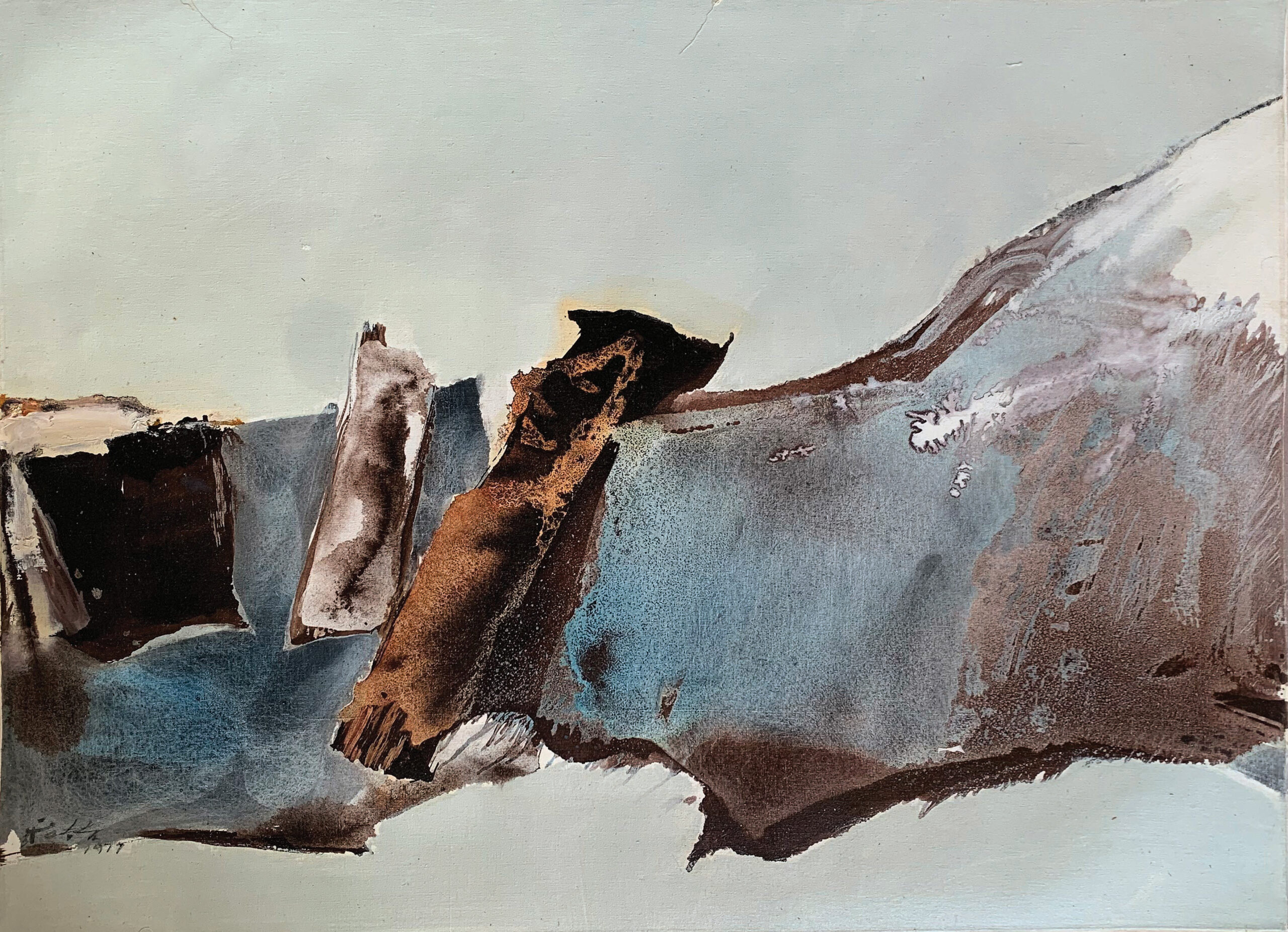
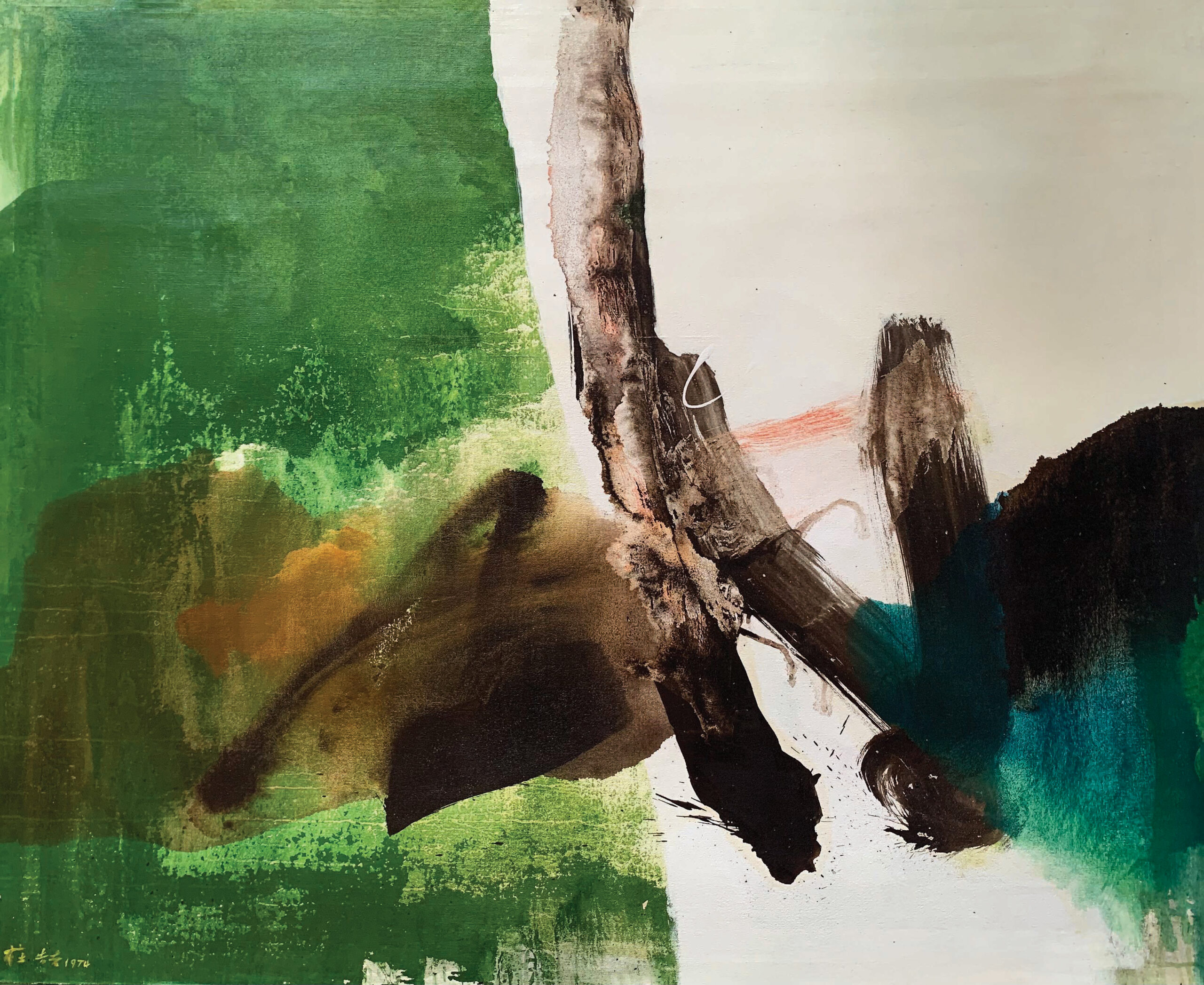
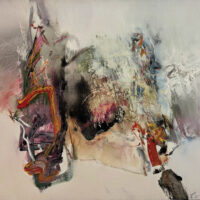
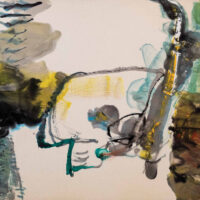
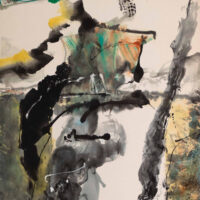
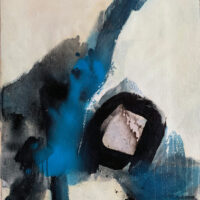
Born in Peiping (now Beijing) in 1934, Chuang Che established an international reputation for his innovative synthesis of Eastern and Western painting traditions. The son of renowned scholar, calligrapher, and Palace Museum director Chuang Yen, he was introduced to classical Chinese painting and calligraphy at an early age. After completing his studies in the Fine Arts Department at National Taiwan Normal University from 1954 to 1957, Che received a J.D. Rockefeller III Fund travel grant in 1966 that enabled him to study in the United States and travel throughout Europe. In 1973, he and his wife moved to the United States, settling first in Ann Arbor, Michigan, before relocating to Yonkers, near New York City, in 1987. His paintings are now held in numerous international museum collections, including the Cleveland Museum of Art, Detroit Institute of Arts, Shanghai Art Museum, Centre Pompidou in Paris, the Hong Kong Museum of Art, the Musée Cernuschi in Paris, and the Spencer Museum of Art in Lawrence, Kansas.
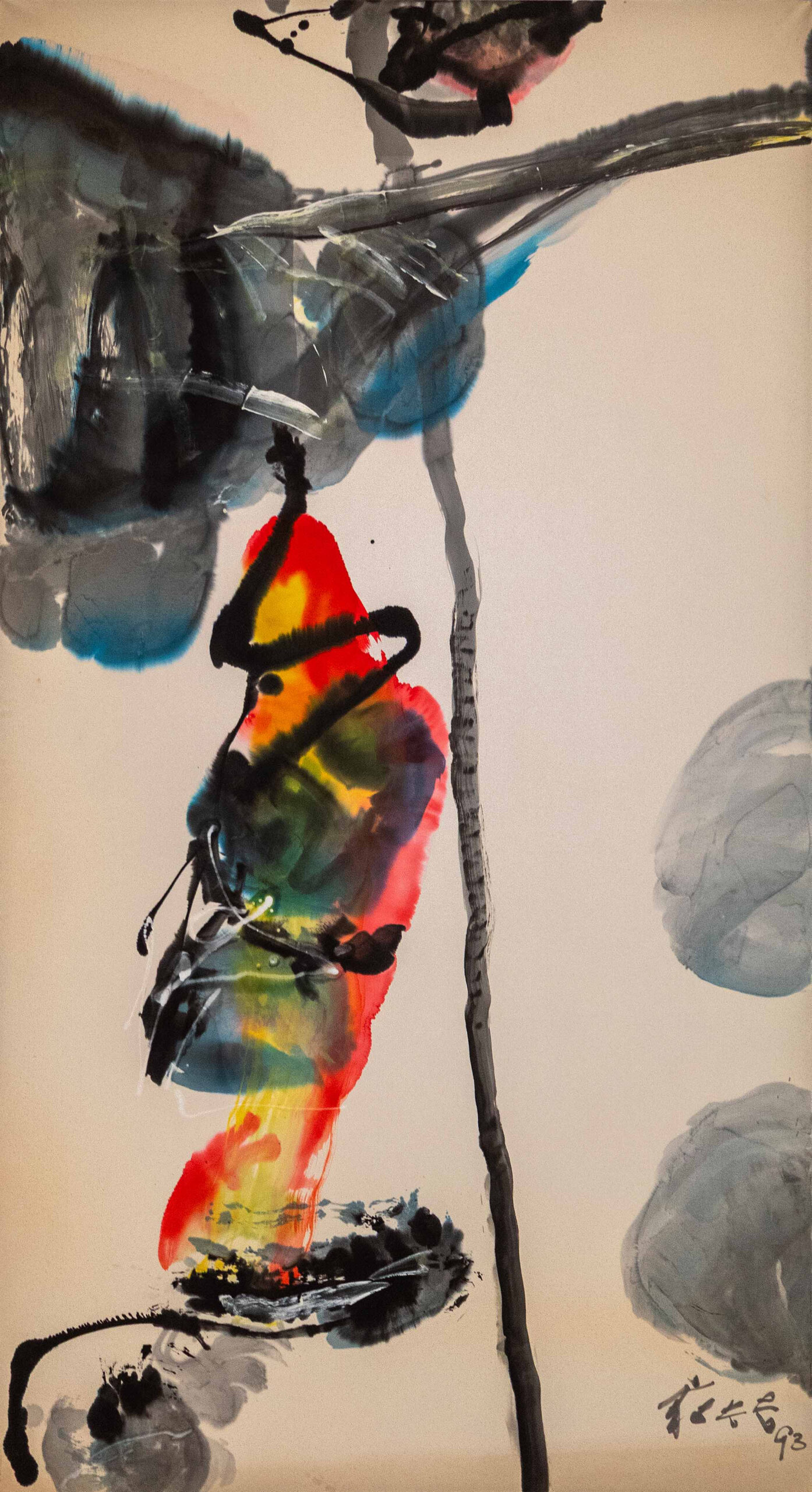
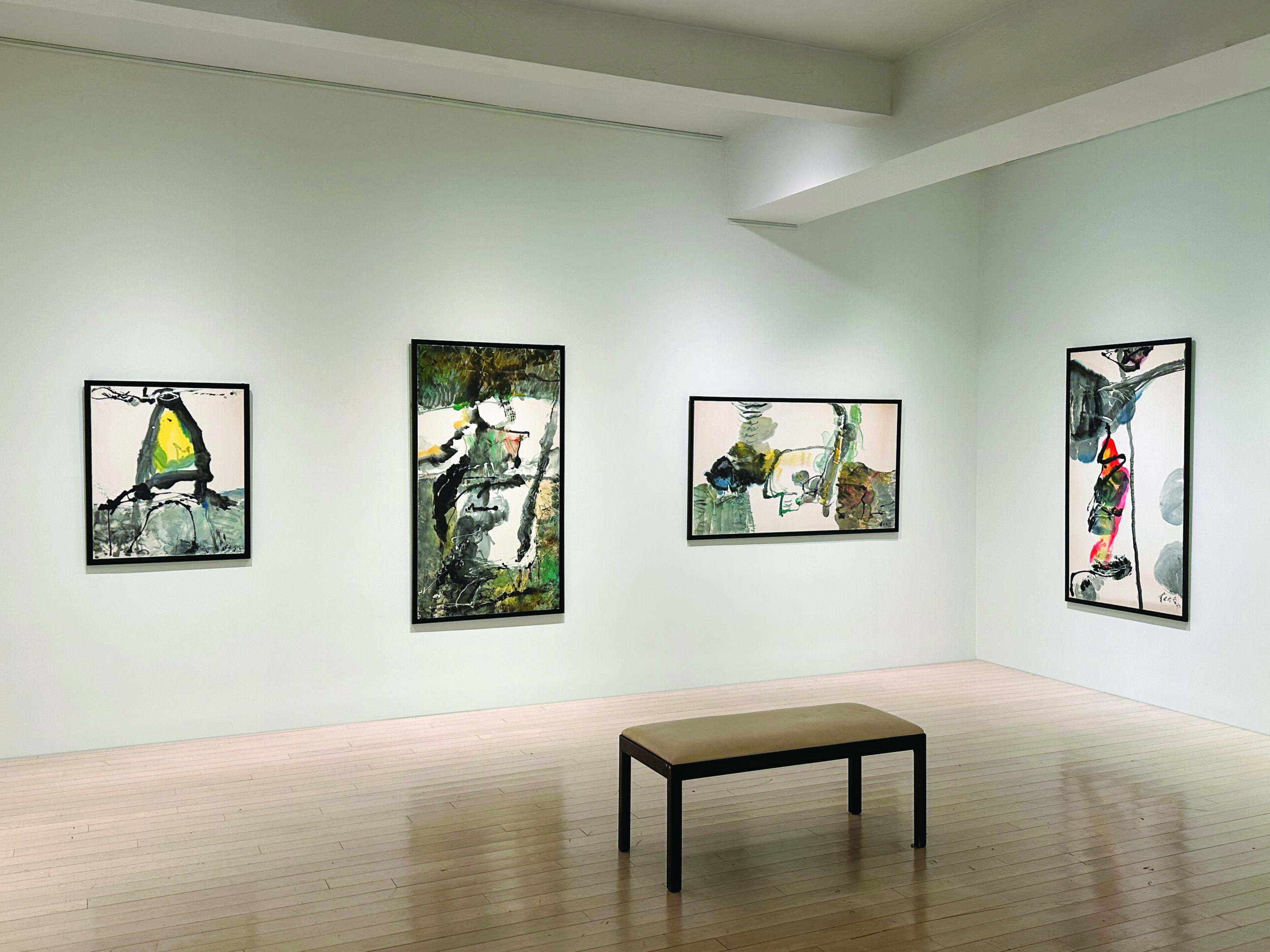
In Che’s work, elegant and spontaneous lines derived from Chinese calligraphy merge with broad gestural brushwork, spatters, and drips influenced by Abstract Expressionism. His palette—burnt umber, emerald green, lavender, and turquoise blue, animated by sweeping black lines—evokes the rhythms and forms of the natural world. As the artist has observed: “Through daily contact and experience, the brush strokes and script variations in calligraphy have now become a part of my creative soul. What I want to do is to rediscover the original nature of calligraphy. Wouldn’t it be truly magnificent to use the strokes of the running cursive to depict the mountains and rivers?”
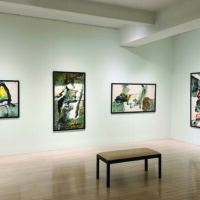
Findlay Galleries is proud to debut nine monumental works on paper by Chuang Che, exhibited here publicly for the first time. Created in 1993, these works were carefully set aside by the artist soon after their completion and remained unseen for more than three decades until their recent rediscovery during a visit to his home. Their vibrant colors remain in pristine condition, retaining a striking immediacy: pigment surges, pools, and disperses with elemental force as dense formations of black and charcoal are balanced by luminous passages of turquoise, mineral green, and flashes of yellow that animate the surface.
Here, gesture becomes structure. Calligraphic arcs sweep across the paper or dissolve into atmospheric washes, while saturated passages yield to translucency, allowing the ground to breathe. Forms evoke stone, water, and shifting terrain without becoming descriptive, emerging and receding in a dynamic interplay of mass and void. Monumental in scale and presence, these works stand as fully realized statements—records of speed, pressure, and movement that preserve a vivid energy held in suspension, at once controlled and spontaneous, lyrical and commanding.
Get in Touch
Contact your gallery to enquire about a work of art, for more information on the exhibition, or to schedule an appointment.
Robert Natkin
(1930-2010)
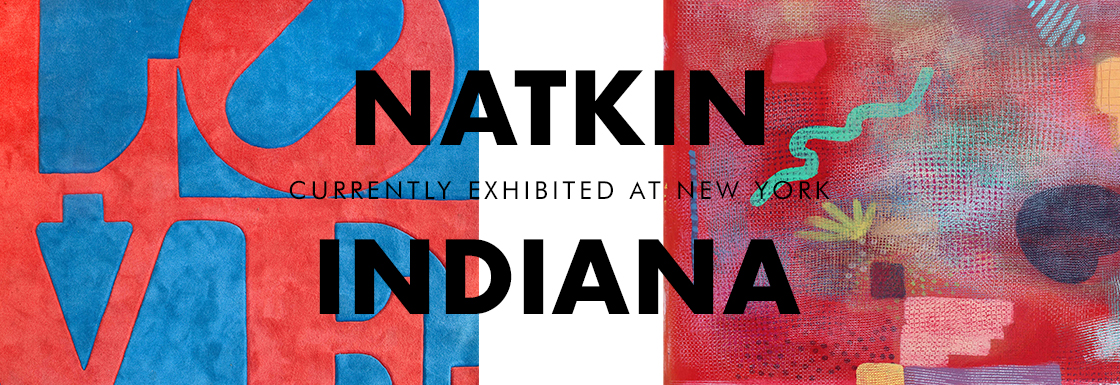
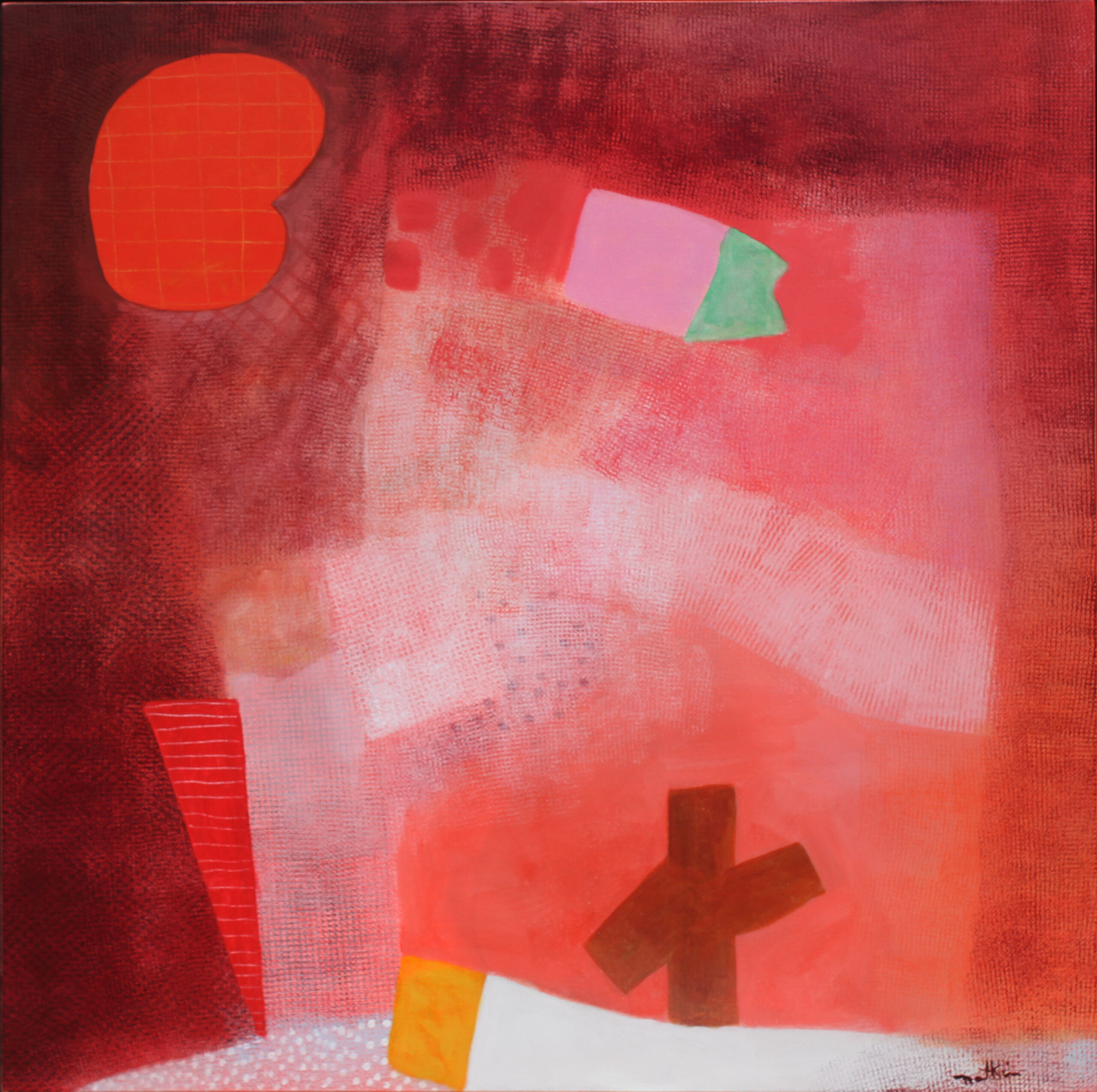
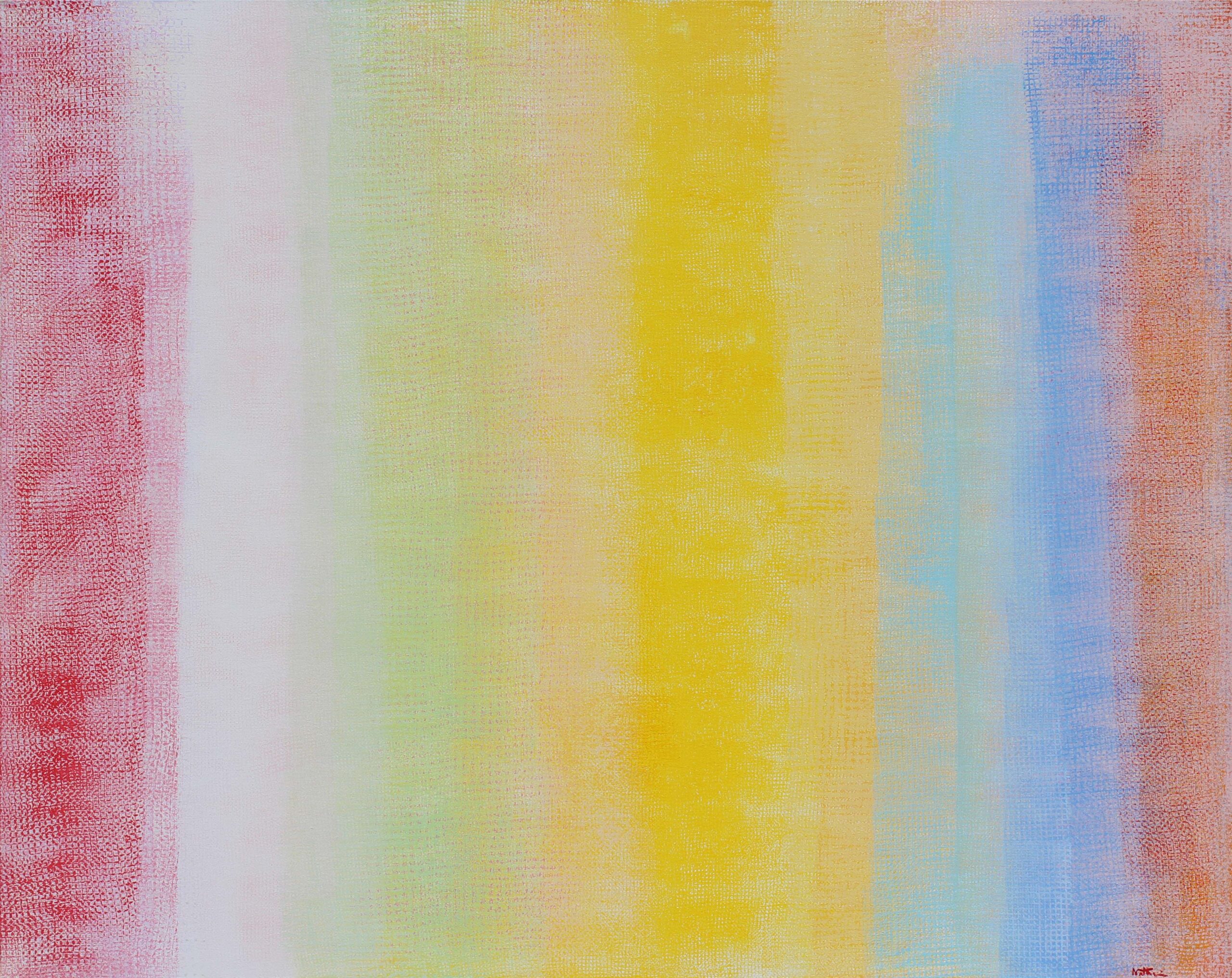
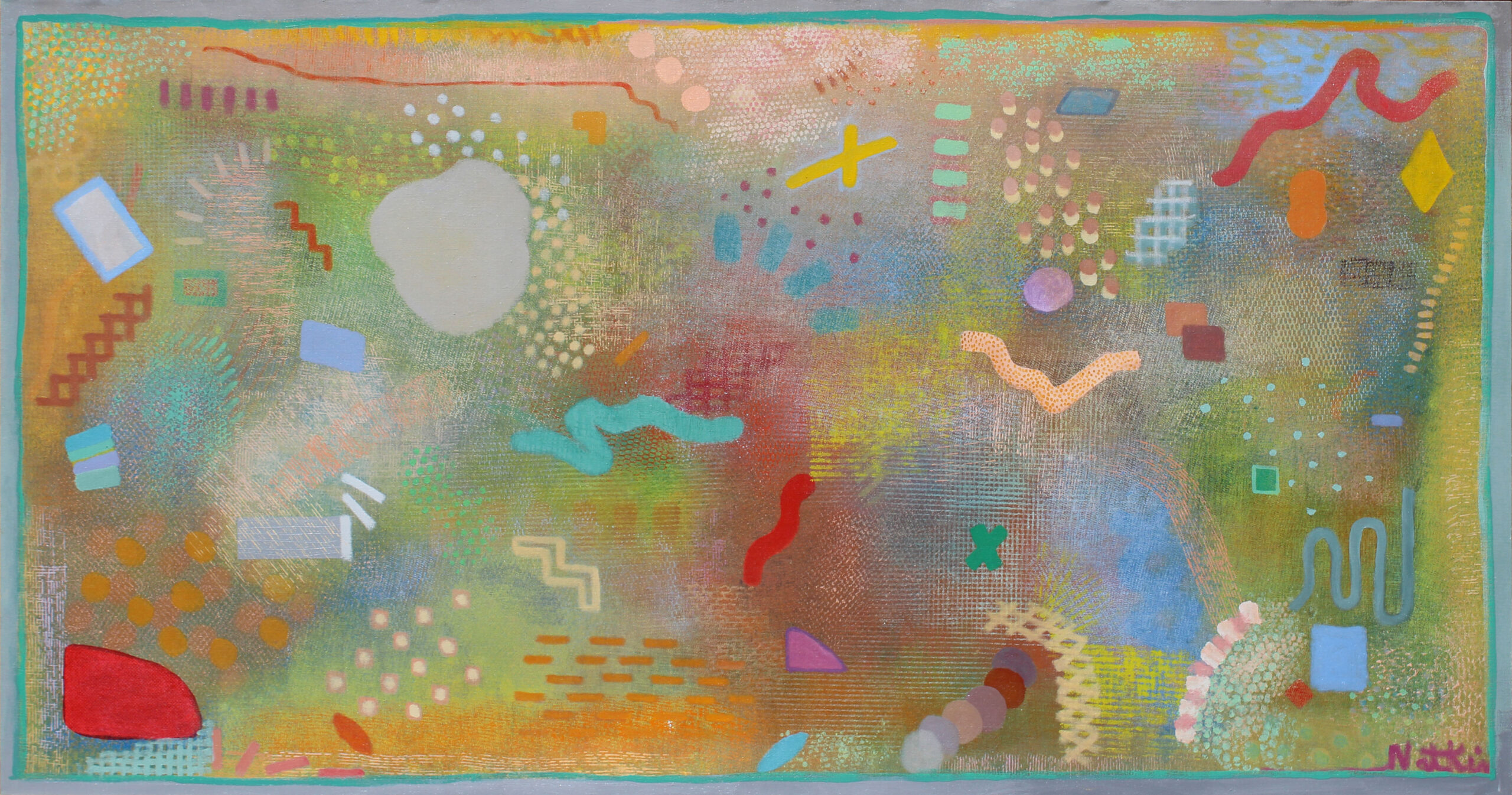
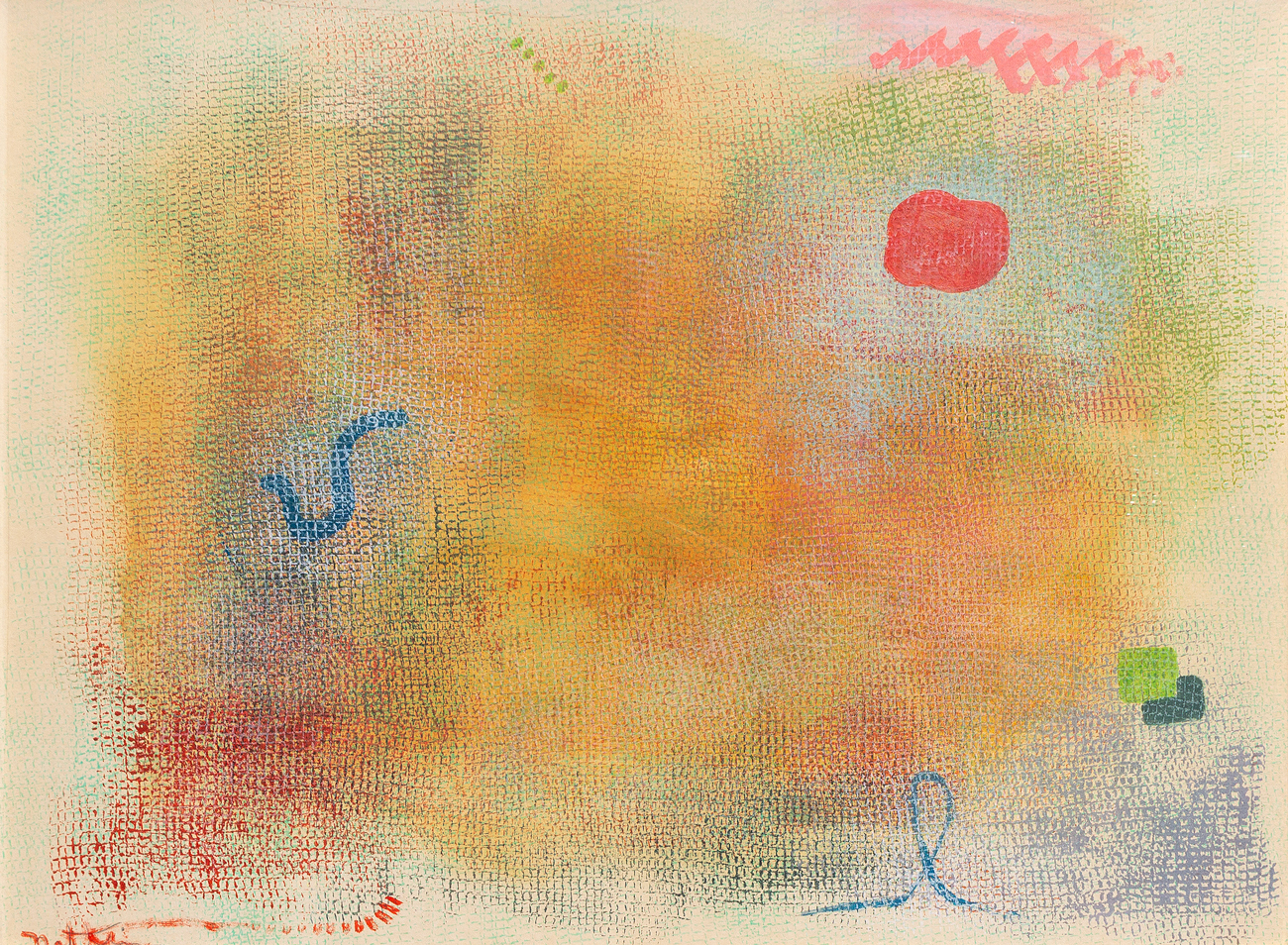
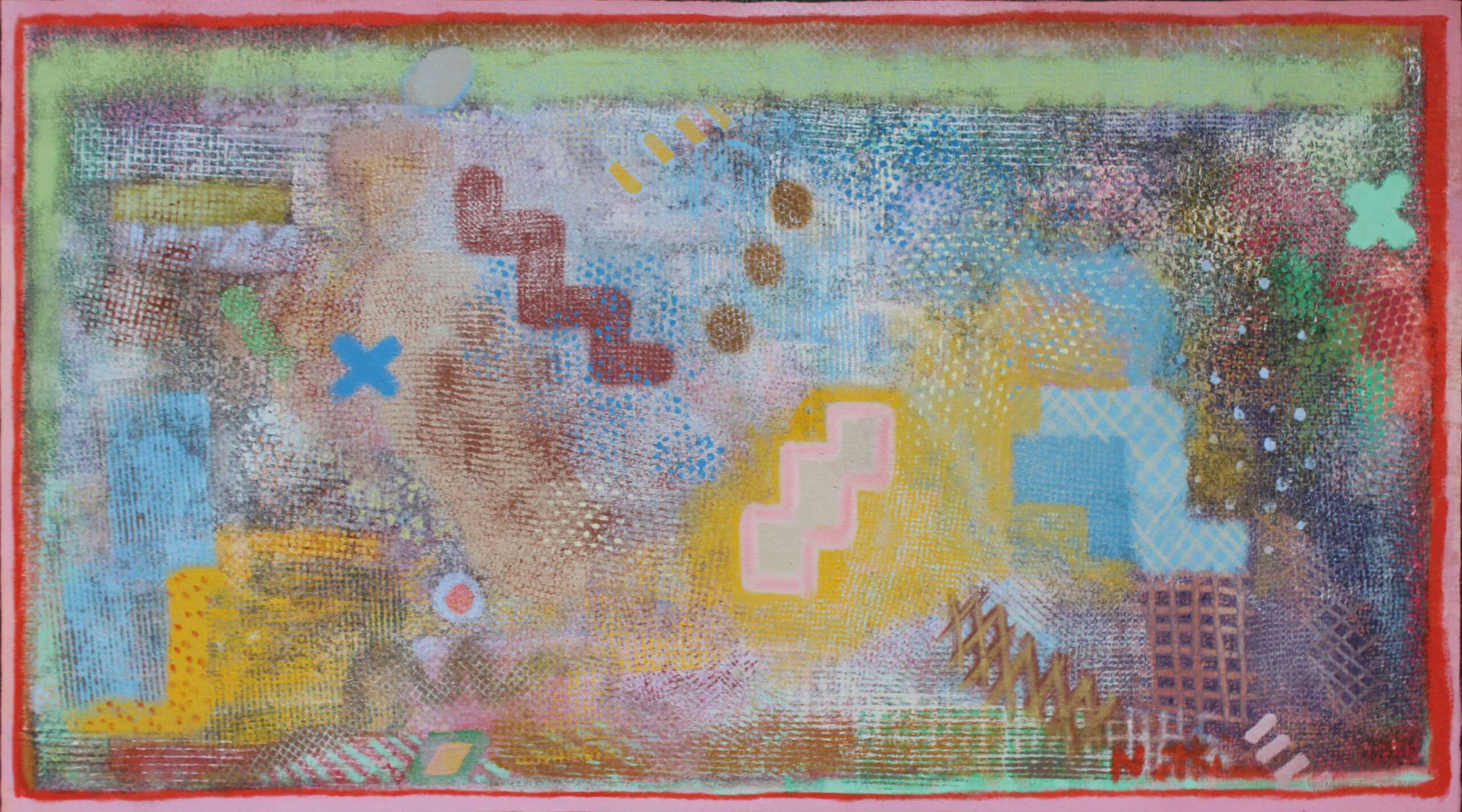
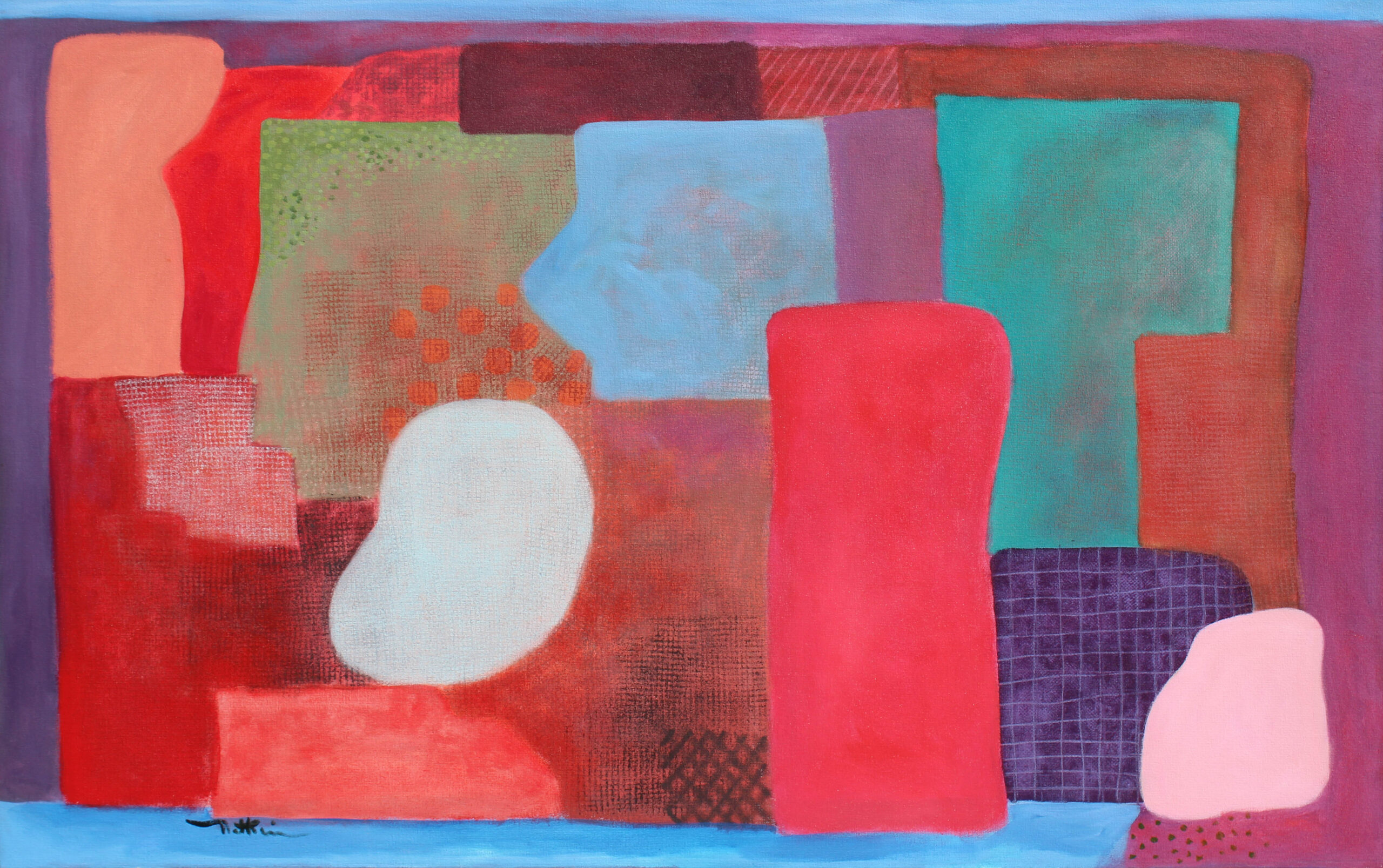
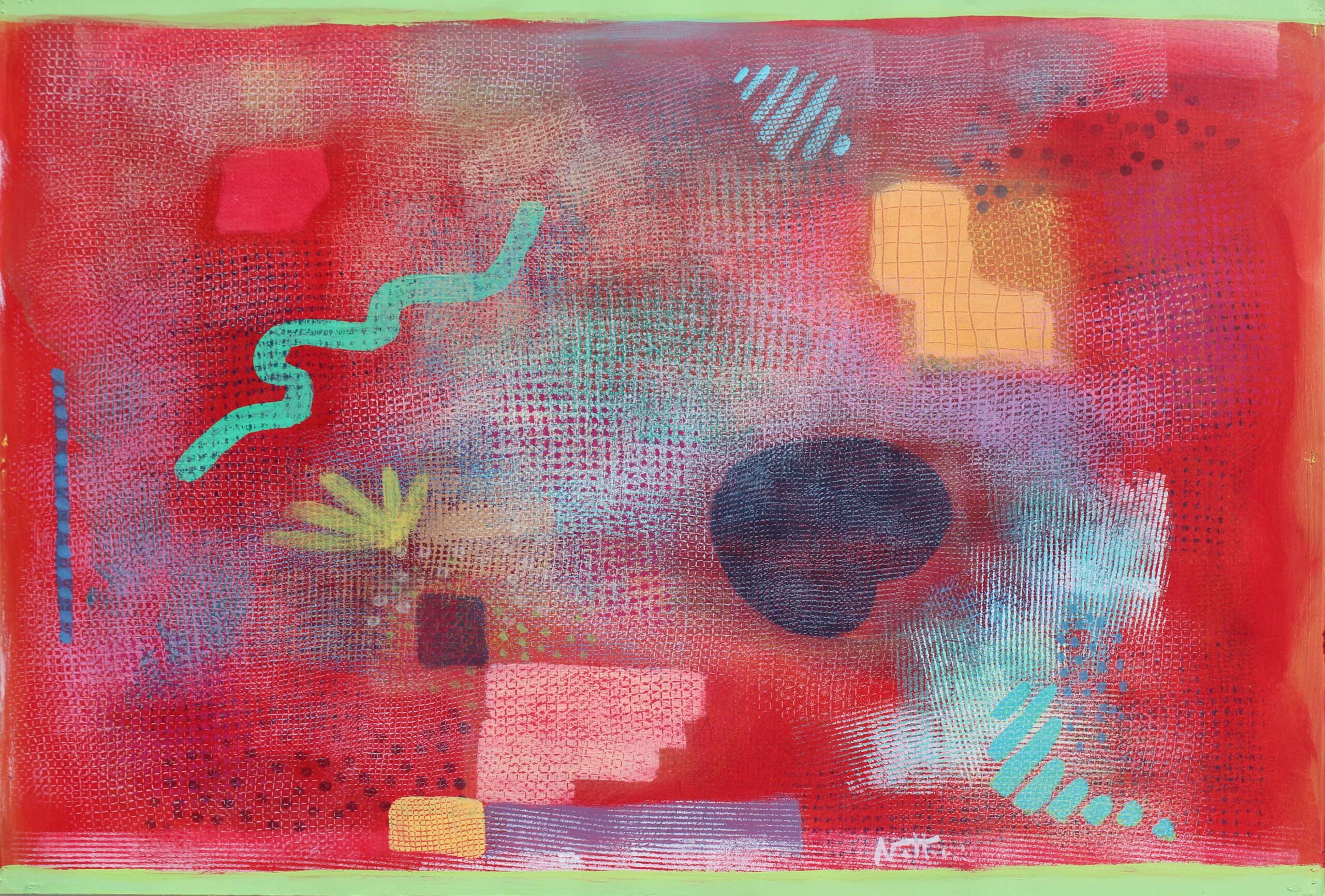
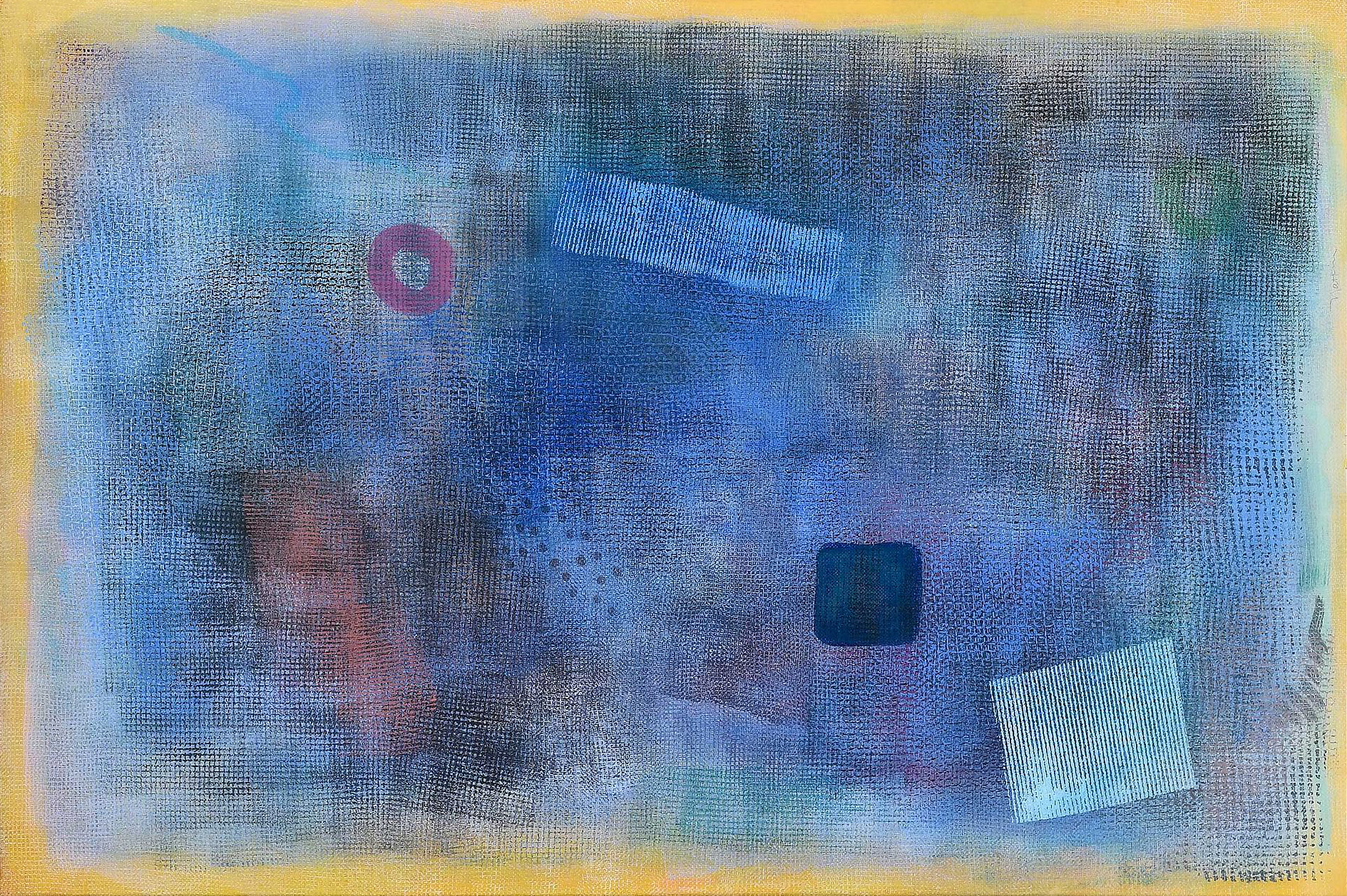
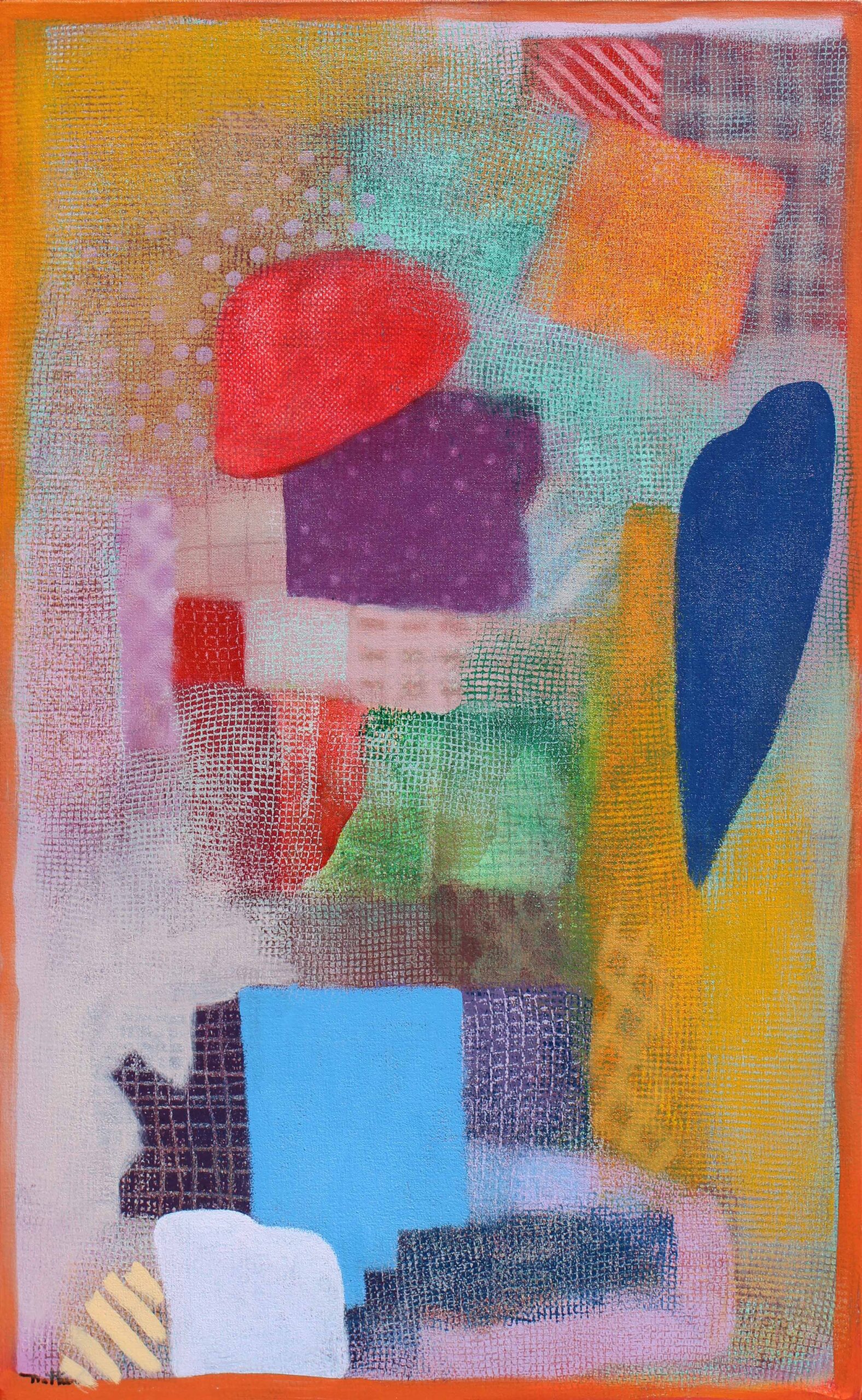
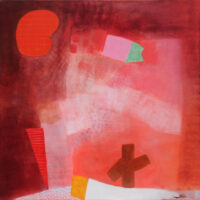
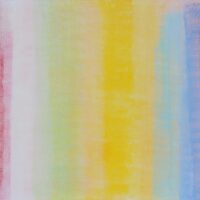
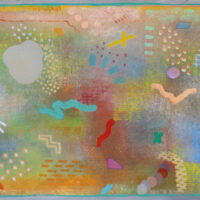
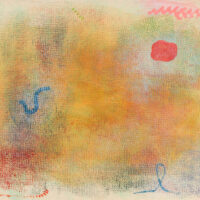
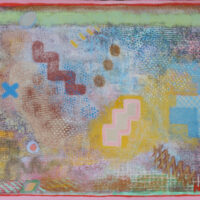
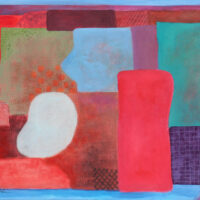
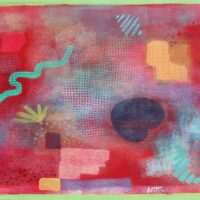
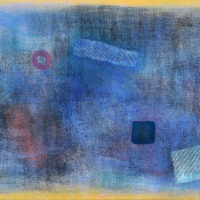
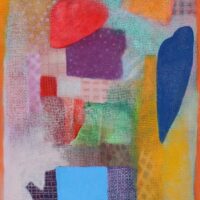
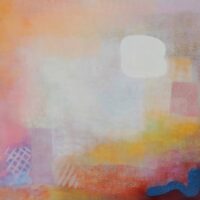
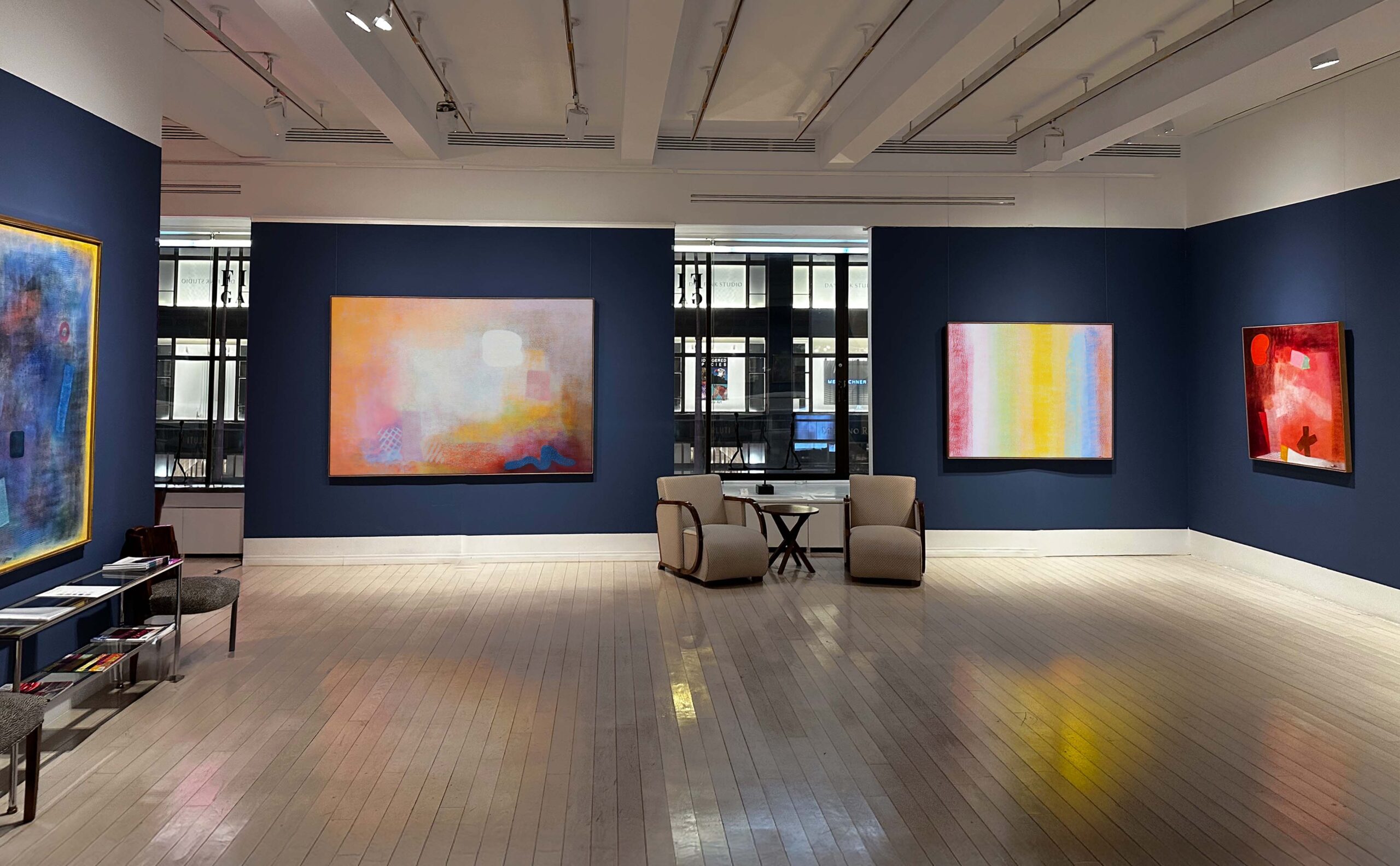
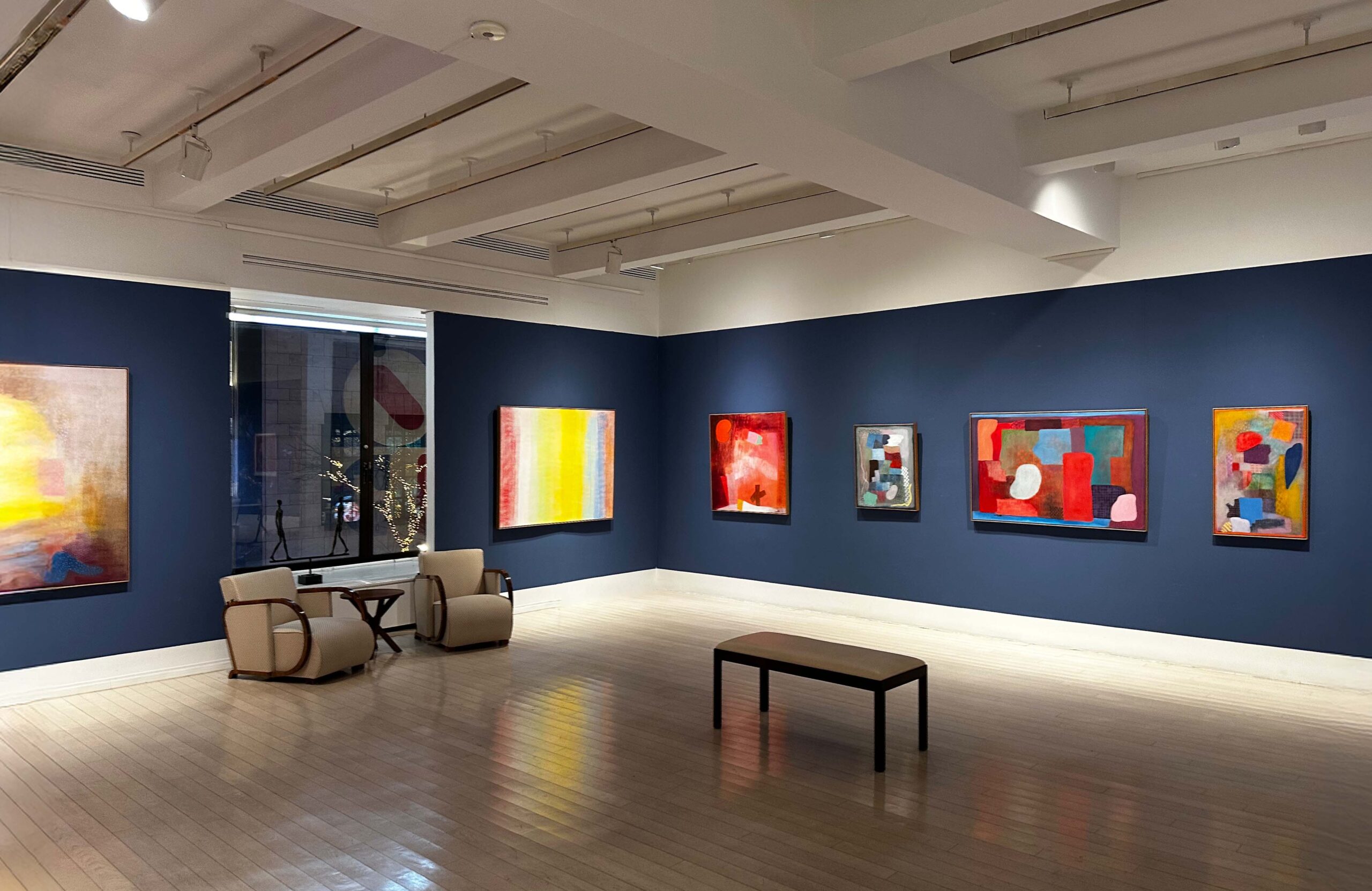
Robert Natkin was a founder of the Lyrical Expressionist movement, whose artists moved away from Minimalism toward a new aesthetic where color and painterly expression returned to painting with a fluidity that contrasted with the gestural nature of Abstract Expressionism.
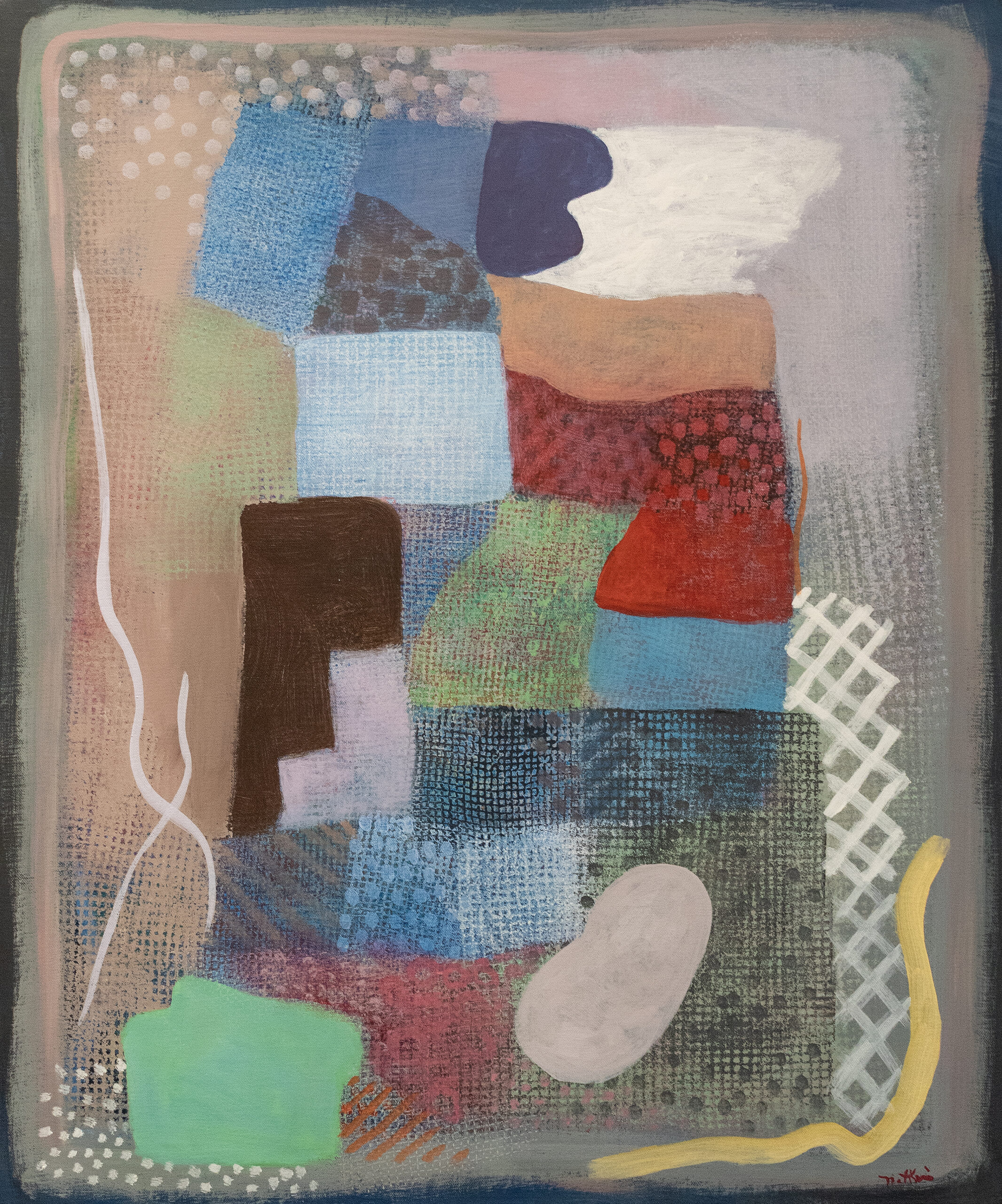
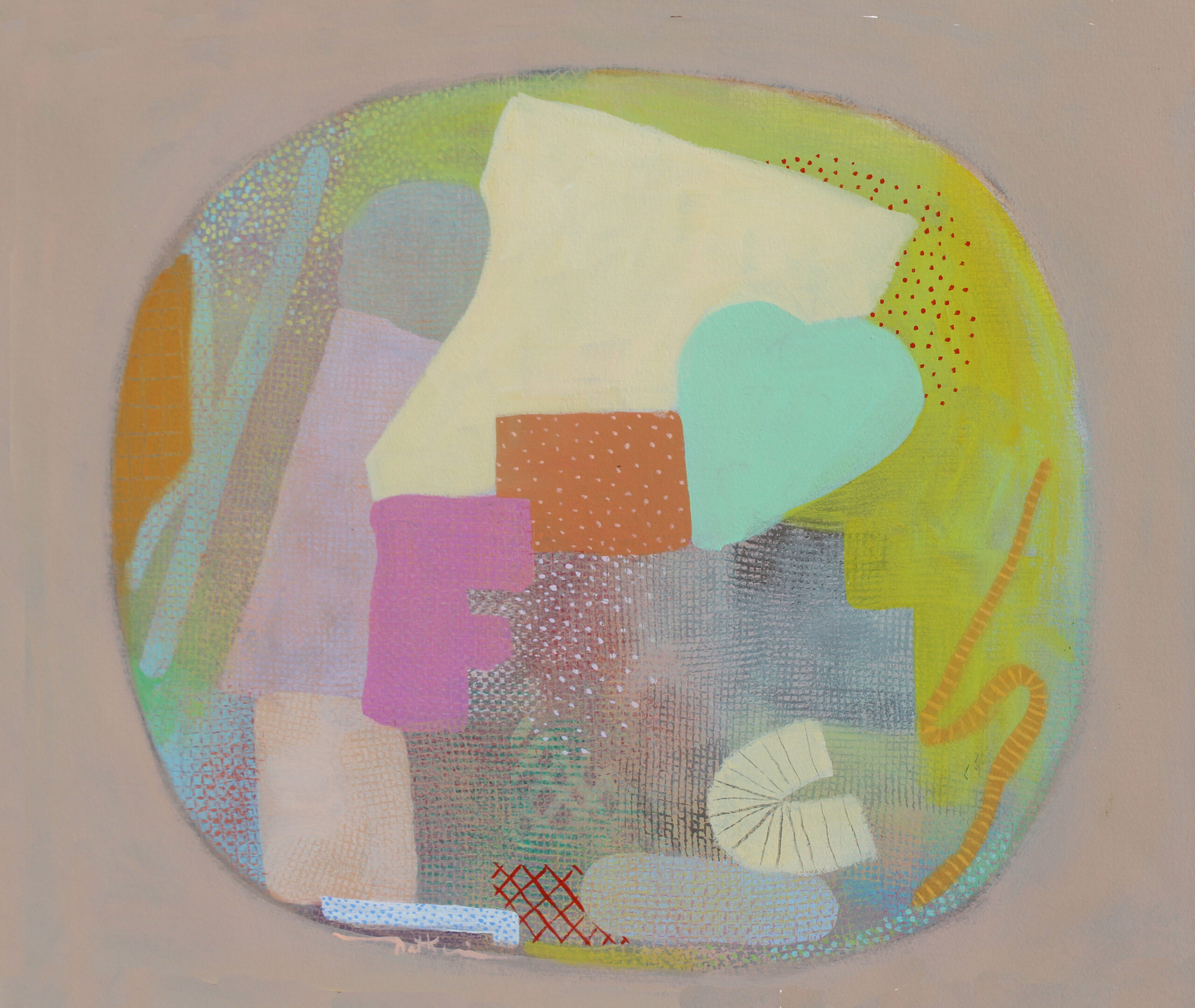
Many of Natkin’s works are composed of a poetic visual language of floating shapes, letters, and grids which resonate with a luminous palette. The frequently playful motifs, reminiscent of his idol Paul Klee, convey both an intimacy and a sense of dramatic tension. Like another of his heroes, Alfred Hitchcock, Natkin has created visual worlds, places of escape from the mundane and every day to a magical dimension composed of light and color. The results are paintings that seem quiet and intimate even as some may try to deliver a disquieting message.
The current exhibition of recently acquired work includes exceptional examples from Natkin’s Hitchcock, Bern, Fieldmouse, Intimate Lighting, and Apollo series.
Robert Indiana
(1928-2018)
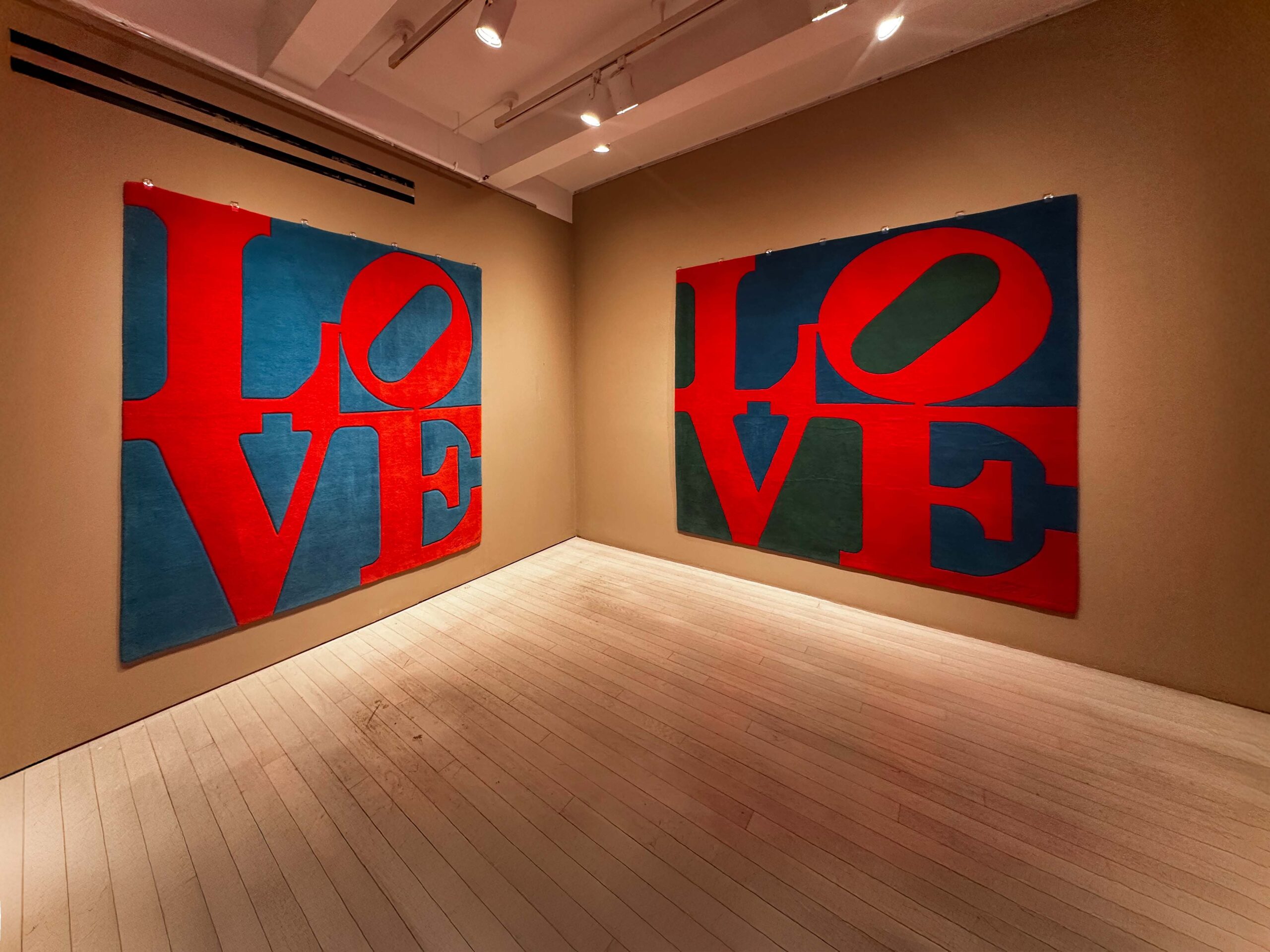
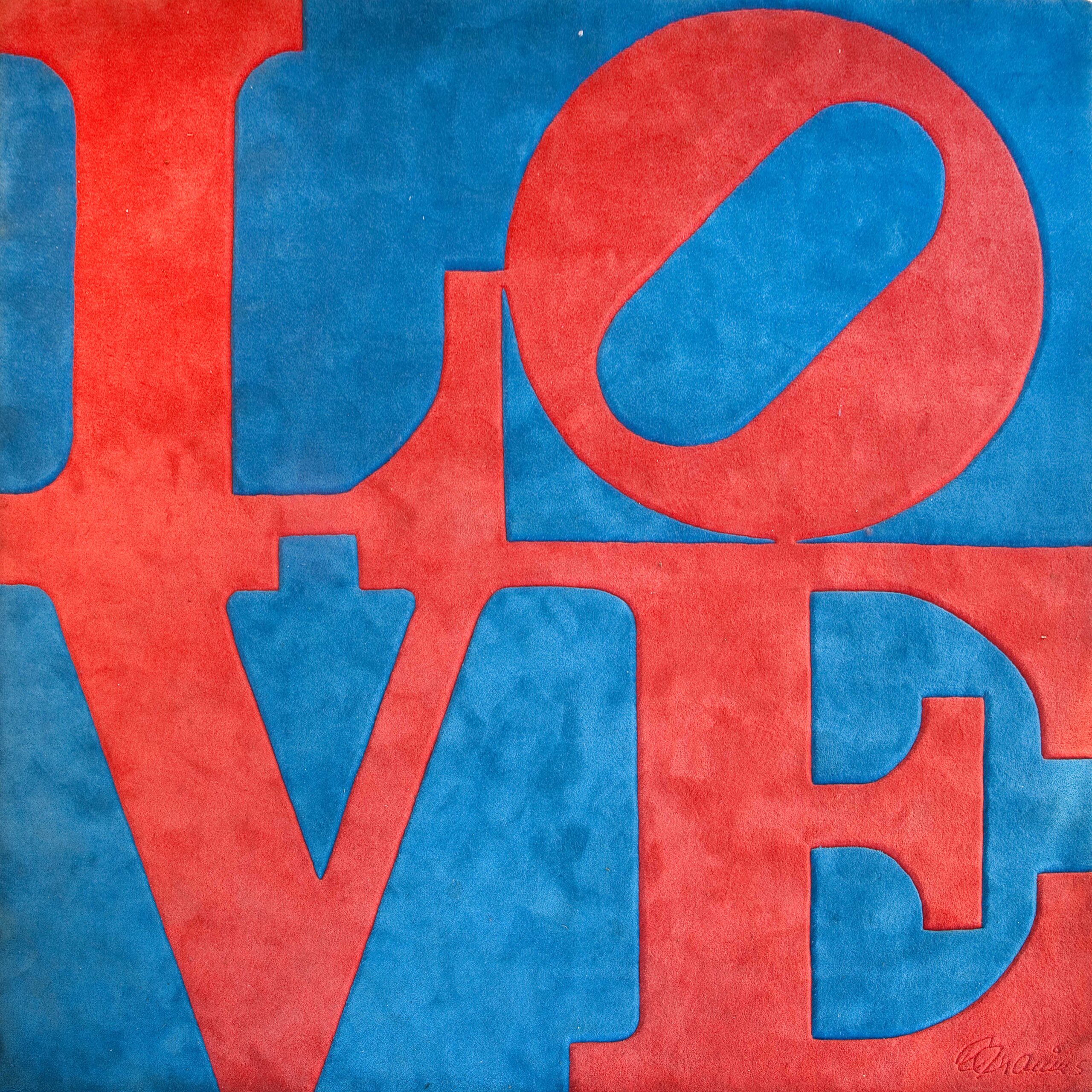
The root of Robert Indiana’s LOVE imagery first appeared in a series of love poems written and laid out by Indiana in the late1950s. In that context the letters L,O,V, and E appear stacked 2 by 2.
By 1964, Indiana had composed the first version of LOVE in its current form for a Christmas card he sent to friends. The following year he was asked by MoMA to submit designs for the museum’s annual Christmas card, for which he submitted 3 LOVE paintings. The extraordinary popularity of the image led to its first limited edition print, and a near universal icon was born.
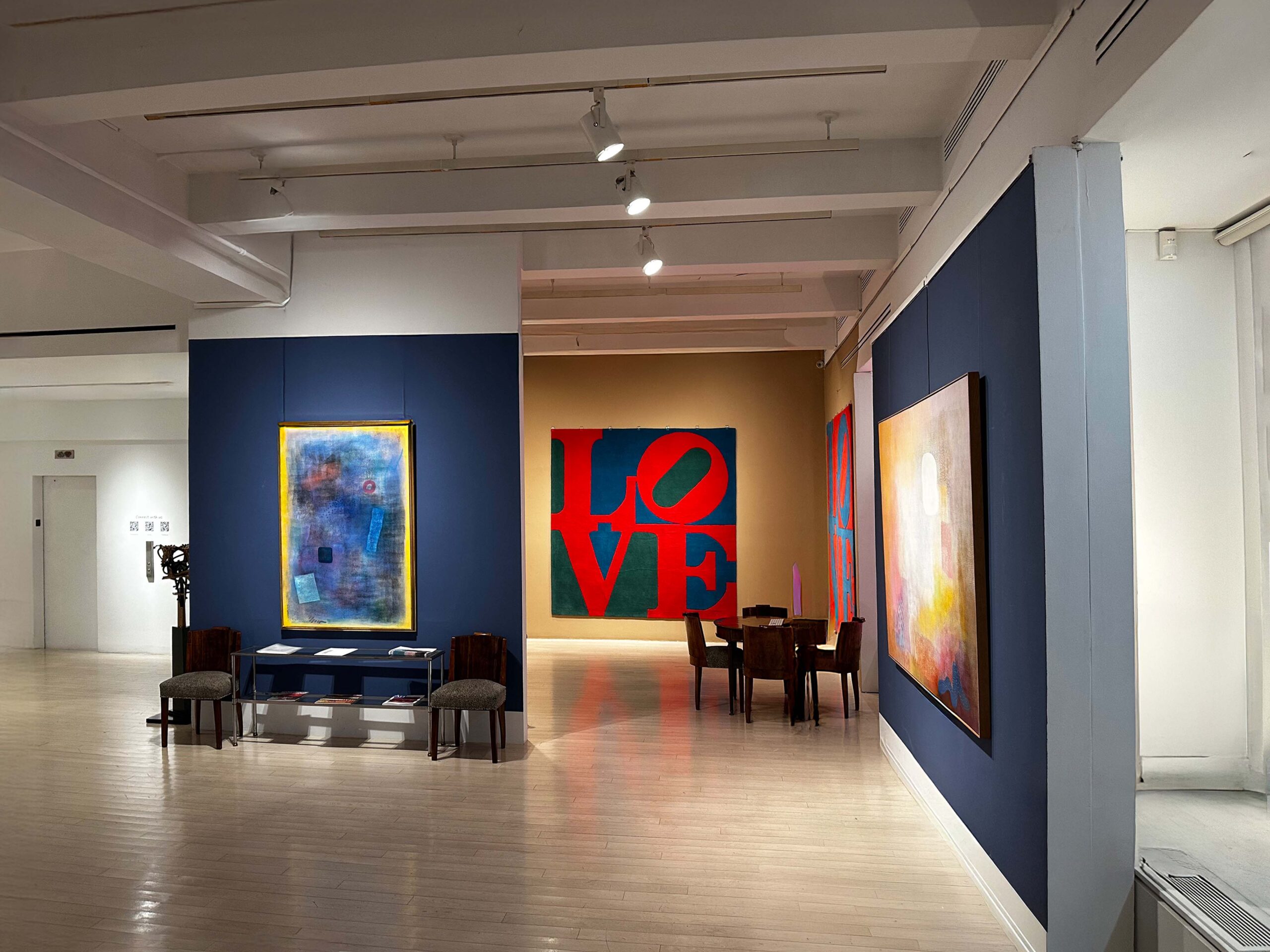
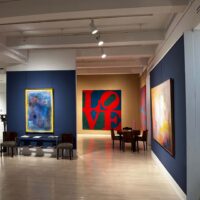
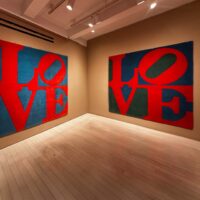
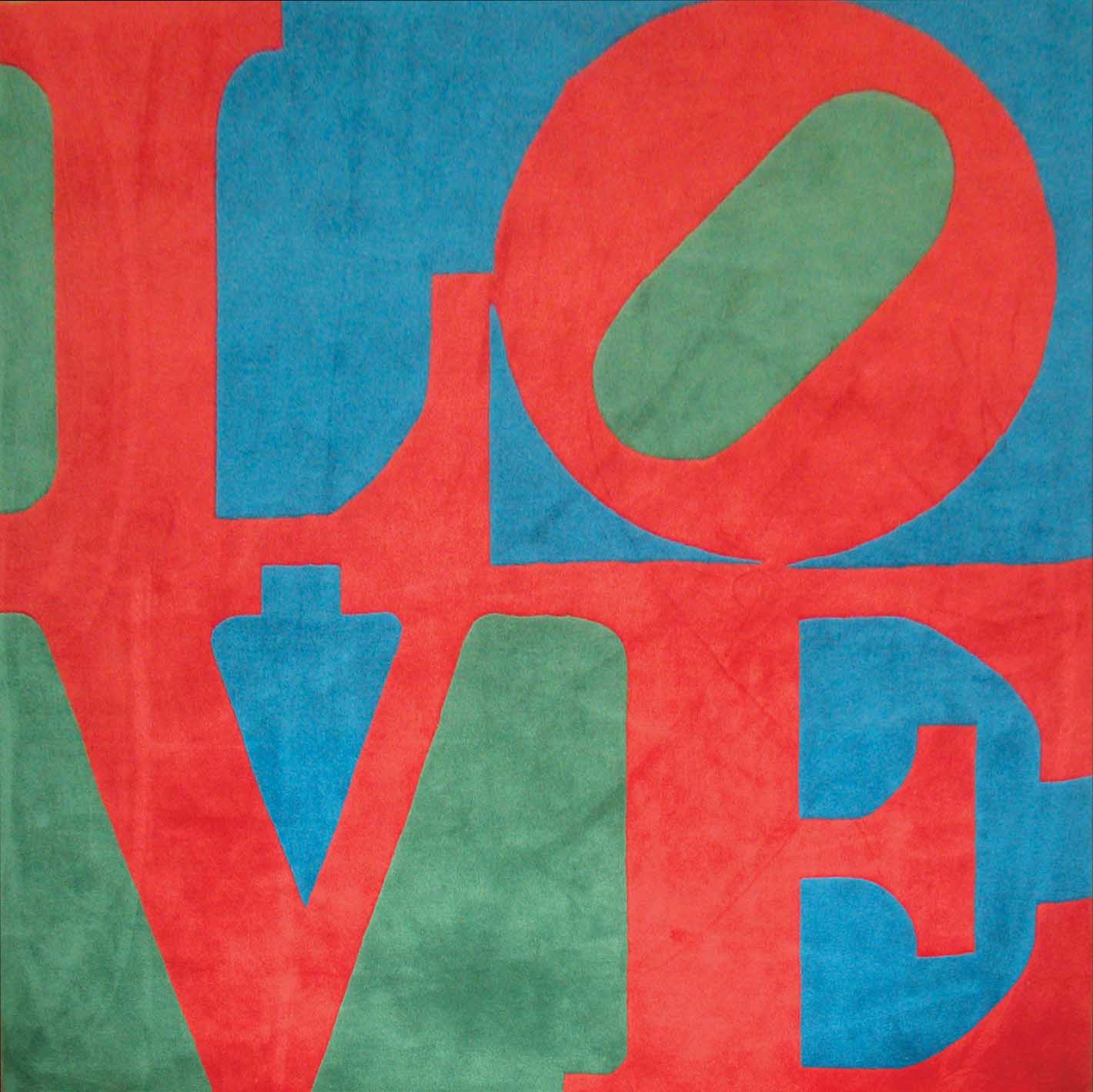
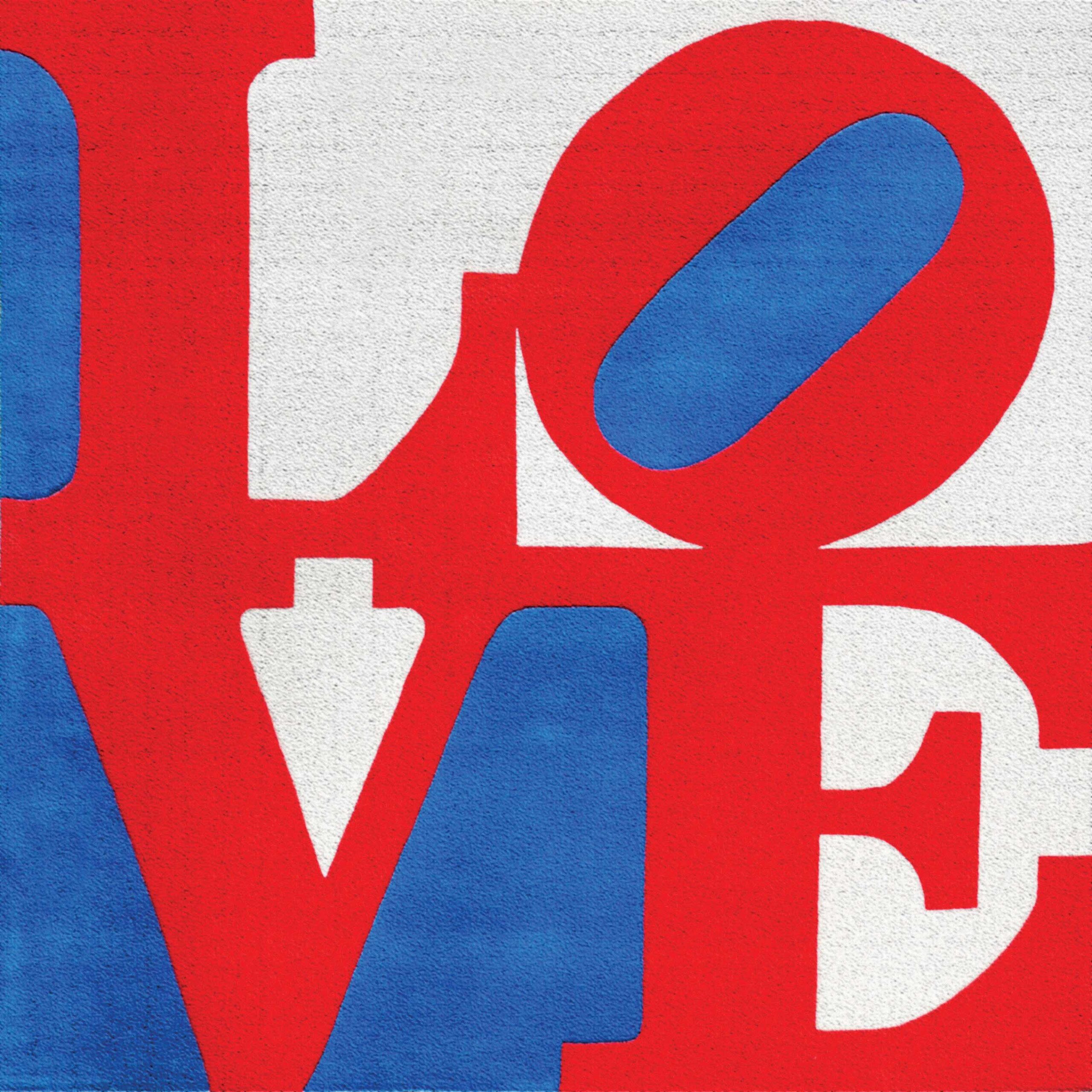
Findlay Galleries’ current exhibition surrounds the visitor with LOVE tapestries of various color combinations. The tapestries translate his iconic image into a soft, tactile medium that deepens its emotional pull. As a tapestry, the crisp geometry of the image takes on a sense of warmth and intimacy while preserving its striking clarity.
On a wall, or even on a floor, these works bring a sense of joy, peace, reassurance, and even security to the viewer. The wool tapestries are signed and numbered from limited editions of 175 and 100.


Get in Touch
Contact your gallery to enquire about a work of art, for more information on the exhibition, or to schedule an appointment.
Belynda Henry
Living Palette
Belynda Henry
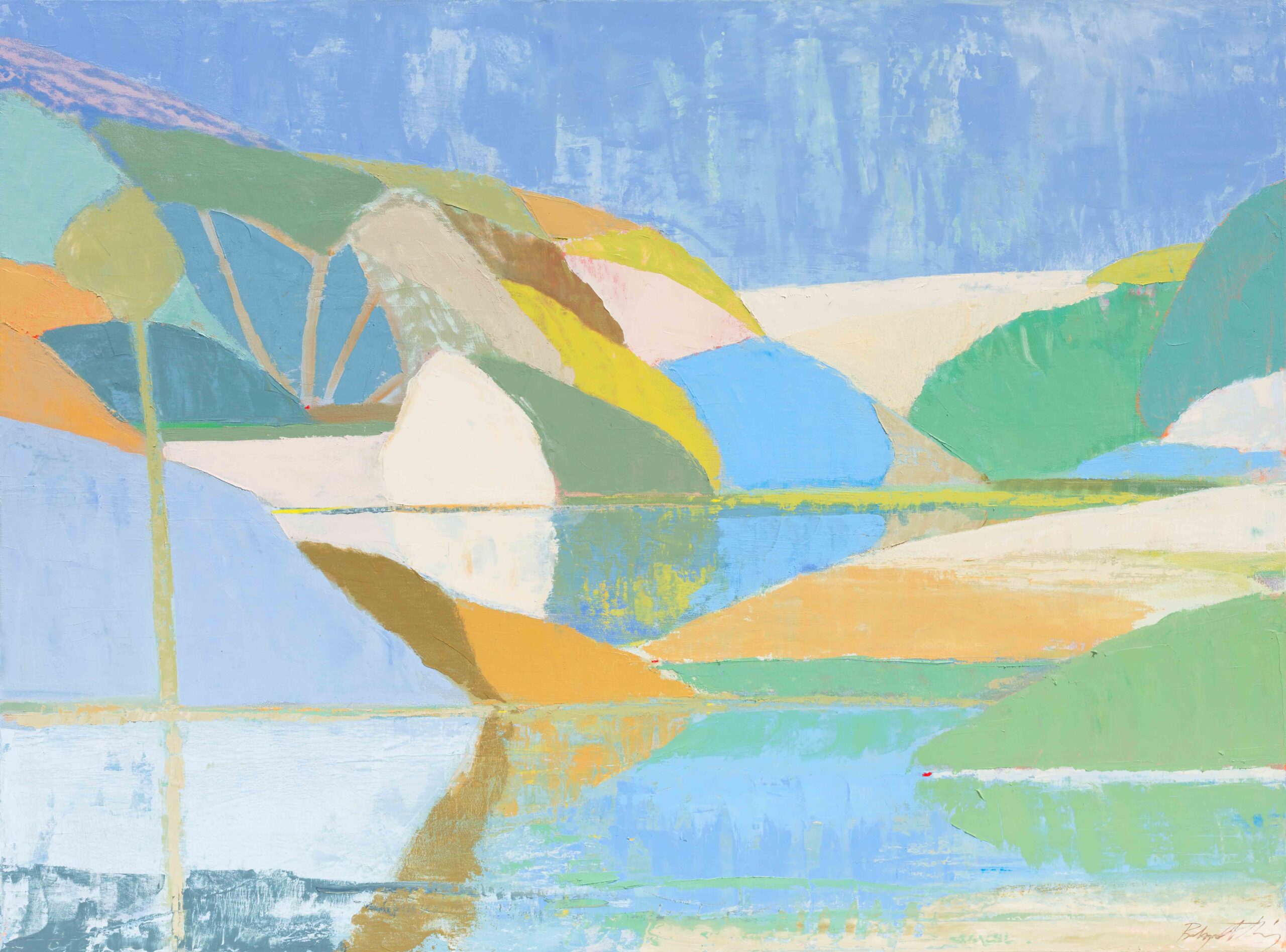
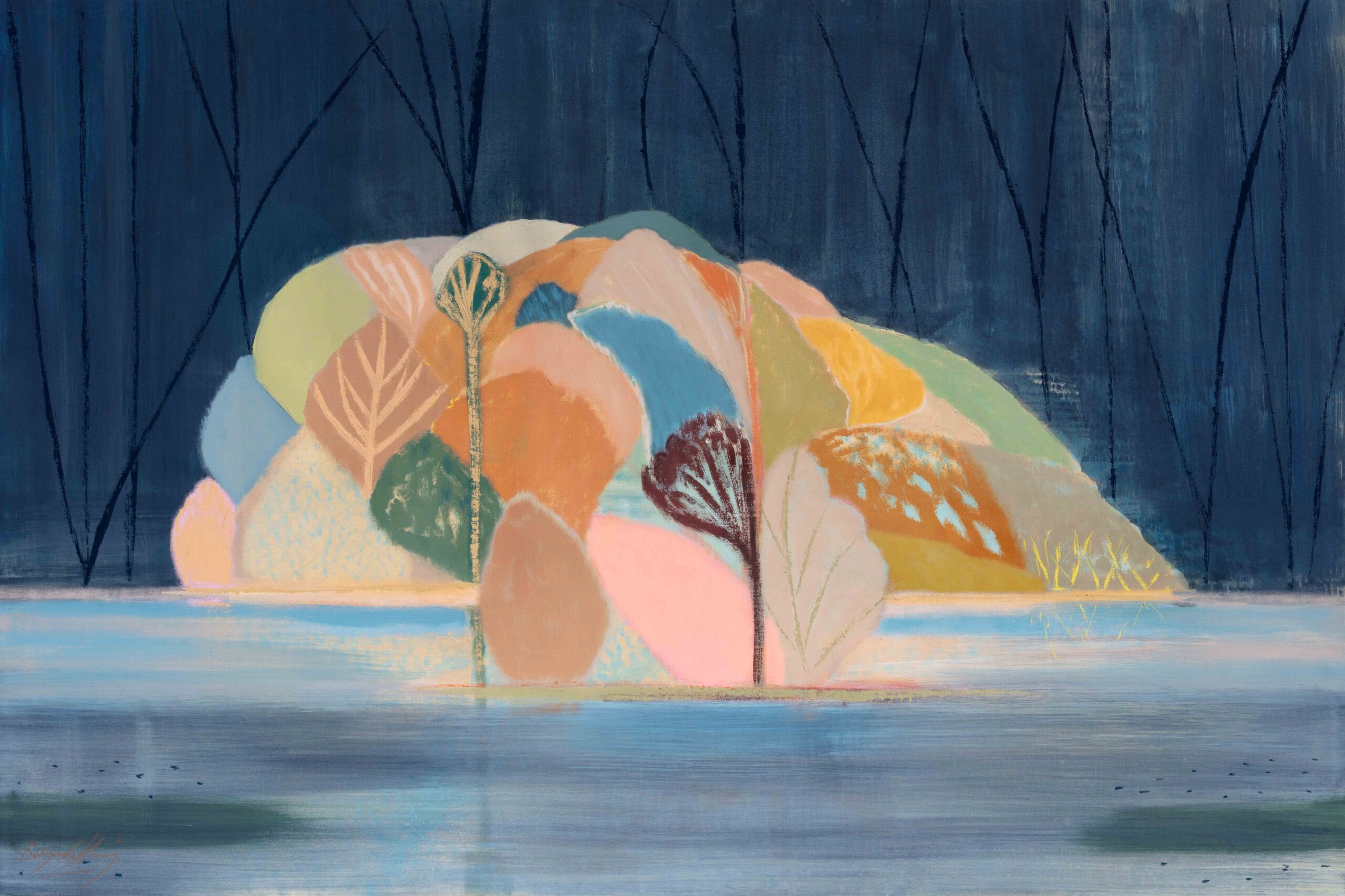
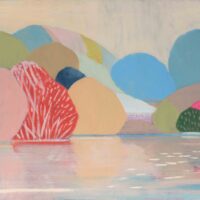
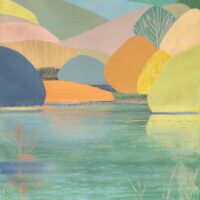
Findlay Galleries is pleased to present Living Palette, a major exhibition of new paintings by the distinguished Australian artist Belynda Henry. This presentation marks her most extensive showing in the United States to date and her third solo exhibition with the gallery, following acclaimed presentations in Palm Beach and New York.
Widely recognized as one of Australia’s leading contemporary landscape painters and a multiple finalist for both the Wynne and Archibald Prizes, Henry brings to her art a refined synthesis of observation and emotion. Living and working in a lush valley north of Sydney, she draws continual inspiration from the natural world—the subtle shifts of light, the rhythms of the seasons, and the quiet resonance of the landscape.
Henry employs a distinctive technique that combines oil and wax, built up in multiple layers to create surfaces of remarkable depth and tactility. The result is a body of work with an unmistakably earthy presence. Her palette of soft pastels, enlivened by luminous bursts of color, conveys both serenity and vitality. Through her loose, layered application, Henry achieves a graceful interplay between abstraction and landscape, evoking movement, distance, and the passage of time.
In Living Palette, Henry deepens her exploration of the dialogue between abstraction and the natural world. Her process begins outdoors, through plein-air observation, and evolves in the studio, where memory, emotion, and intuition re-imagine what she has seen. The result is an expressive language of color and form that transcends depiction, transforming direct experience into atmosphere.
Each painting embodies Henry’s sense of happiness and wonder—qualities that are felt rather than declared. The vitality within her work emerges organically from her engagement with nature and from her belief that painting is a living conversation between artist, subject, and viewer.
To live with these paintings is to share in that vitality. Their presence fills a space with quiet energy, inviting reflection and renewal. Joy and beauty here are not static ideals, but ever-shifting forces—alive in color, texture, and the spirit that shaped them.
Get in Touch
Contact your gallery to enquire about a work of art, for more information on the exhibition, or to schedule an appointment.