2026 Jean-Pierre Cassigneul – Timeless Elegance | New York Exhibition

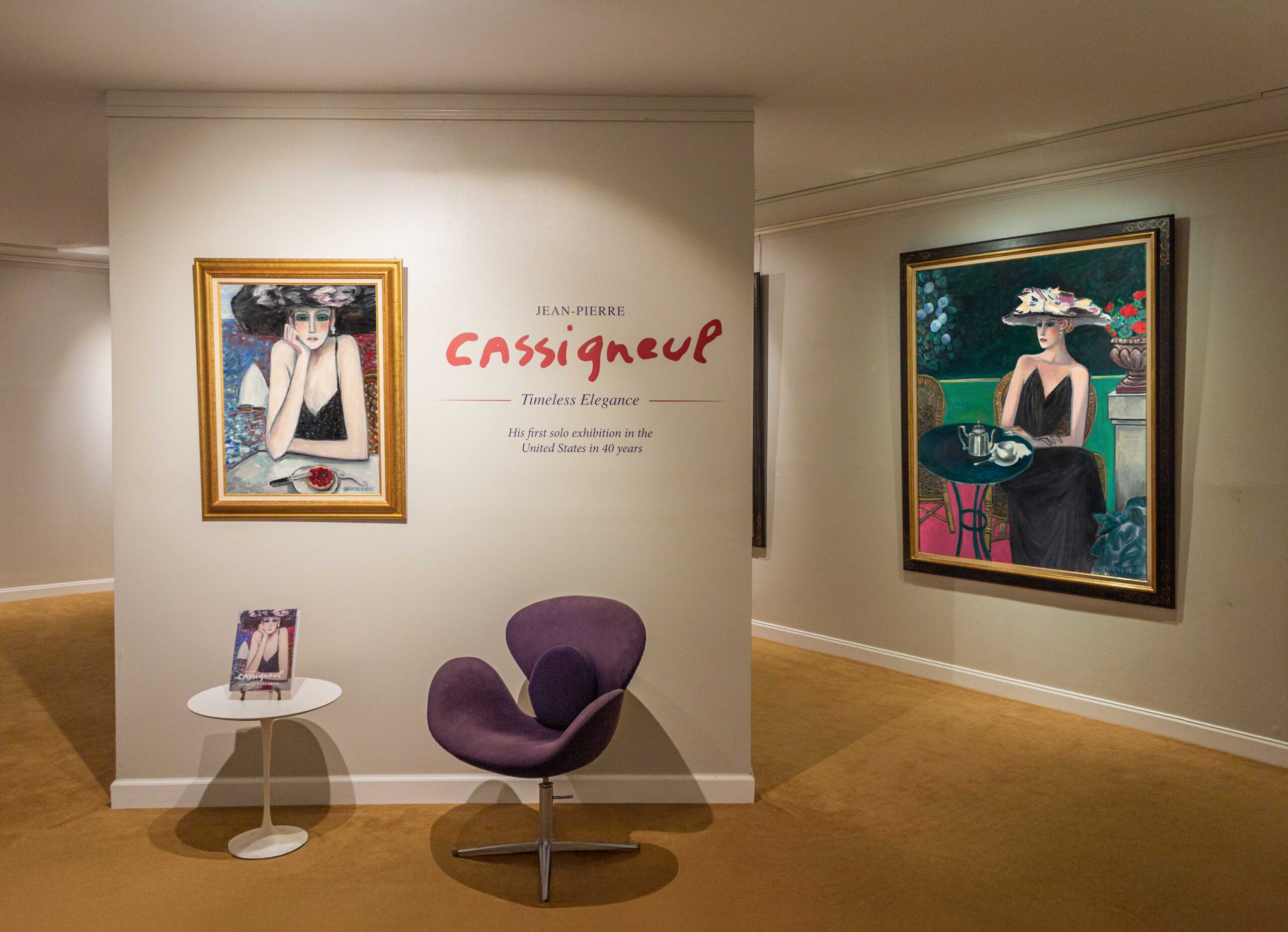
Jean-Pierre Cassigneul

Timeless Elegance – New York

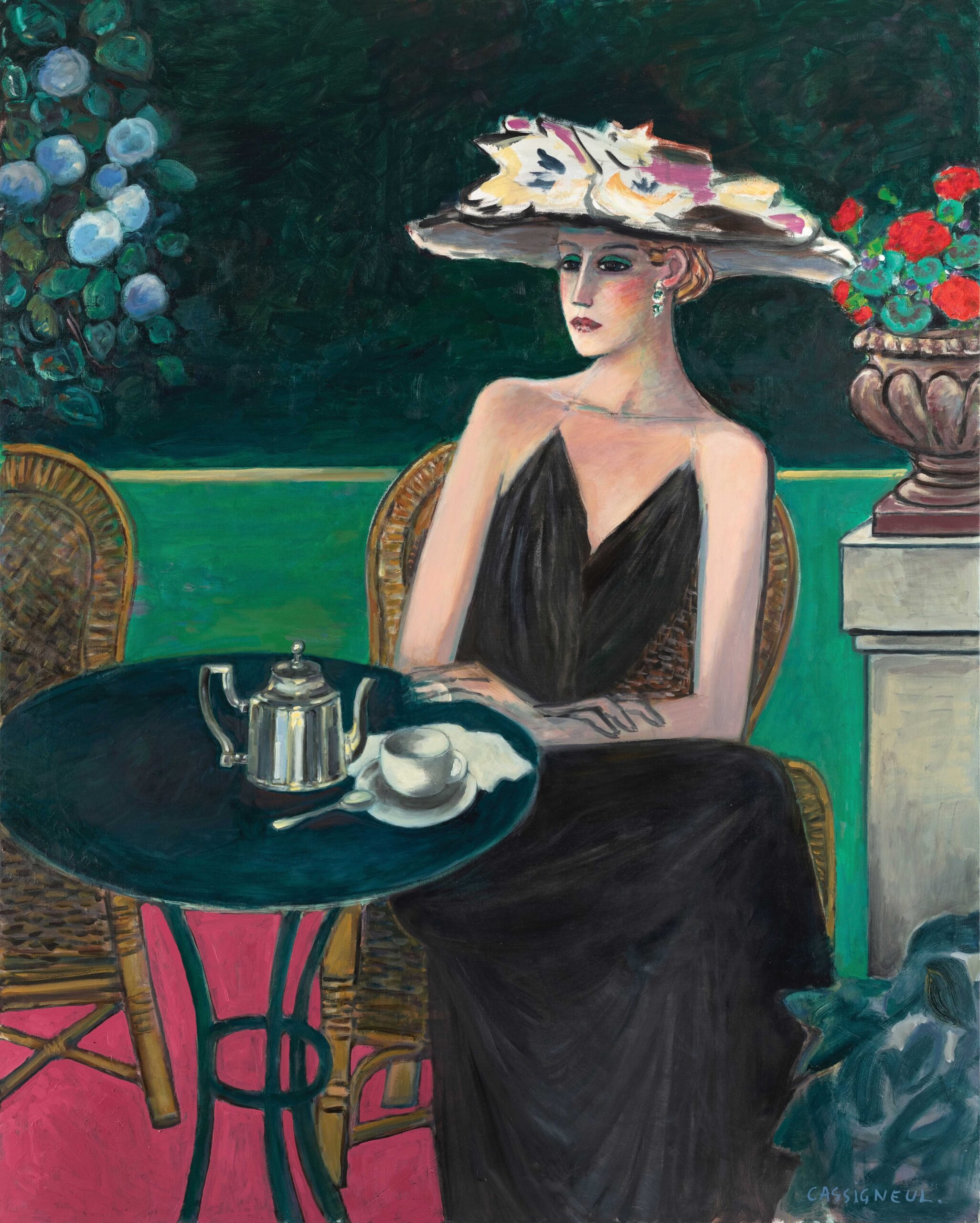
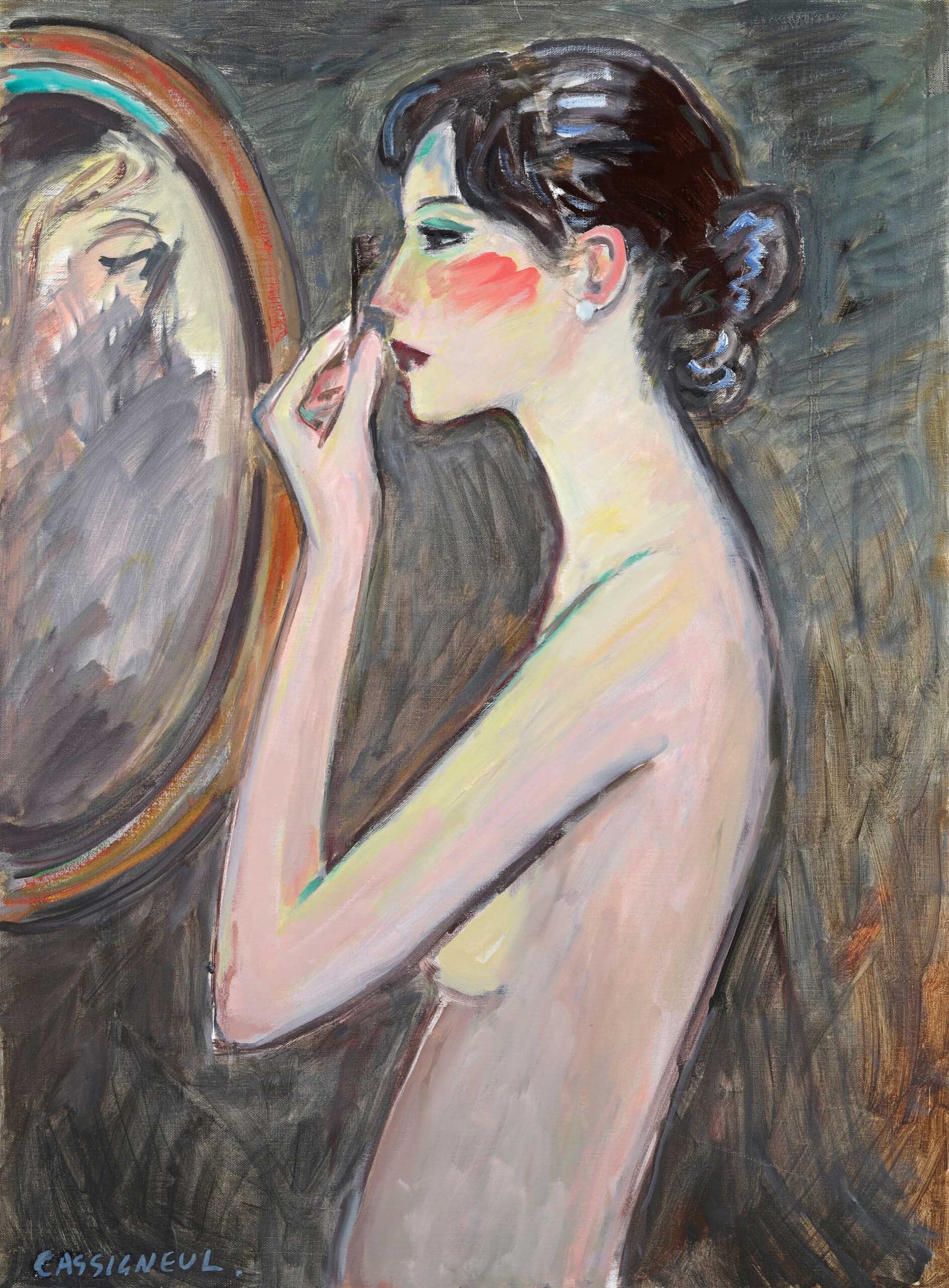
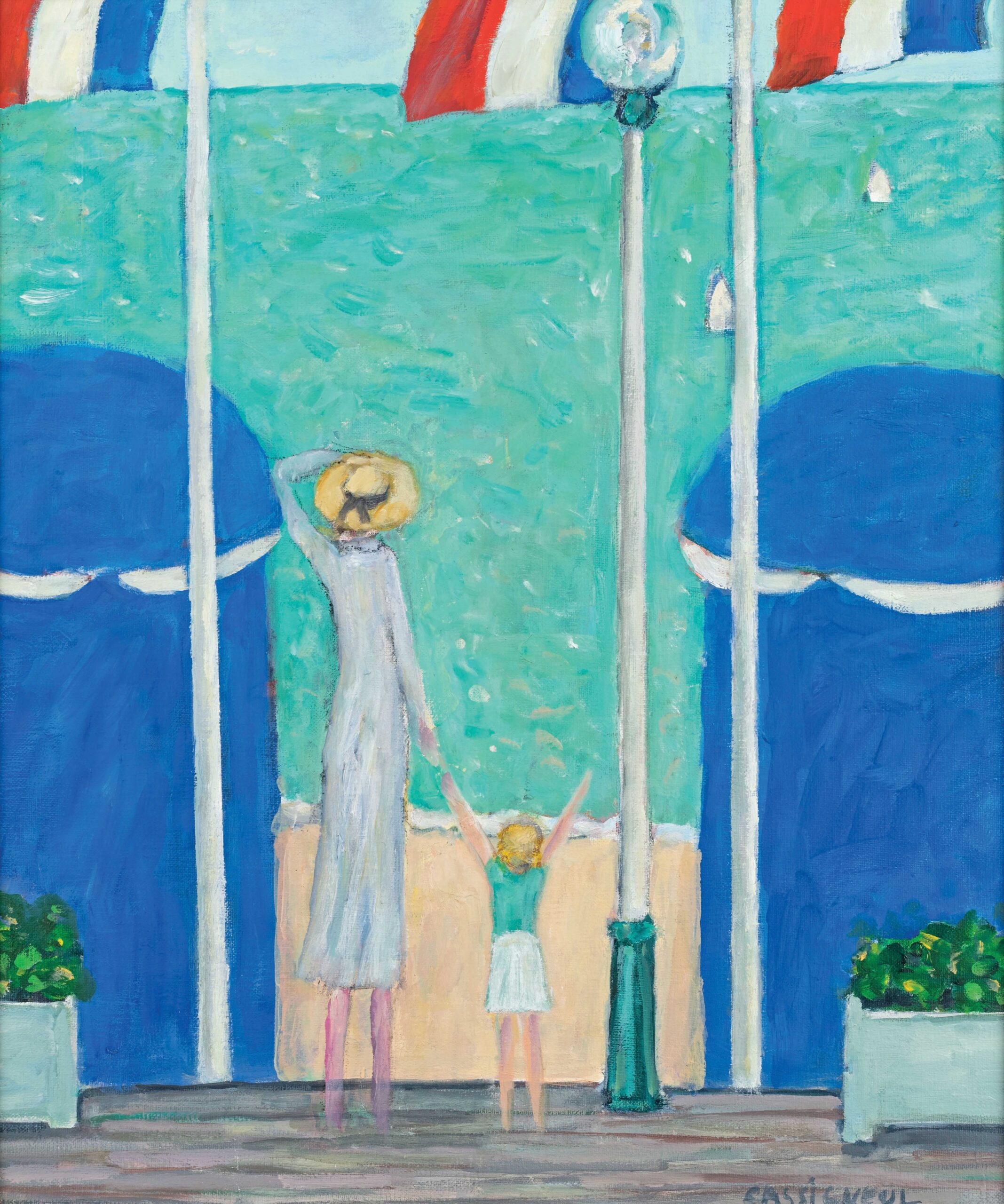
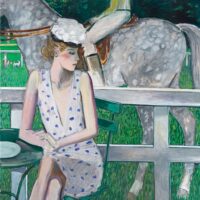
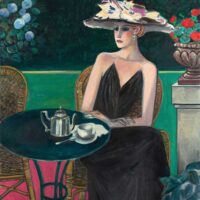
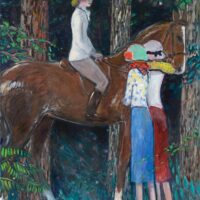
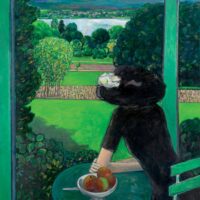
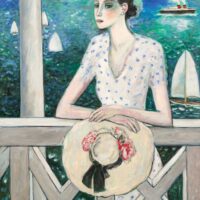
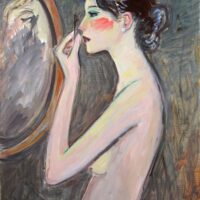
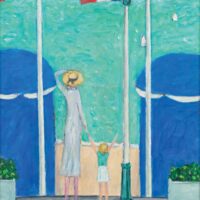
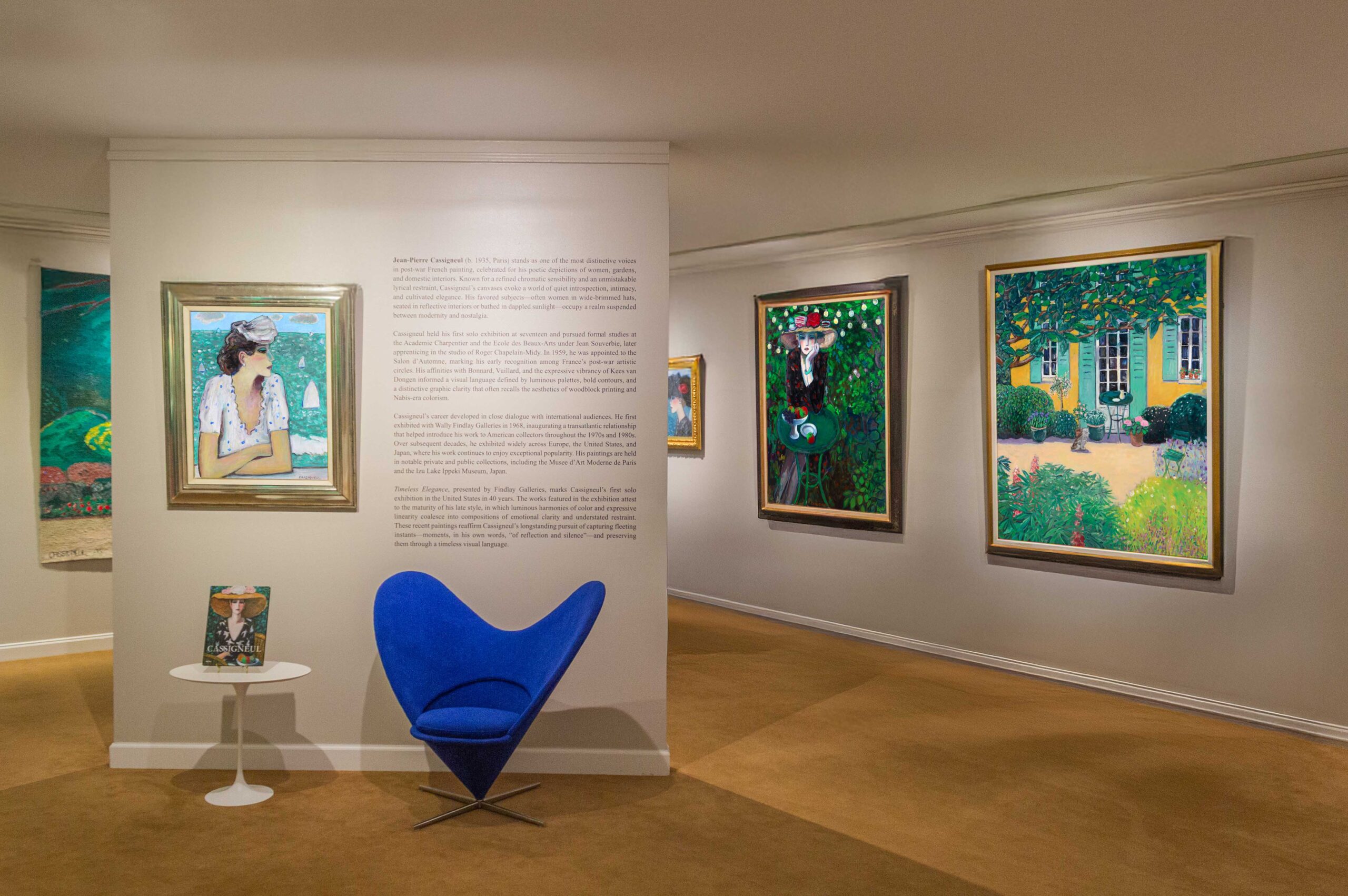
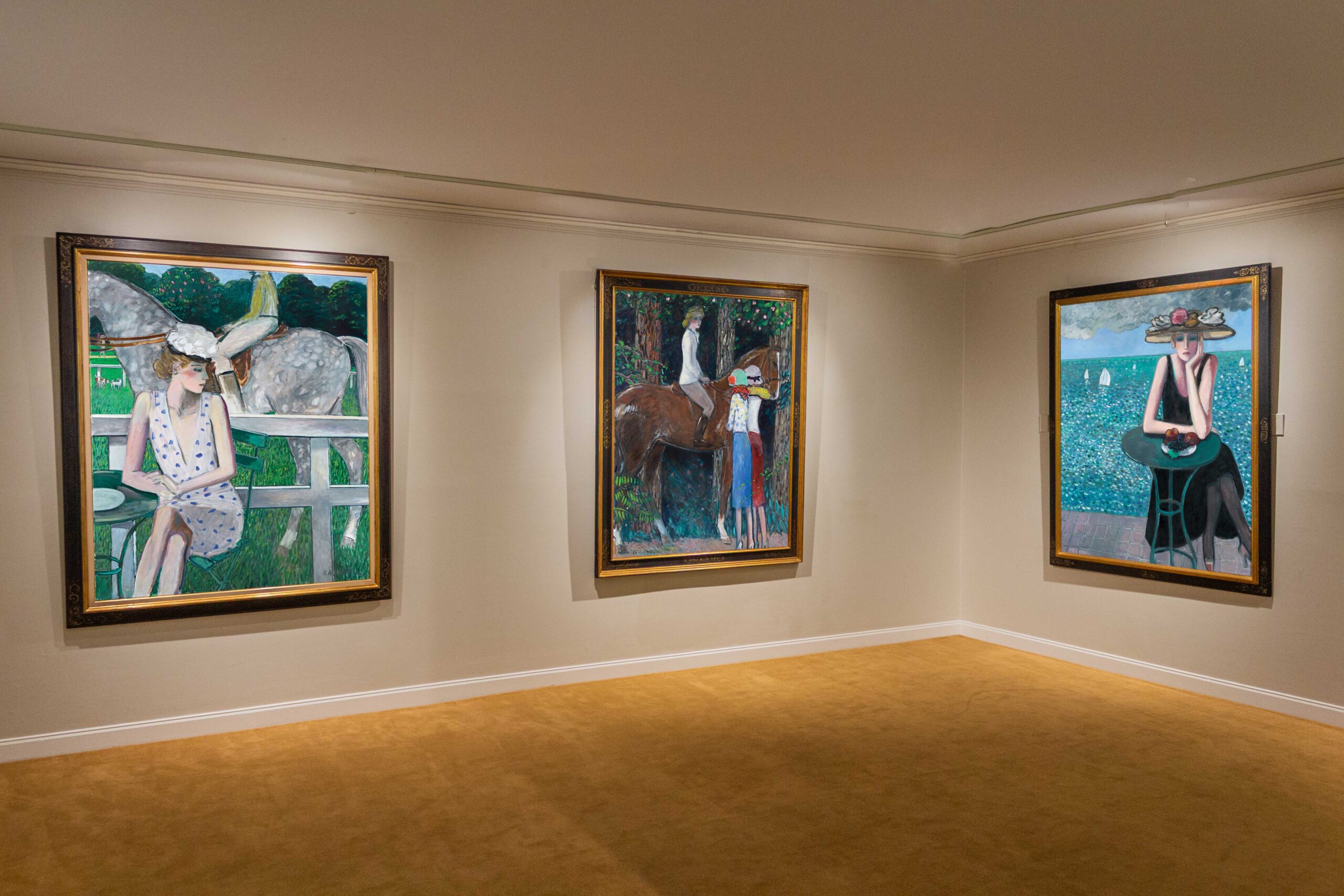
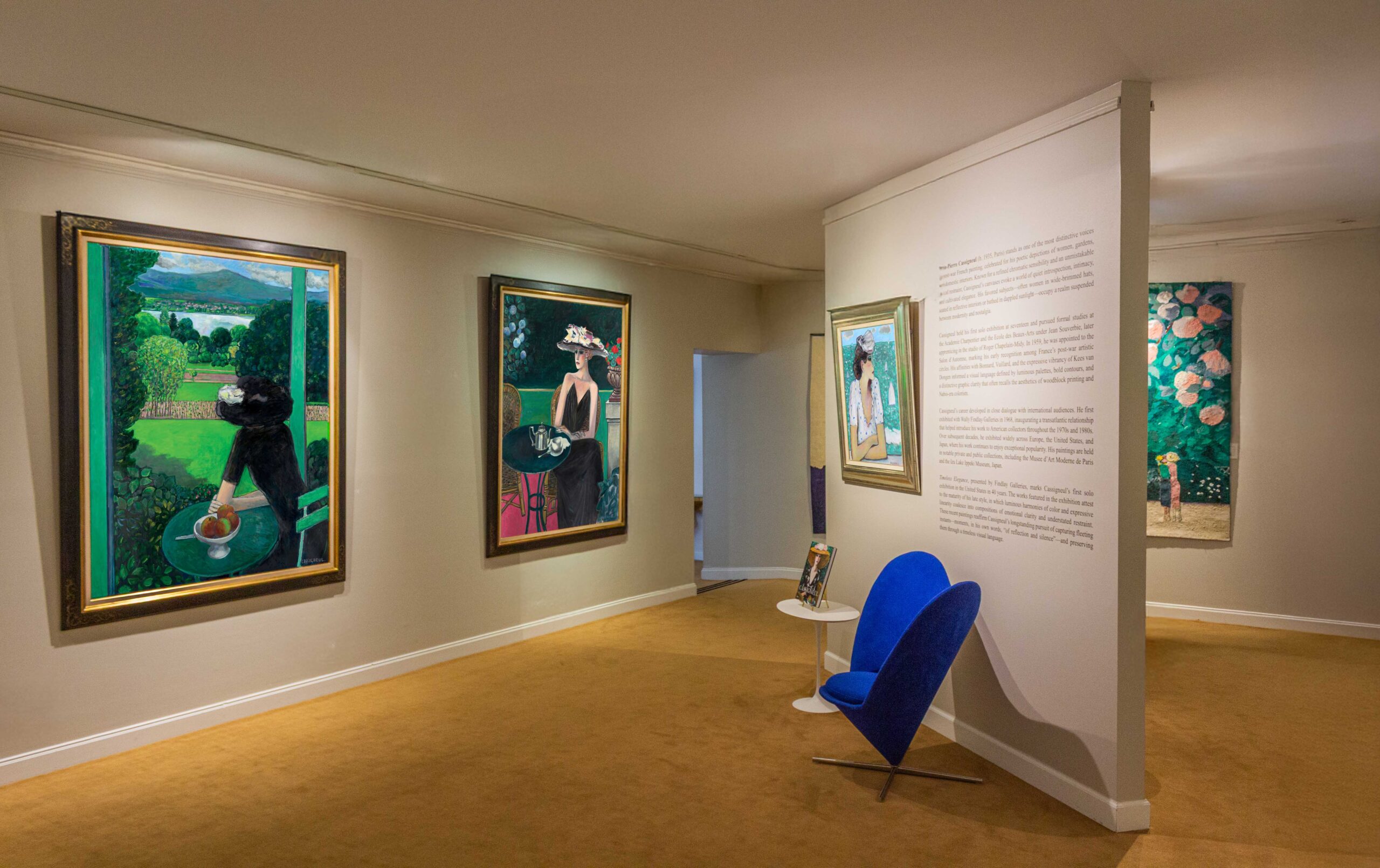
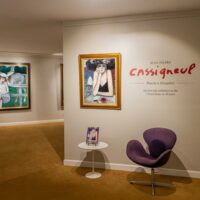
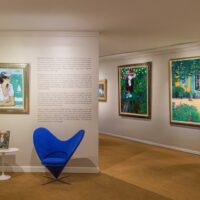
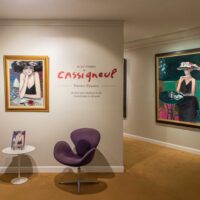
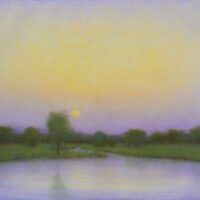
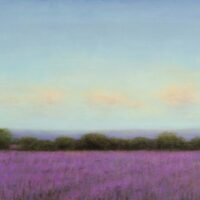
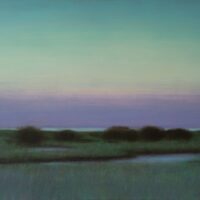
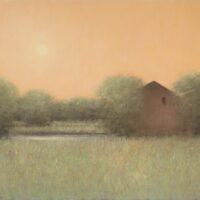
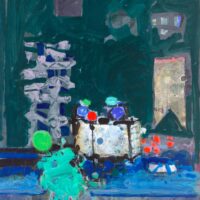
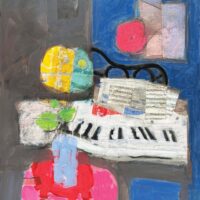
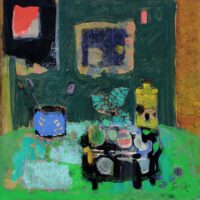
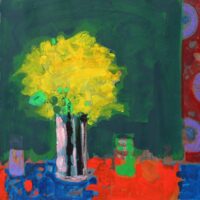
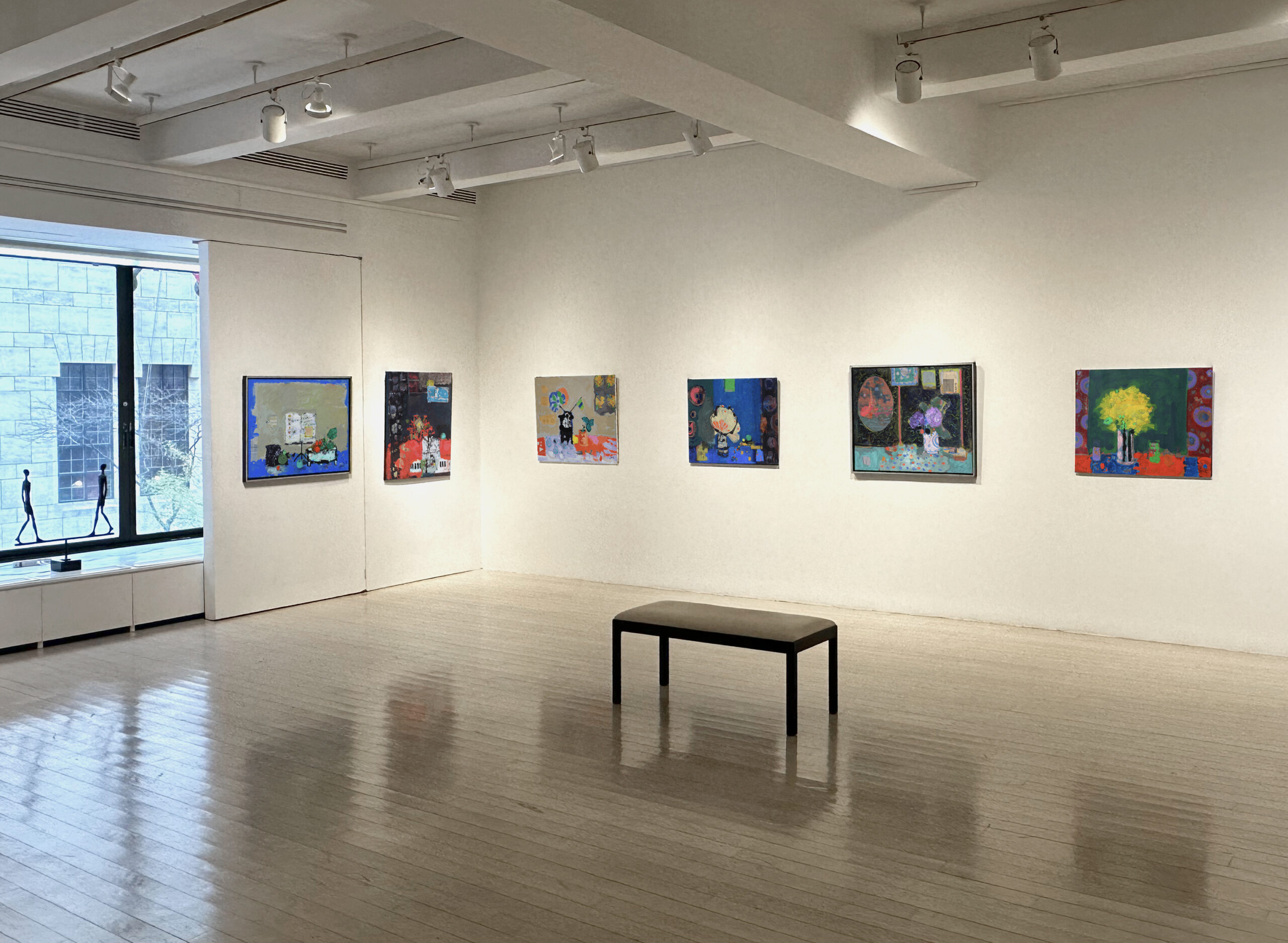
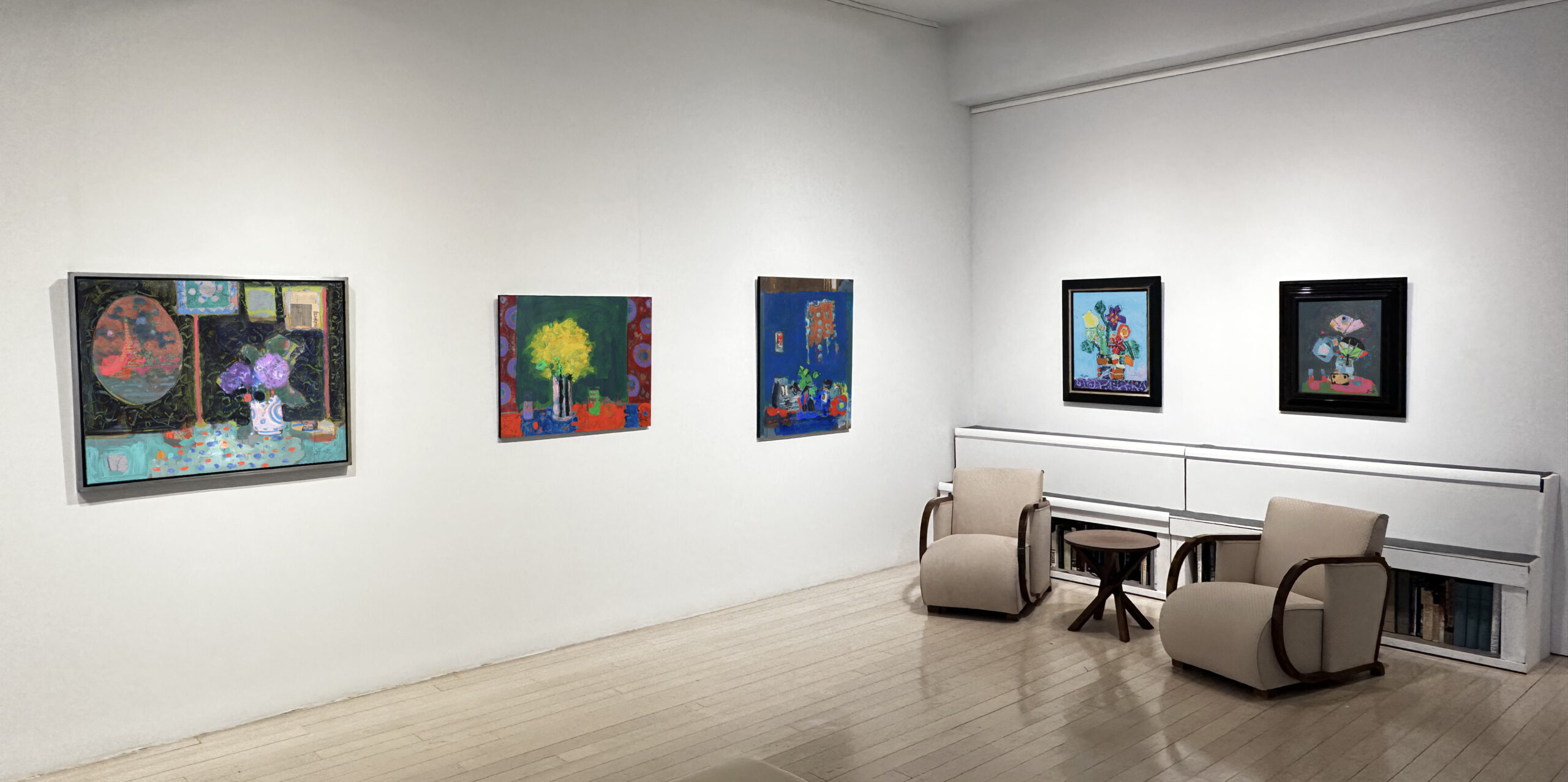
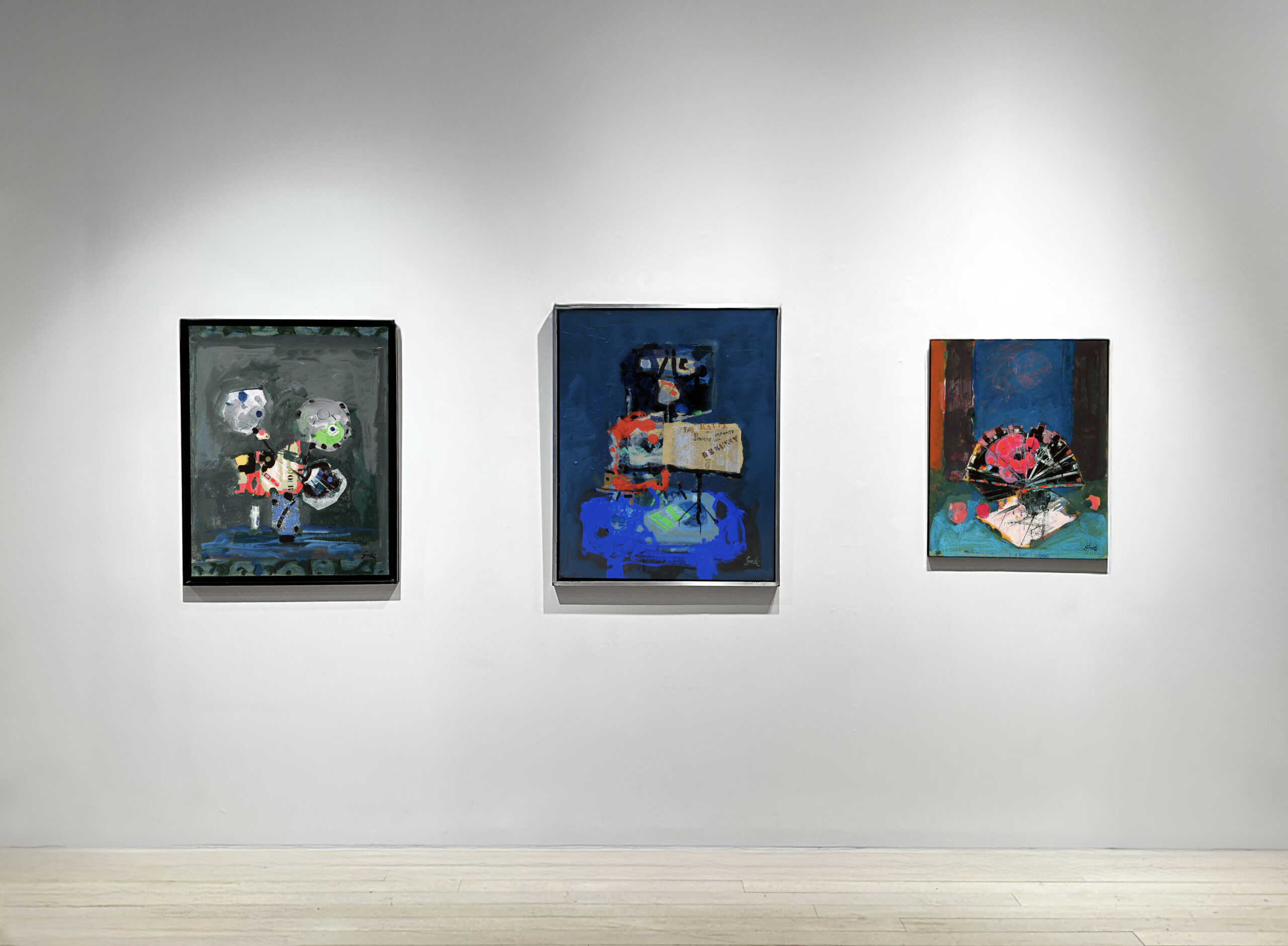
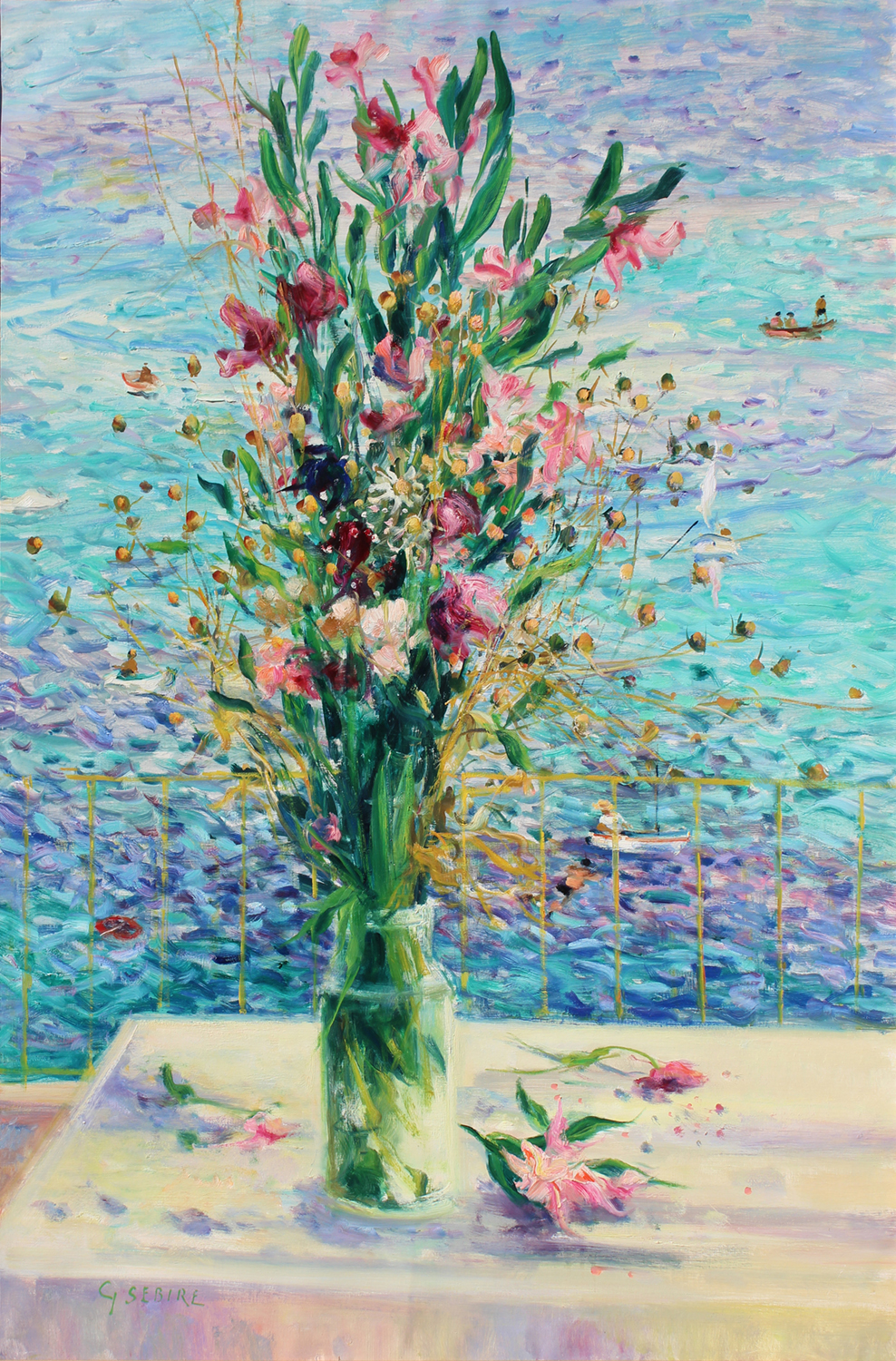
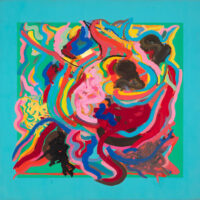
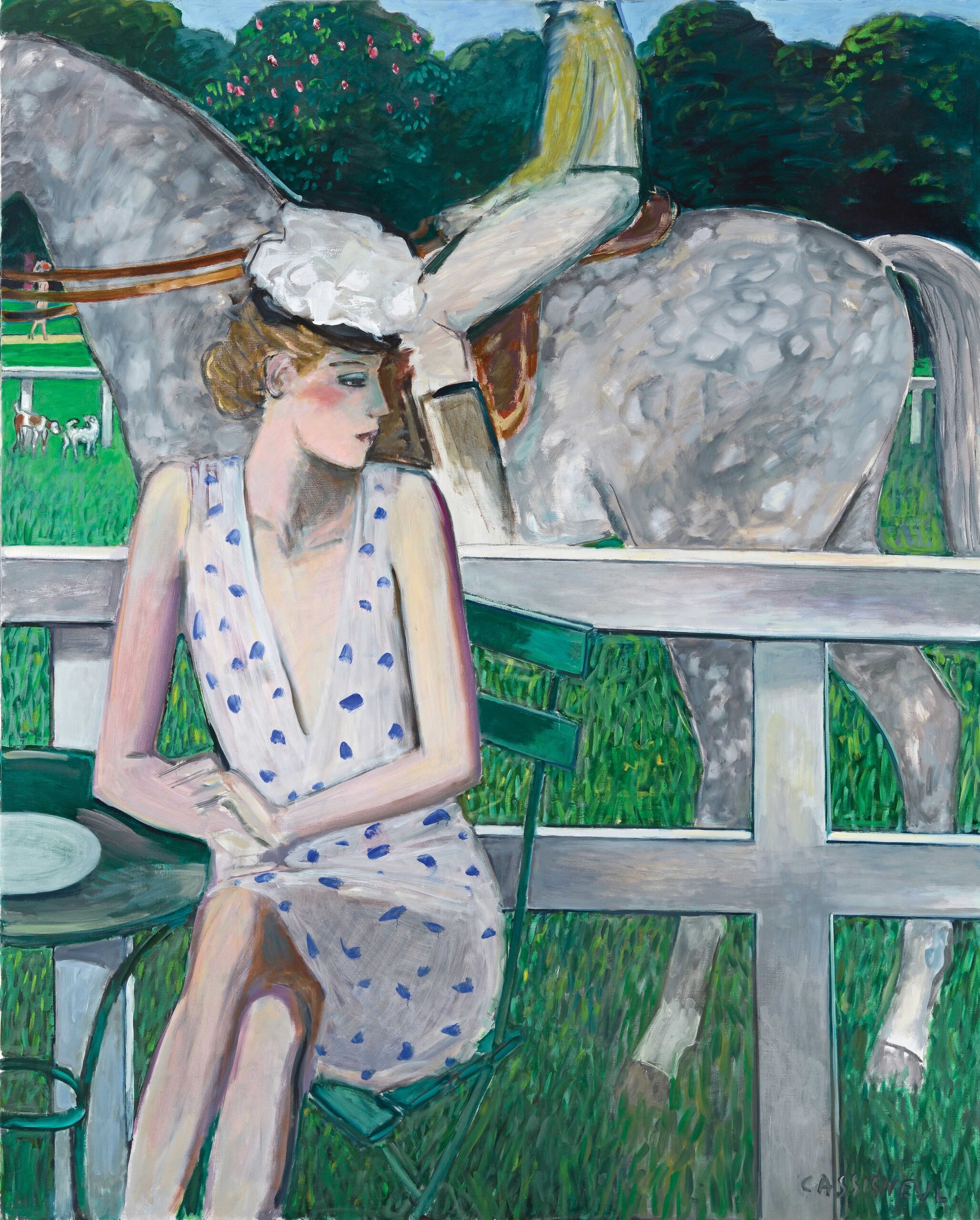
Jean-Pierre Cassigneul (b. 1935, Paris) stands as one of the most distinctive voices in post-war French painting, celebrated for his poetic depictions of women, gardens, and domestic interiors. Known for a refined chromatic sensibility and an unmistakable lyrical restraint, Cassigneul’s canvases evoke a world of quiet introspection, intimacy, and cultivated elegance. His favored subjects—often women in wide-brimmed hats, seated in reflective interiors or bathed in dappled sunlight—occupy a realm suspended between modernity and nostalgia.

Cassigneul held his first solo exhibition at seventeen and pursued formal studies at the Académie Charpentier and the École des Beaux-Arts under Jean Souverbie, later apprenticing in the studio of Roger Chapelain-Midy. In 1959, he was appointed to the Salon d’Automne, marking his early recognition among France’s post-war artistic circles. His affinities with Bonnard, Vuillard, and the expressive vibrancy of Kees van Dongen informed a visual language defined by luminous palettes, bold contours, and a distinctive graphic clarity that often recalls the aesthetics of woodblock printing and Nabis-era colorism.

Cassigneul’s career developed in close dialogue with international audiences. He first exhibited with Wally Findlay in 1968, inaugurating a transatlantic relationship that helped introduce his work to American collectors throughout the 1970s and 1980s. Over subsequent decades, he exhibited widely across Europe, the United States, and Japan, where his work continues to enjoy exceptional popularity. His paintings are held in notable private and public collections, including the Musée d’Art Moderne de Paris and the Izu Lake Ippeki Museum, Japan.

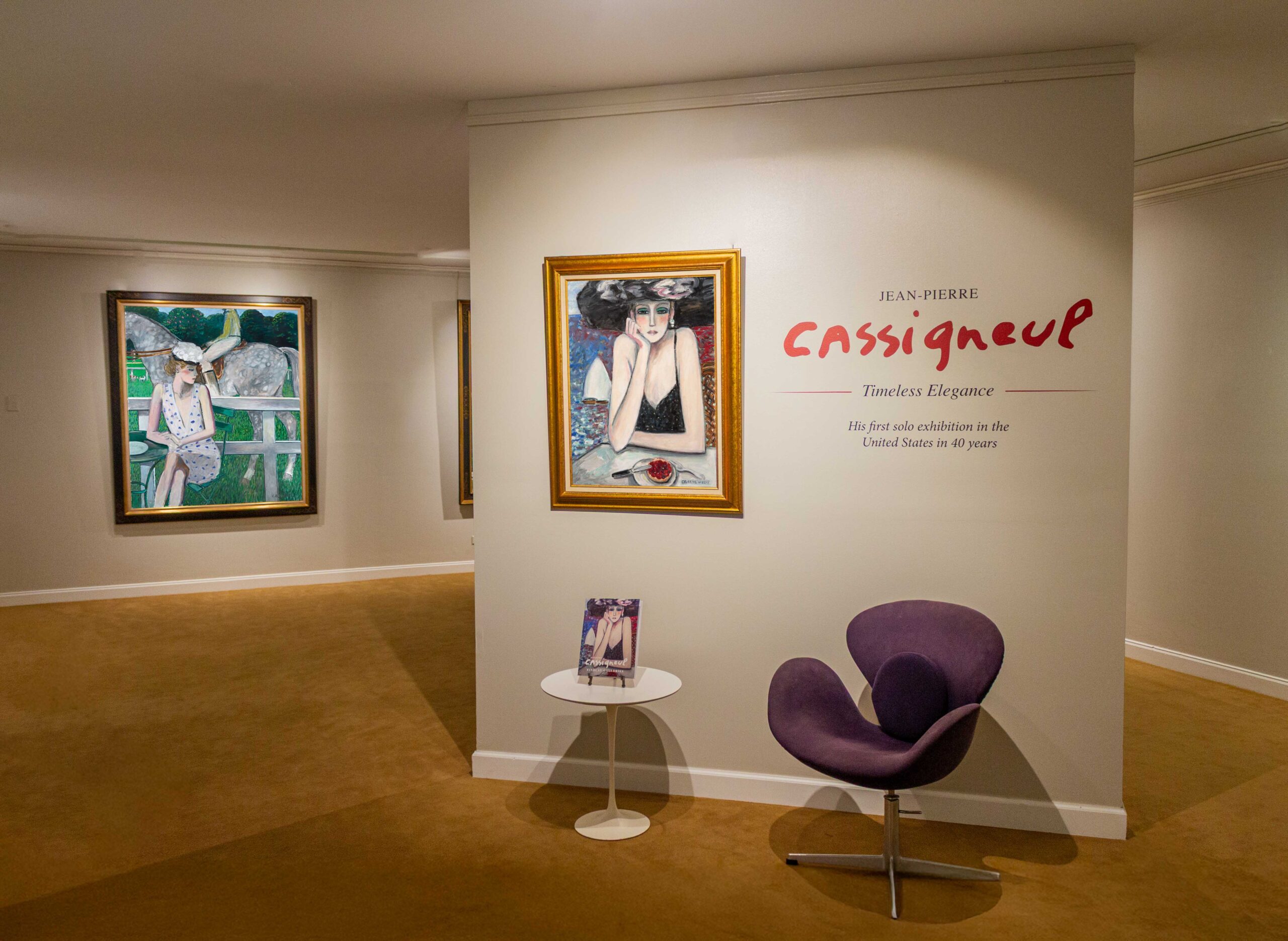
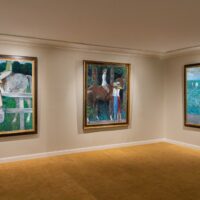
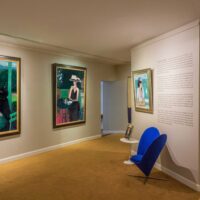
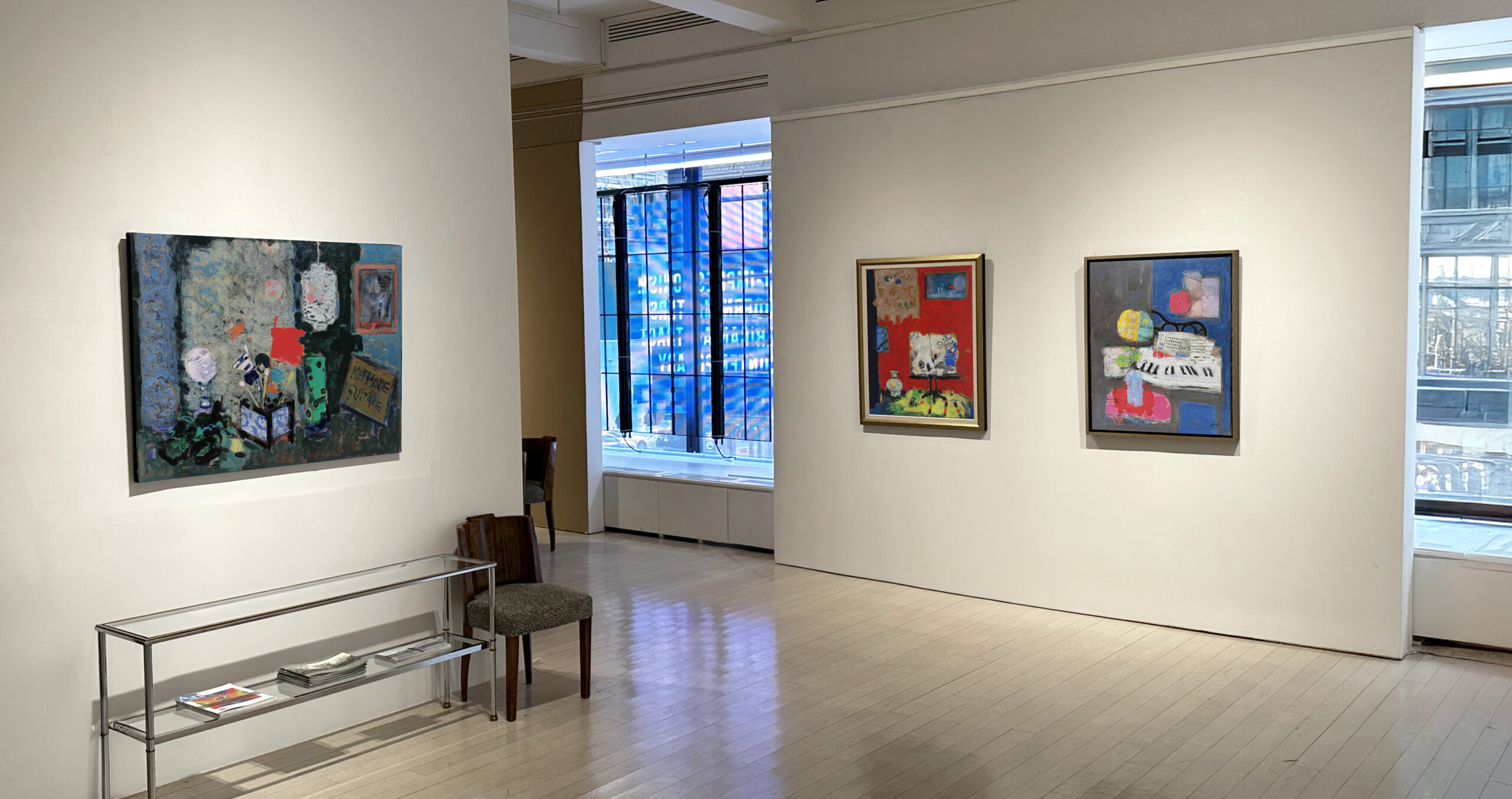
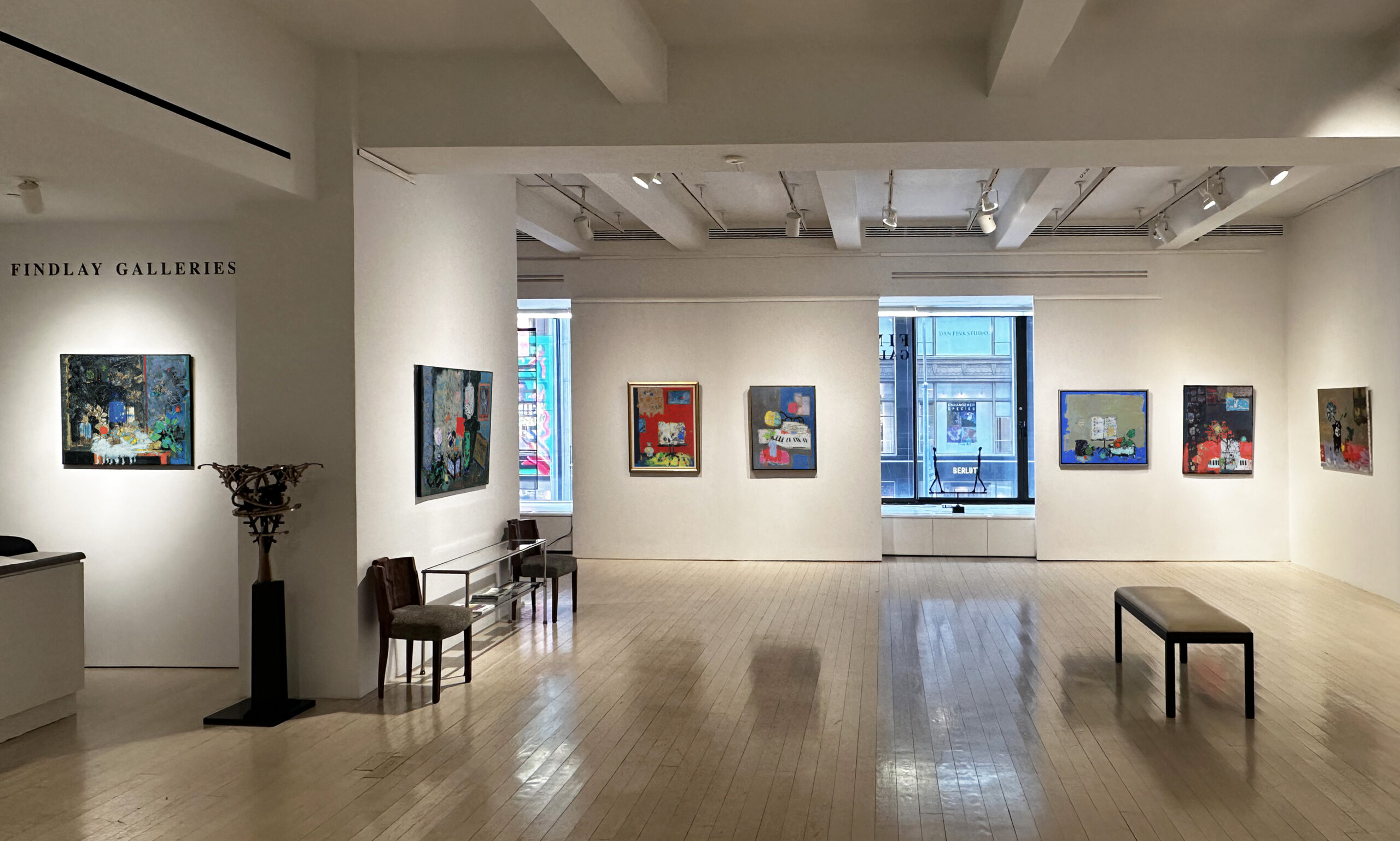
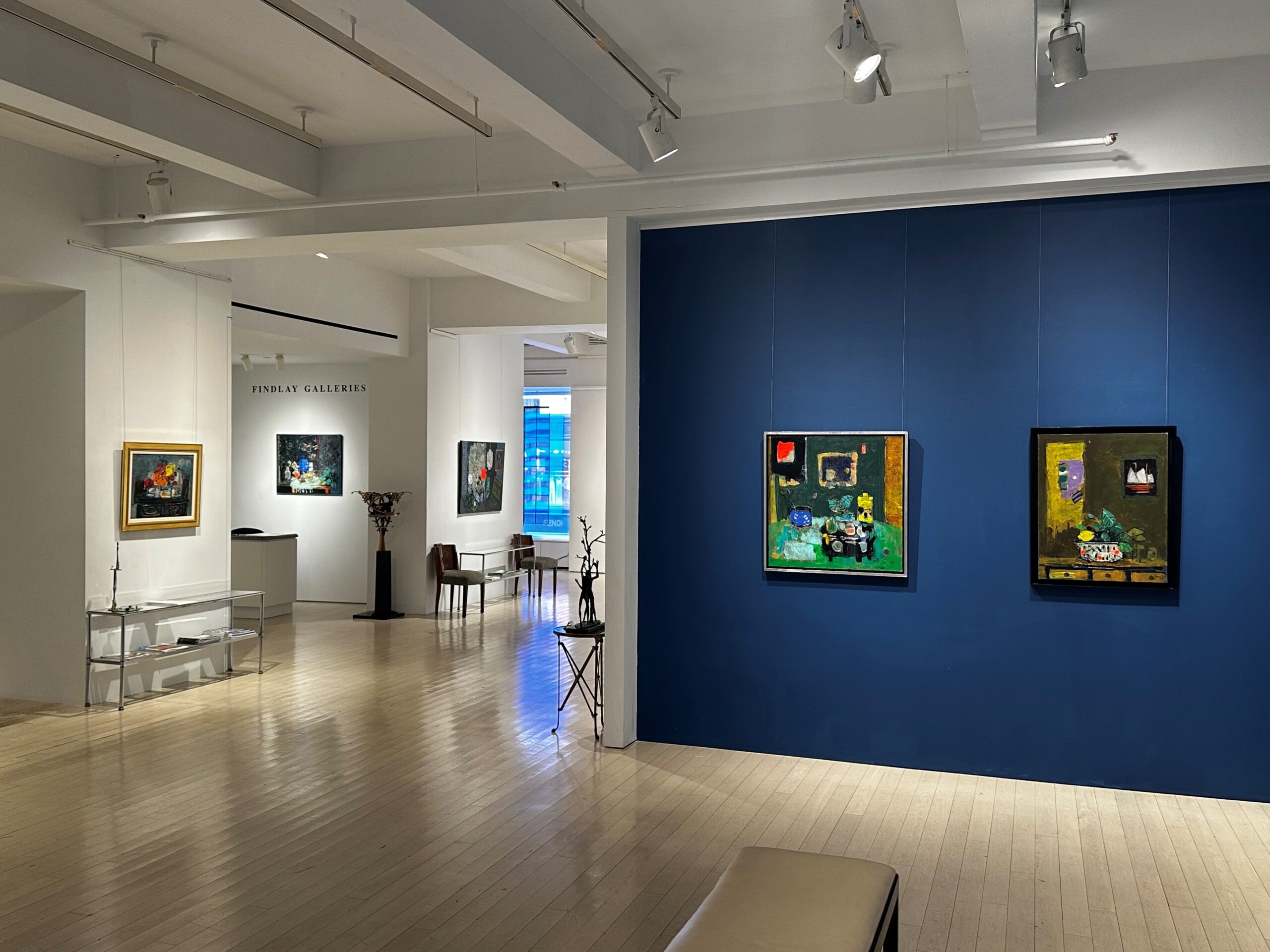
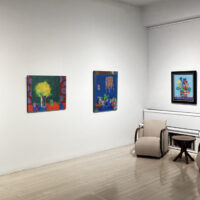
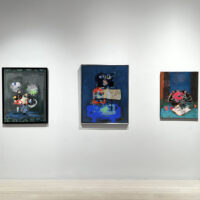
Timeless Elegance, presented by Findlay Galleries, marks Cassigneul’s first solo exhibition in the United States in 40 years. The works featured in the exhibition attest to the maturity of his late style, in which luminous harmonies of color and expressive linearity coalesce into compositions of emotional clarity and understated restraint. These recent paintings reaffirm Cassigneul’s longstanding pursuit of capturing fleeting instants—moments, in his own words, “of reflection and silence”—and preserving them through a timeless visual language.

Get in Touch

Contact your gallery to enquire about a work of art, for more information on the exhibition, or to schedule an appointment.
James Muldoon2026 Jean-Pierre Cassigneul – Timeless Elegance | New York Exhibition

Chuang Che – Rediscovered Works | New York Exhibition

Chuang Che

Rediscovered Works

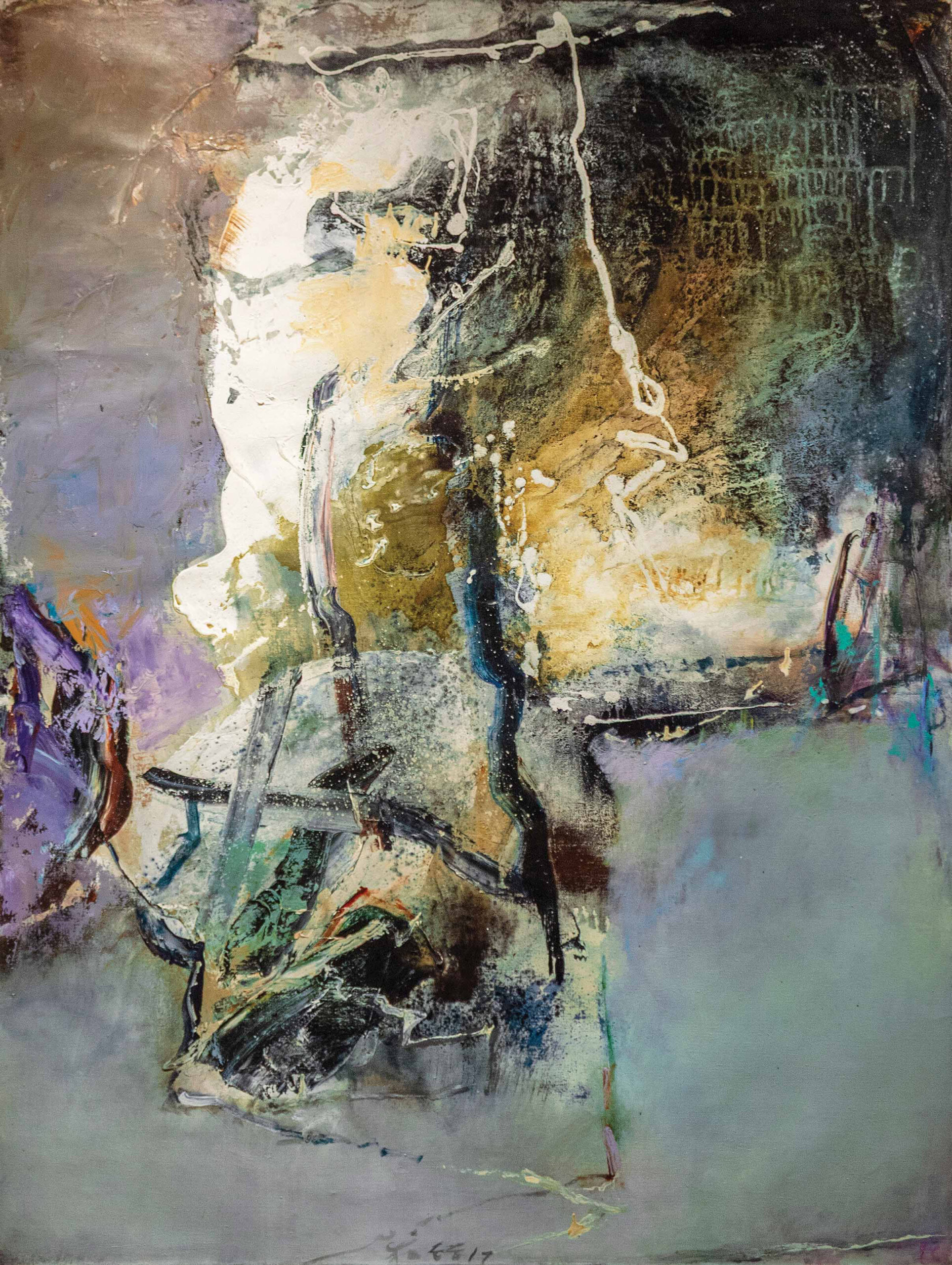
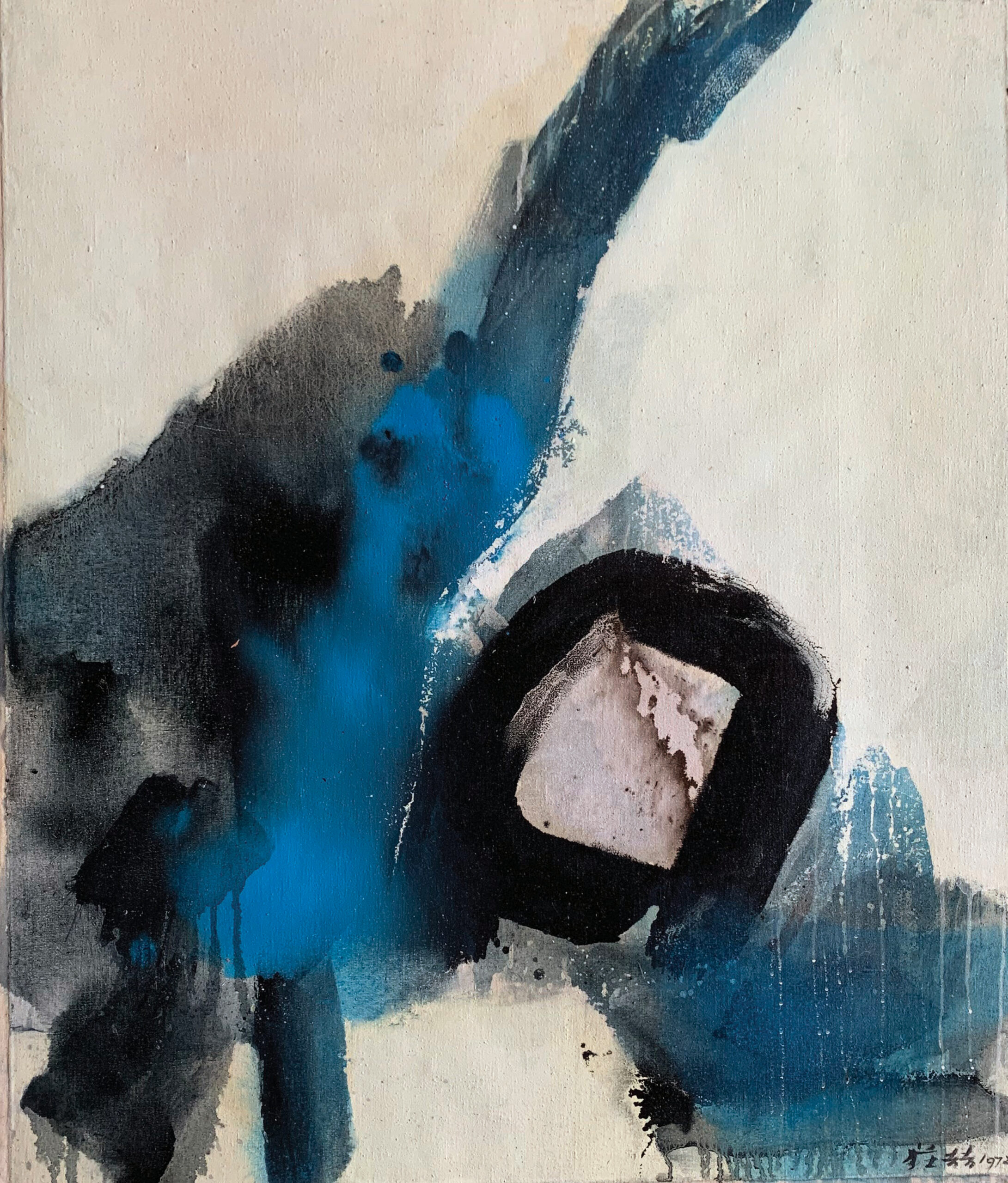
Born in Peiping (now Beijing) in 1934, Chuang Che established an international reputation for his innovative synthesis of Eastern and Western painting traditions. The son of renowned scholar, calligrapher, and Palace Museum director Chuang Yen, he was introduced to classical Chinese painting and calligraphy at an early age. After completing his studies in the Fine Arts Department at National Taiwan Normal University from 1954 to 1957, Che received a J.D. Rockefeller III Fund travel grant in 1966 that enabled him to study in the United States and travel throughout Europe. In 1973, he and his wife moved to the United States, settling first in Ann Arbor, Michigan, before relocating to Yonkers, near New York City, in 1987. His paintings are now held in numerous international museum collections, including the Cleveland Museum of Art, Detroit Institute of Arts, Shanghai Art Museum, Centre Pompidou in Paris, the Hong Kong Museum of Art, the Musée Cernuschi in Paris, and the Spencer Museum of Art in Lawrence, Kansas.

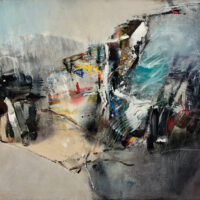
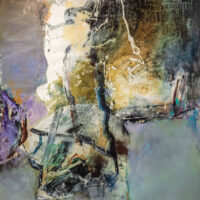
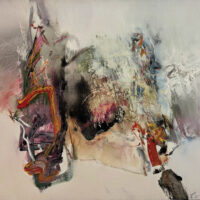
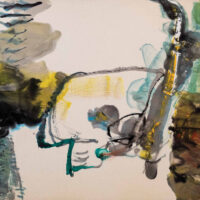
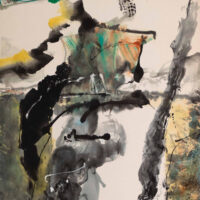
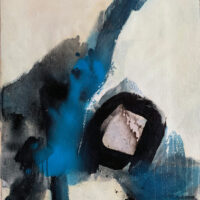
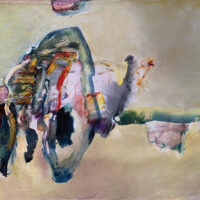
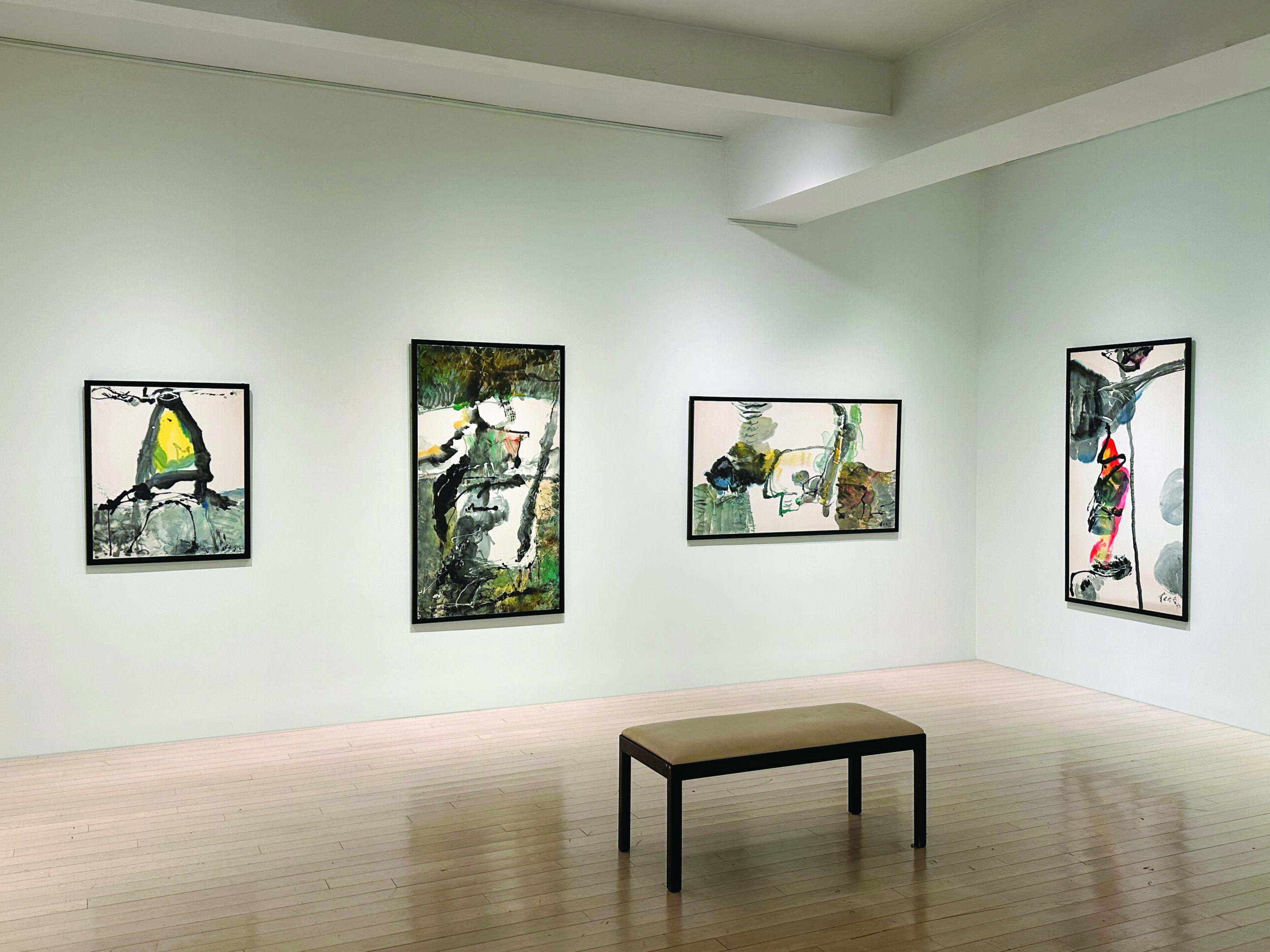
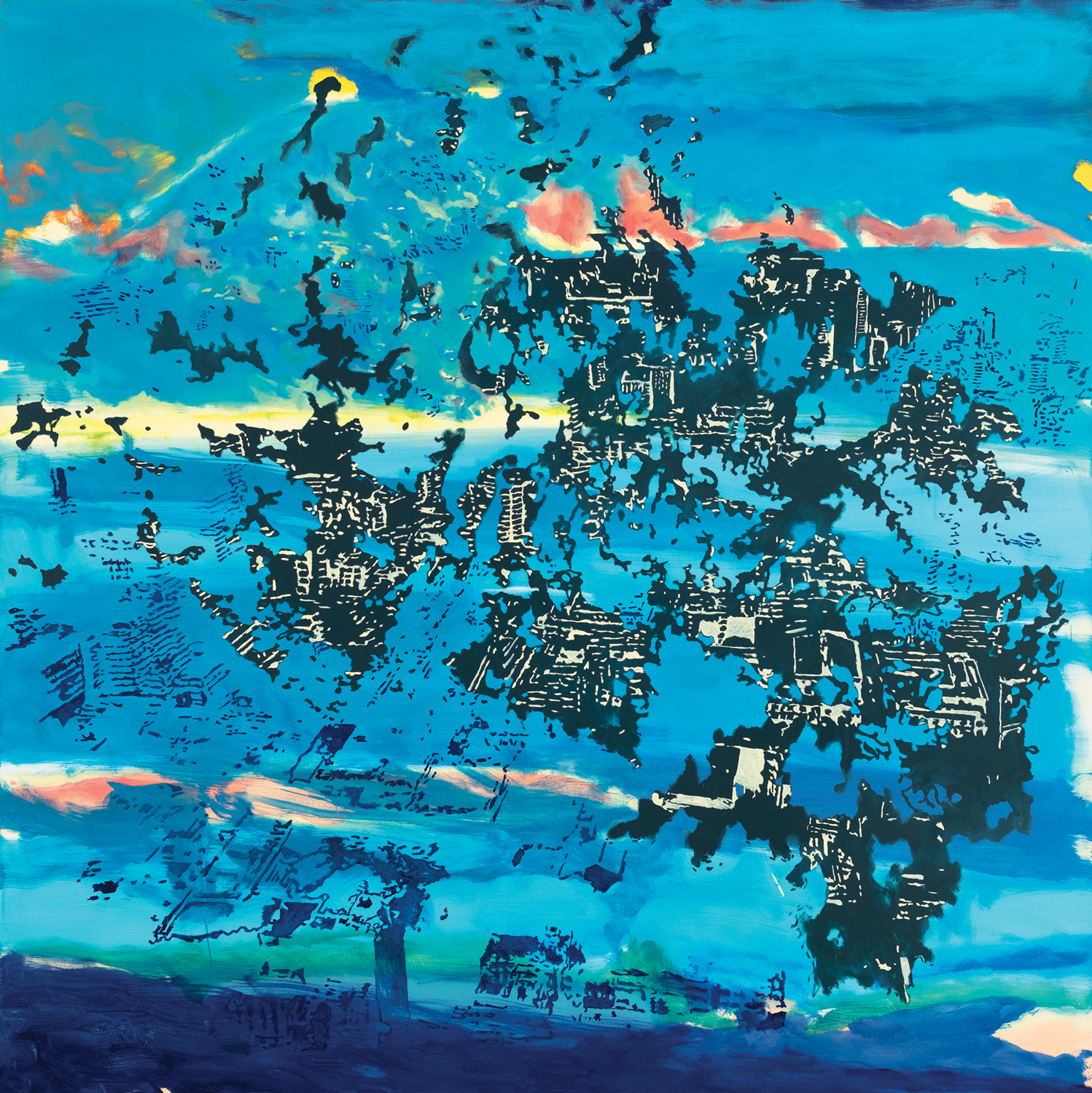
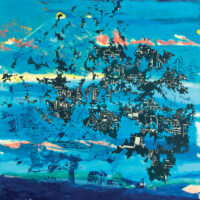
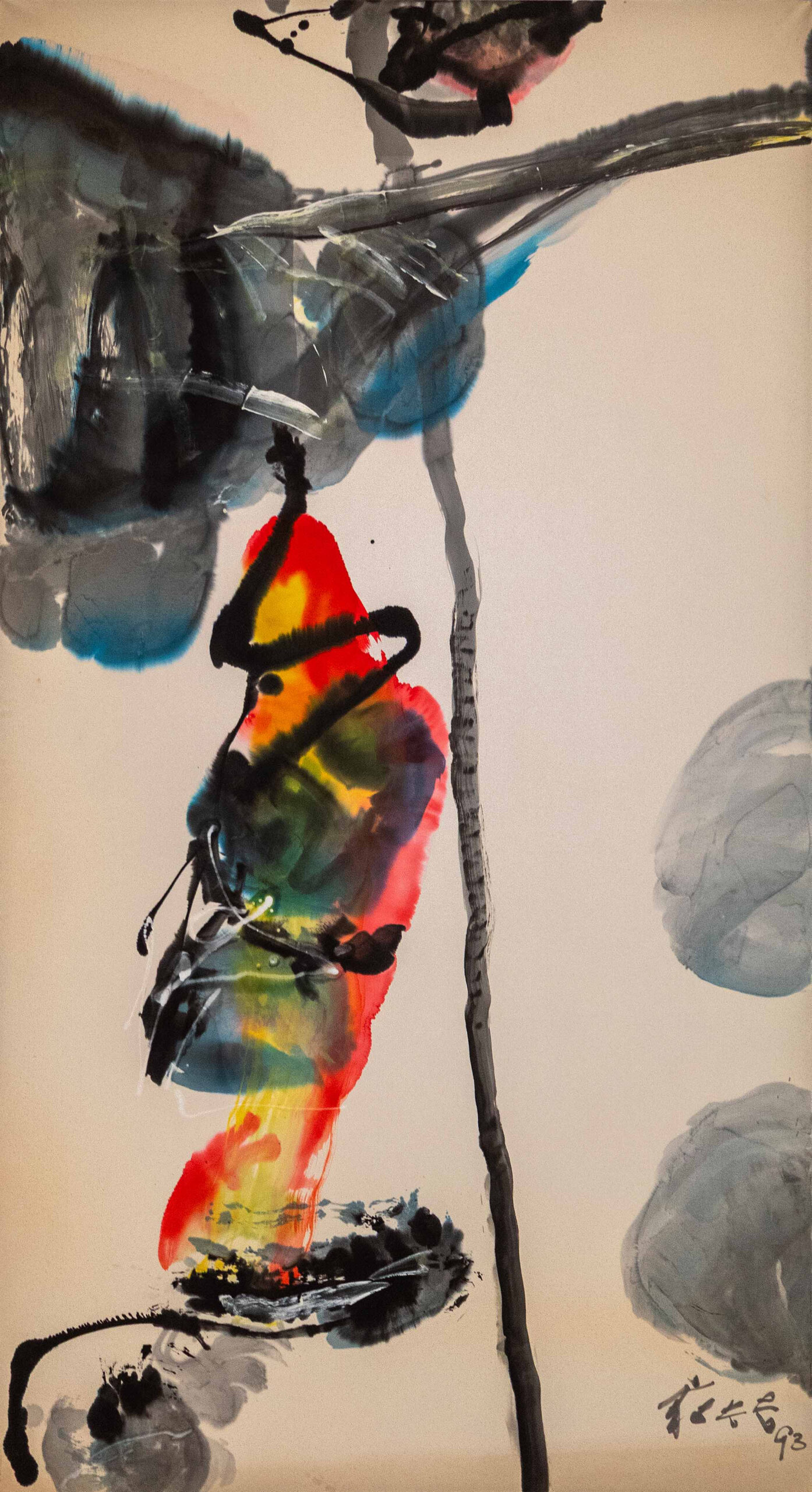
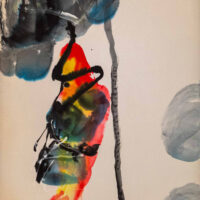
In Che’s work, elegant and spontaneous lines derived from Chinese calligraphy merge with broad gestural brushwork, spatters, and drips influenced by Abstract Expressionism. His palette—burnt umber, emerald green, lavender, and turquoise blue, animated by sweeping black lines—evokes the rhythms and forms of the natural world. As the artist has observed: “Through daily contact and experience, the brush strokes and script variations in calligraphy have now become a part of my creative soul. What I want to do is to rediscover the original nature of calligraphy. Wouldn’t it be truly magnificent to use the strokes of the running cursive to depict the mountains and rivers?”

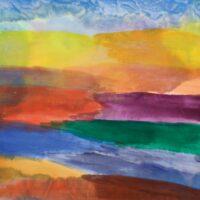
Findlay Galleries is proud to debut nine monumental works on paper by Chuang Che, exhibited here publicly for the first time. Created in 1993, these works were carefully set aside by the artist soon after their completion and remained unseen for more than three decades until their recent rediscovery during a visit to his home. Their vibrant colors remain in pristine condition, retaining a striking immediacy: pigment surges, pools, and disperses with elemental force as dense formations of black and charcoal are balanced by luminous passages of turquoise, mineral green, and flashes of yellow that animate the surface.

Here, gesture becomes structure. Calligraphic arcs sweep across the paper or dissolve into atmospheric washes, while saturated passages yield to translucency, allowing the ground to breathe. Forms evoke stone, water, and shifting terrain without becoming descriptive, emerging and receding in a dynamic interplay of mass and void. Monumental in scale and presence, these works stand as fully realized statements—records of speed, pressure, and movement that preserve a vivid energy held in suspension, at once controlled and spontaneous, lyrical and commanding.

Get in Touch

Contact your gallery to enquire about a work of art, for more information on the exhibition, or to schedule an appointment.
James MuldoonChuang Che – Rediscovered Works | New York Exhibition

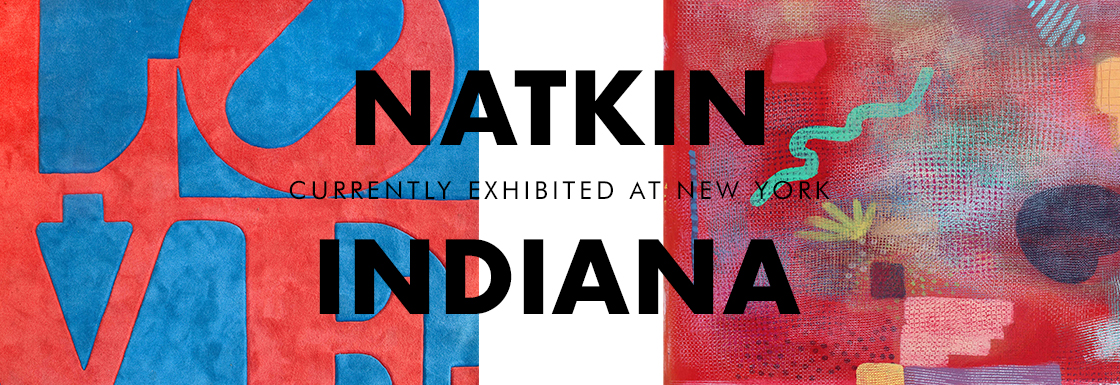
2026 Natkin and Indiana Exhibitions | New York Exhibition

Webpage-banner-3

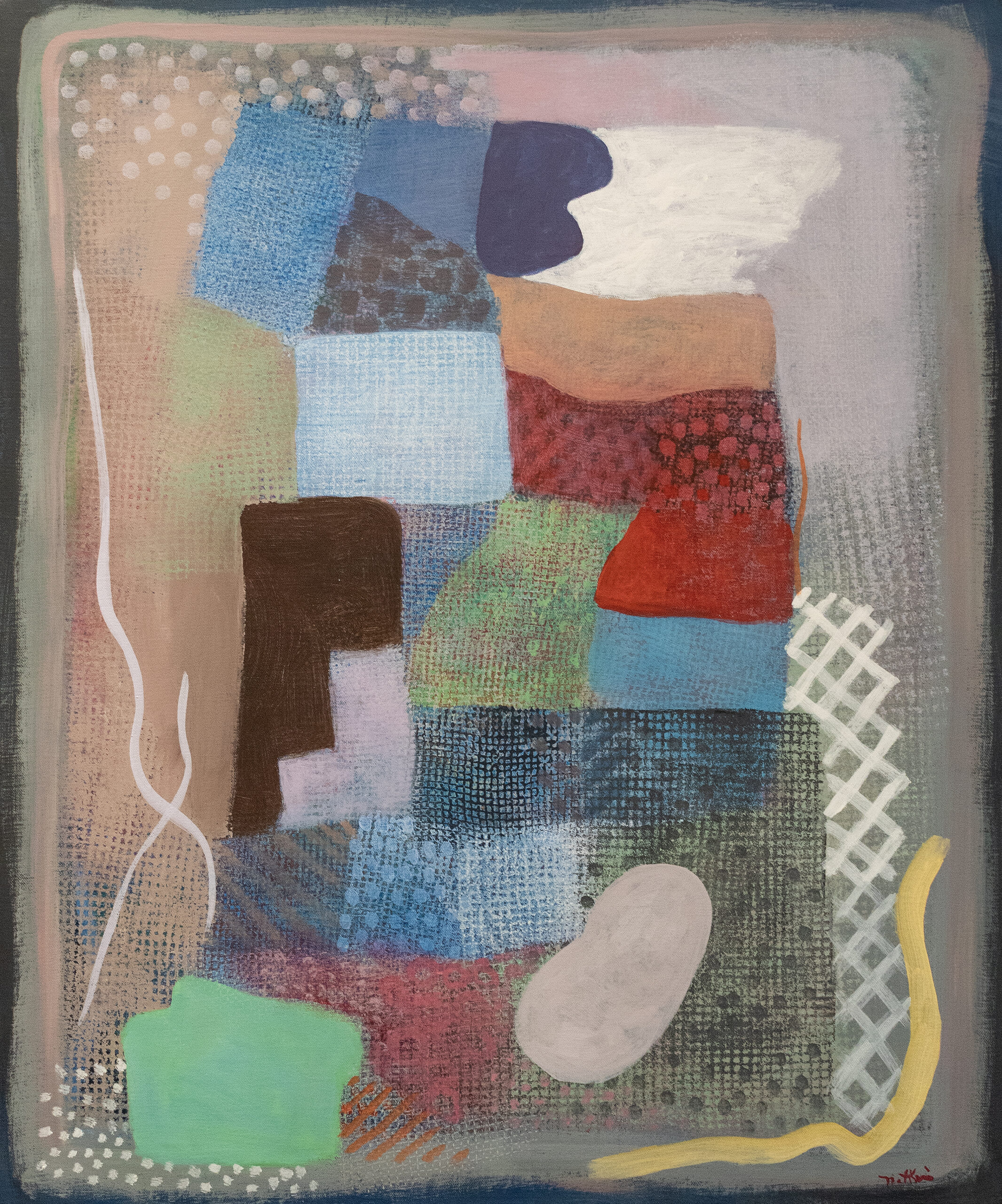
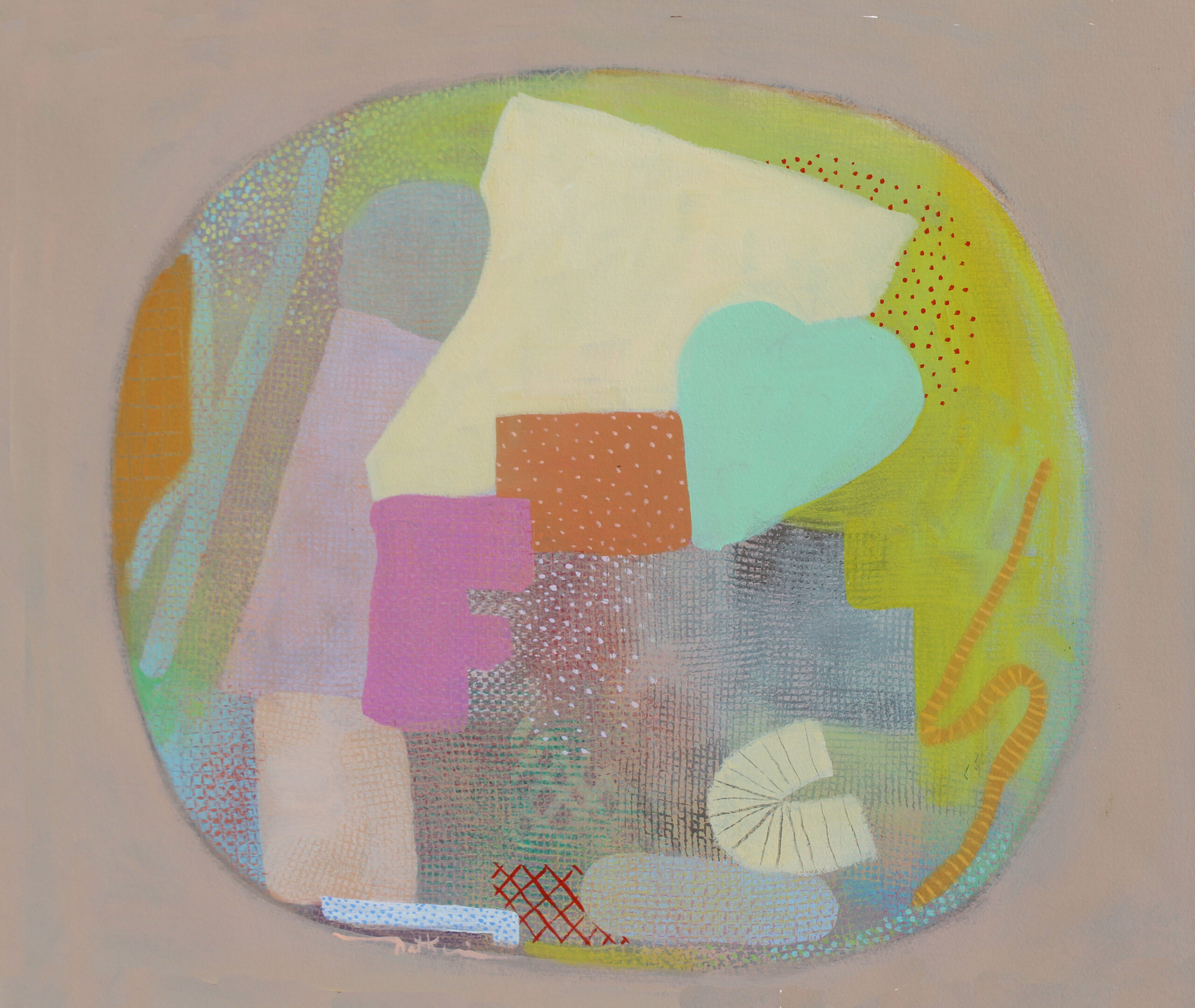
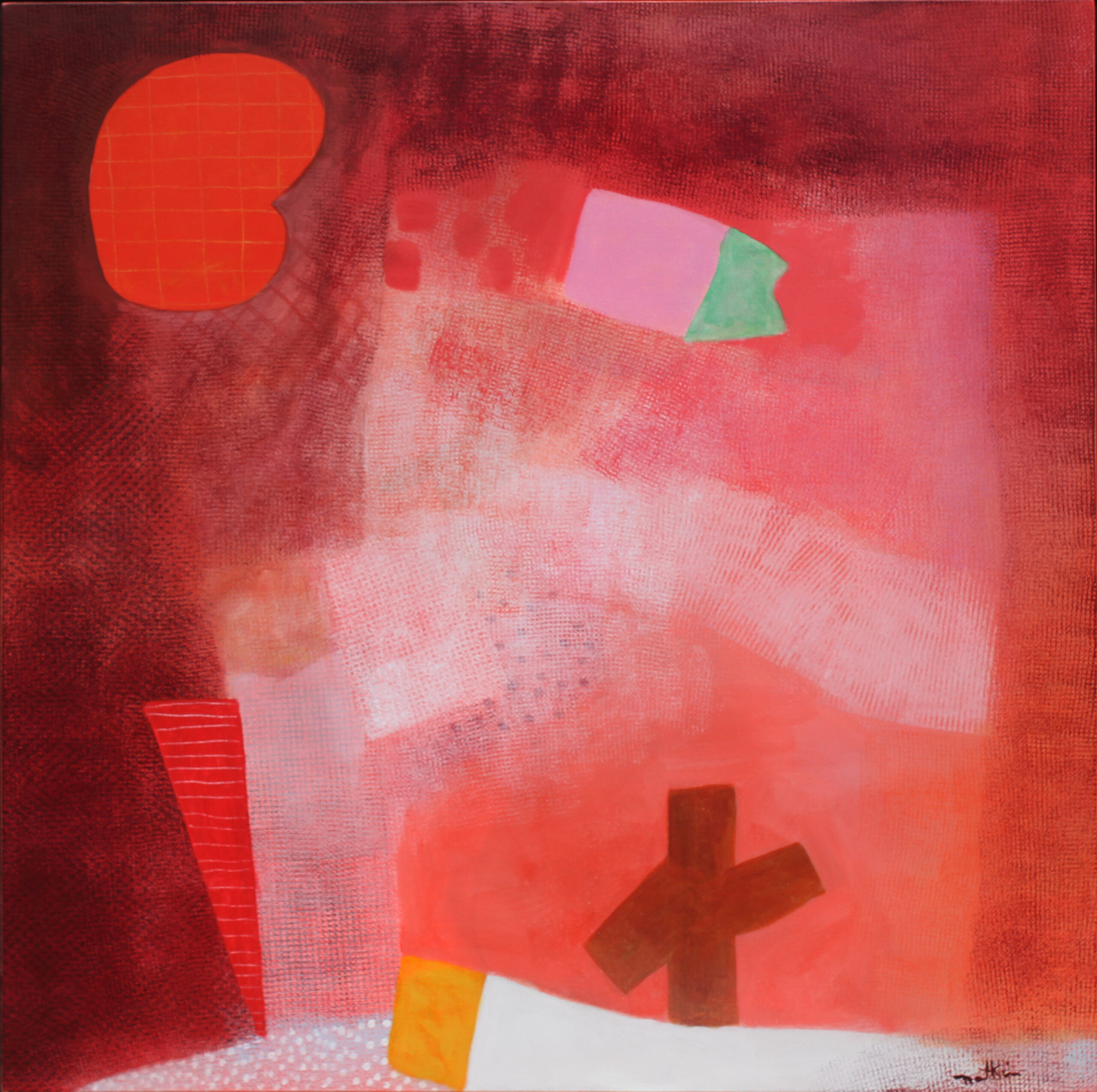
Robert Natkin

(1930-2010)

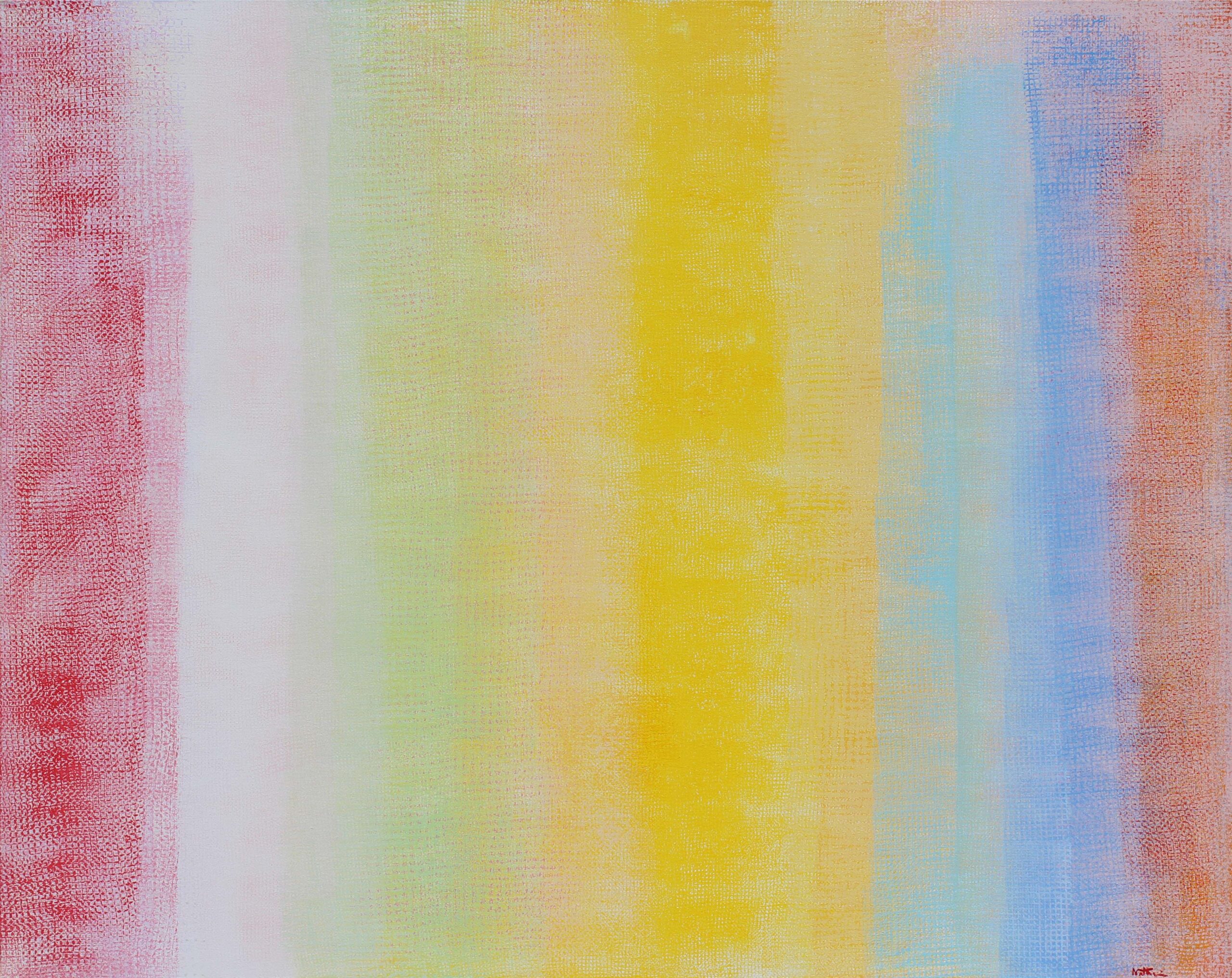
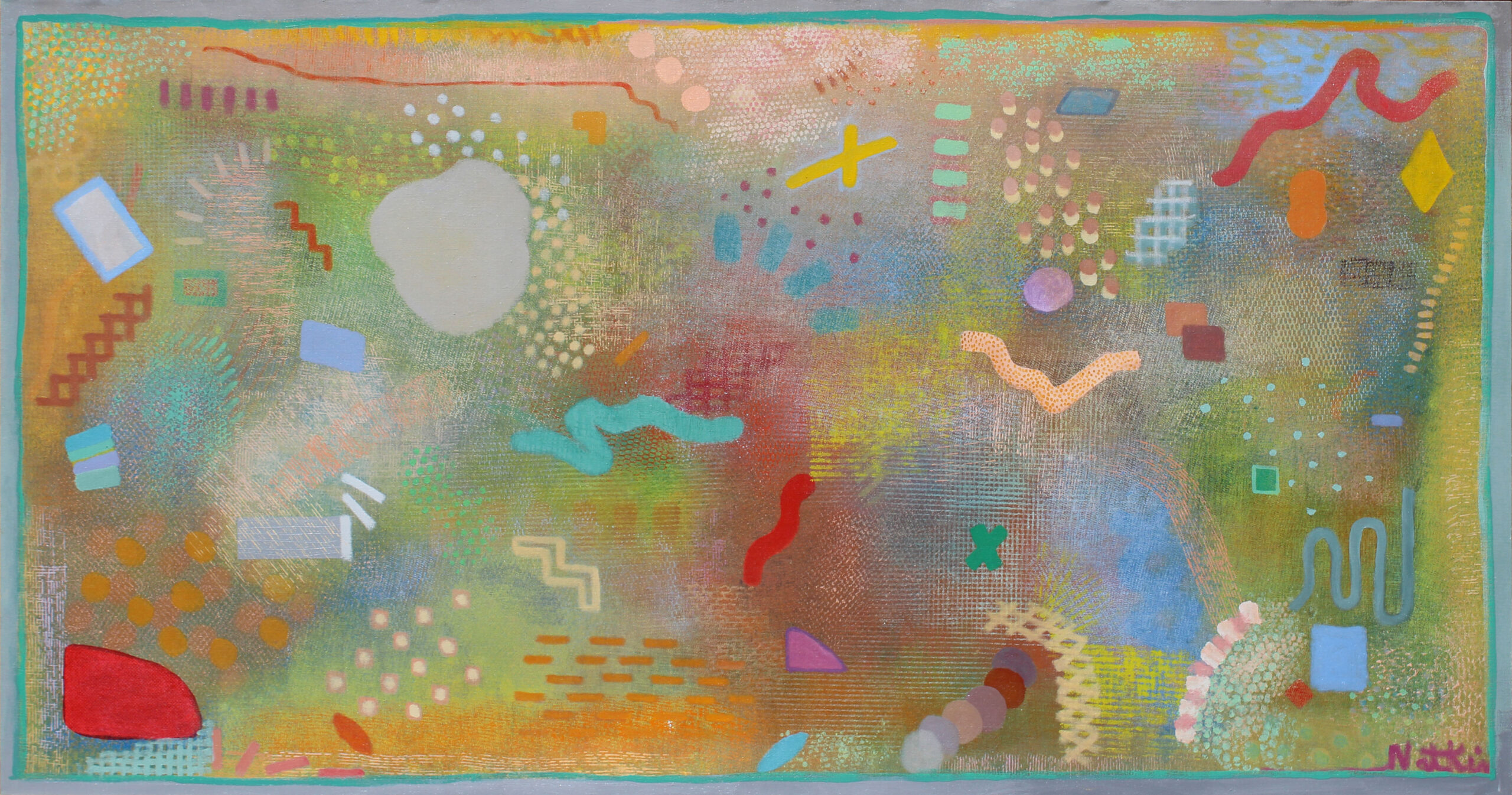
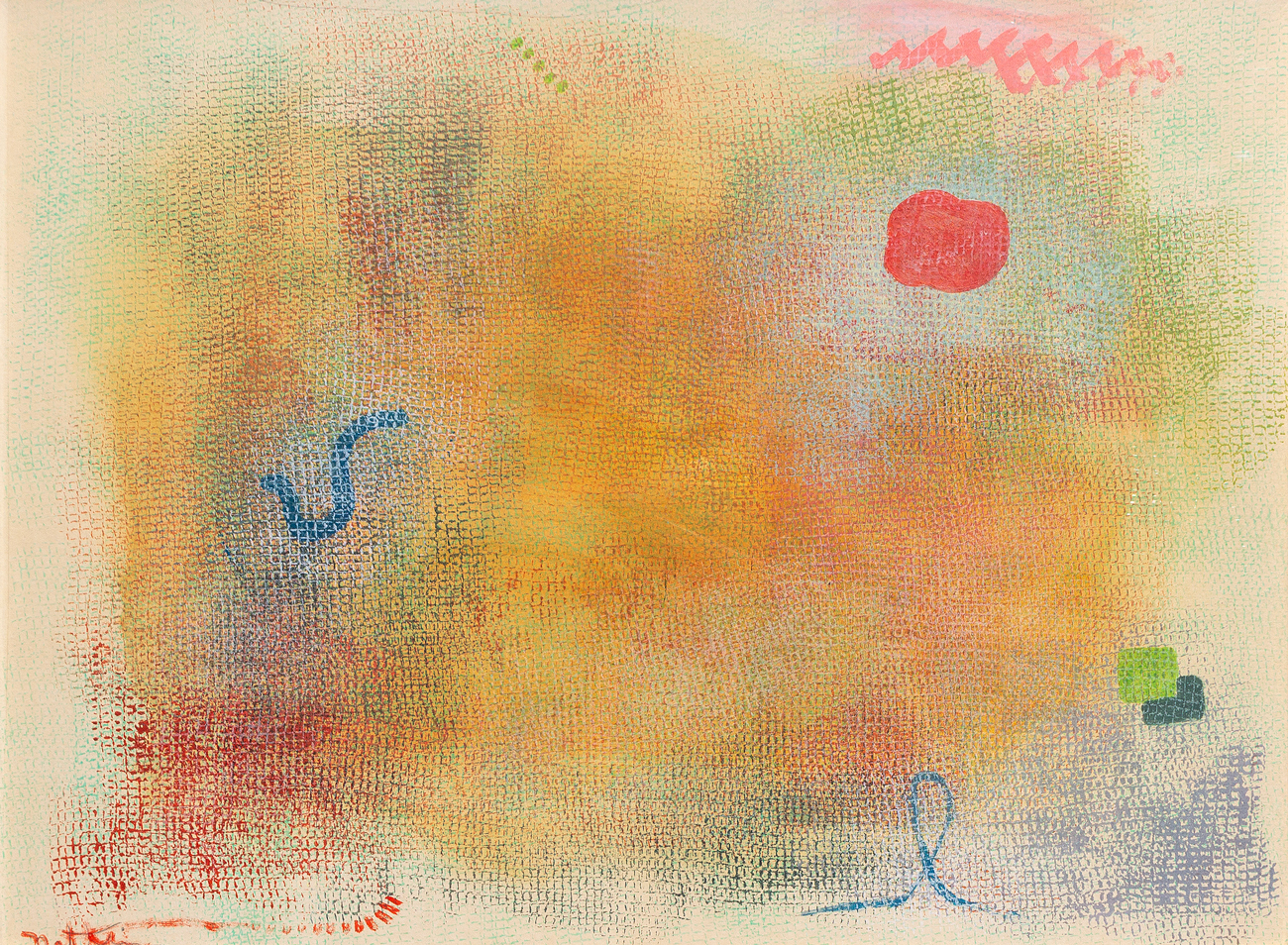
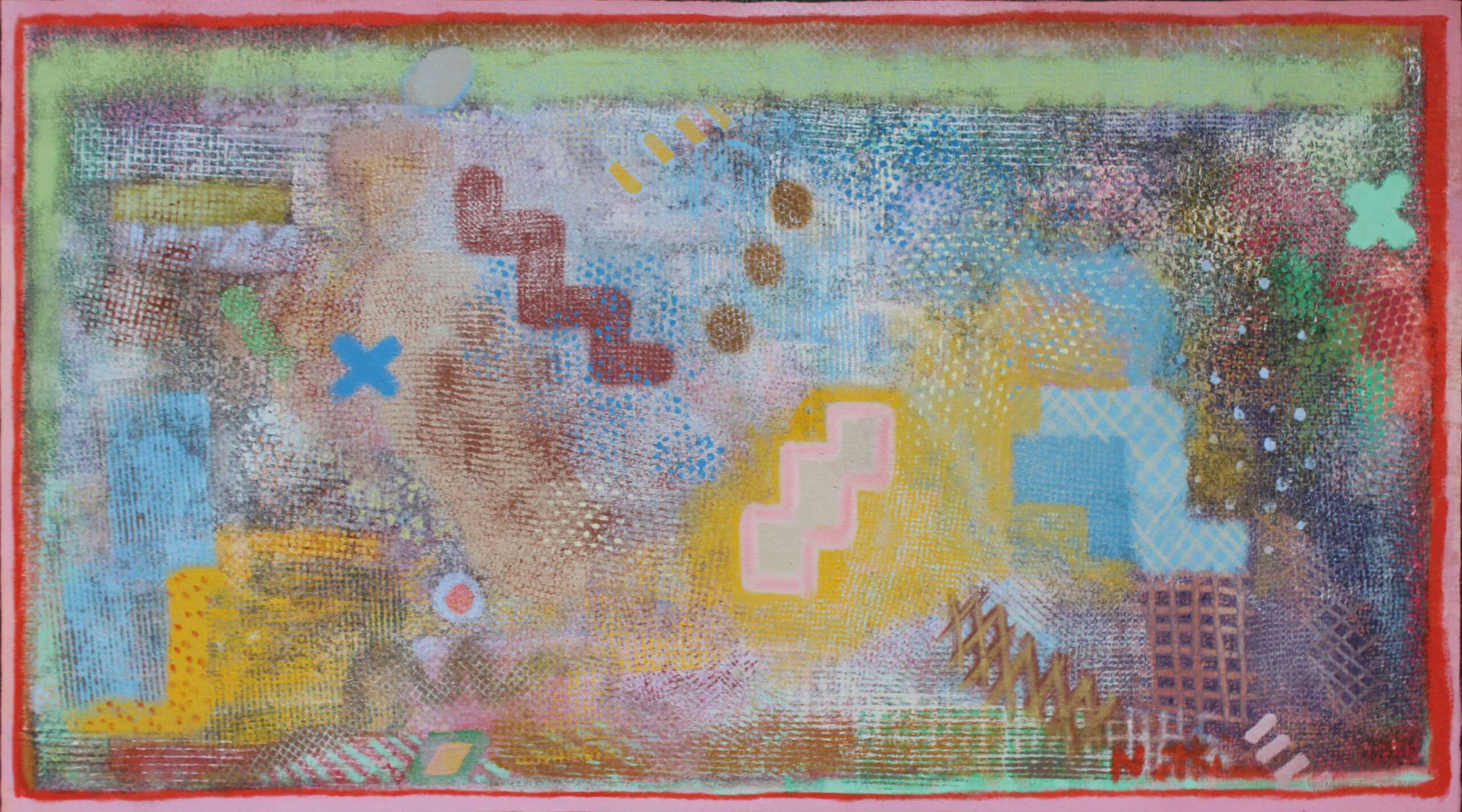
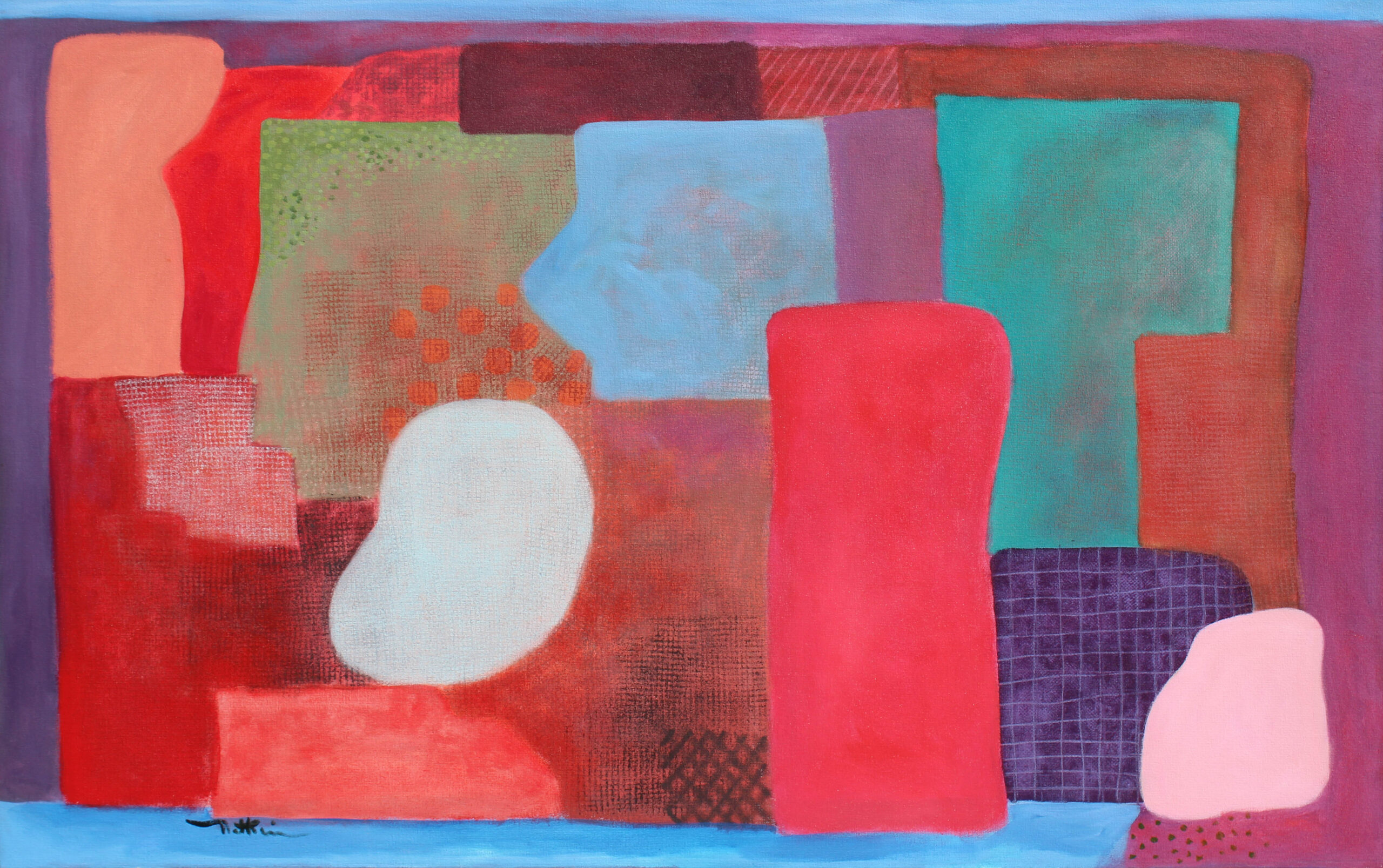
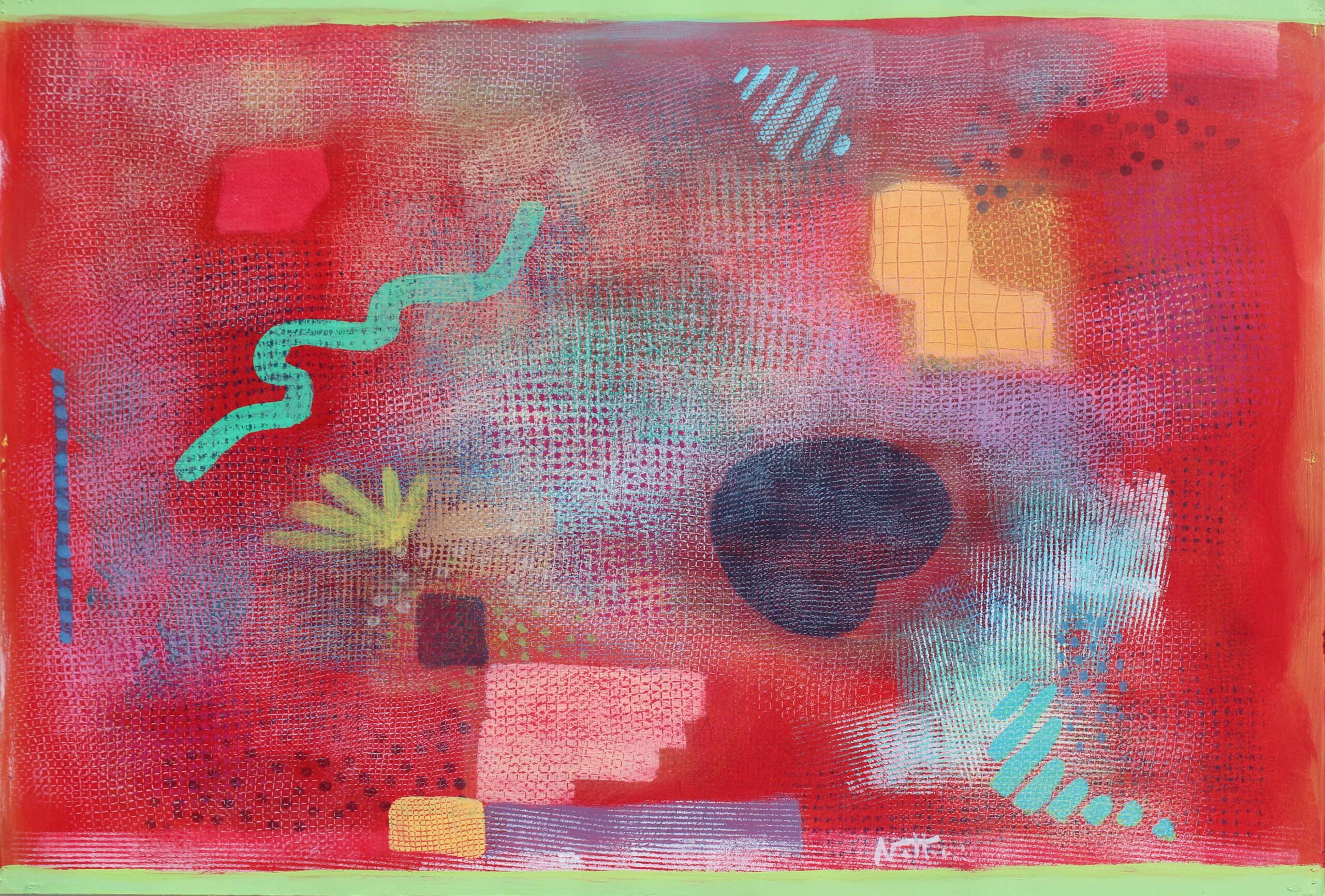
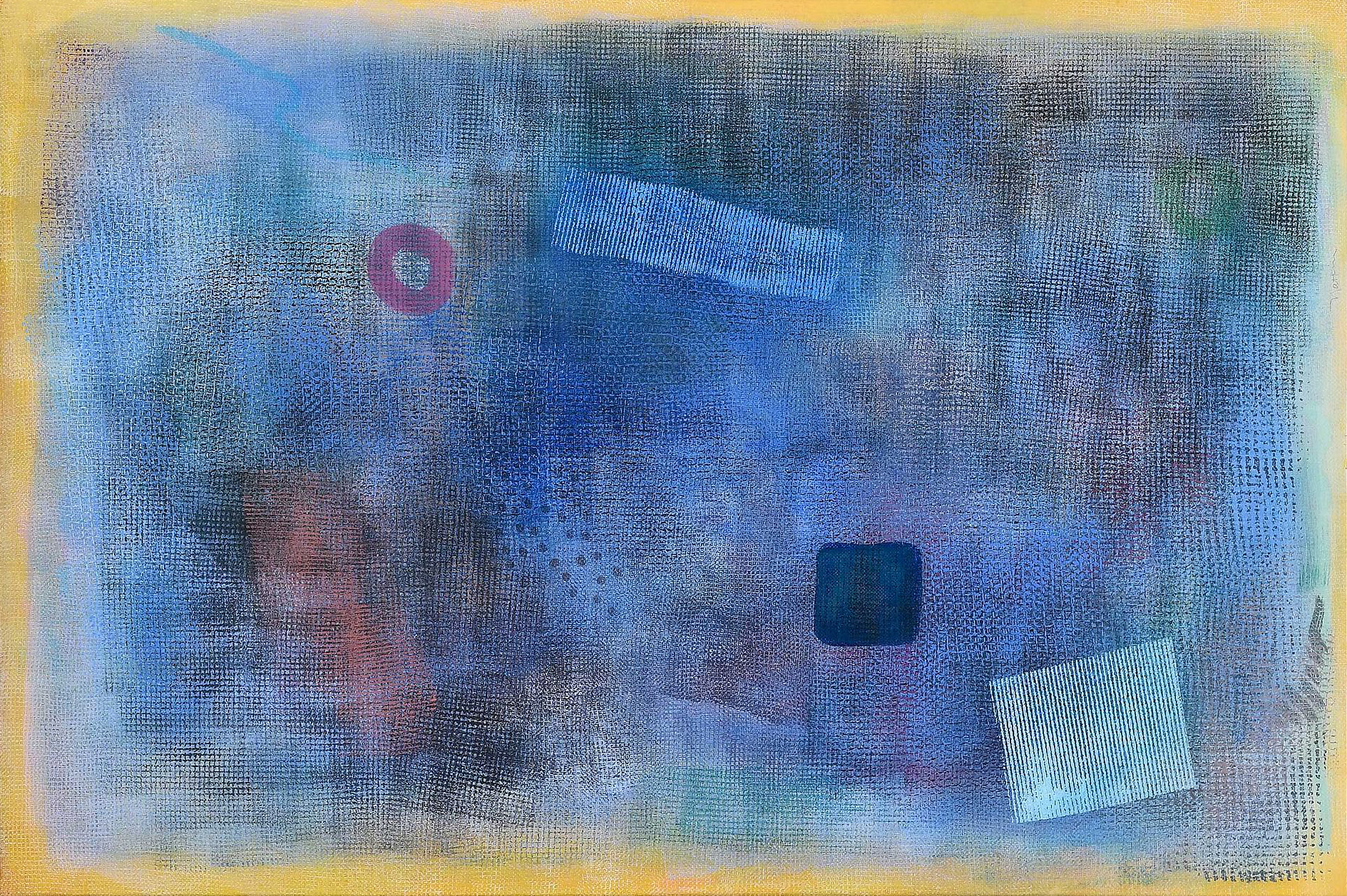
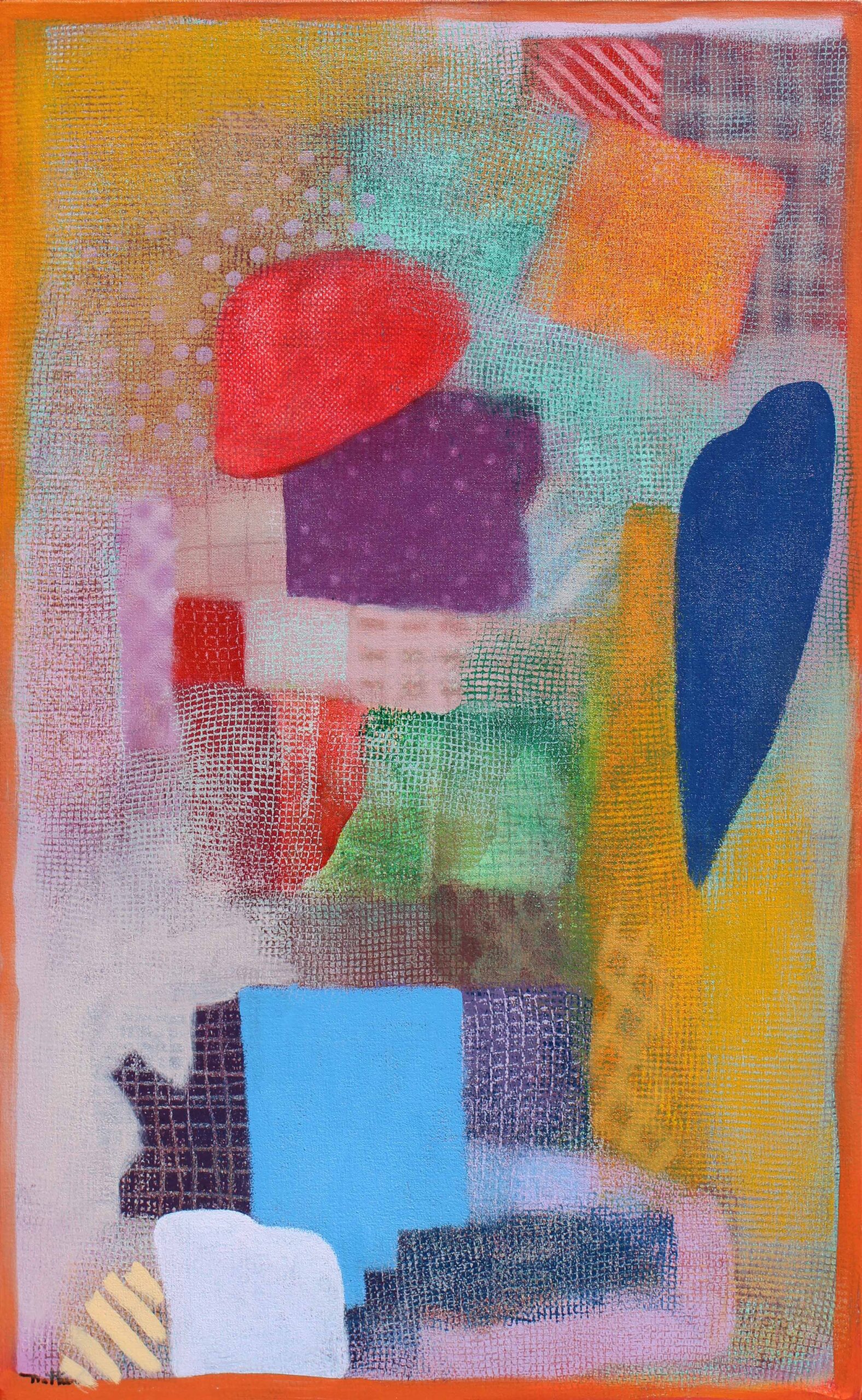
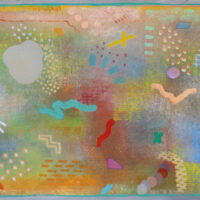
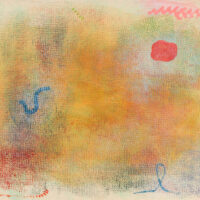
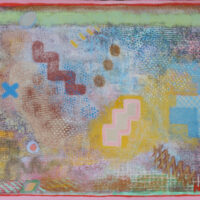
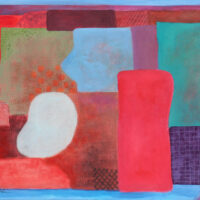
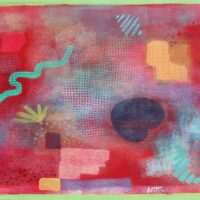
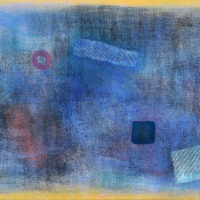
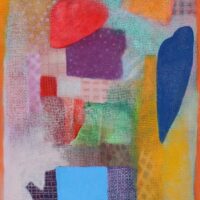
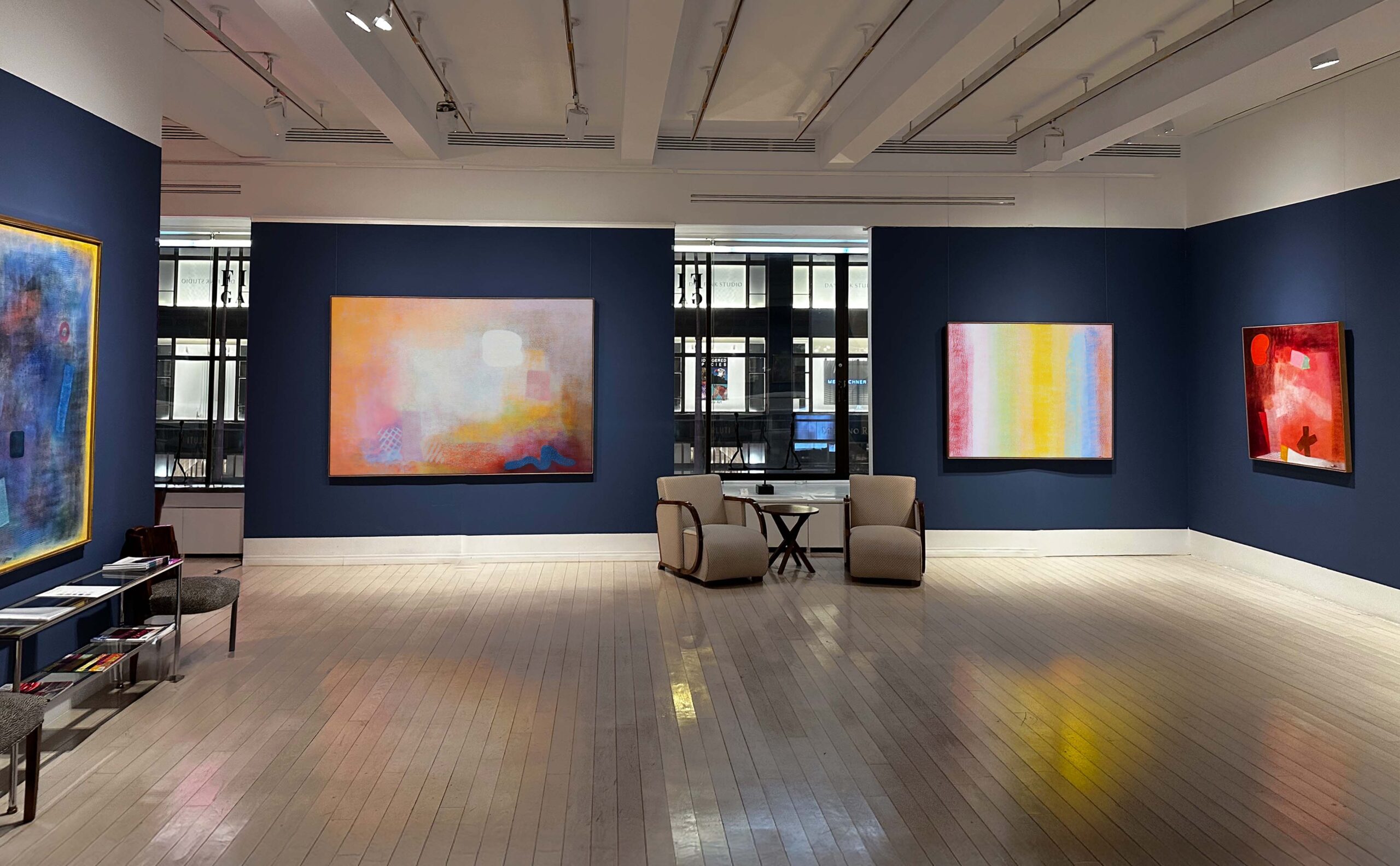
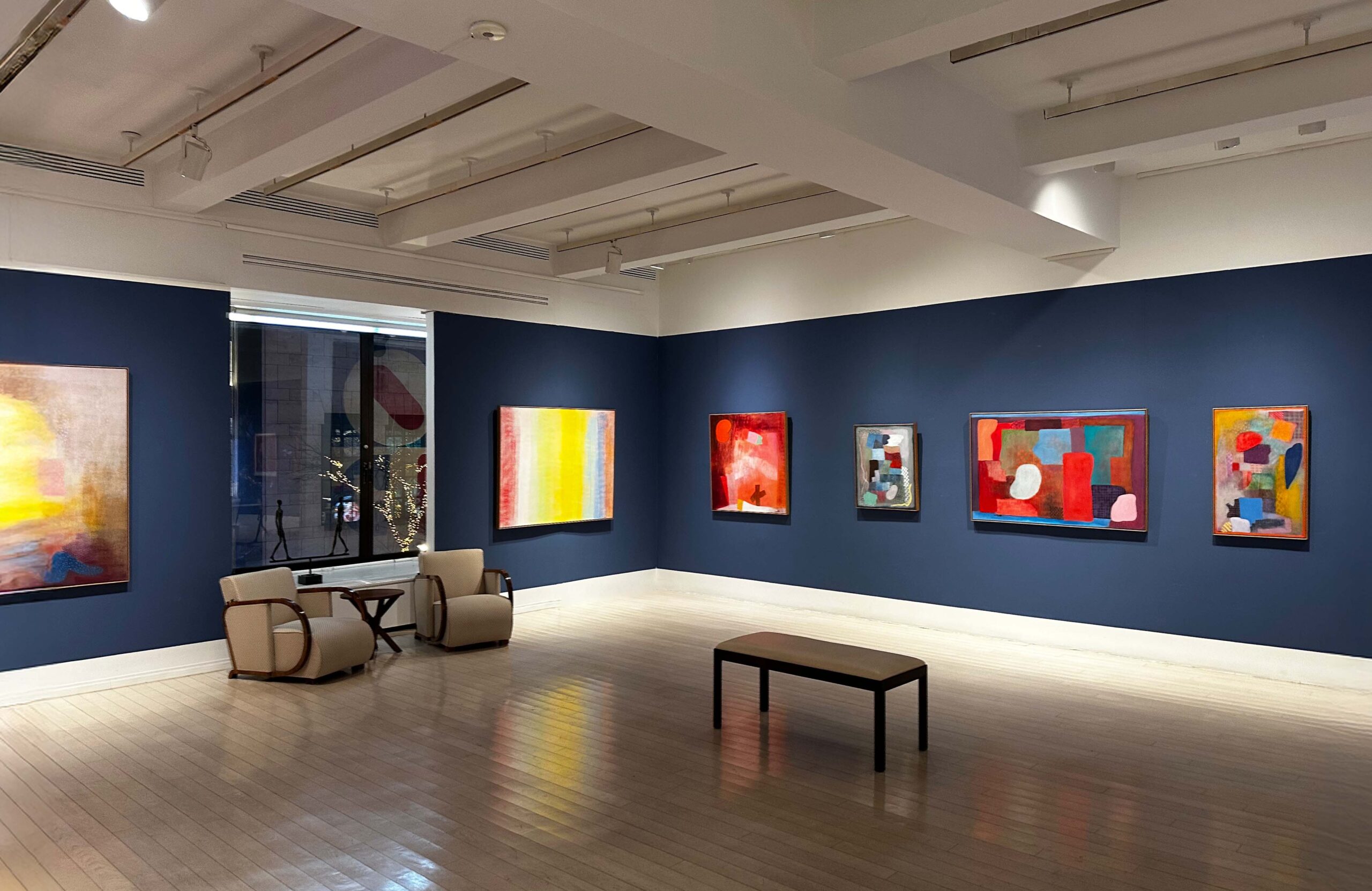
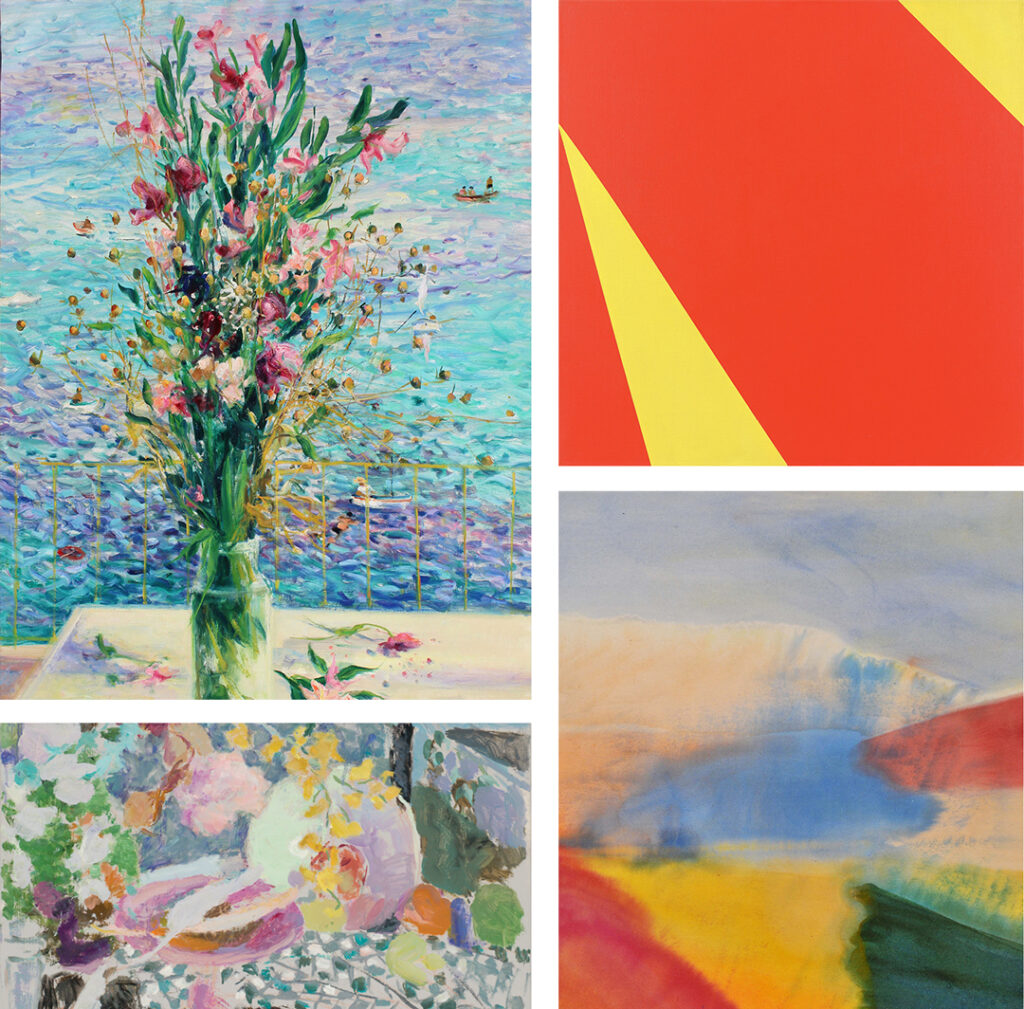
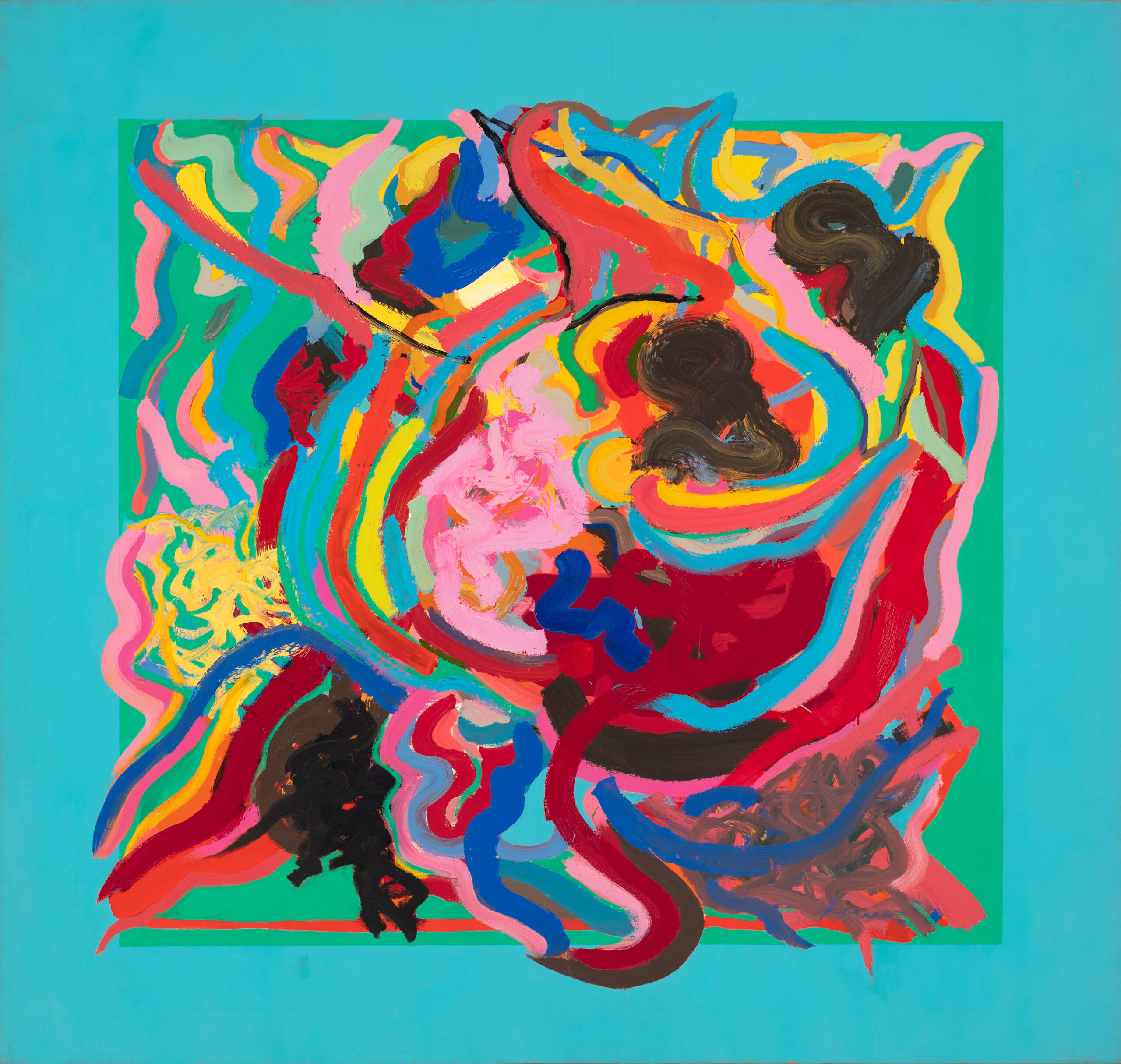
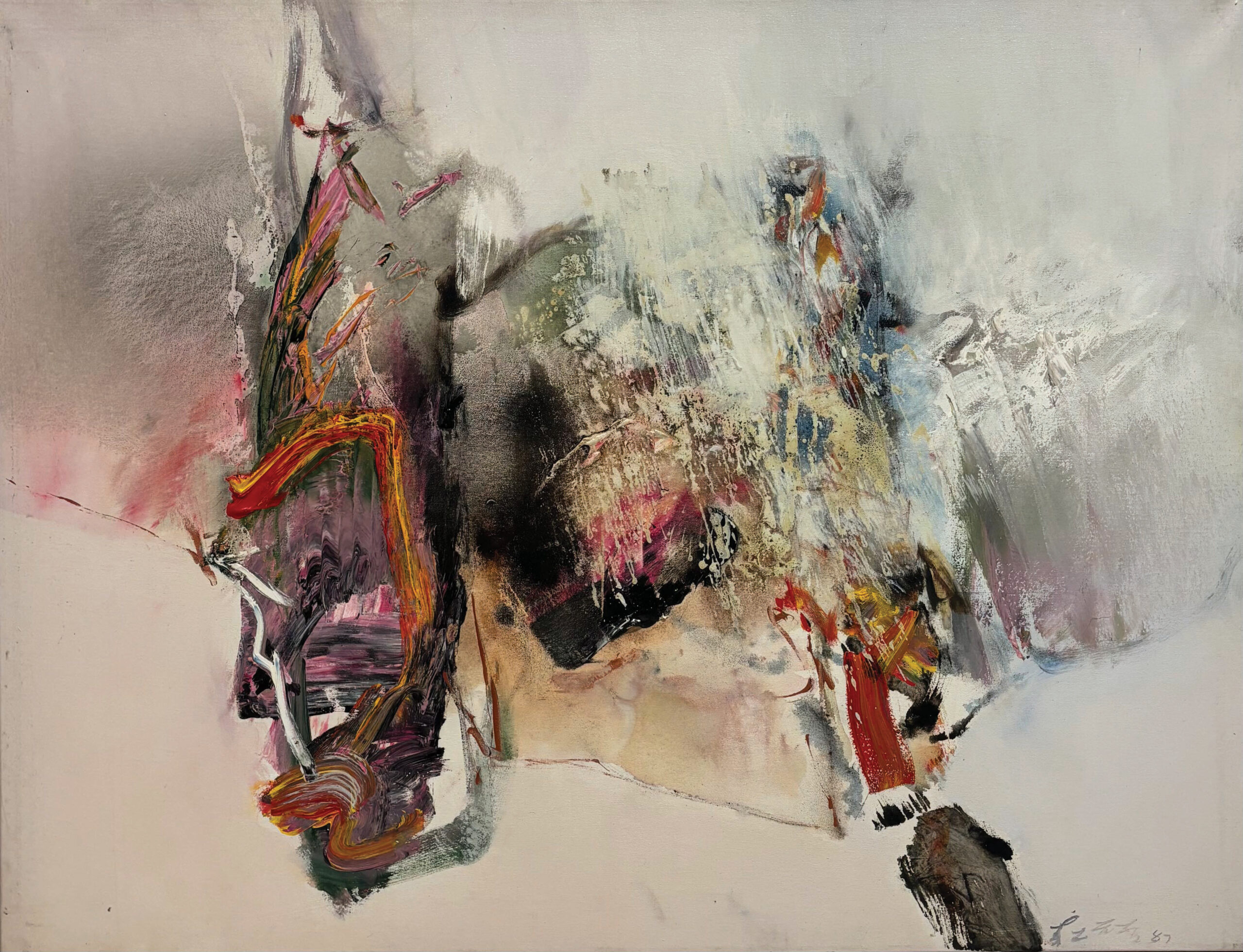
Robert Natkin was a founder of the Lyrical Expressionist movement, whose artists moved away from Minimalism toward a new aesthetic where color and painterly expression returned to painting with a fluidity that contrasted with the gestural nature of Abstract Expressionism.

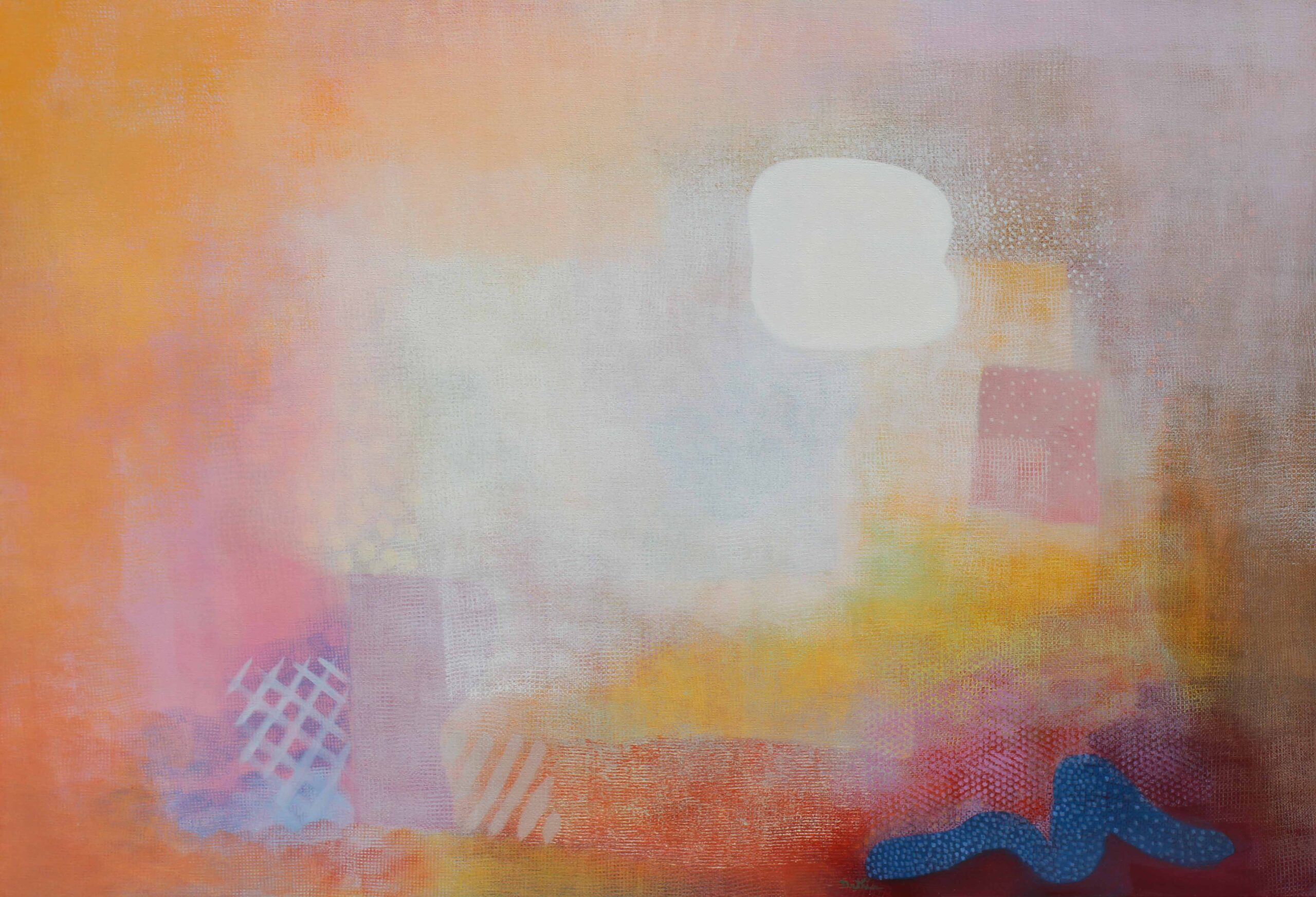
Many of Natkin’s works are composed of a poetic visual language of floating shapes, letters, and grids which resonate with a luminous palette. The frequently playful motifs, reminiscent of his idol Paul Klee, convey both an intimacy and a sense of dramatic tension. Like another of his heroes, Alfred Hitchcock, Natkin has created visual worlds, places of escape from the mundane and every day to a magical dimension composed of light and color. The results are paintings that seem quiet and intimate even as some may try to deliver a disquieting message.

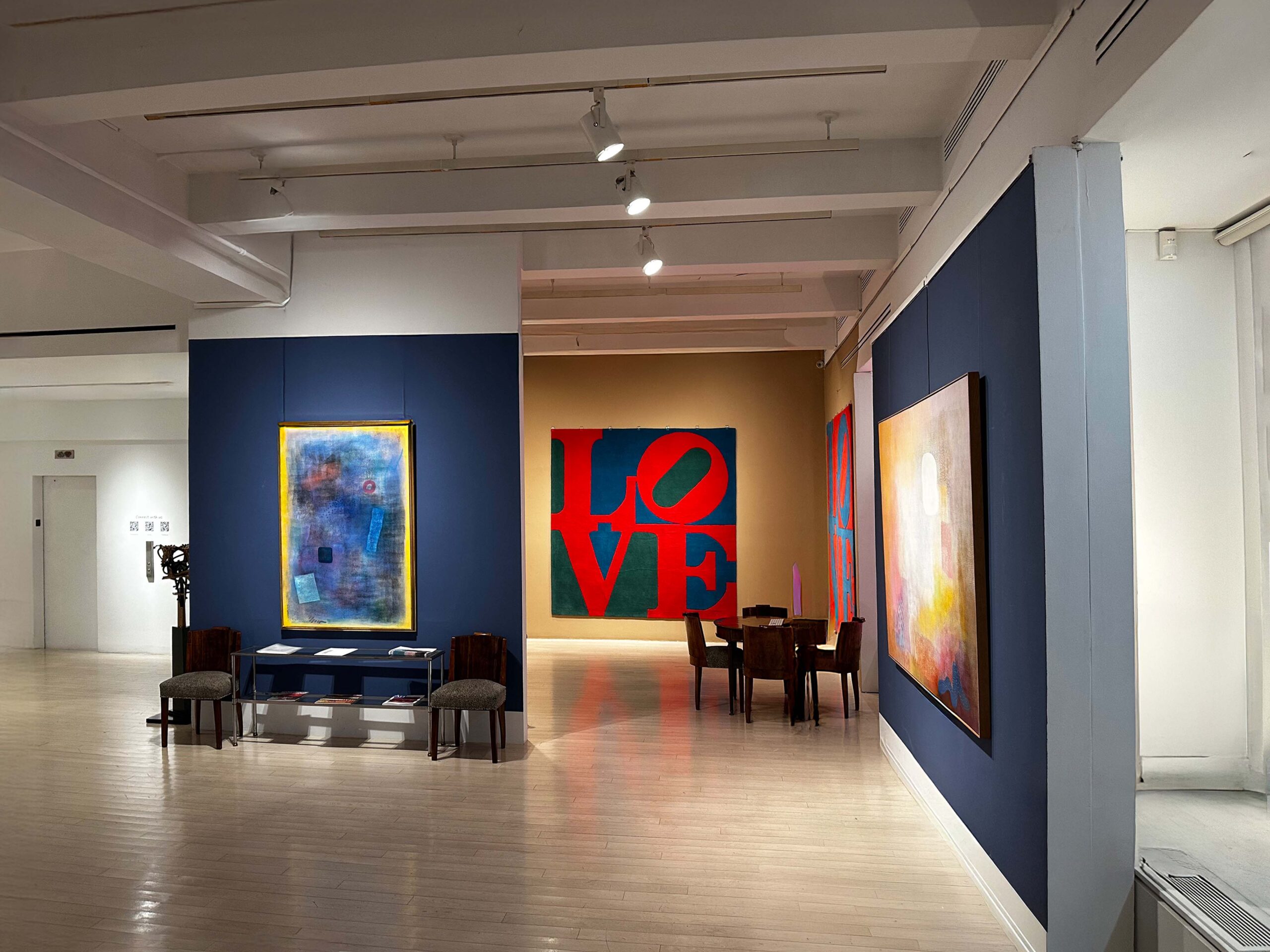
The current exhibition of recently acquired work includes exceptional examples from Natkin’s Hitchcock, Bern, Fieldmouse, Intimate Lighting, and Apollo series.

Robert Indiana

(1928-2018)

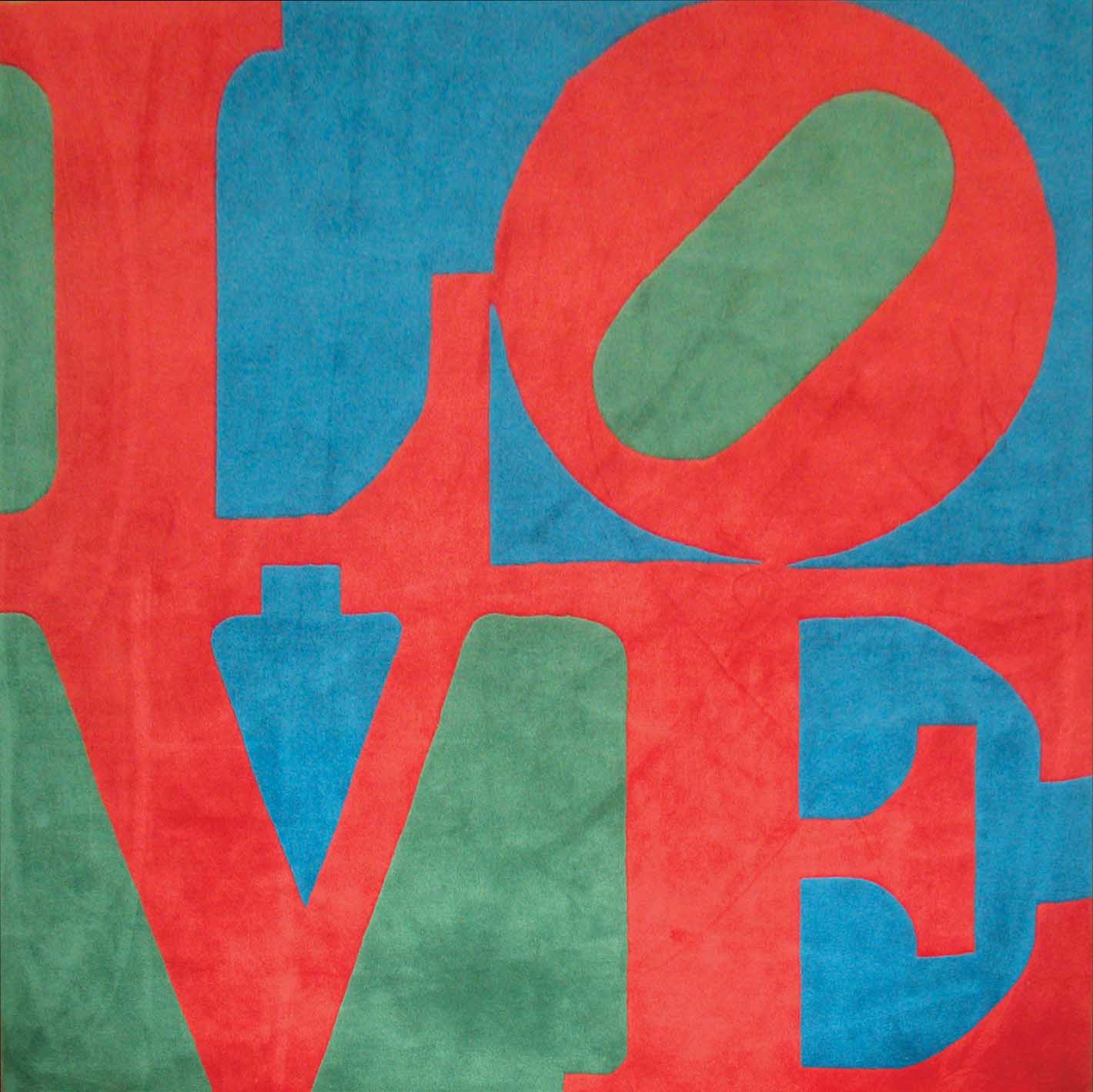
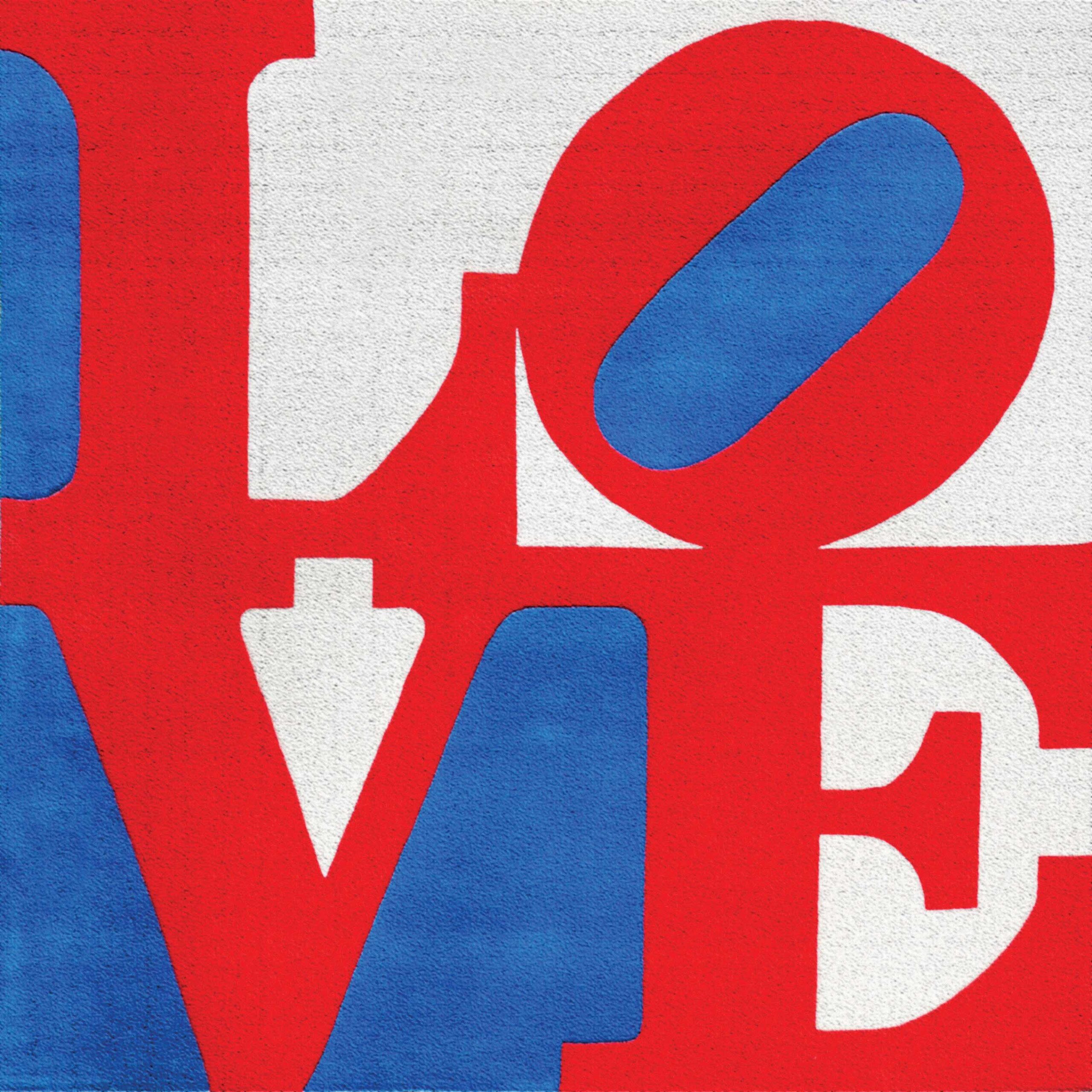
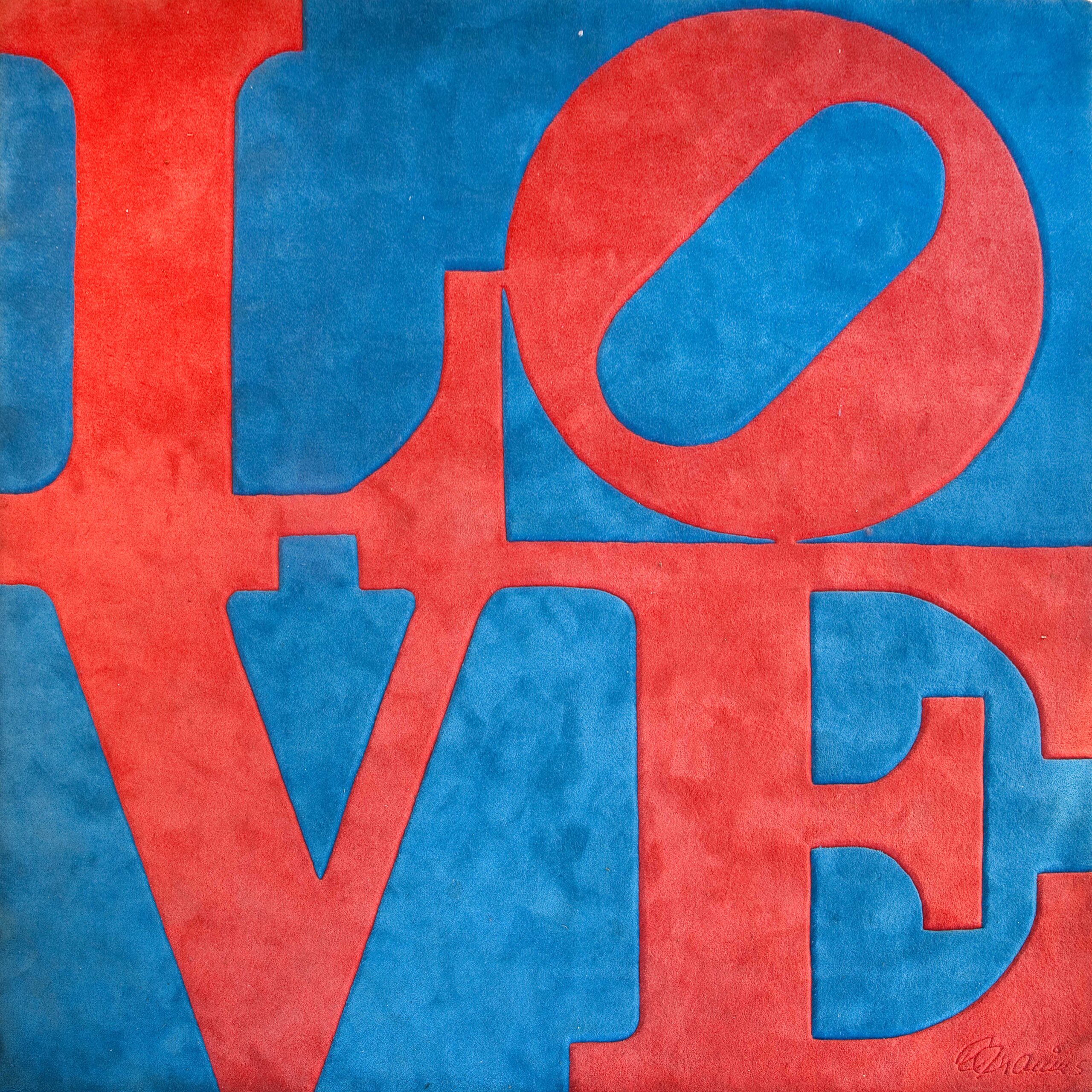
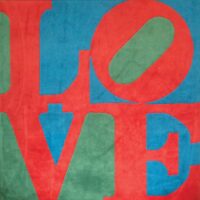
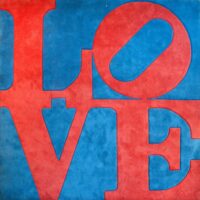
The root of Robert Indiana’s LOVE imagery first appeared in a series of love poems written and laid out by Indiana in the late1950s. In that context the letters L,O,V, and E appear stacked 2 by 2.

By 1964, Indiana had composed the first version of LOVE in its current form for a Christmas card he sent to friends. The following year he was asked by MoMA to submit designs for the museum’s annual Christmas card, for which he submitted 3 LOVE paintings. The extraordinary popularity of the image led to its first limited edition print, and a near universal icon was born.

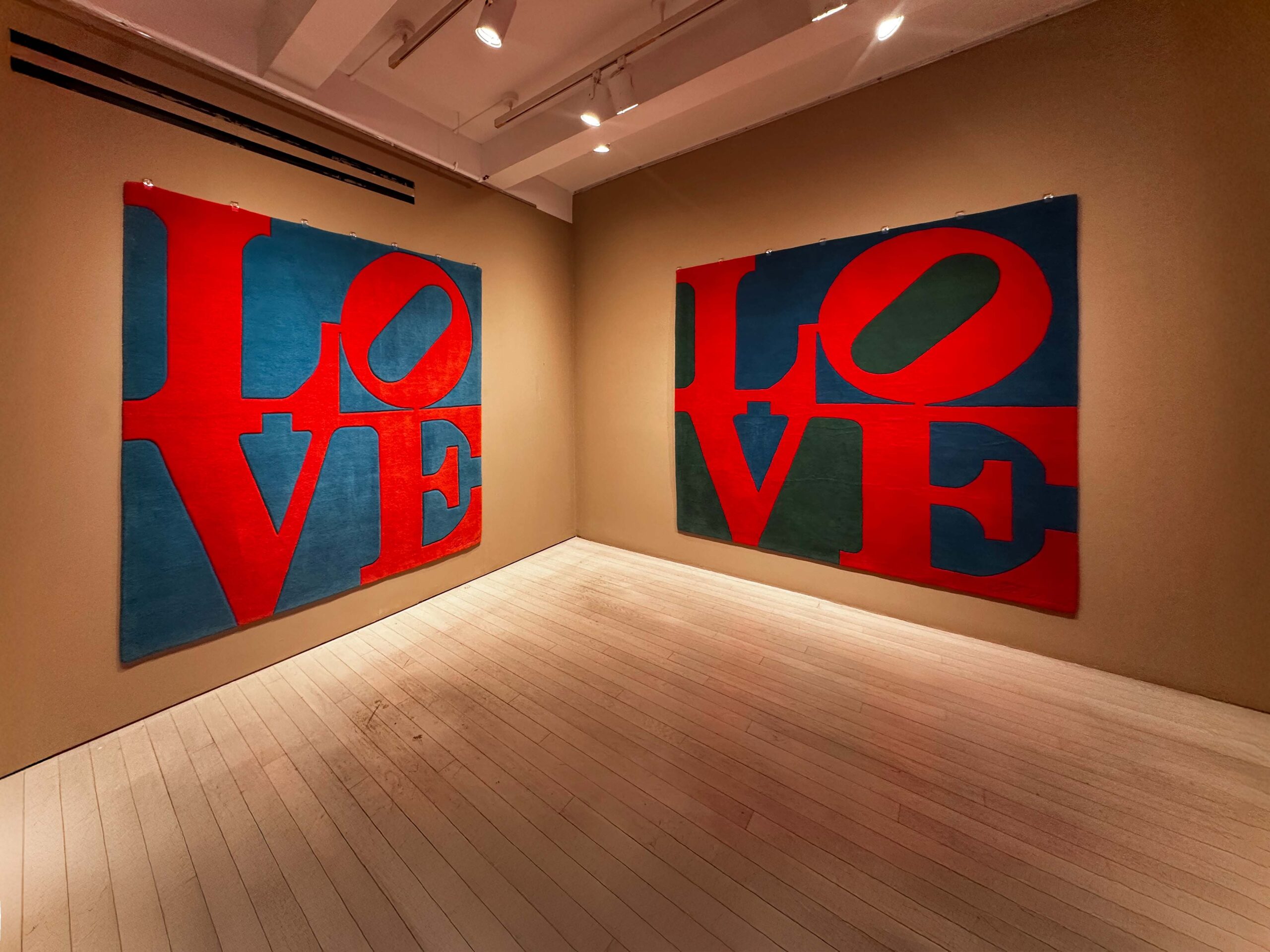
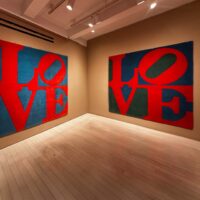
Findlay Galleries’ current exhibition surrounds the visitor with LOVE tapestries of various color combinations. The tapestries translate his iconic image into a soft, tactile medium that deepens its emotional pull. As a tapestry, the crisp geometry of the image takes on a sense of warmth and intimacy while preserving its striking clarity.

On a wall, or even on a floor, these works bring a sense of joy, peace, reassurance, and even security to the viewer. The wool tapestries are signed and numbered from limited editions of 175 and 100.

Get in Touch

Contact your gallery to enquire about a work of art, for more information on the exhibition, or to schedule an appointment.
James Muldoon2026 Natkin and Indiana Exhibitions | New York Exhibition

2025 Belynda Henry – Living Palette | New York Exhibition

Belynda Henry

Living Palette

Belynda Henry

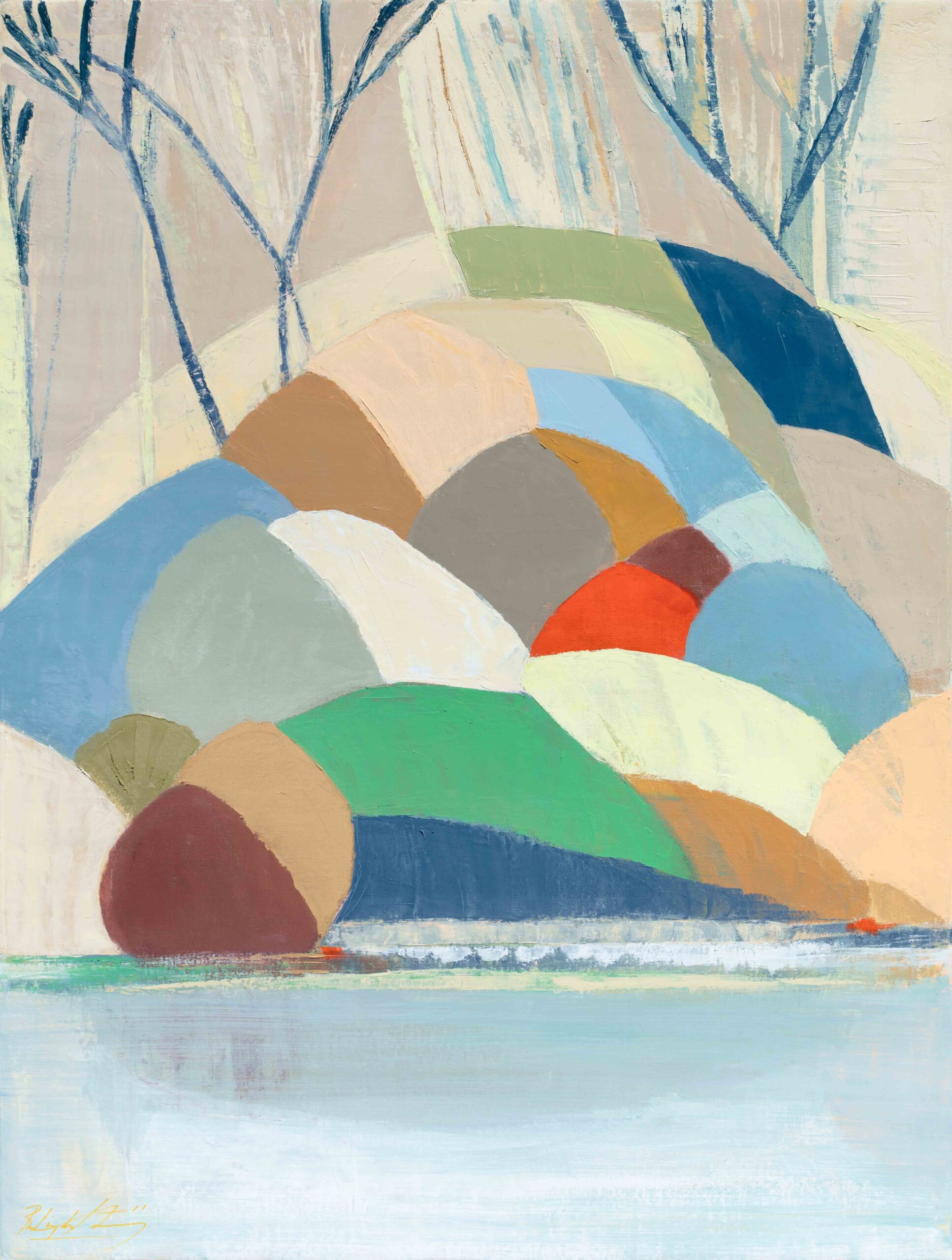
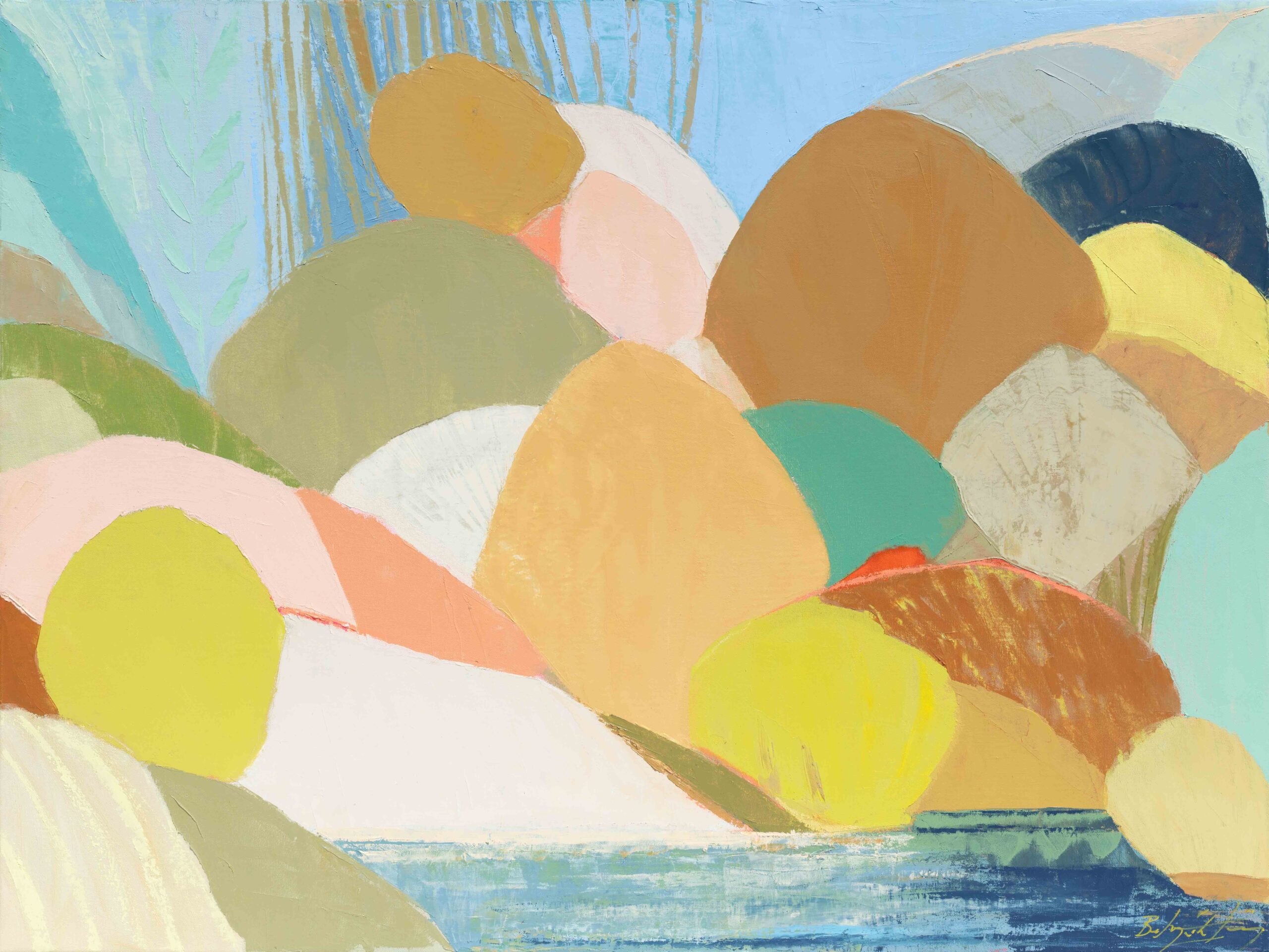
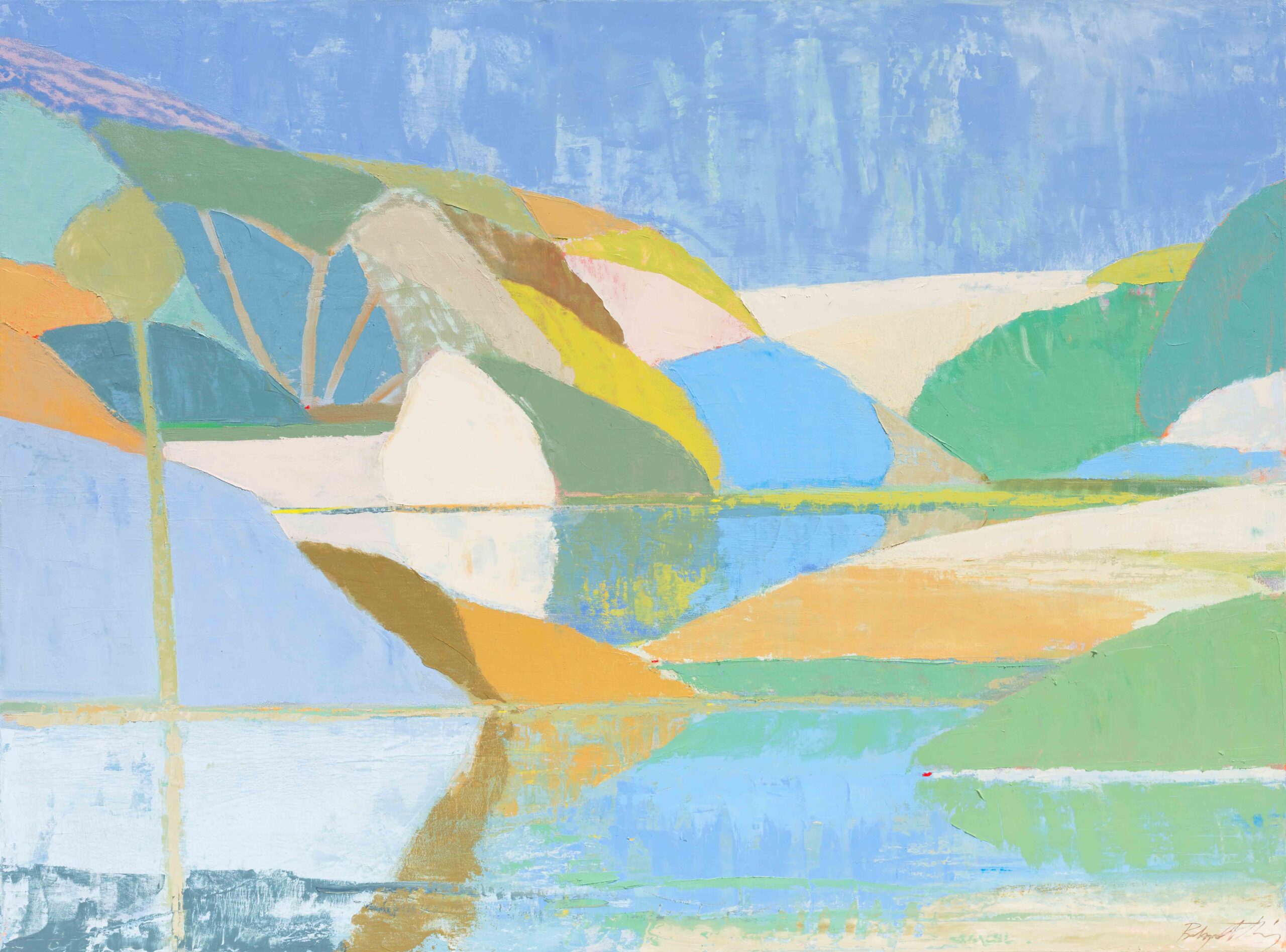
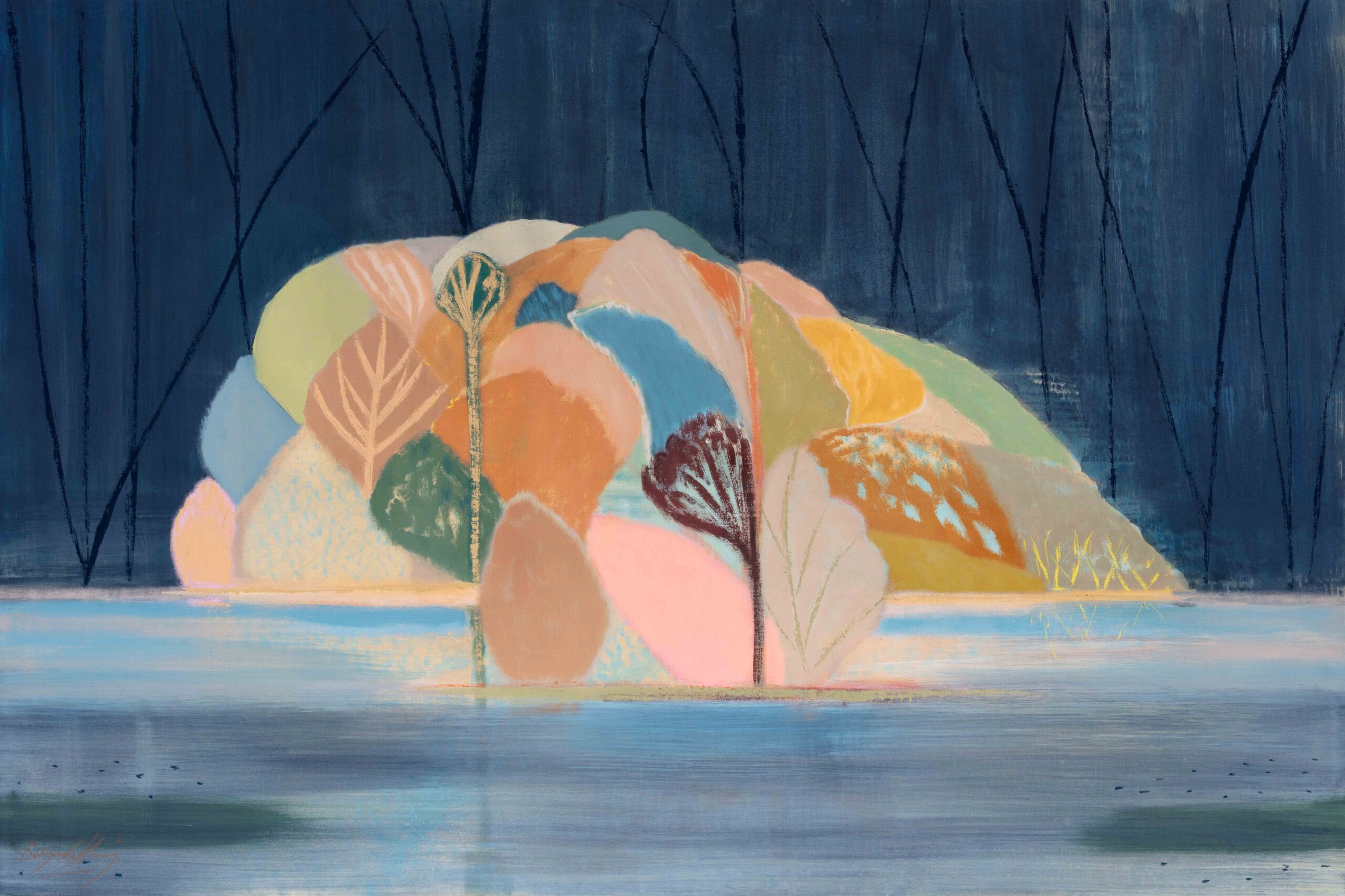
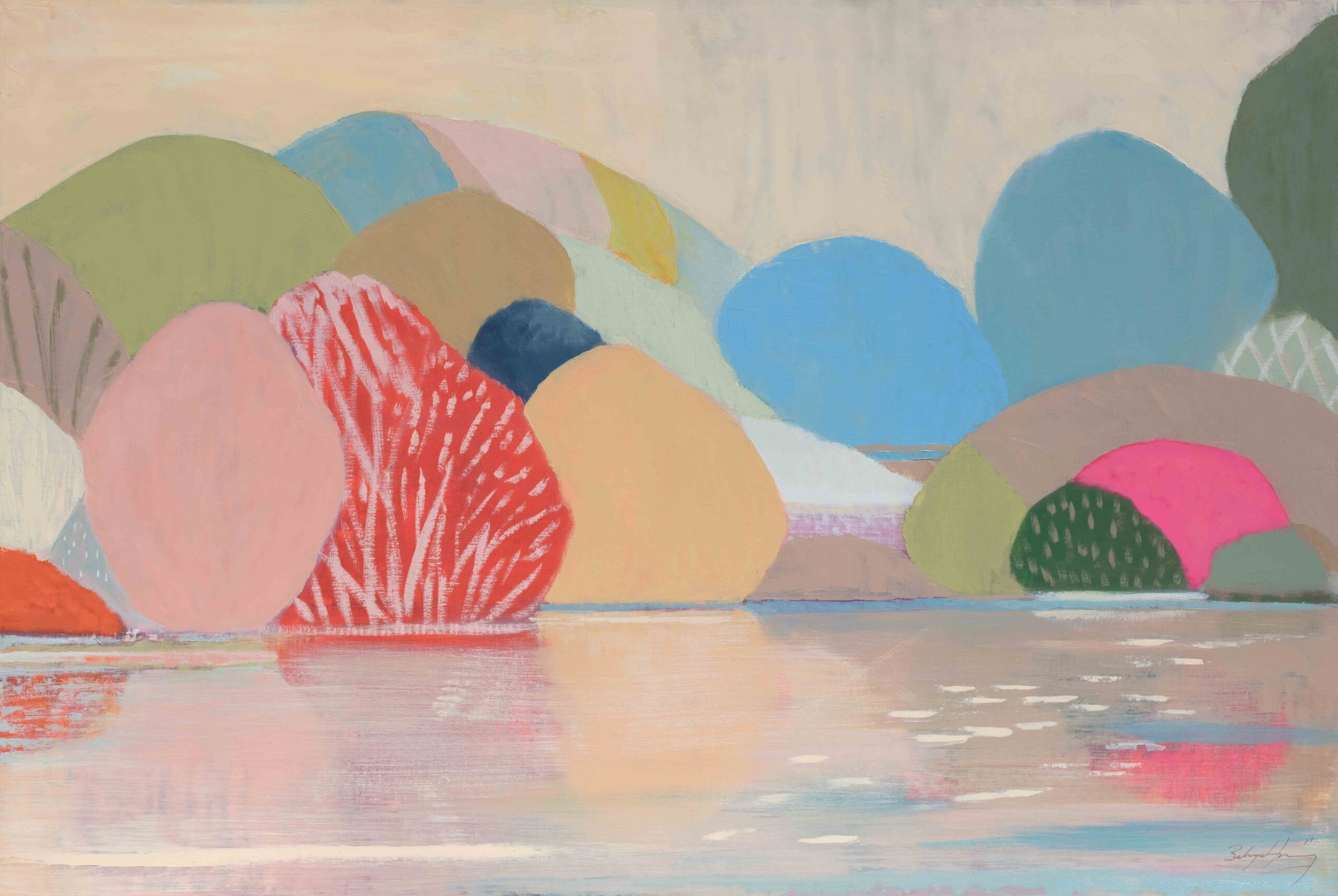
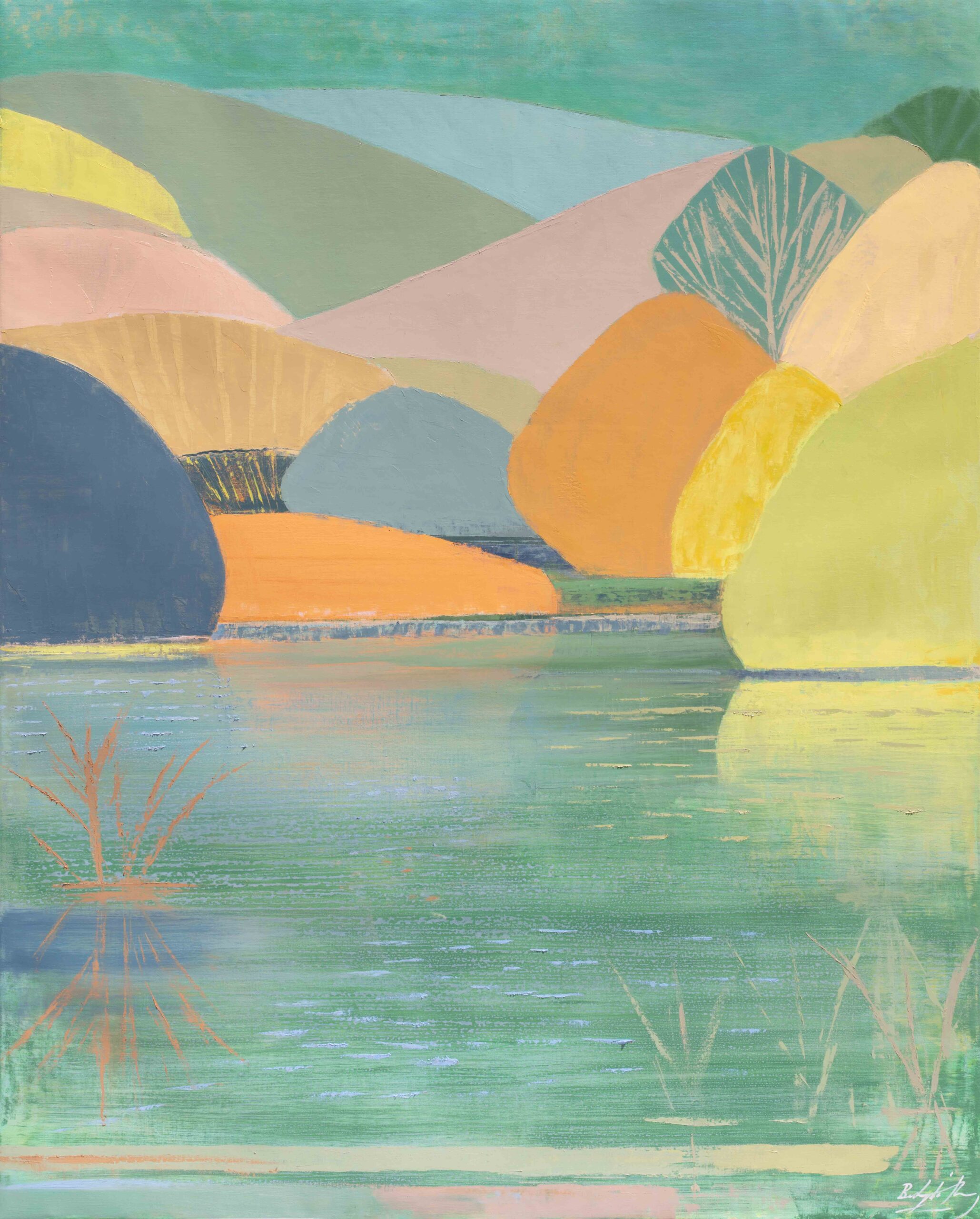
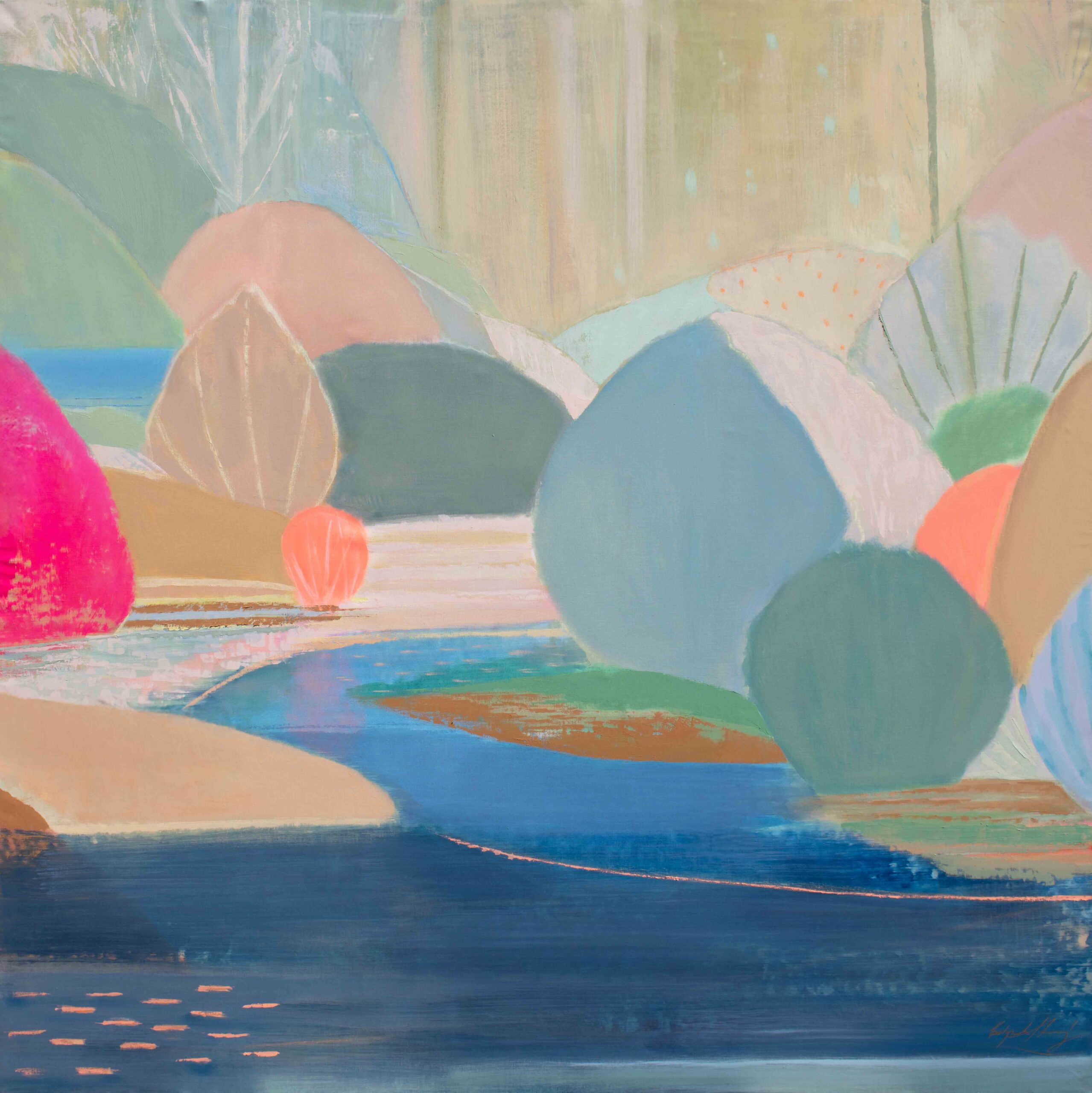
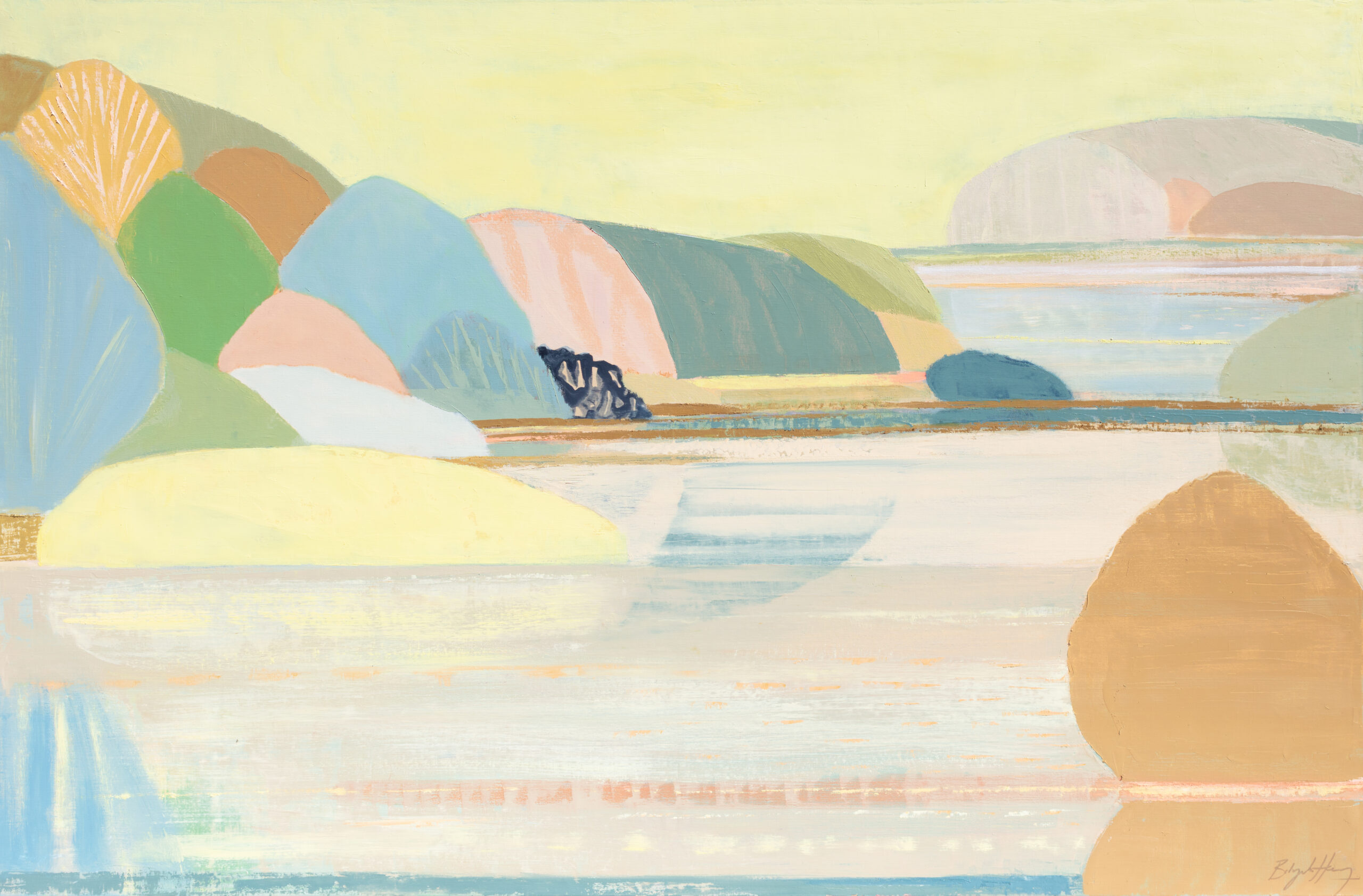
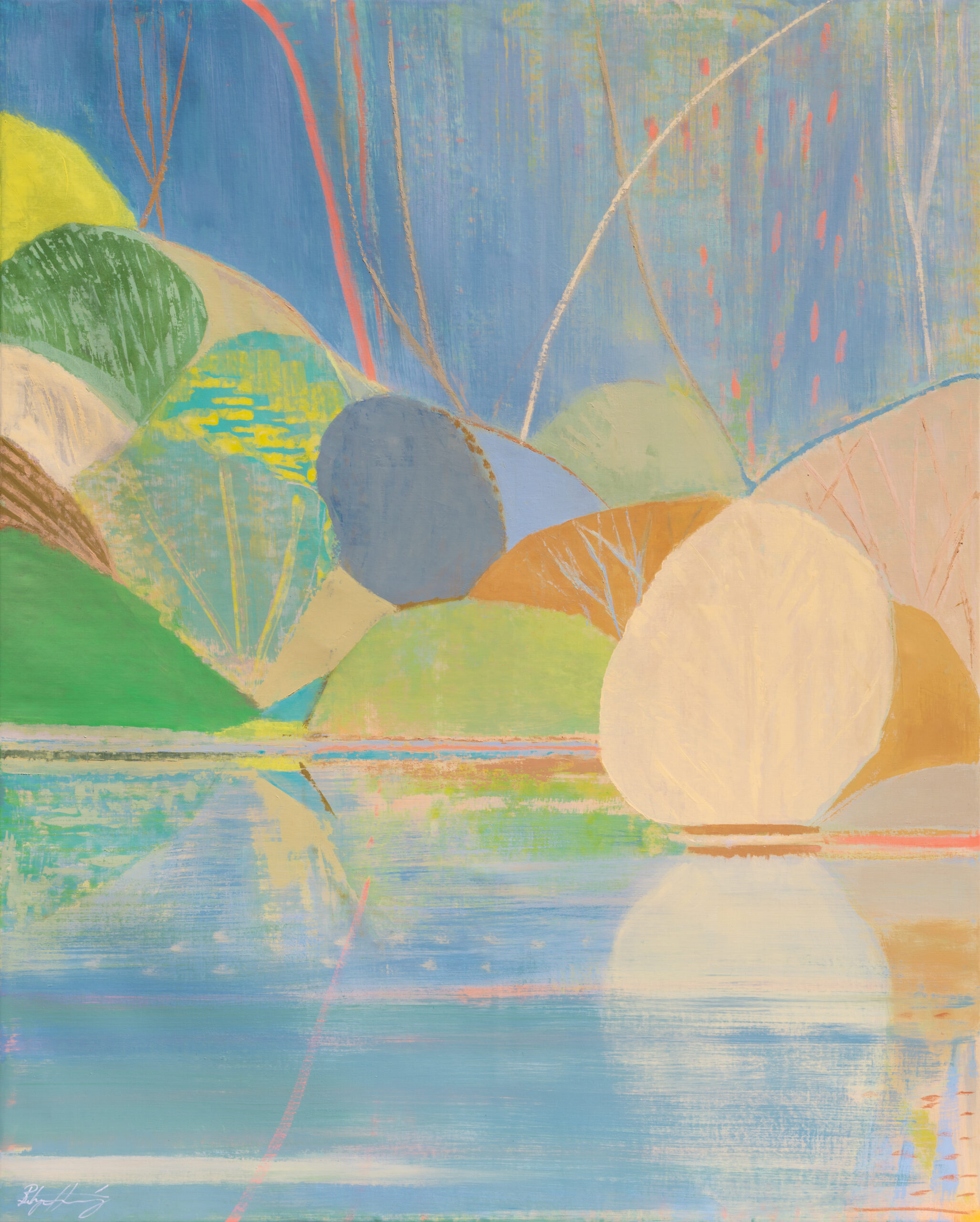
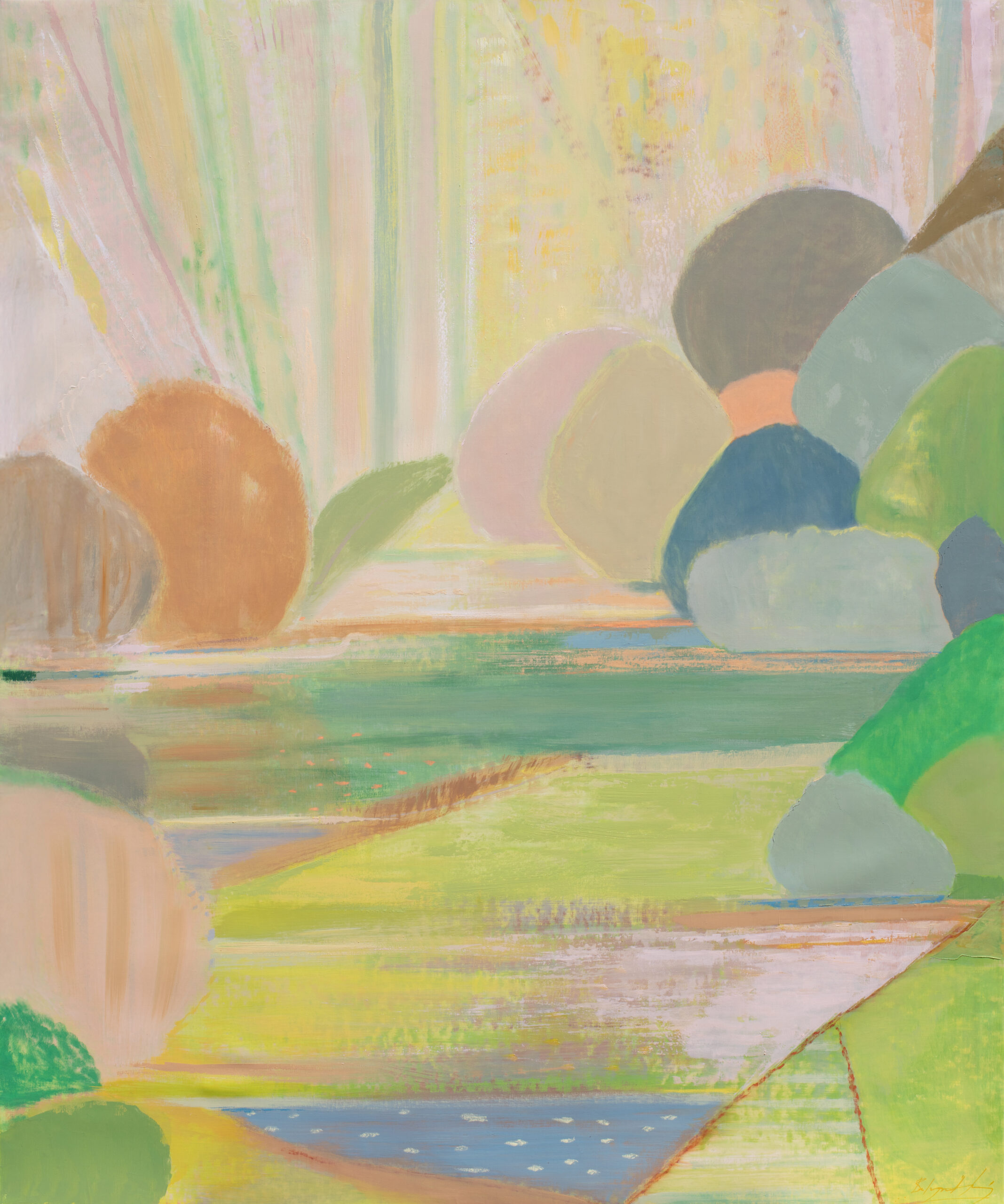
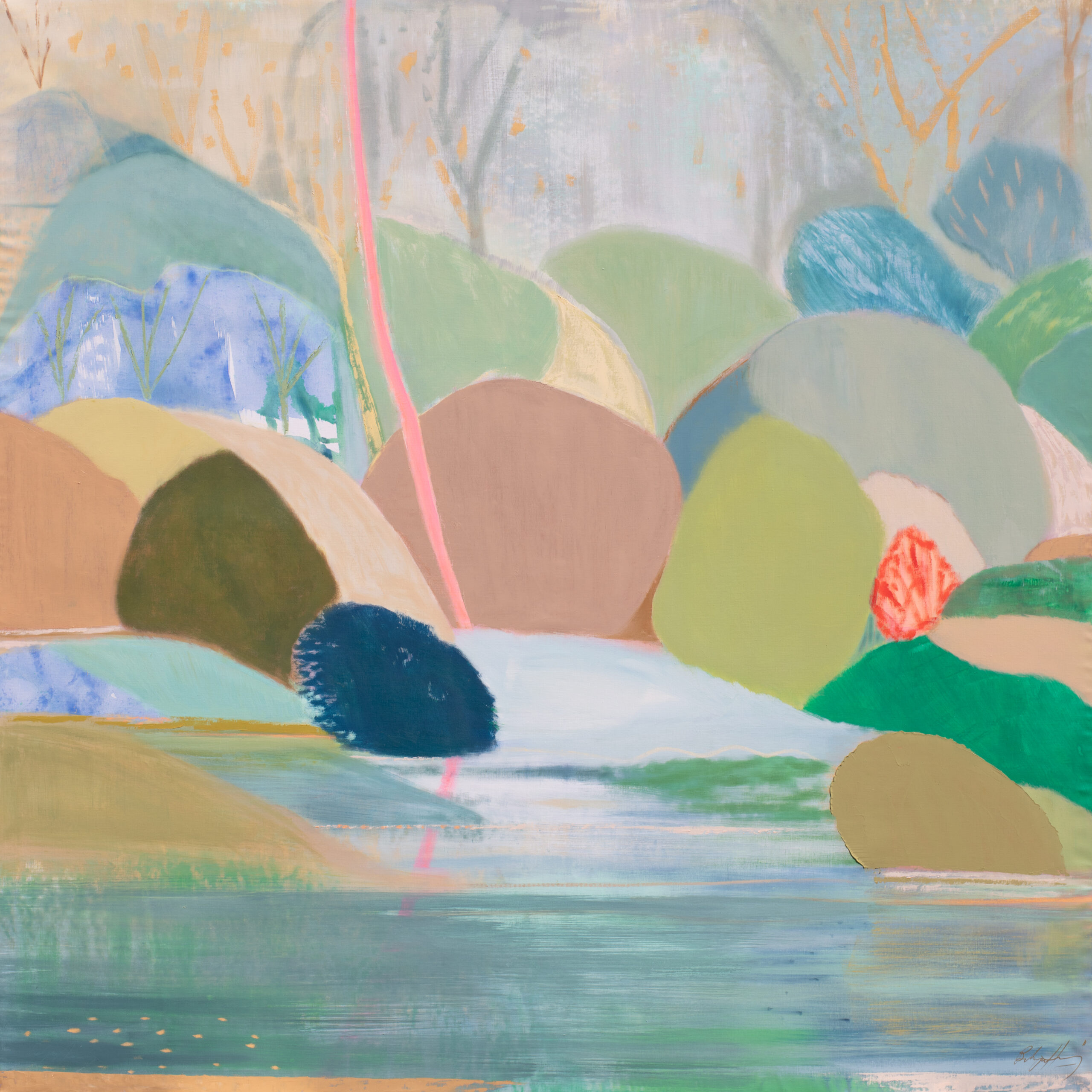
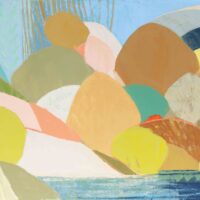
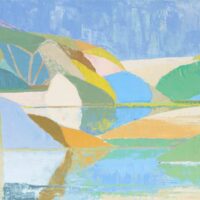
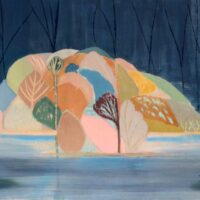
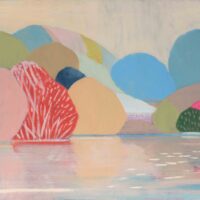
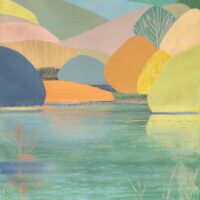
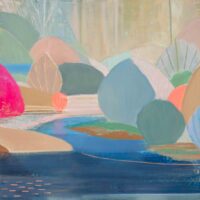
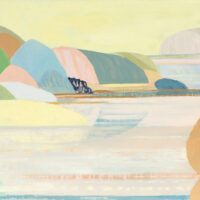
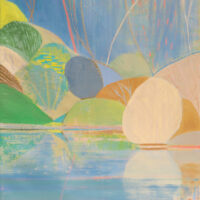
Findlay Galleries is pleased to present Living Palette, a major exhibition of new paintings by the distinguished Australian artist Belynda Henry. This presentation marks her most extensive showing in the United States to date and her third solo exhibition with the gallery, following acclaimed presentations in Palm Beach and New York.

Widely recognized as one of Australia’s leading contemporary landscape painters and a multiple finalist for both the Wynne and Archibald Prizes, Henry brings to her art a refined synthesis of observation and emotion. Living and working in a lush valley north of Sydney, she draws continual inspiration from the natural world—the subtle shifts of light, the rhythms of the seasons, and the quiet resonance of the landscape.

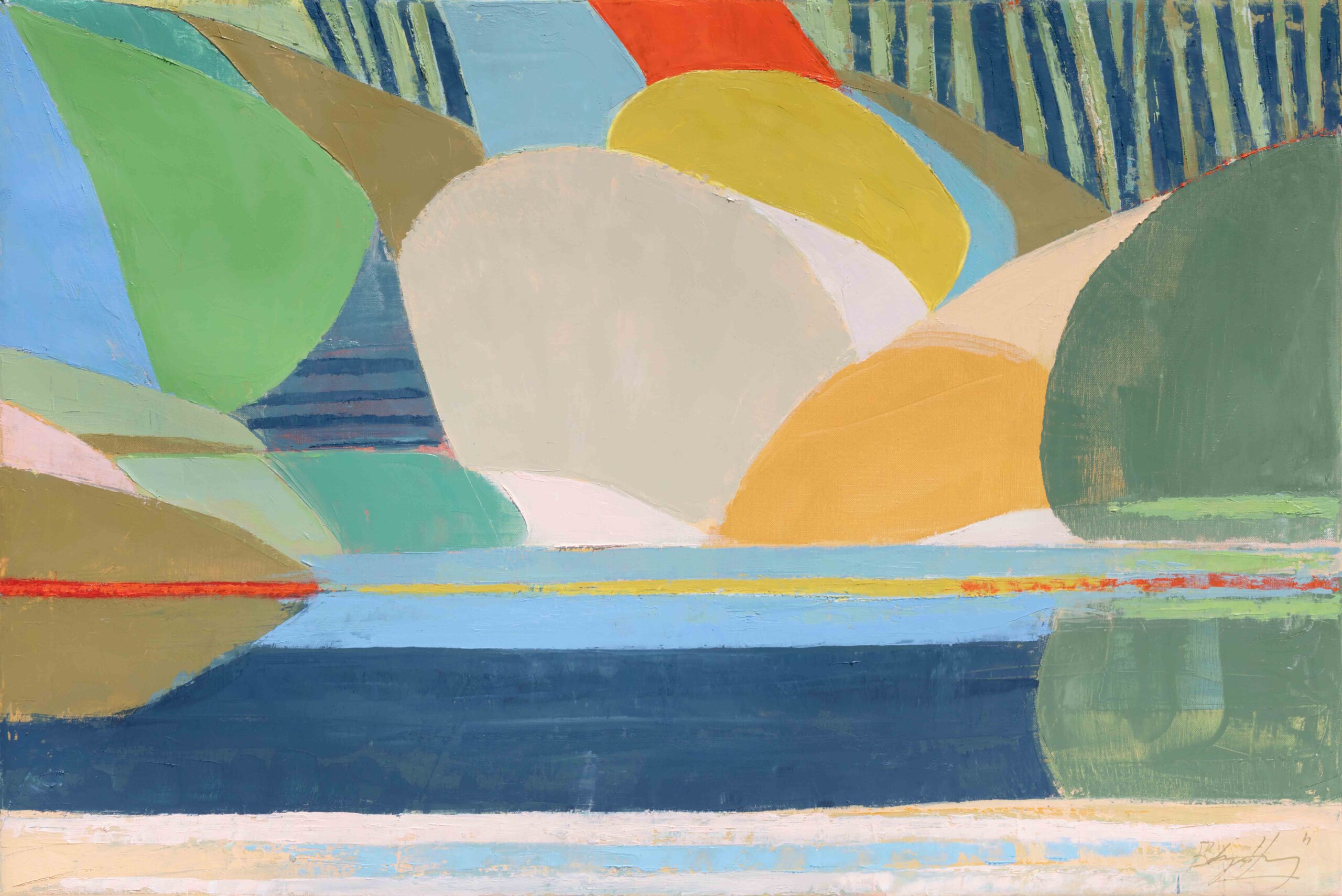
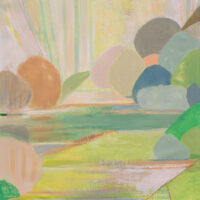
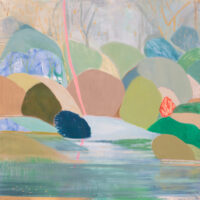
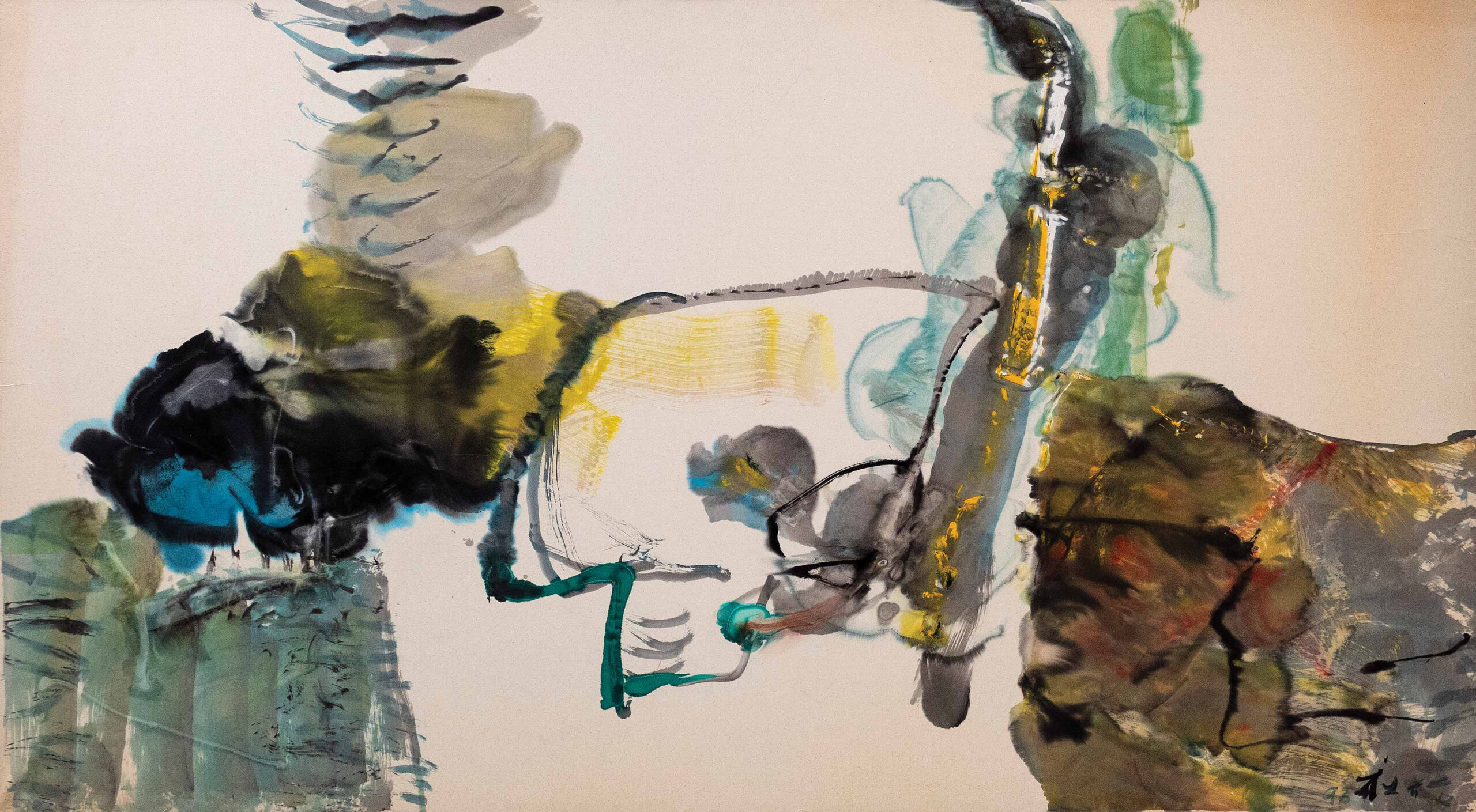
Henry employs a distinctive technique that combines oil and wax, built up in multiple layers to create surfaces of remarkable depth and tactility. The result is a body of work with an unmistakably earthy presence. Her palette of soft pastels, enlivened by luminous bursts of color, conveys both serenity and vitality. Through her loose, layered application, Henry achieves a graceful interplay between abstraction and landscape, evoking movement, distance, and the passage of time.

In Living Palette, Henry deepens her exploration of the dialogue between abstraction and the natural world. Her process begins outdoors, through plein-air observation, and evolves in the studio, where memory, emotion, and intuition re-imagine what she has seen. The result is an expressive language of color and form that transcends depiction, transforming direct experience into atmosphere.

Each painting embodies Henry’s sense of happiness and wonder—qualities that are felt rather than declared. The vitality within her work emerges organically from her engagement with nature and from her belief that painting is a living conversation between artist, subject, and viewer.

To live with these paintings is to share in that vitality. Their presence fills a space with quiet energy, inviting reflection and renewal. Joy and beauty here are not static ideals, but ever-shifting forces—alive in color, texture, and the spirit that shaped them.

Get in Touch

Contact your gallery to enquire about a work of art, for more information on the exhibition, or to schedule an appointment.
James Muldoon2025 Belynda Henry – Living Palette | New York Exhibition

Summer Selections – New York 2025

Summer Selections

New York

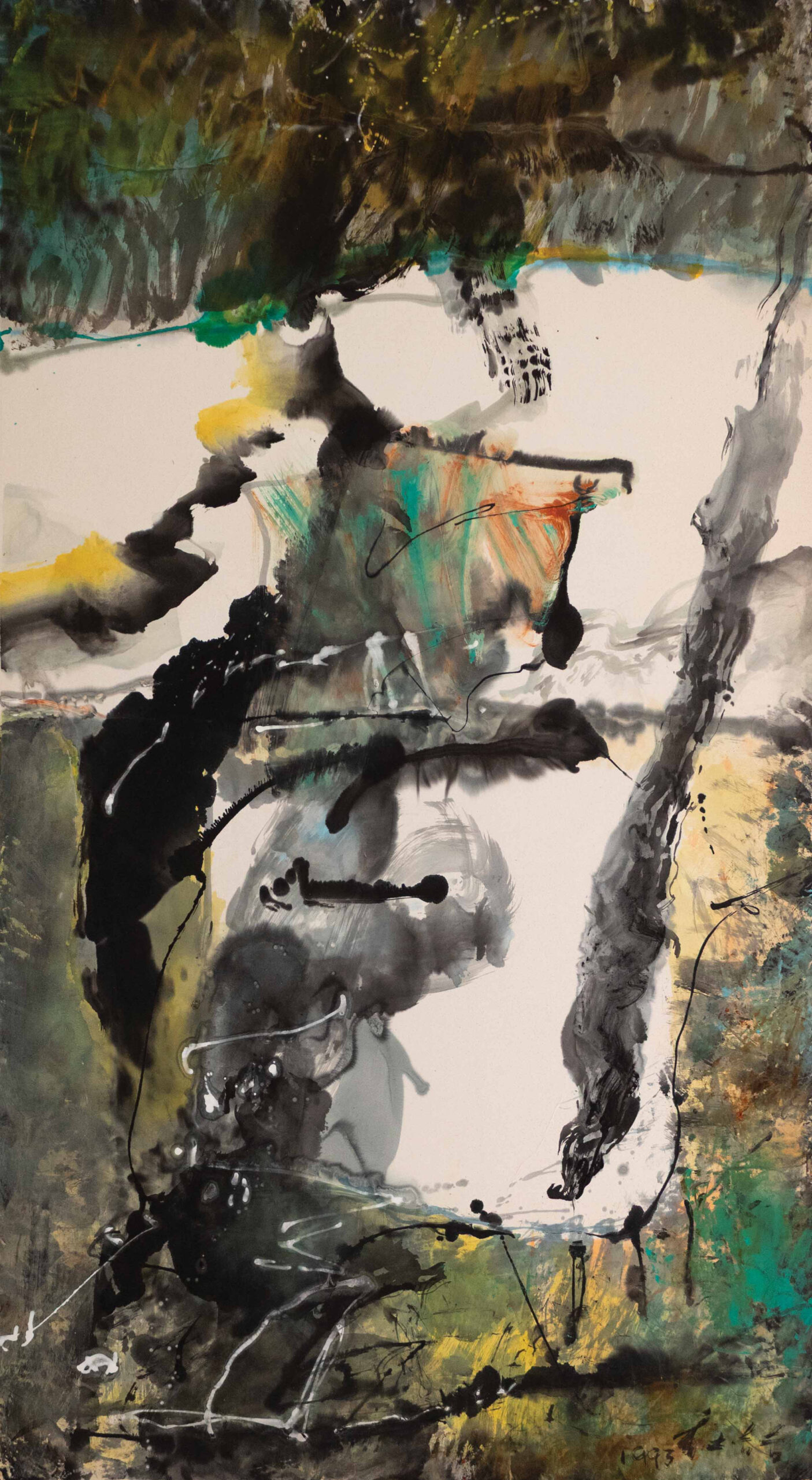
Findlay Galleries is pleased to present Summer Selections, a vibrant group exhibition on view at our New York Gallery at 32 East 57th Street. This curated presentation brings together a diverse range of works by artists including Charles Neal, Ward Jackson, Judith Dolnick, Janet Mait, Robert Richenburg, Belynda Henry, and more. Spanning a variety of styles, movements, and media, Summer Selections celebrates the richness of artistic expression and offers collectors and visitors a dynamic glimpse into the breadth of the gallery’s contemporary and modern collections. Click the link above to view the available works

Get in Touch

Contact your gallery to enquire about a work of art, for more information on the exhibition, or to schedule an appointment.
James MuldoonSummer Selections – New York 2025

2025 Le Cirque des Reves – New York Exhibition

Le Cirque des Rêves

Group Exhibition

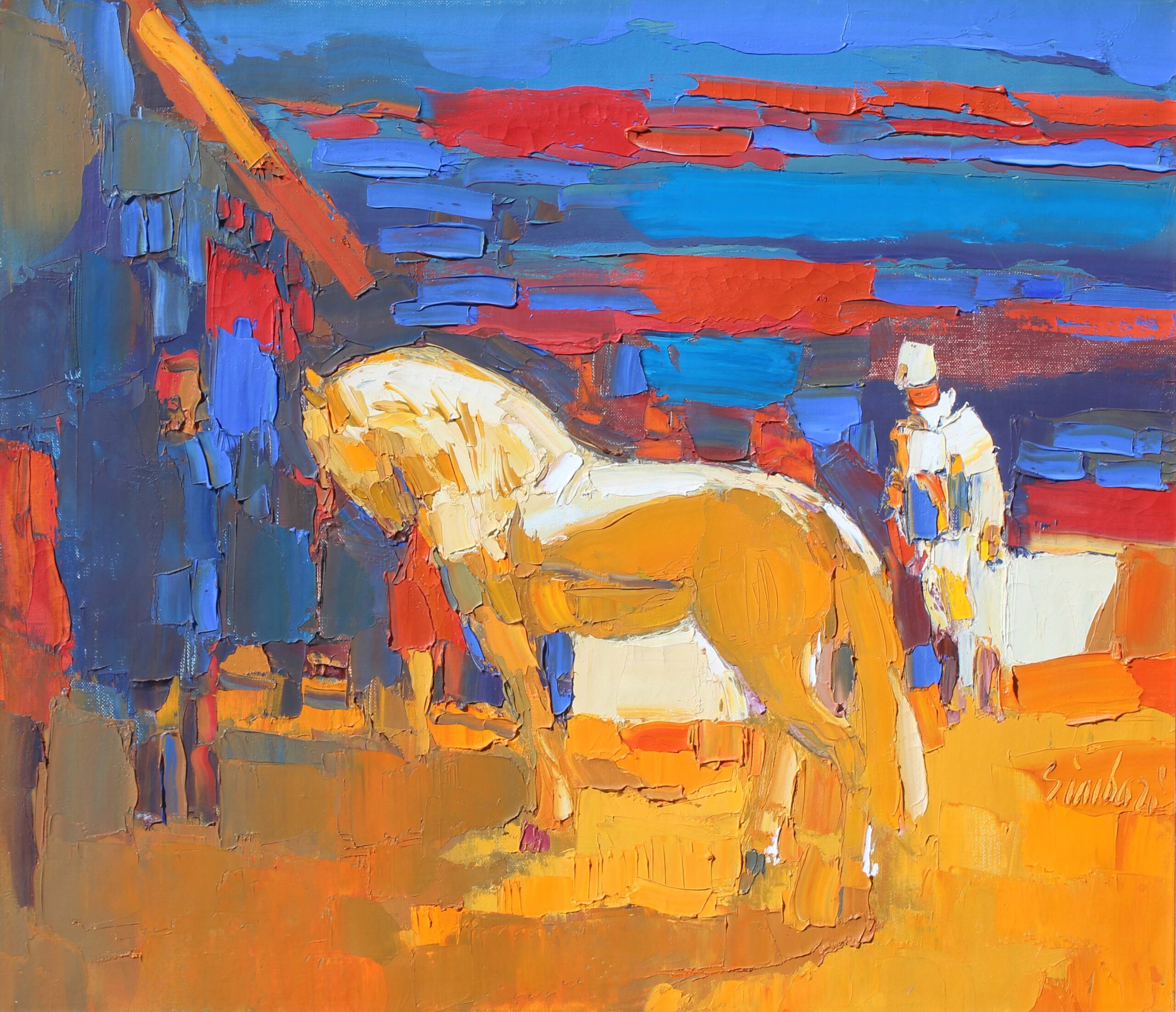
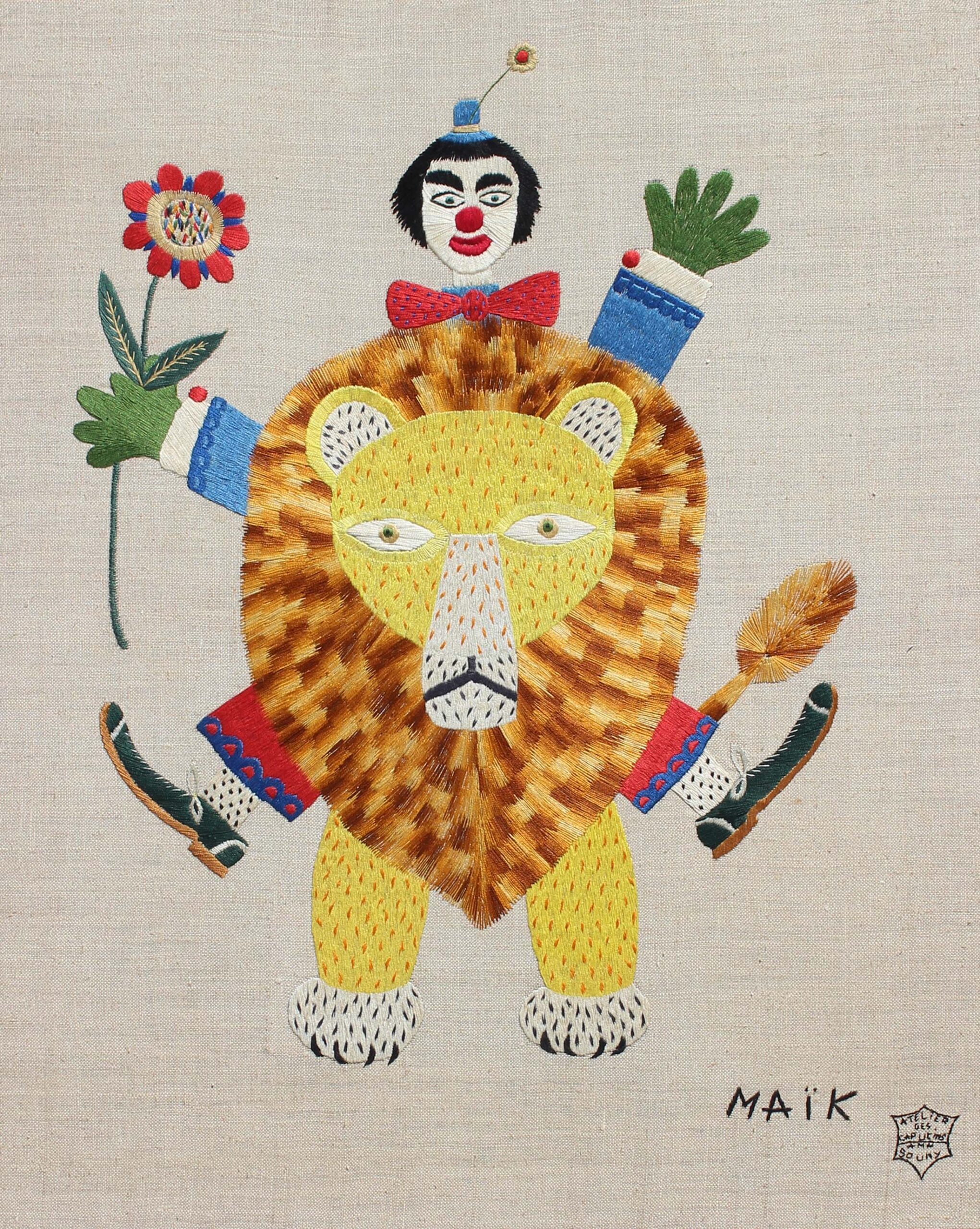
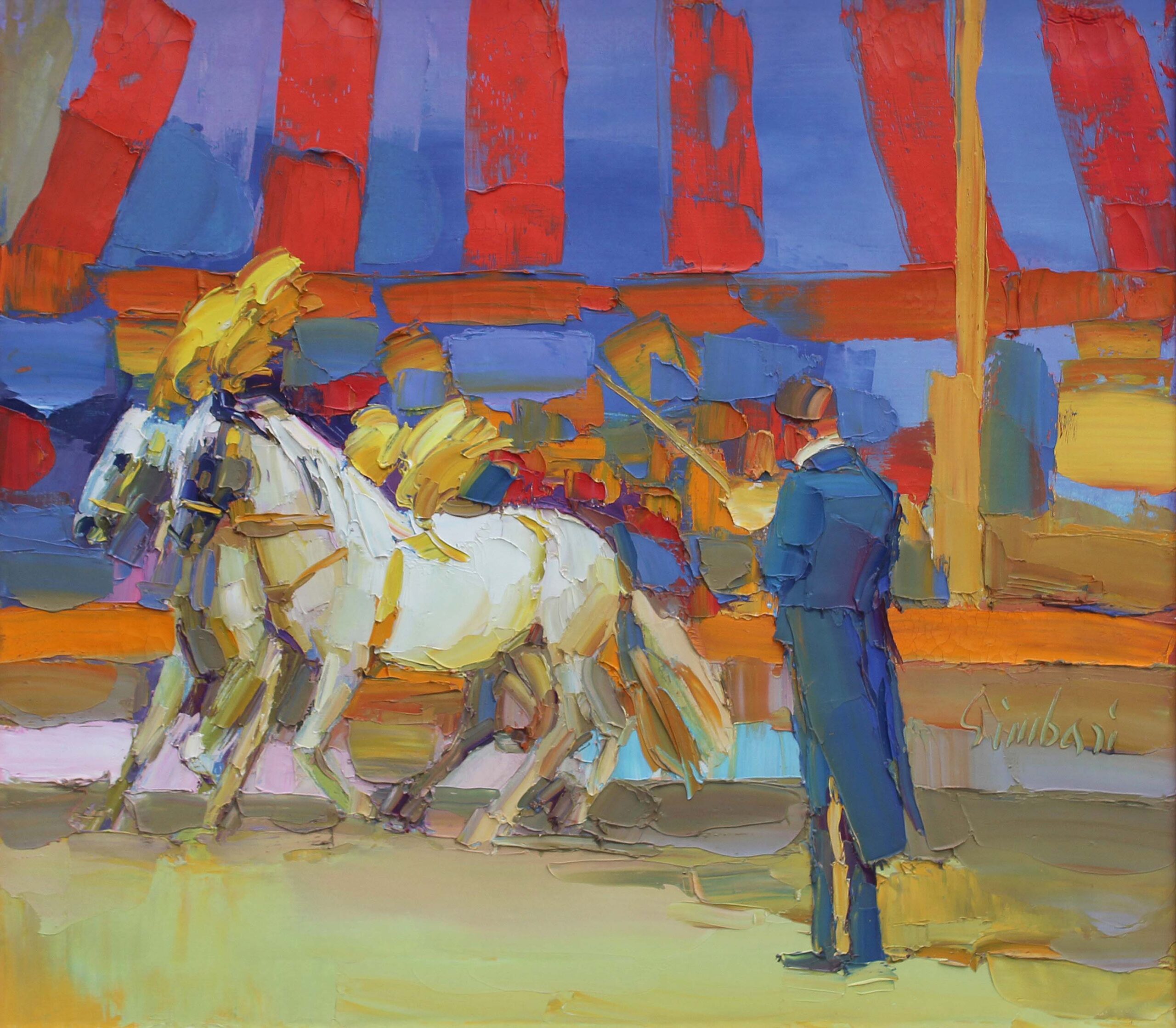
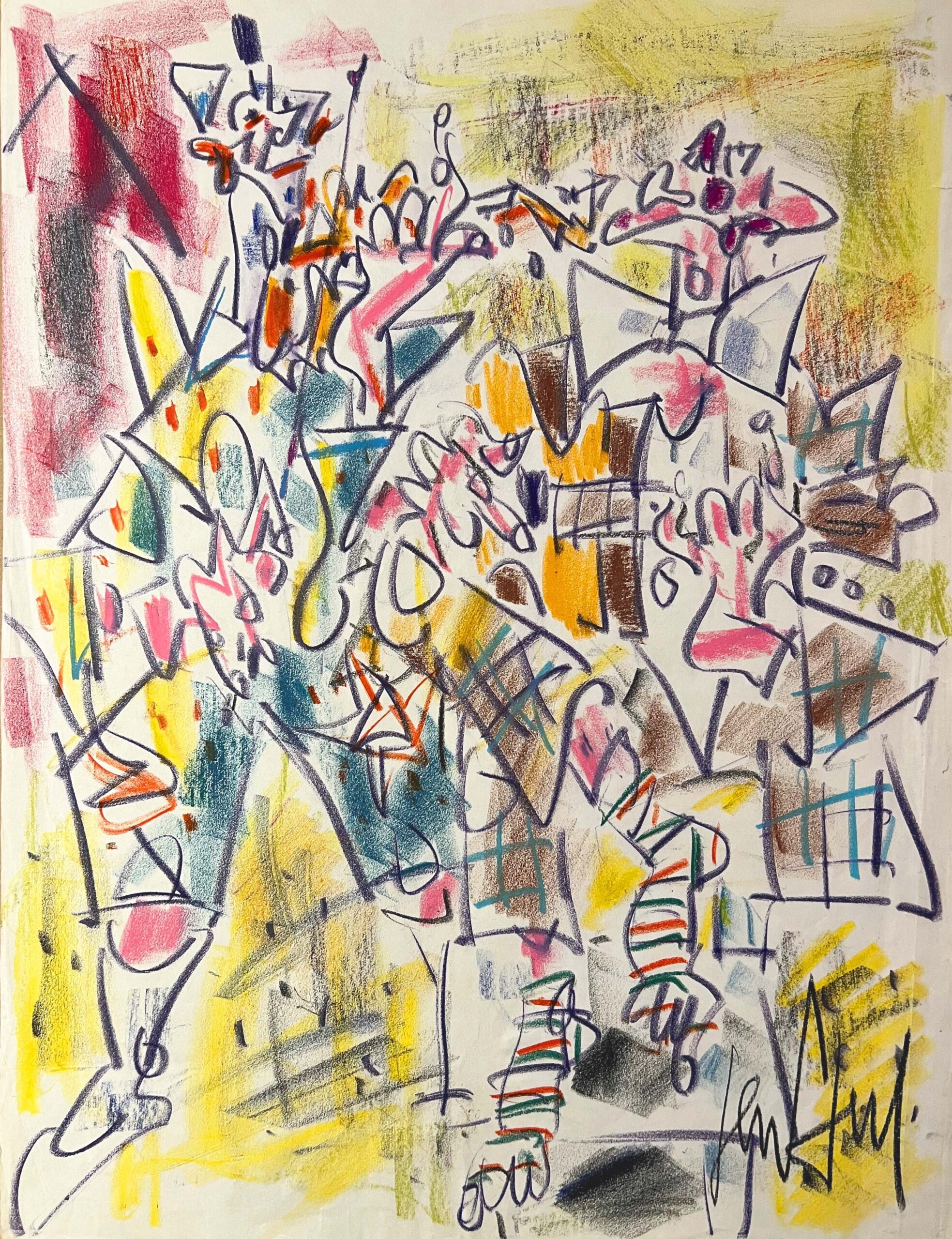
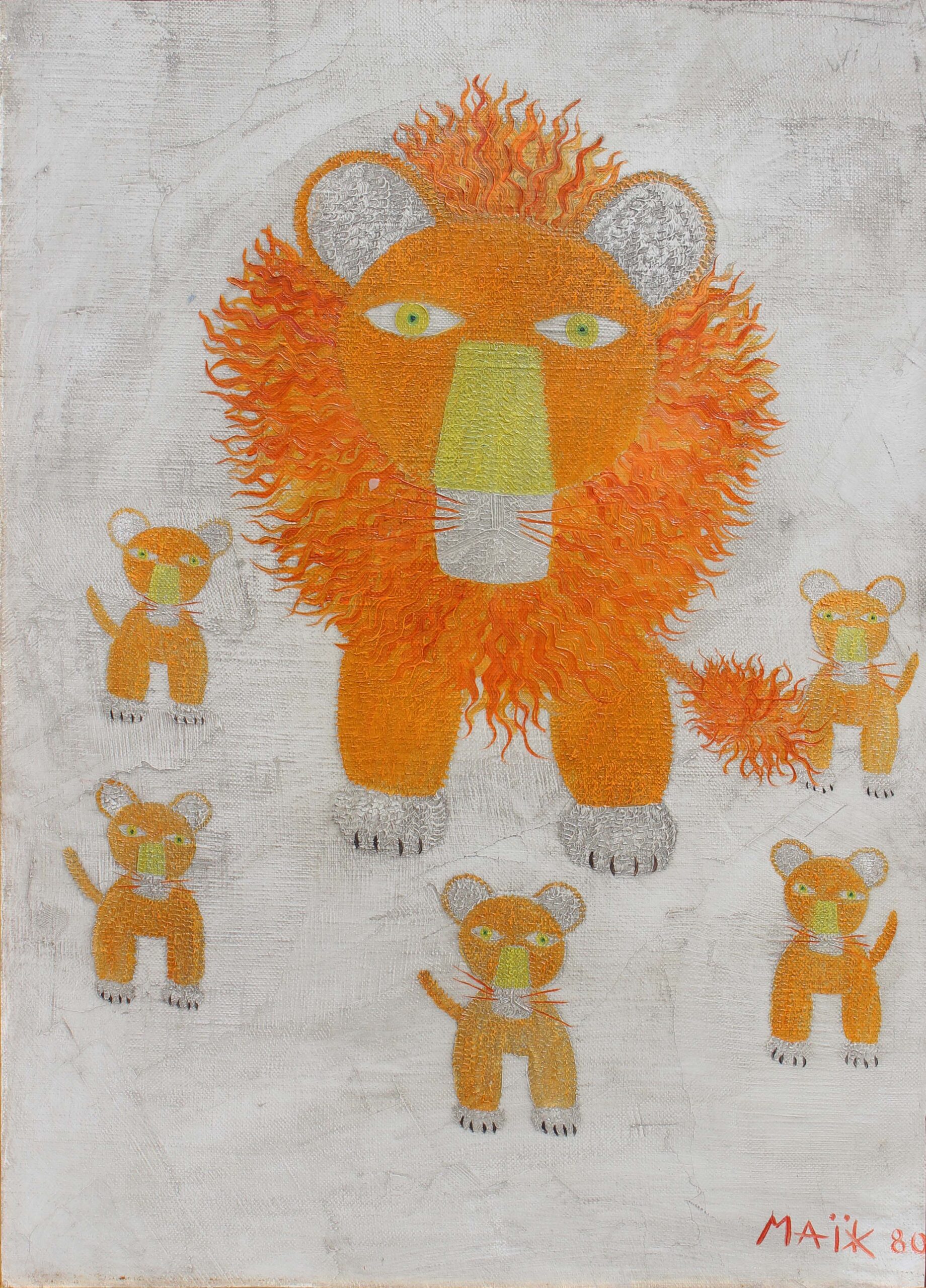
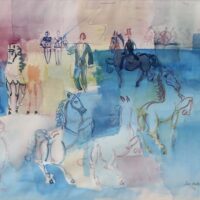
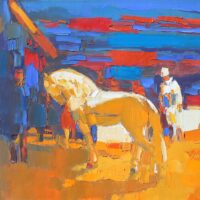
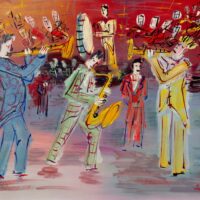
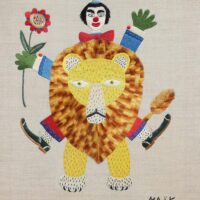
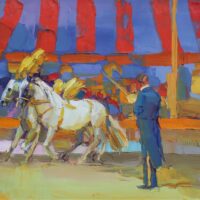
Findlay Galleries is delighted to present Le Cirque des Rêves, an exhibition that pays vibrant homage to the spectacle, mystery, and enduring romance of the circus as seen through the eyes of six masterful artists: Marc Chagall, Nicola Simbari, Jean Dufy, Gen Paul, Henri Matisse, and Henri Maïk. Together, their works capture the visual poetry of the early 20th-century circus—an era when the arrival of the big top transformed towns into theatres of wonder and imagination.

In the early decades of the last century, the circus occupied a unique place in European and American culture. It was a cherished ritual, one steeped in its own elegant etiquette. Audiences arrived dressed for the occasion, often in evening wear, their excitement swelling with each sound of the orchestra tuning. Under the vaulted canopy of striped tents, an unspoken decorum ruled: silence during the tightrope walker’s ascent, thunderous applause for the tumblers, and collective awe at the soaring feats of the trapeze artists. The circus was both social event and enchanted dreamscape—a pageant of daring, color, and carefully orchestrated illusion.

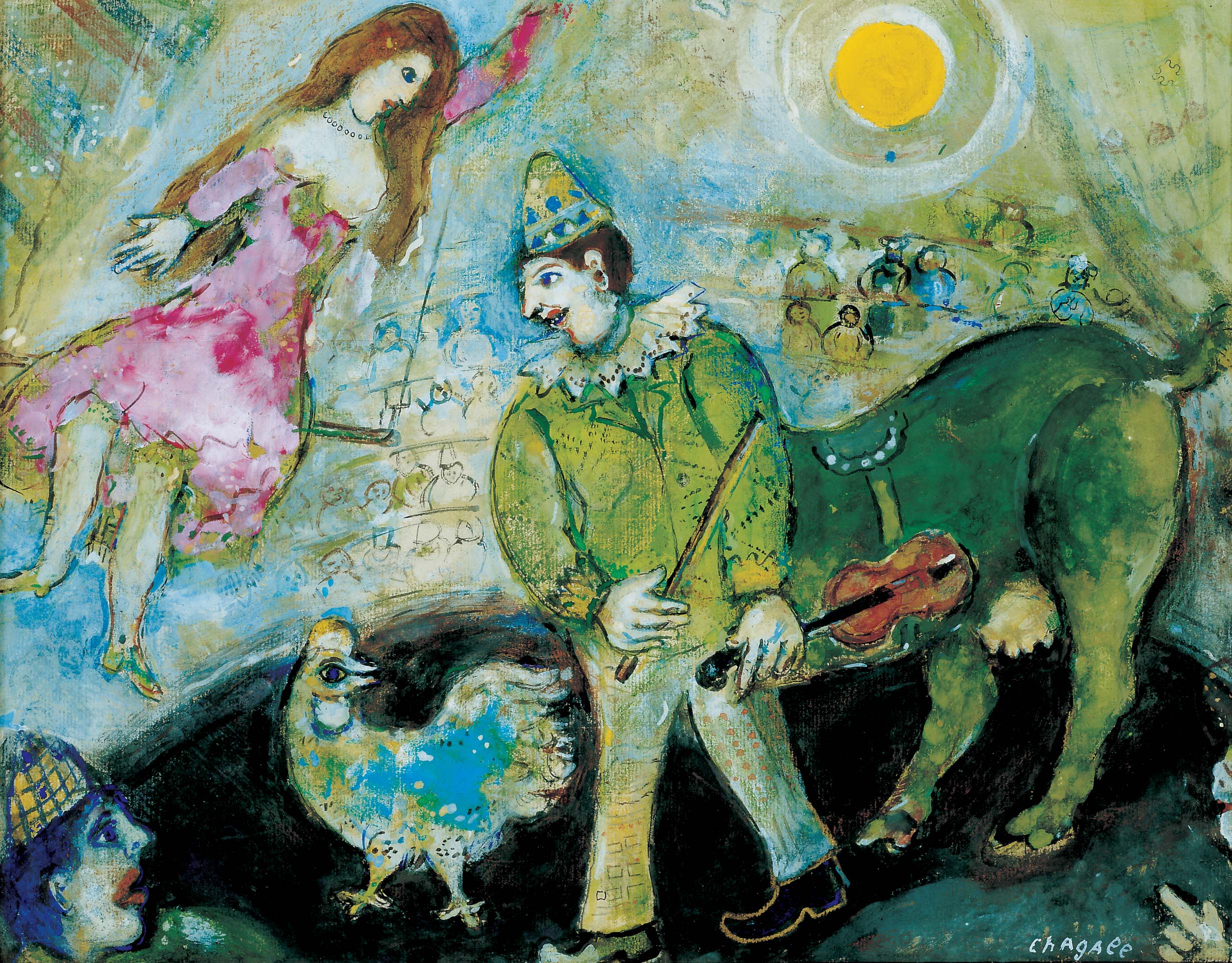
Marc Chagall, whose imagination was forever tethered to the floating figures and fantastical creatures of circus life, evokes its spiritual and dreamlike dimensions. His works pulse with emotion and whimsy, blending memory and myth. Jean Dufy and Gen Paul interpret the circus through the lens of modernist energy and movement, capturing its rhythm, spectacle, and city-life allure. Nicola Simbari dazzles with dynamic color and sunlit drama, while Henri Maïk conjures the childlike joy and narrative charm of the parade. Matisse, ever the master of form and theatrical composition, contributes a sense of elegance and design that elevates the performers to icons of grace.

Le Cirque des Rêves brings these visions together in a lyrical celebration of a world that still haunts the cultural imagination. The circus, in these paintings, is not merely a subject—it is a symbol of performance, vulnerability, and sublime beauty. The artists reveal its many layers: the glitter and grit, the harmony and chaos, the fleeting brilliance of a moment before it disappears behind the curtain.

As you move through the exhibition, you are invited to surrender to the wonder that once captivated generations. Like the rustle of velvet curtains before a show, or the hush of a crowd just before the drumroll, Le Cirque des Rêves offers a timeless invitation to dream—to step into a world where gravity is defied, reality is suspended, and the heart beats just a little faster beneath the spell of the ring.

Get in Touch

Contact your gallery to enquire about a work of art, for more information on the exhibition, or to schedule an appointment.
James Muldoon2025 Le Cirque des Reves – New York Exhibition

2025 Mary Sipp Green – Beyond the Visible New York Exhibition

Mary Sipp Green

Beyond the Visible

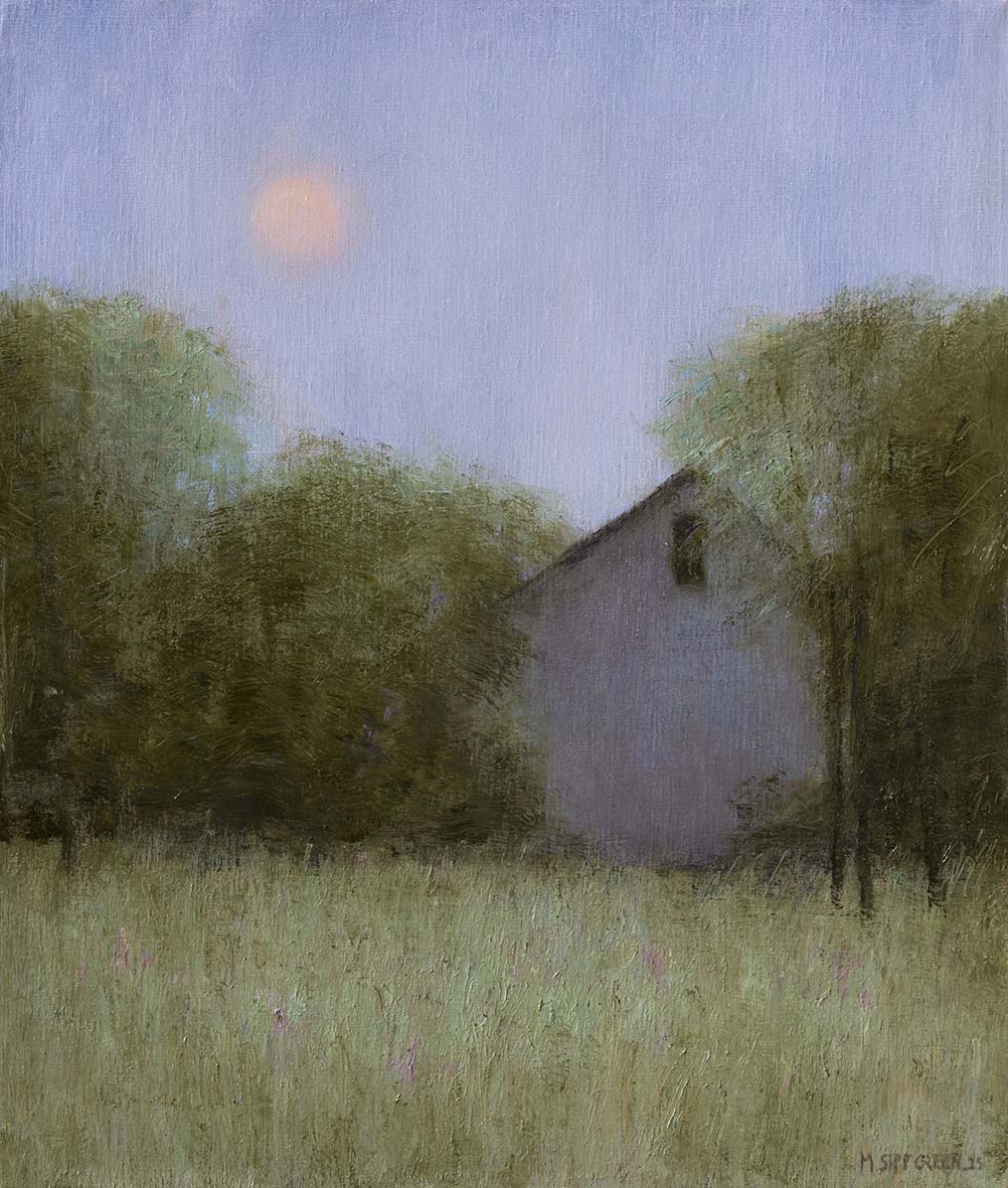
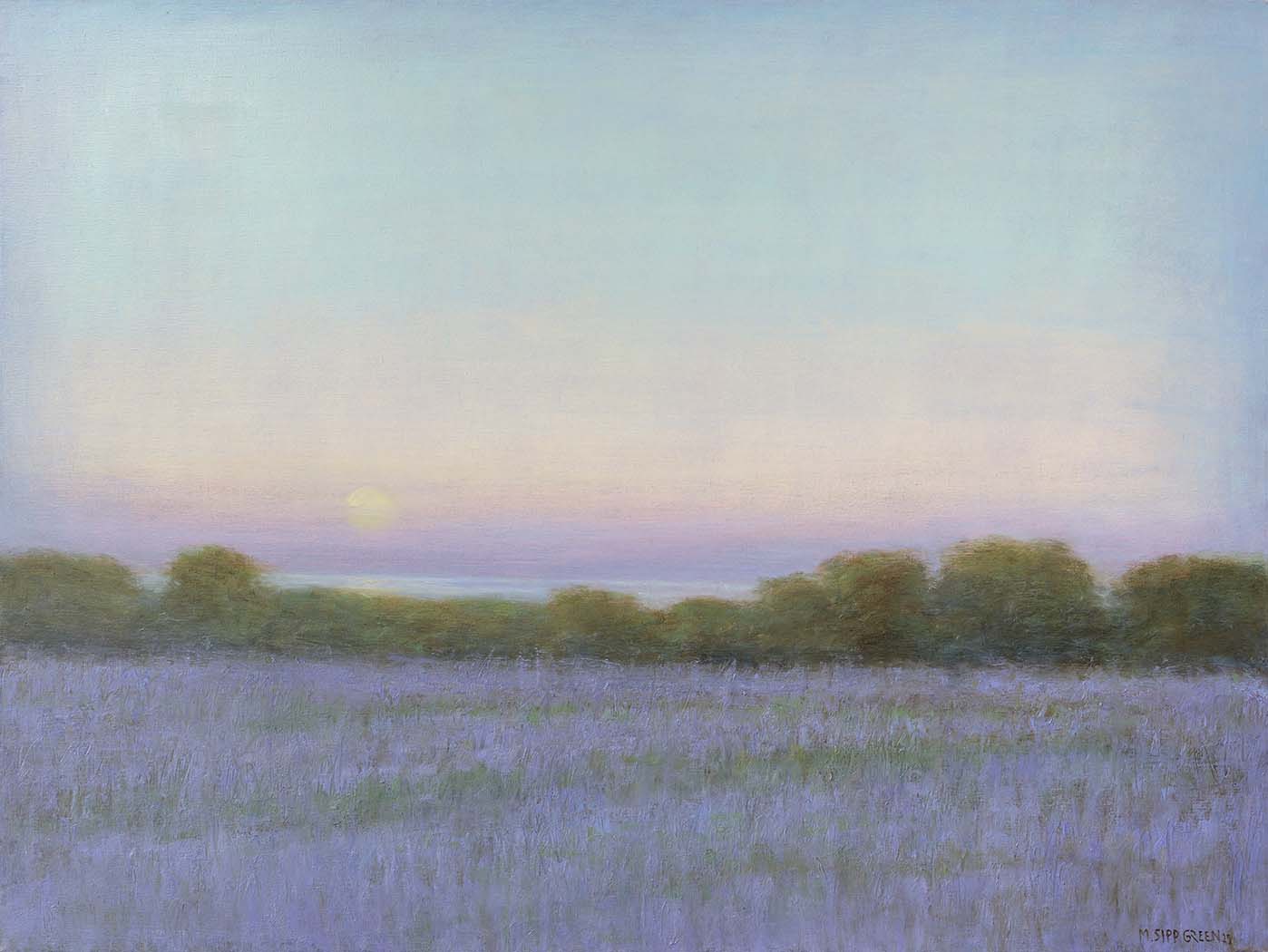
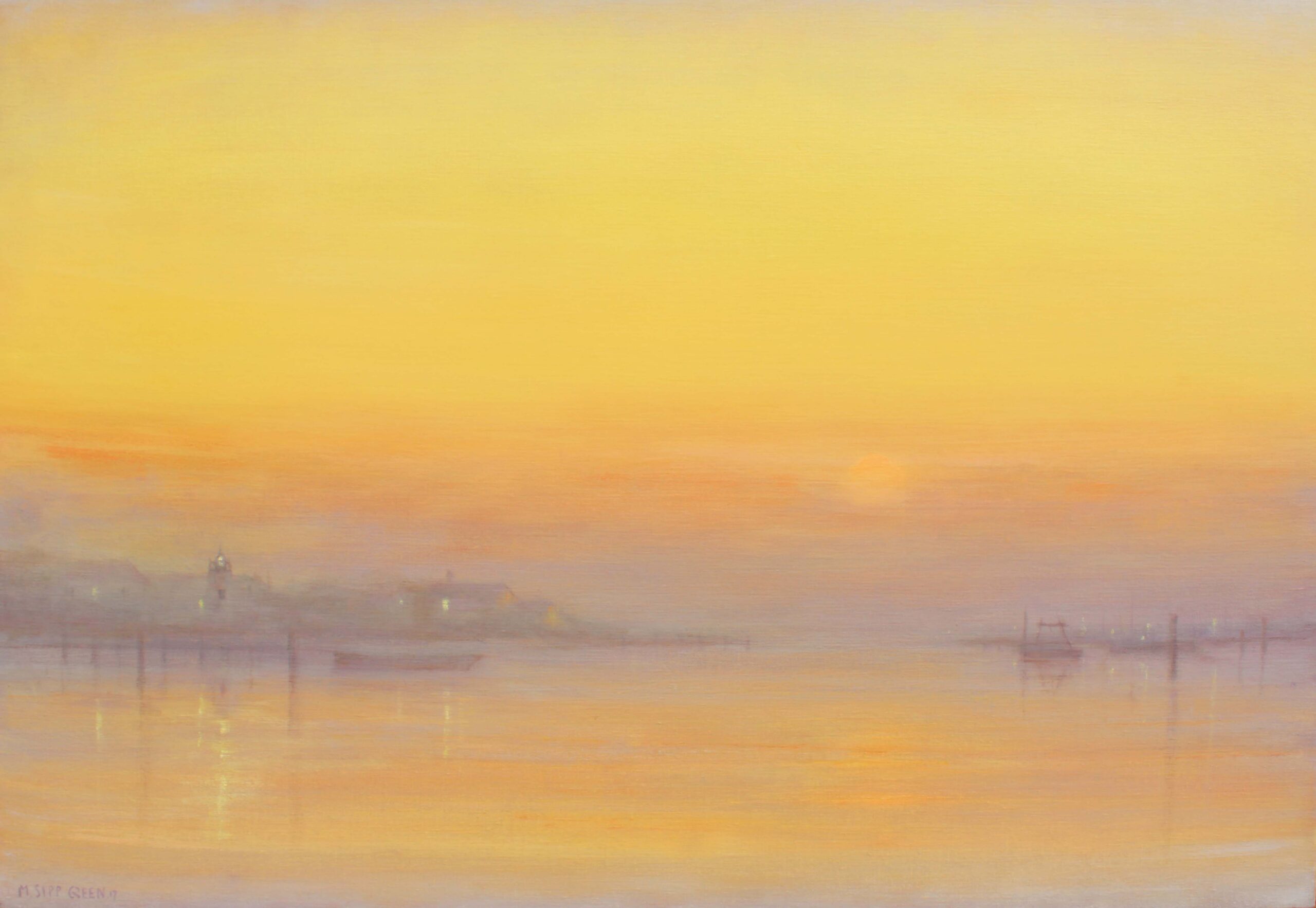
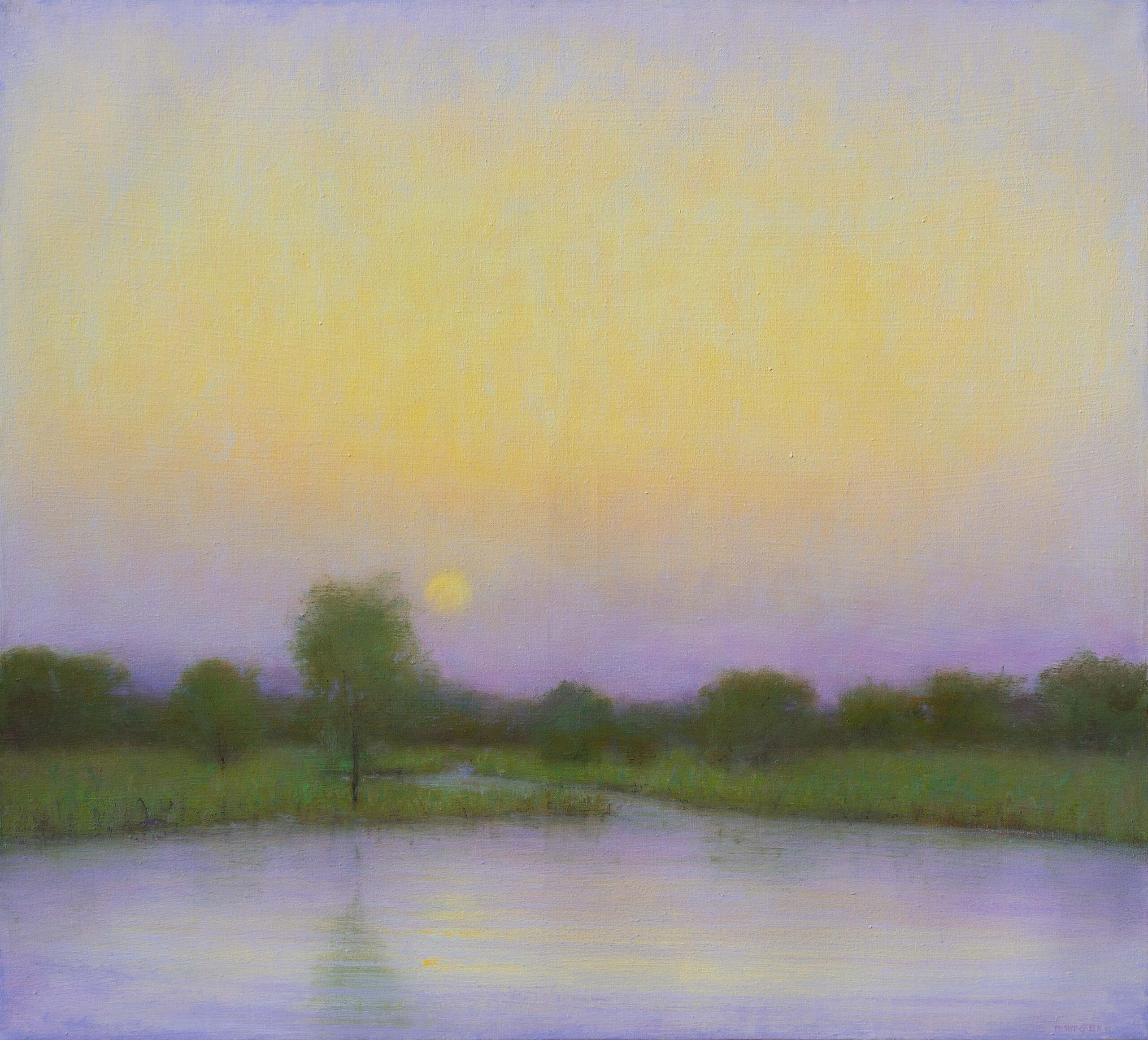
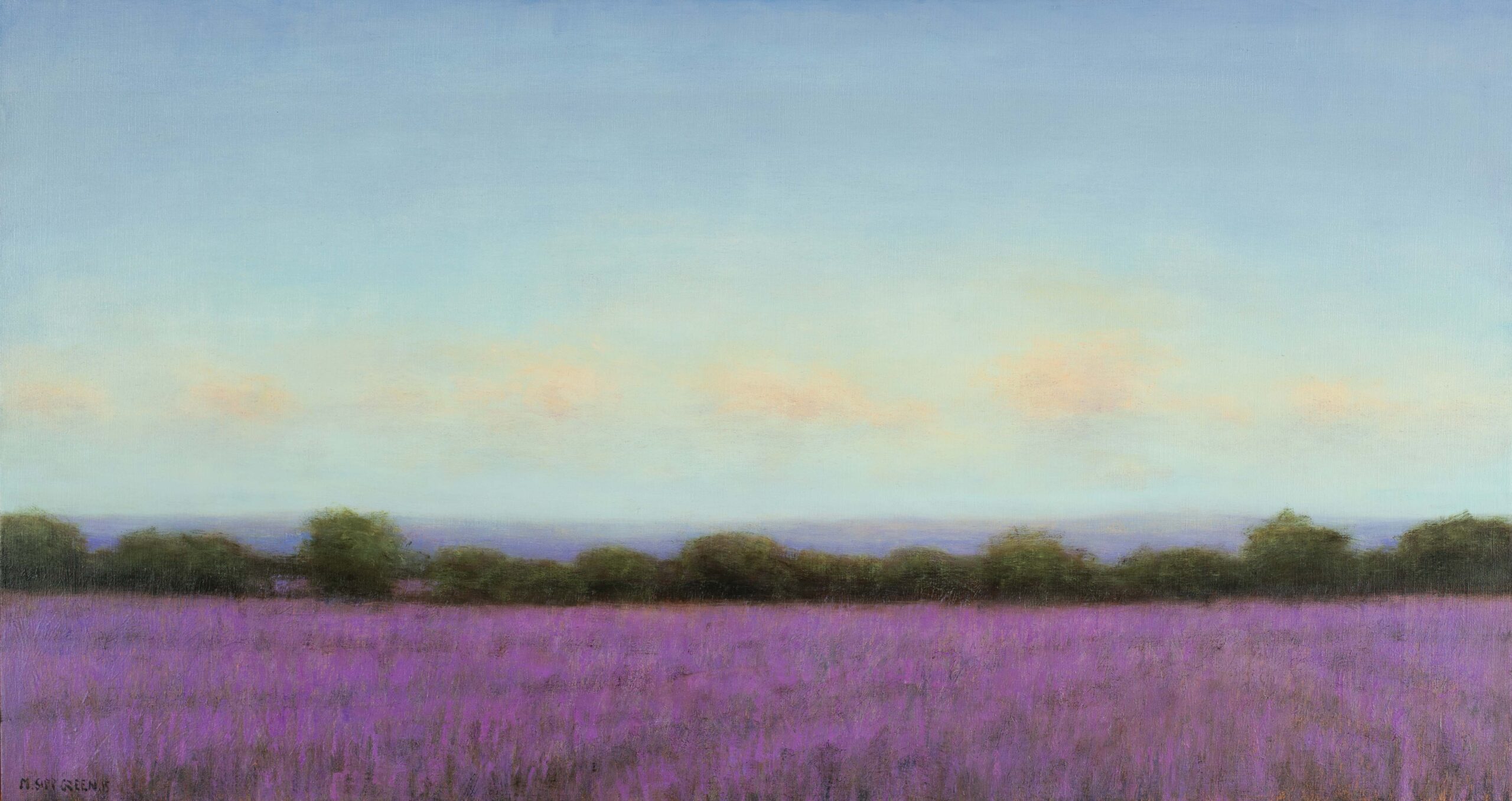
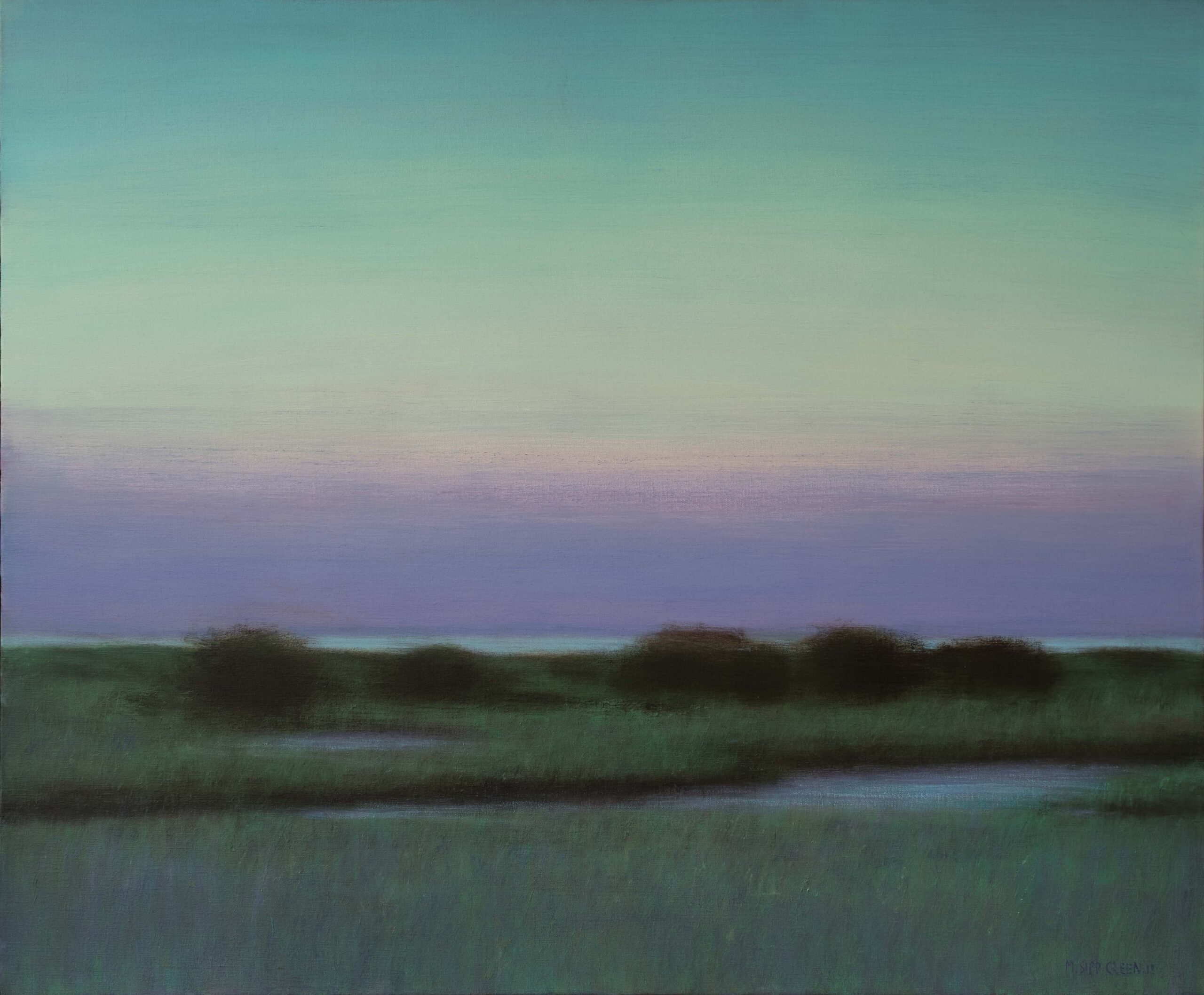
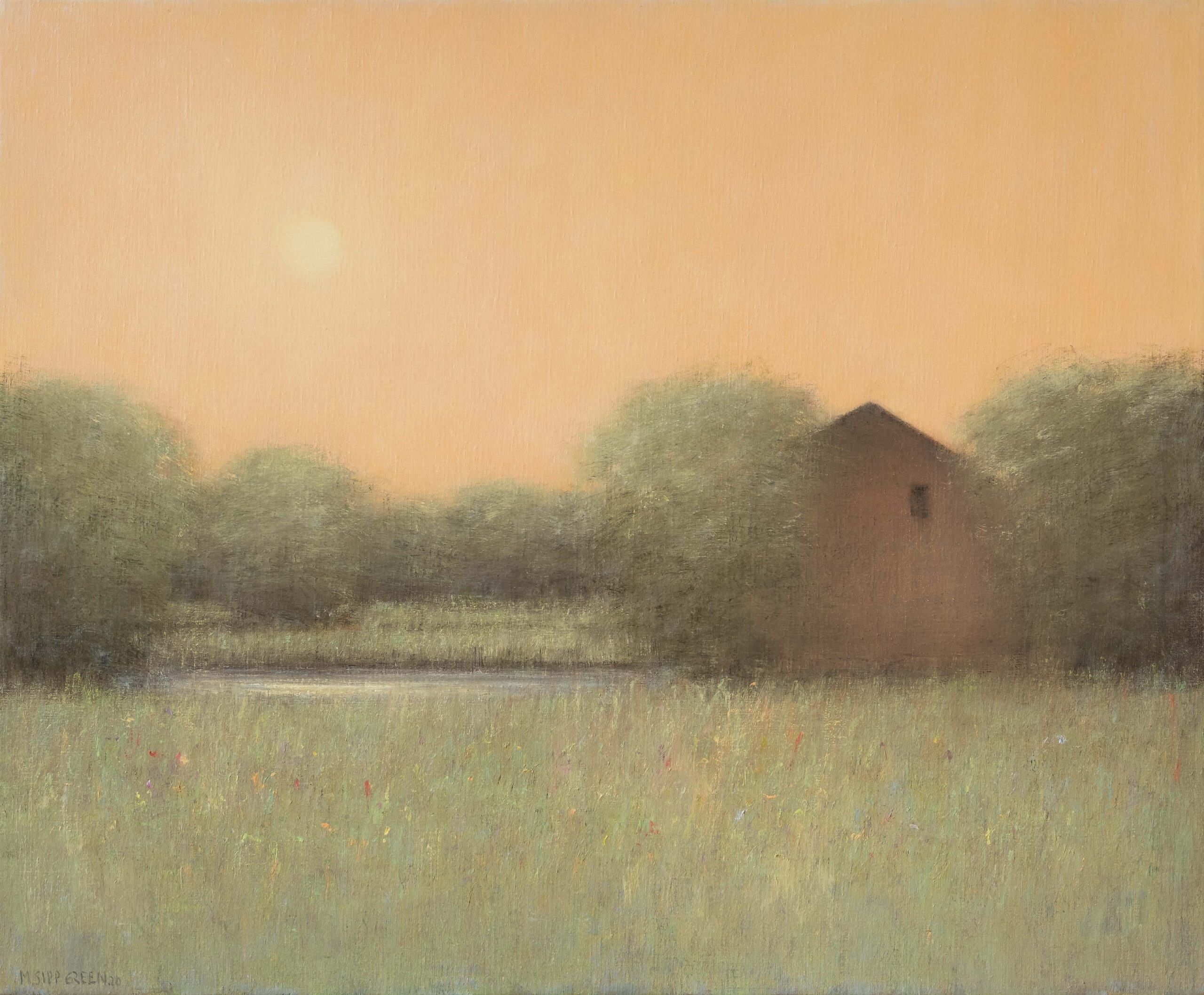
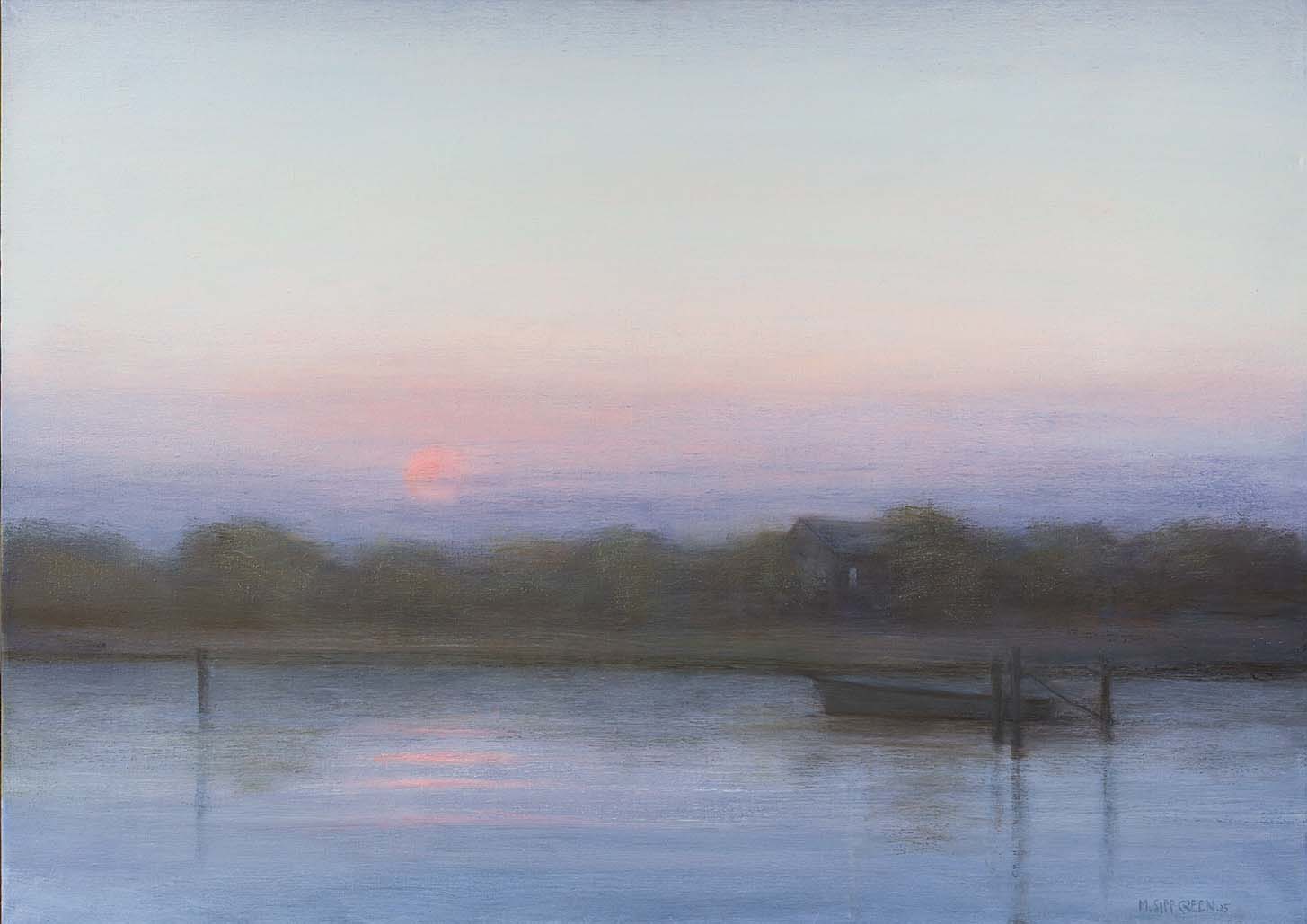
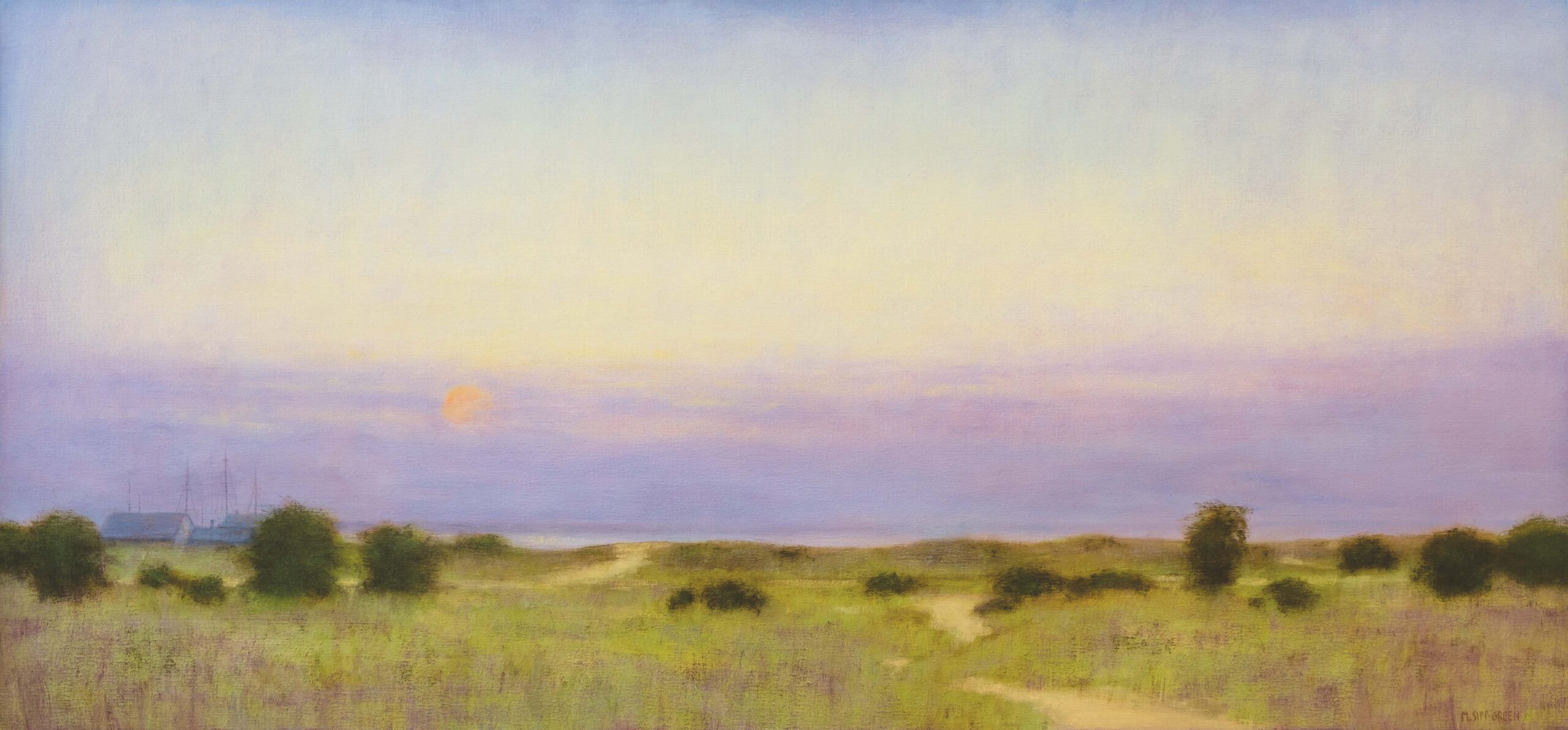
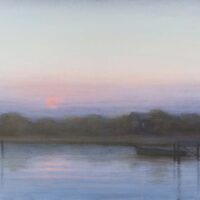
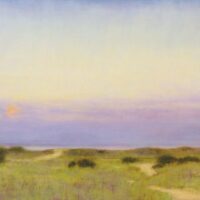
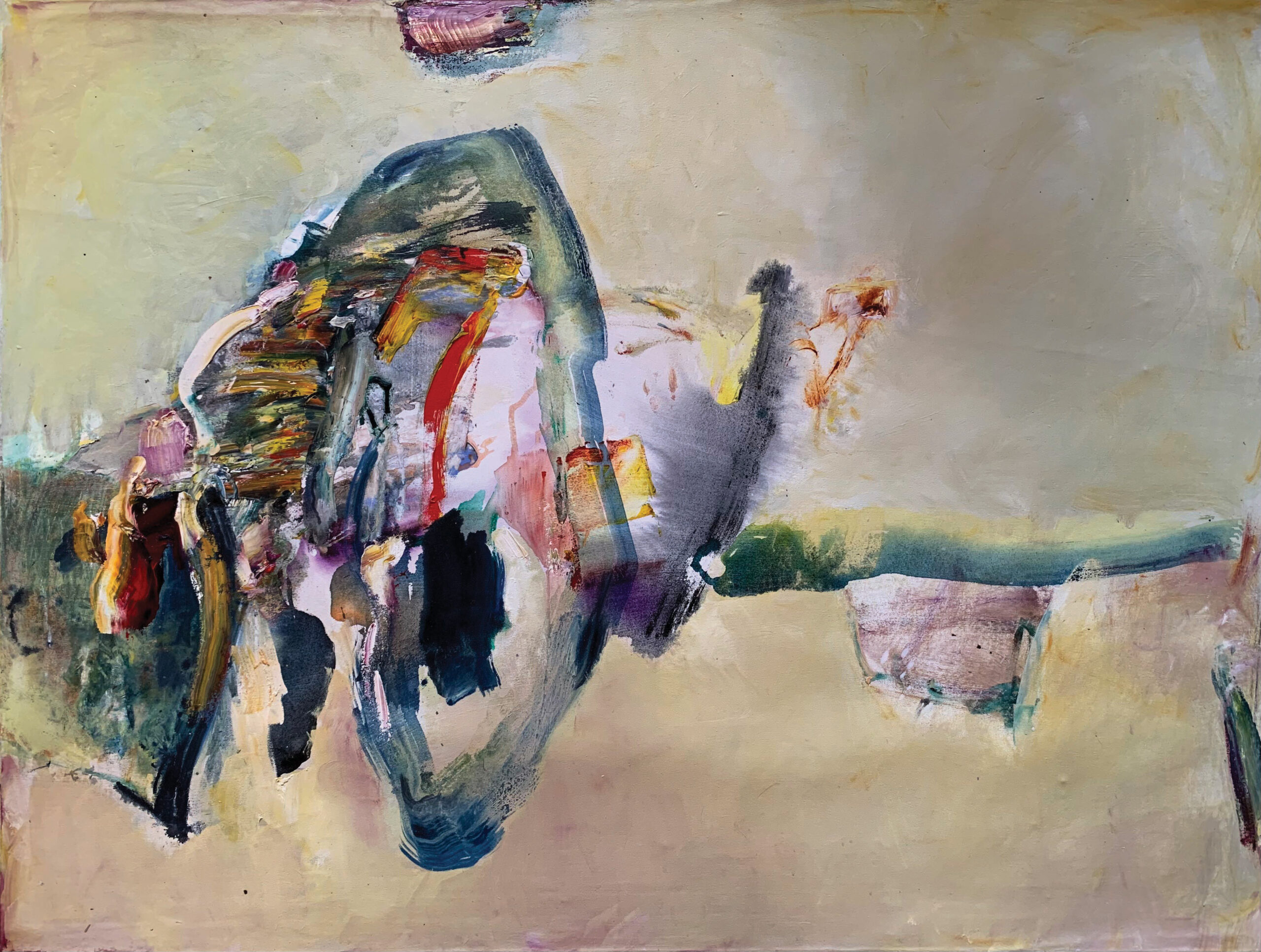
Mary Sipp Green’s evocative landscapes transcend the boundaries of realism, inviting the viewer into a world shaped by memory, light, and atmosphere. Her signature skies — layered with subtle, radiant hues — do not merely depict a scene; they reveal its emotional and spiritual resonance.

“I began painting what I saw — realistic, recognizable scenes,” she explains. “But over time, I longed to express something deeper. I wanted my work to speak beyond appearances, to capture a sense of place as it exists in memory and feeling.”

This shift in vision emerged in Dusk on Goldenrod, a turning point in Sipp Green’s career. Inspired by a familiar meadow suddenly transformed by goldenrod and shifting light, the painting marked her transition from realism to something more intuitive and poetic.

A native of New York, Mary grew up drawing in her father’s Manhattan art studio. She studied fashion design at the Fashion Institute of Technology and later ran a boutique in Greenwich Village. Eventually, she moved to the Berkshires, where she embraced painting full-time. “I needed to see what my work could become — I knew I would regret not trying.”

Her influences include George Inness, Albert Pinkham Ryder, James Whistler, Mark Rothko, and the Luminist painters — artists known for their spiritual engagement with light, tone, and space.

Findlay Galleries is proud to present the work of Mary Sipp Green — a Massachusetts-based artist whose paintings open a window into the soul of the landscape.

Get in Touch

Contact your gallery to enquire about a work of art, for more information on the exhibition, or to schedule an appointment.
James Muldoon2025 Mary Sipp Green – Beyond the Visible New York Exhibition

2025 Janet Mait New York Exhibition

Janet Mait

Recent Works | New York Exhibition

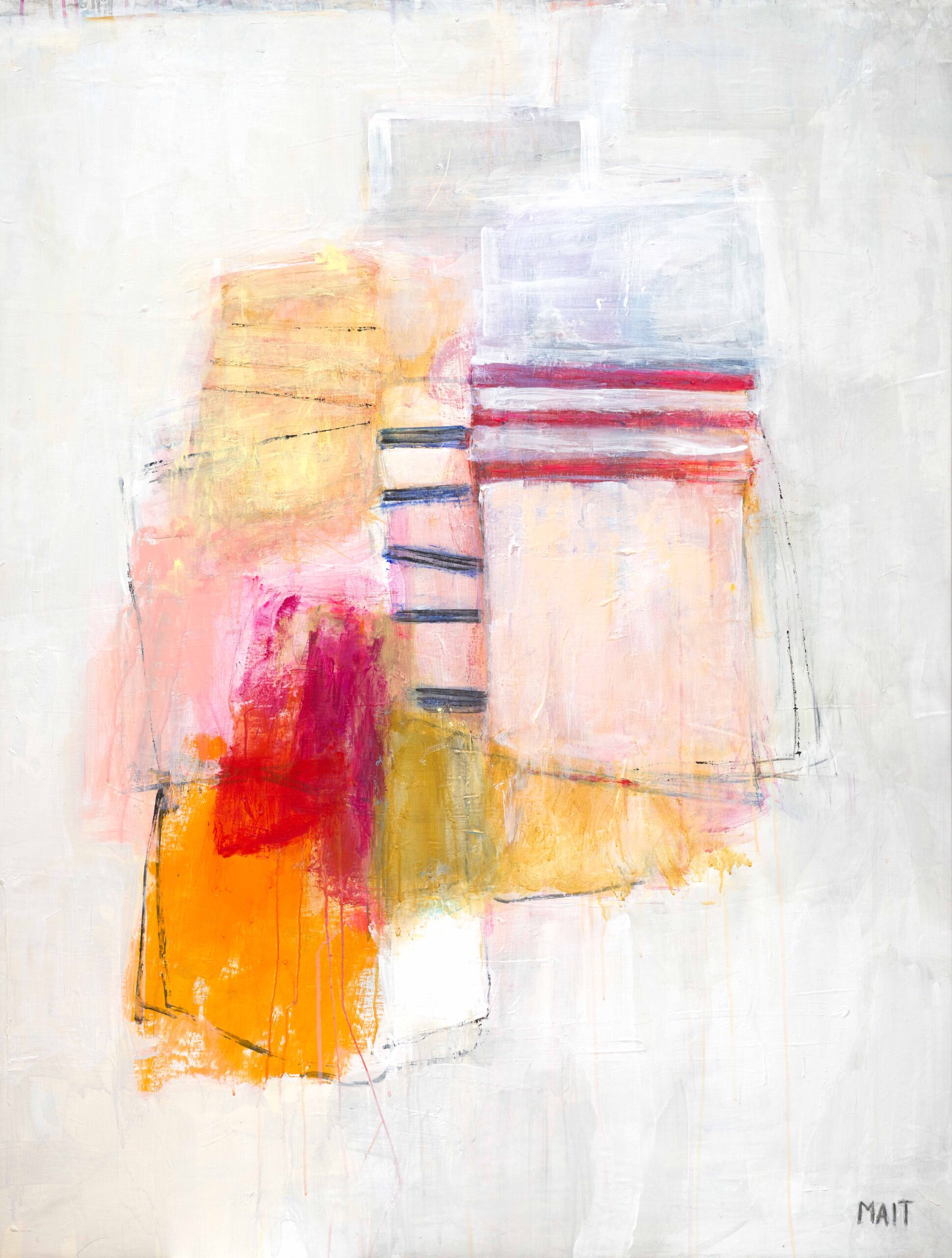
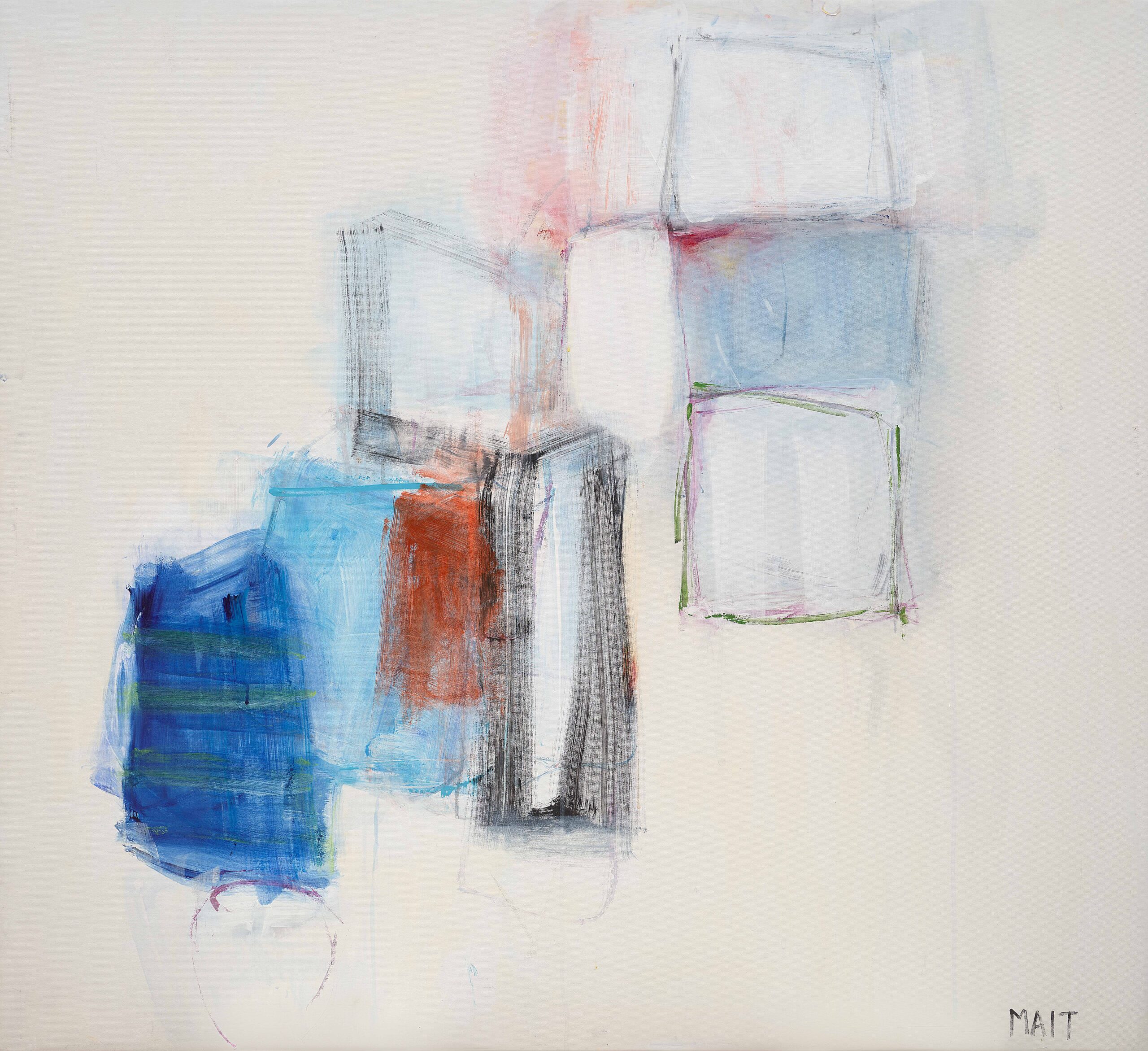
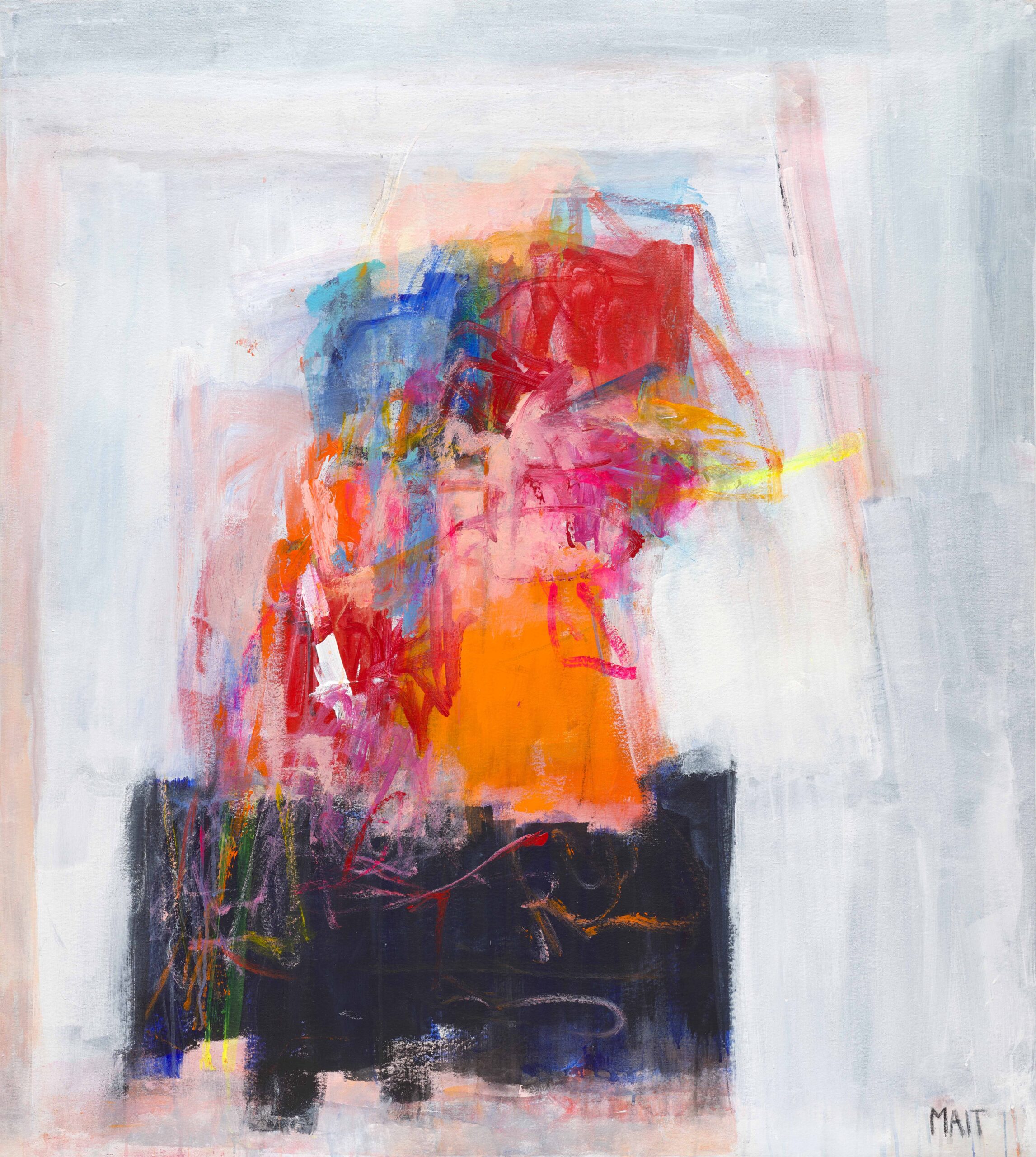
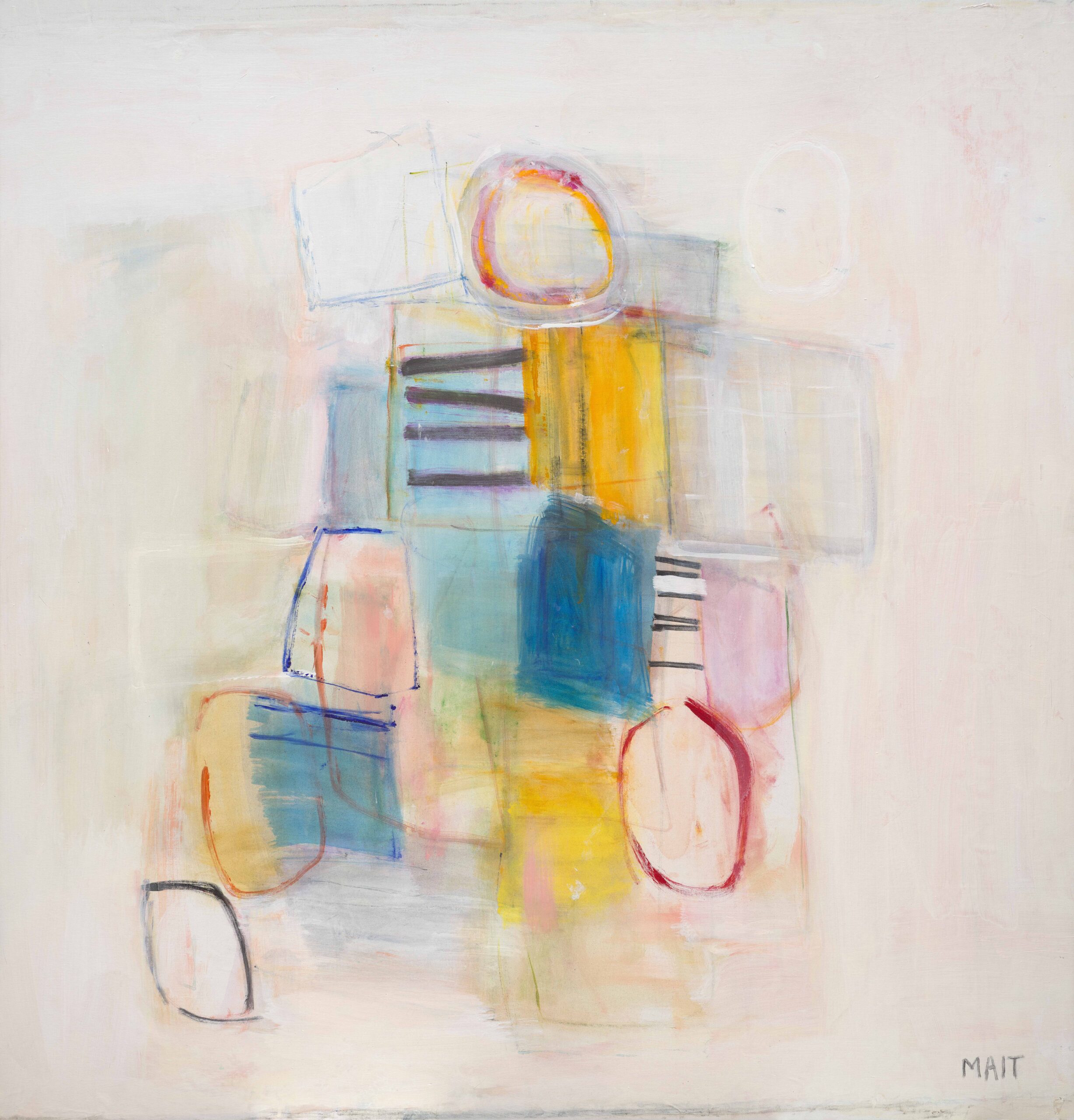
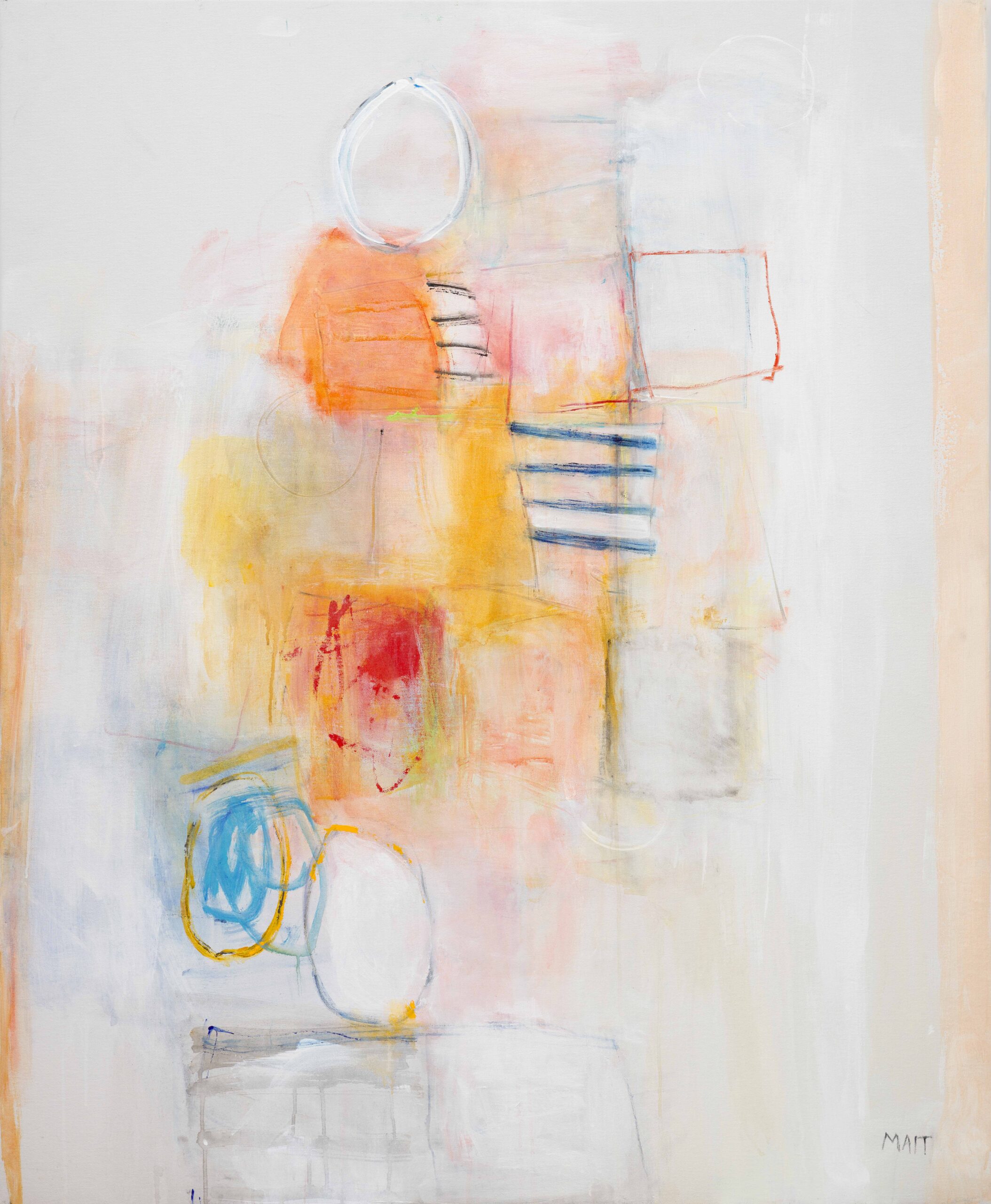
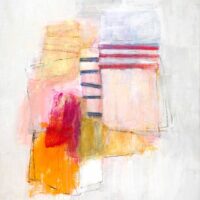
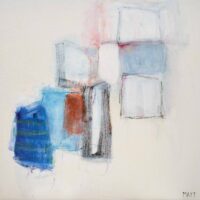
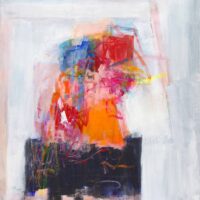
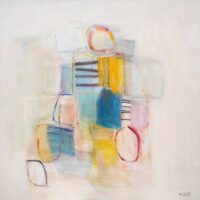
Janet Mait has emerged as a notable figure in the contemporary art scene, shaped by years of rigorous training and exploration. Her artistic journey began at The New School under the guidance of the esteemed Chaim Gross. She continued her training at the Art Students League, where she studied under renowned artists Larry Poons and William Scharf. She initially specialized in the human figure, and through years of dedicated practice, she attained mastery over form, weight, and balance—elements that would later become integral to her abstract oeuvre.

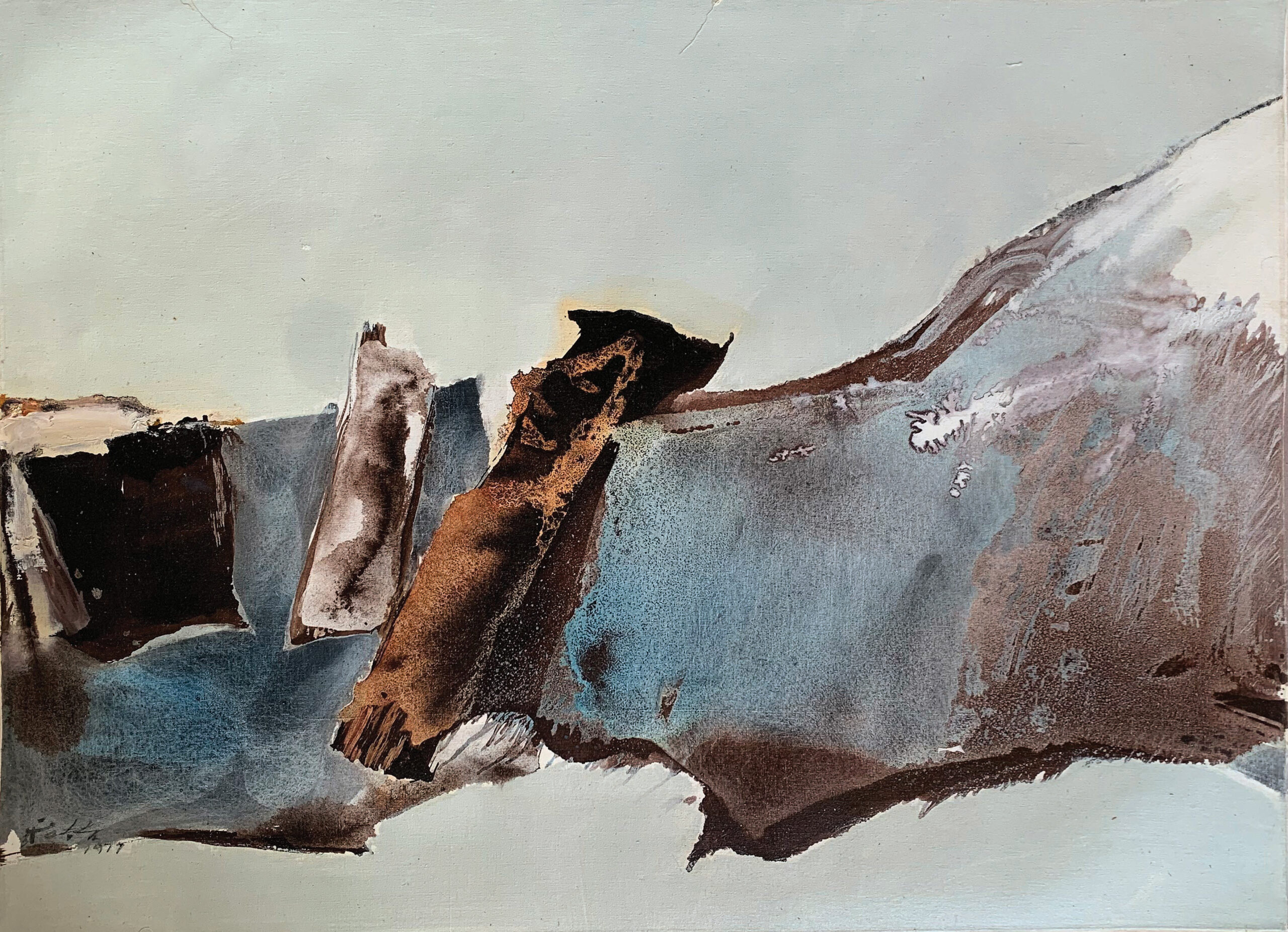
This exhibition is a celebration of Mait’s artistic evolution, inviting viewers to immerse themselves in the deeply personal and emotional essence of her work. Her transition from representational art to the liberated realm of abstract expressionism marked a pivotal moment in her creative journey—a shift that unleashed her artistic voice. “The transition to acrylic on canvas enabled me to explore the rhythmic potential of the brush,” Mait reflects. “It infused my work with a sense of freedom that transcends traditional boundaries.”

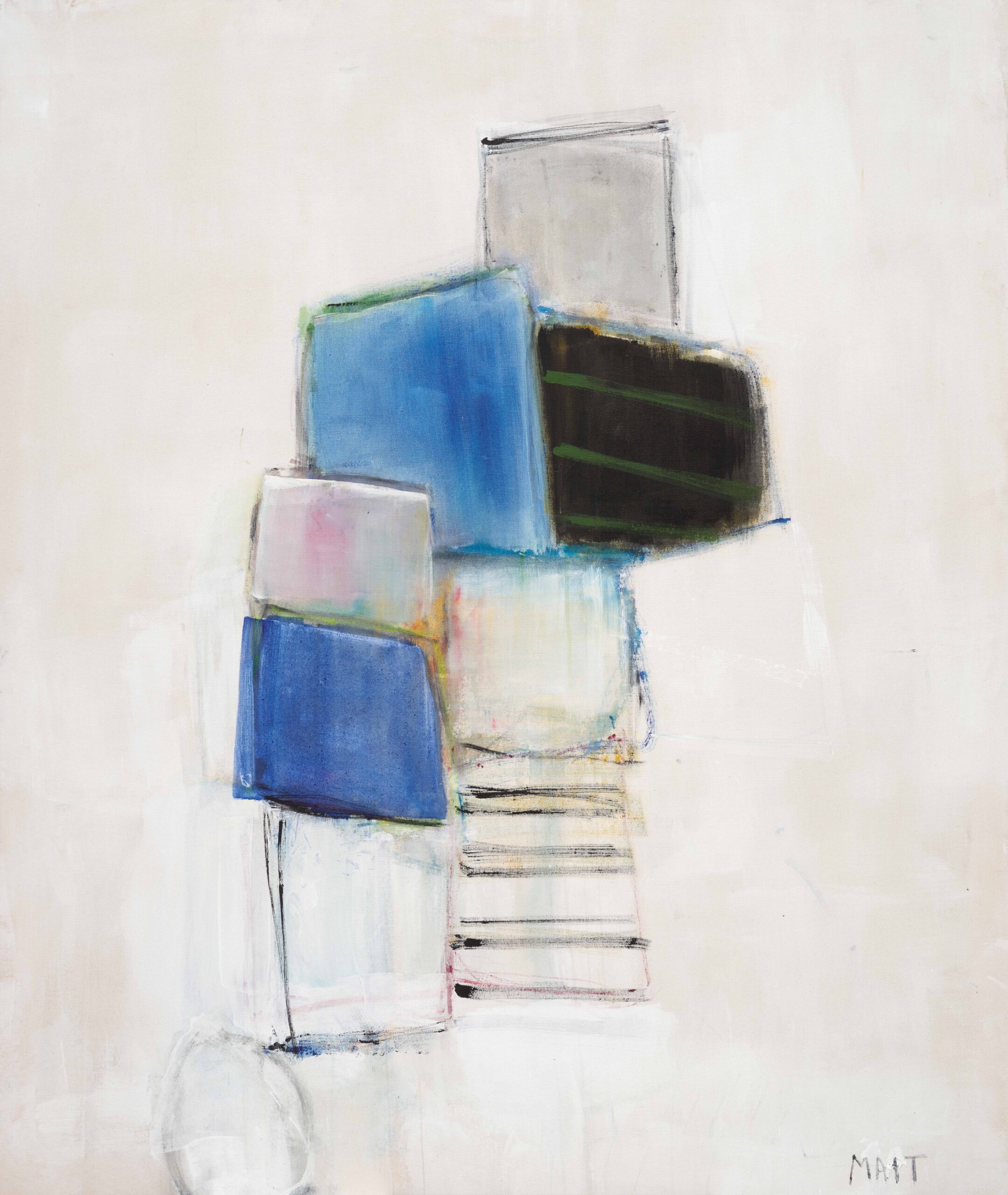
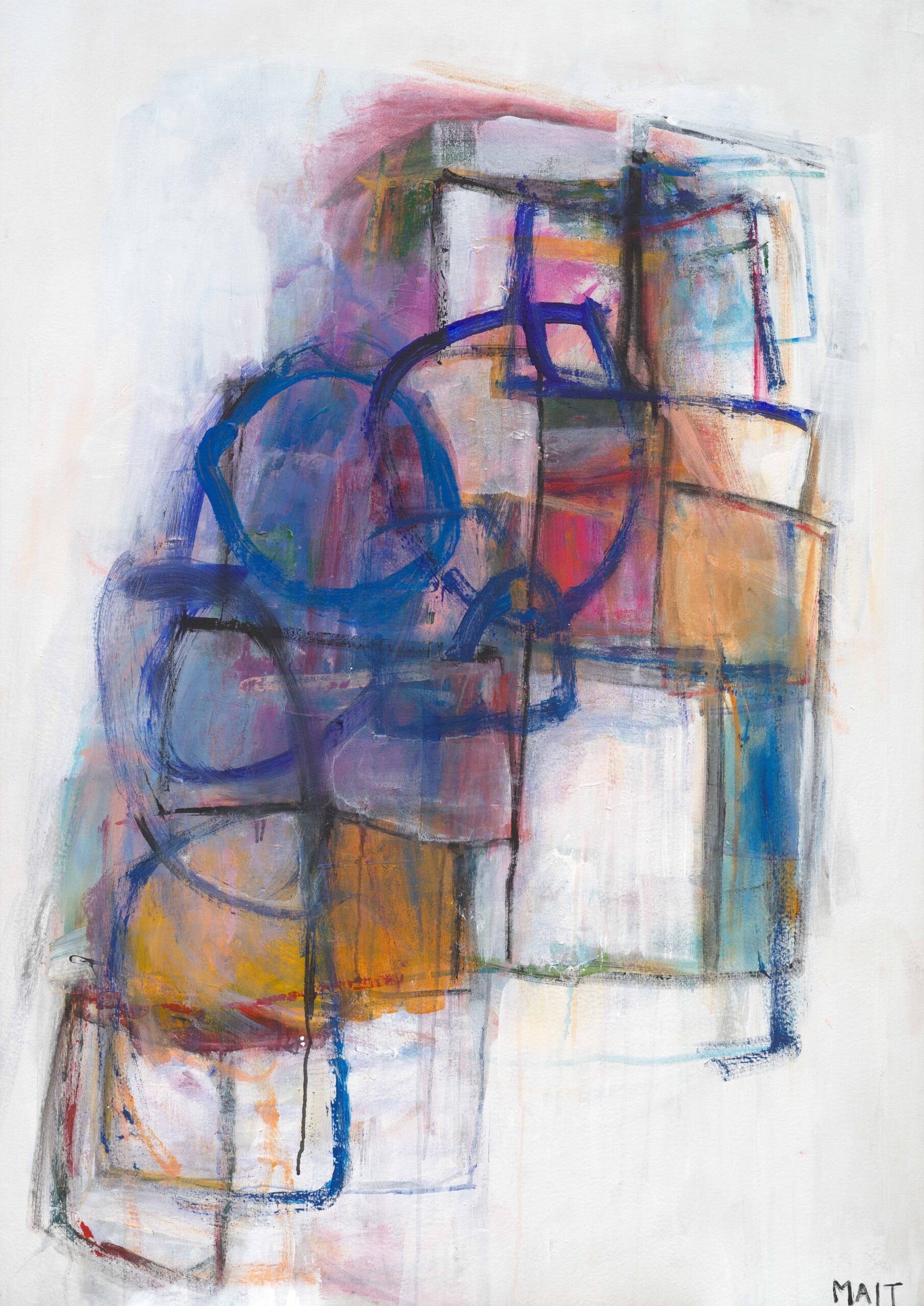
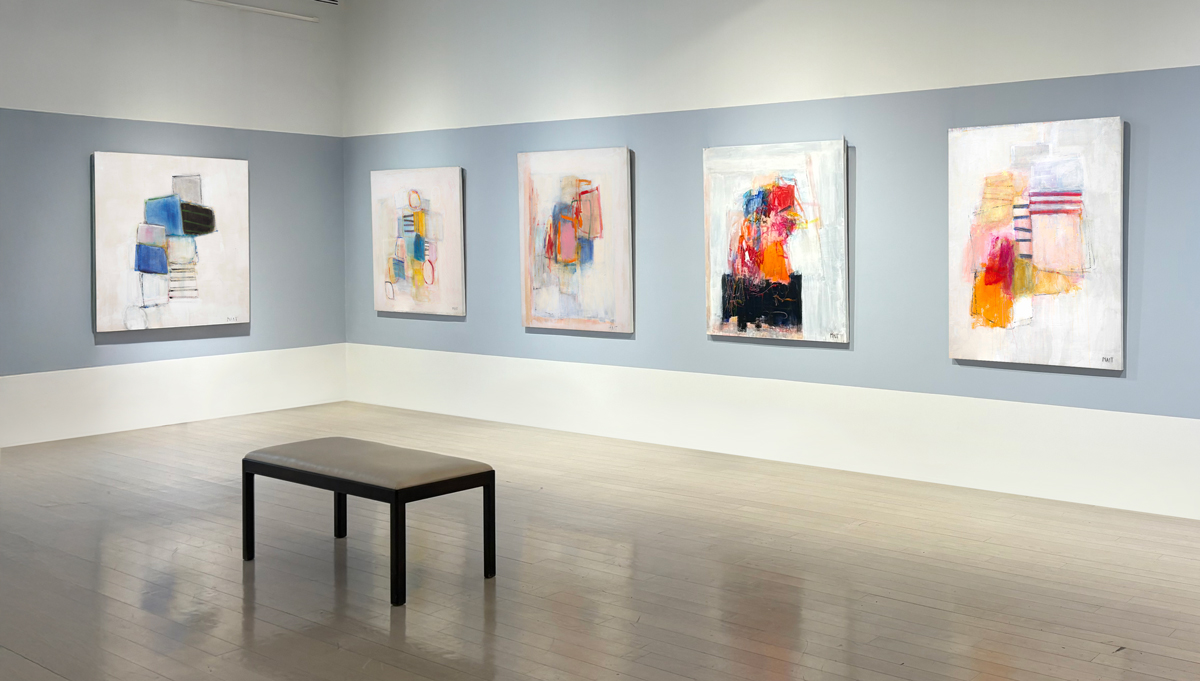
Visitors will encounter the dynamic interplay of space, color, and balance that defines Mait’s paintings. She approaches each canvas with a spirit of spontaneity, beginning her work with minimal premeditation to preserve an authentic expression. The vibrant palette she employs resonates with optimism and joy, beckoning the audience to connect with the rich internal landscape that spurs her creativity. “Every painting serves as a reflection of visions, dreams, and emotions,” Mait shares, “meticulously crafted yet born from moments of pure instinct.”

A distinctive feature of Mait’s work is her intentional use of white space, which skillfully defines her compositions and fosters overall harmony. The dialogue between color and void reveals her artistry, as she orchestrates elements that evoke both energy and tranquility.

We invite you to join us at Findlay Galleries New York to experience the transformative power of Janet Mait’s art—an exquisite celebration of color, balance, and authentic expression, beckoning everyone to explore the limitless boundaries of creativity.

2025 Recent Works, Findlay Galleries, New York
2025 An American Abstract Expressionist, Findlay Galleries, Palm Beach, FL
2019 K&P Group show
2017- 2018 Phyllis Harriman, Group Show
​2016 Context Art Miami, Miami, Florida
2016 National Arts Club, Group Show
2016 ‘High Wire’ solo exhibition, Lawrence Fine Art
2016 Art Hamptons, East Hampton
2016, July Gallery exhibition, Lawrence Fine Art
2015 Art Miami Project, Miami, Florida,
2015 New Voices, July 2015, Lawrence Fine Art, East Hampton, NY
2015 Art Southampton, Lawrence Fine Art, Southampton, NY
2015 Art Hamptons, Lawrence Fine Art, Hamptons, NY
2013 Gerald Bland Inc: Madison Avenue, New York. NY
2012 Squire Sanders: Rockefeller Center, New York , NY
2011 Armonk Arts Juried Show
2011 Spazio 522 Gallery (Chelsea): Solo Show, New York, NY
2011 New York Spaces Magazine event
2011 Exhibition at Ligne Roset: Park Avenue, New York, NY
2009-2012 Art Students League Gallery
1995 White Plains Juried Show
1990-1996 Mamaroneck Artist Guild concurrent Shows and Exhibitions
1982 Larchmont Library  – Solo Show


Get in Touch

Contact your gallery to enquire about a work of art, for more information on the exhibition, or to schedule an appointment.
New York Exhibition

James Muldoon2025 Janet Mait New York Exhibition

2025 Gorriti & Aïzpiri Exhibition

Gilles Gorriti & Paul Aïzpiri

Group Exhibition

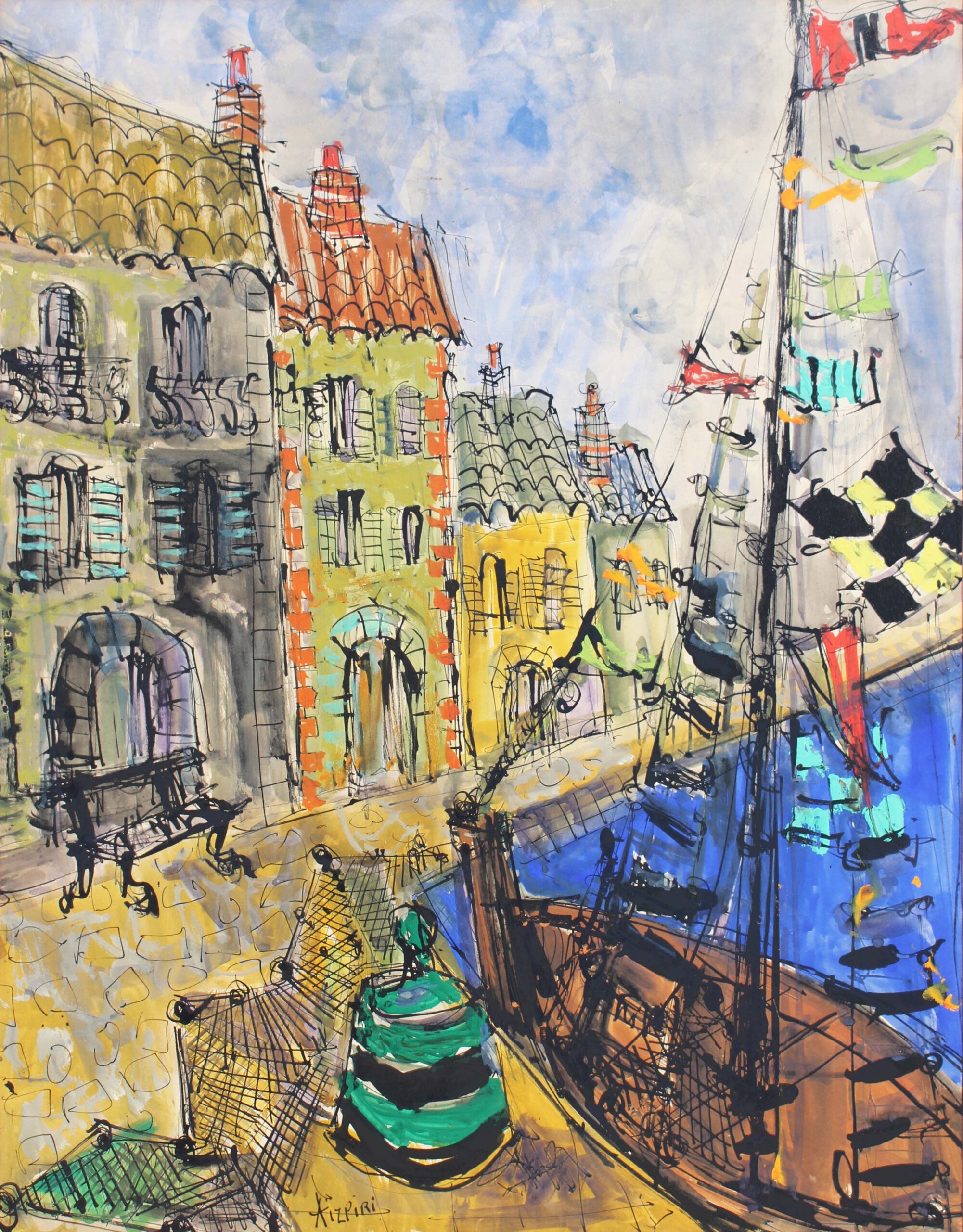
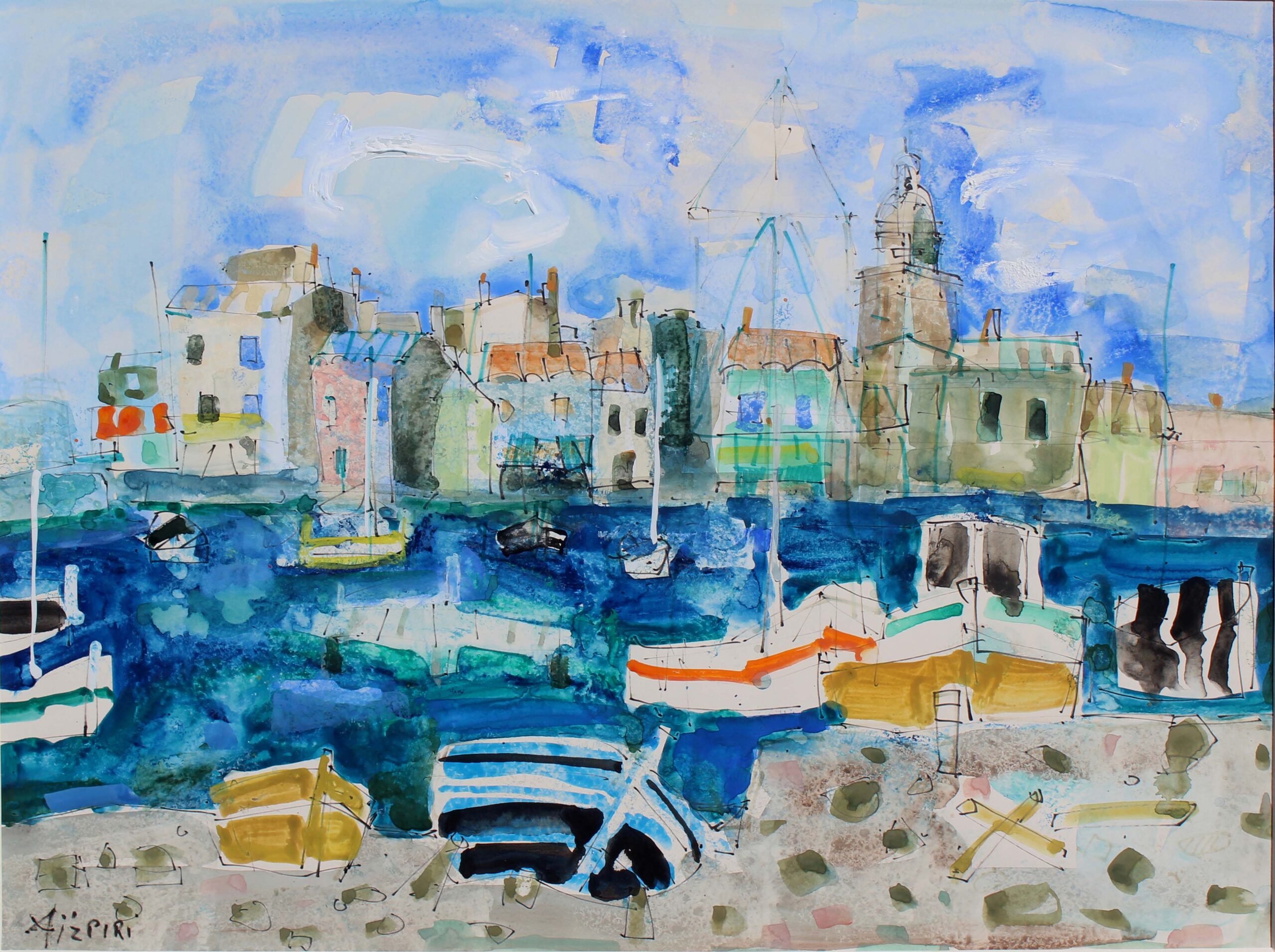
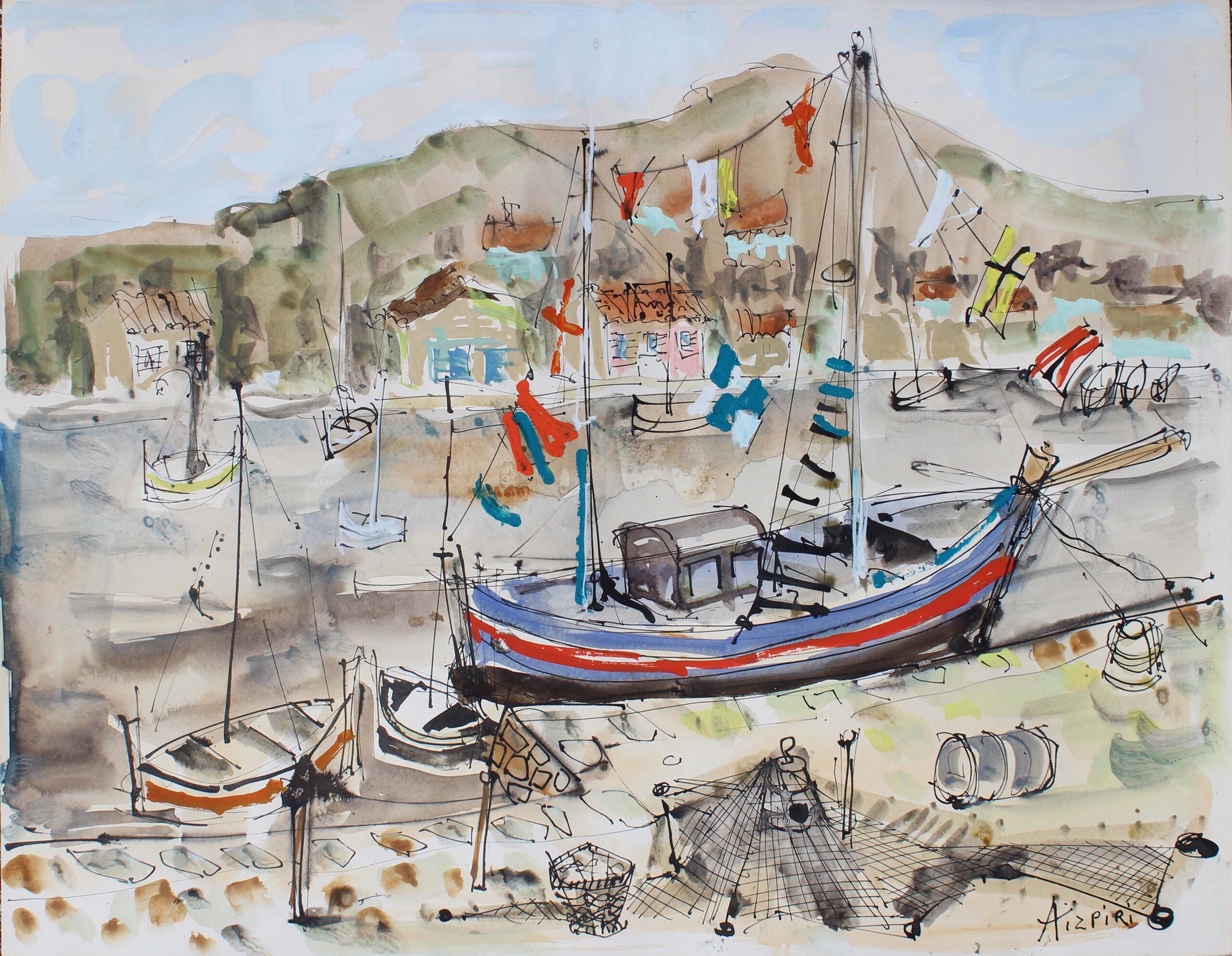
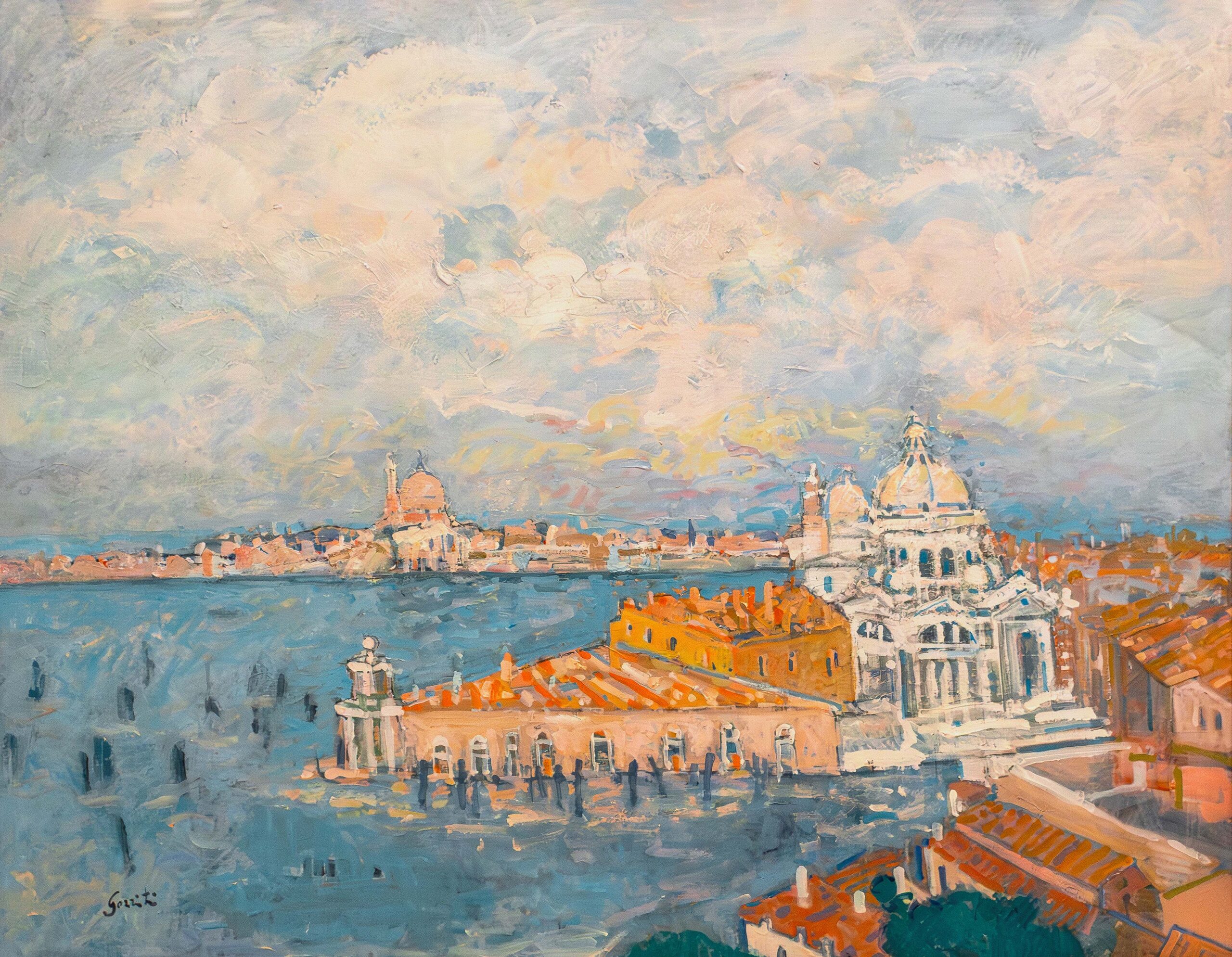
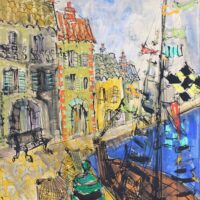
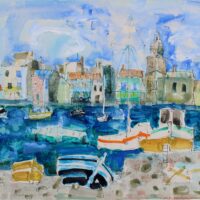
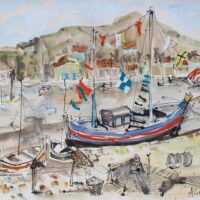
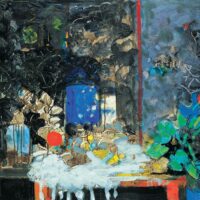
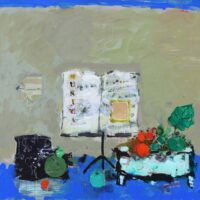
Findlay Galleries proudly presents an exceptional collection of works by the renowned artists Paul Aïzpiri and Gilles Gorriti. Aïzpiri is celebrated as a quintessential representative of the ‘Mediterranean artists,’ whose creations radiate the enchanting beauty of Southern Europe. His artistry is a heartfelt expression, deeply rooted in his appreciation for nature and family. With bold brushstrokes and vibrant color palettes, Aïzpiri’s figurative paintings serve as a jubilant testimony to his zest for life. His works are akin to poetic narratives infused with warmth, depicting joyful motifs such as children, bicycles, airplanes, birds, fish, and the sun, all soaring above the picturesque landscapes of Paris, Saint Tropez, and Venice.

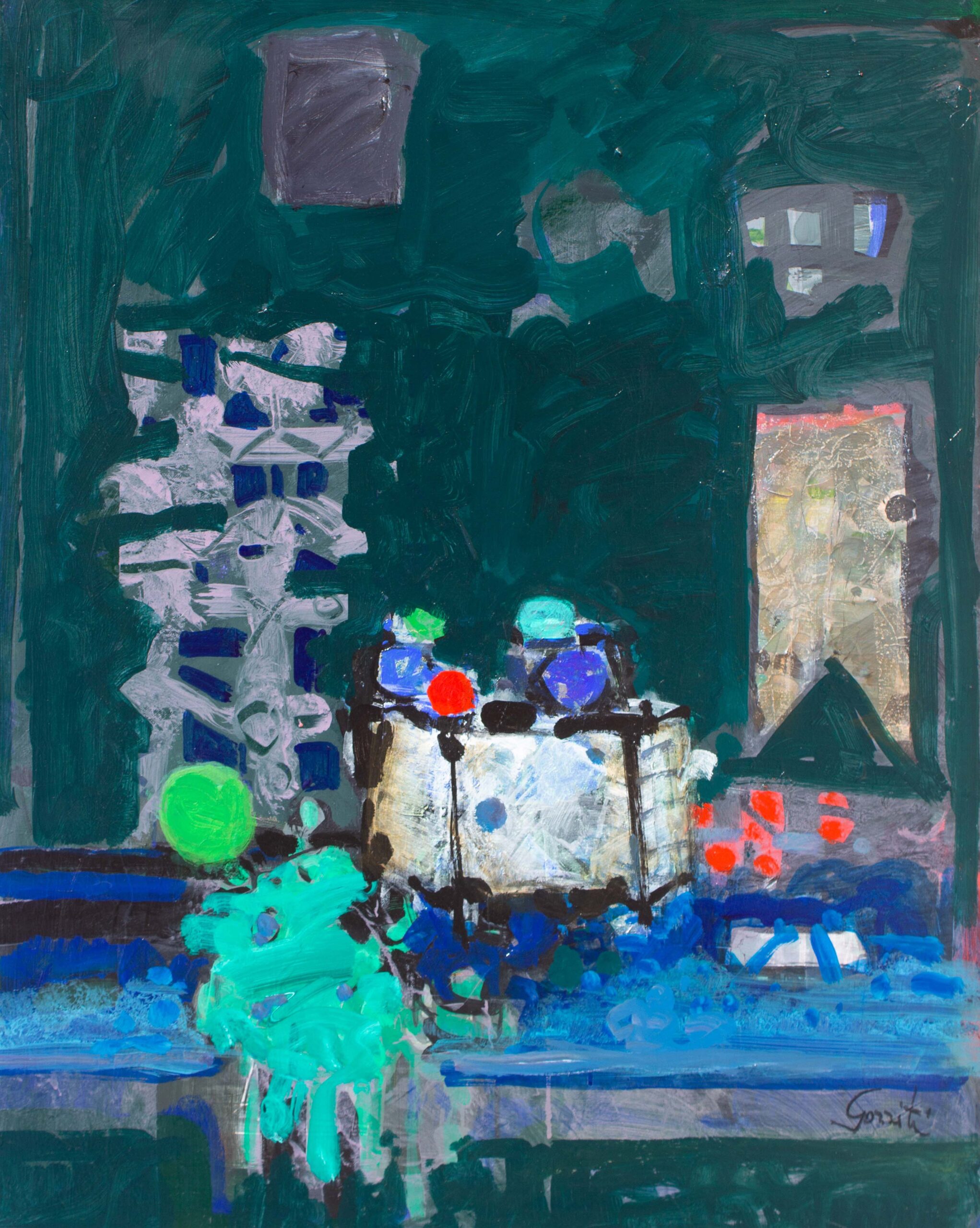
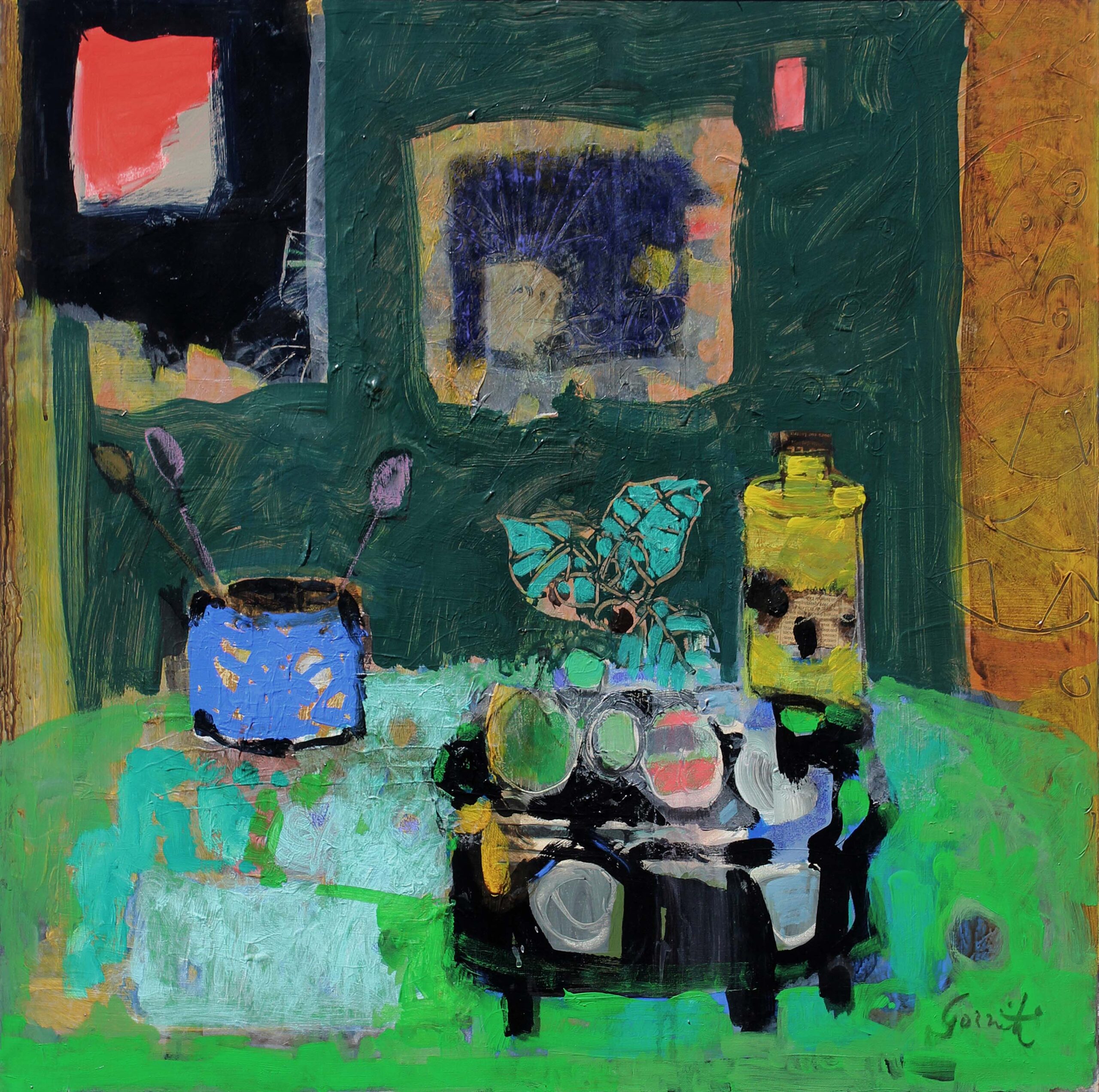
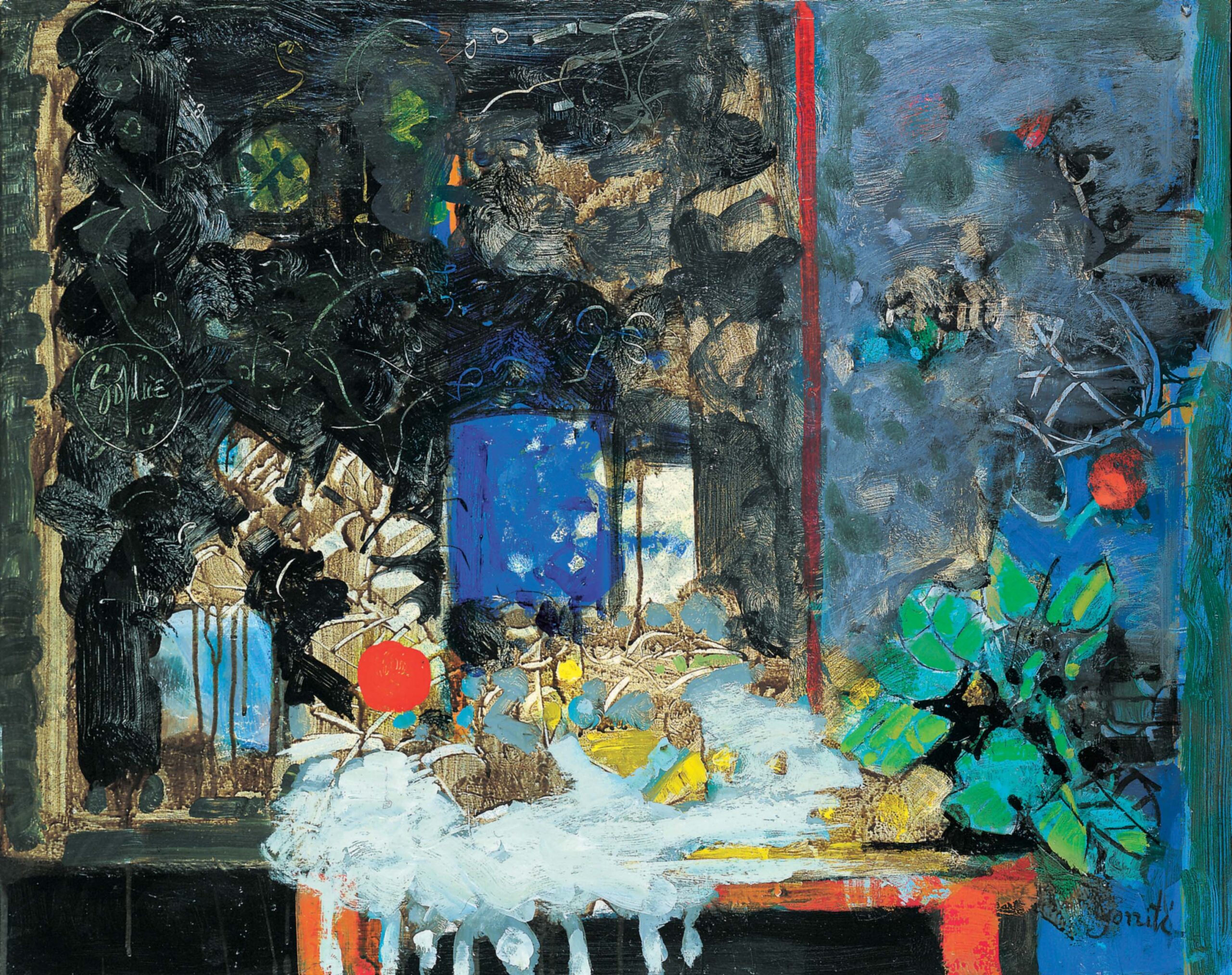
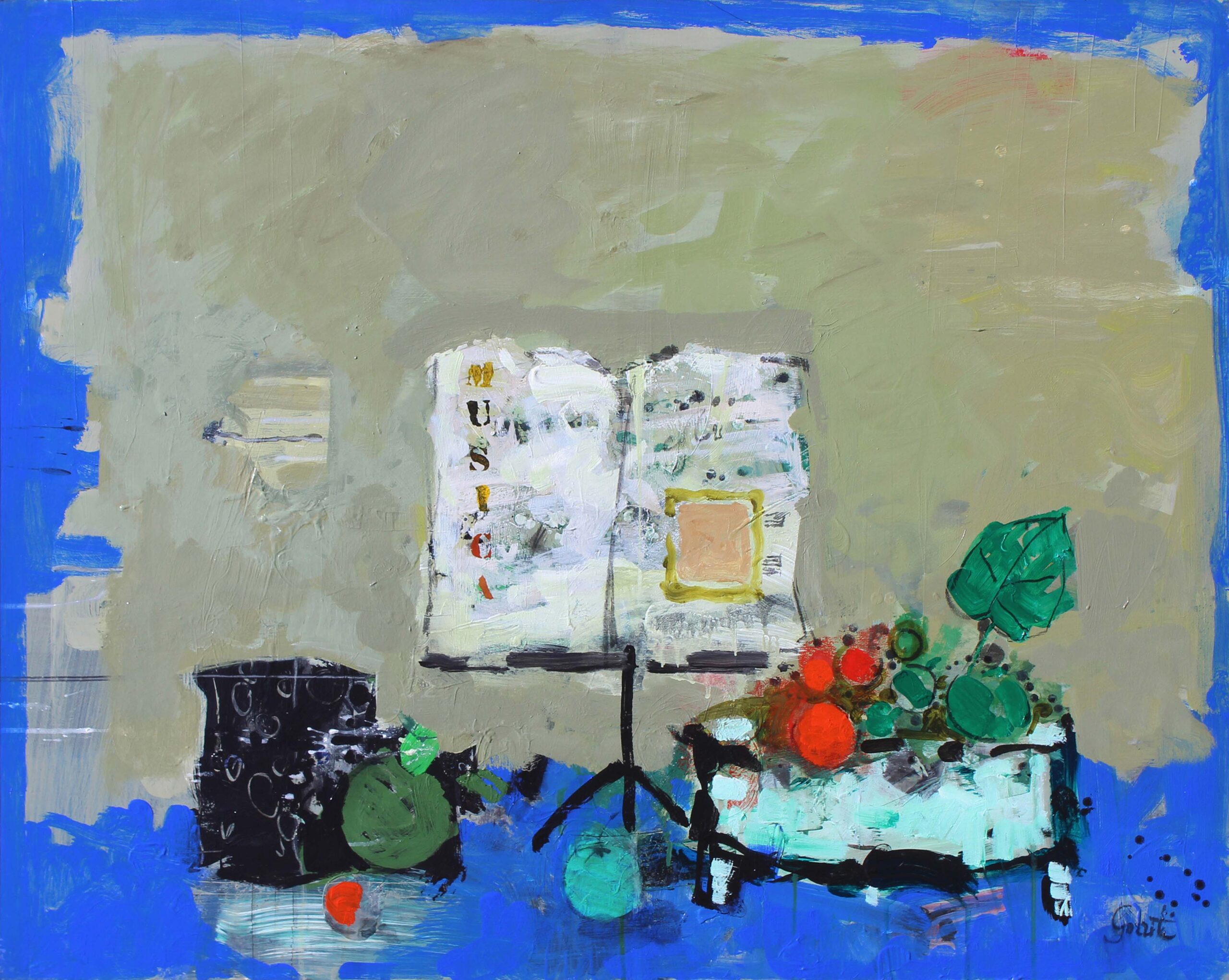
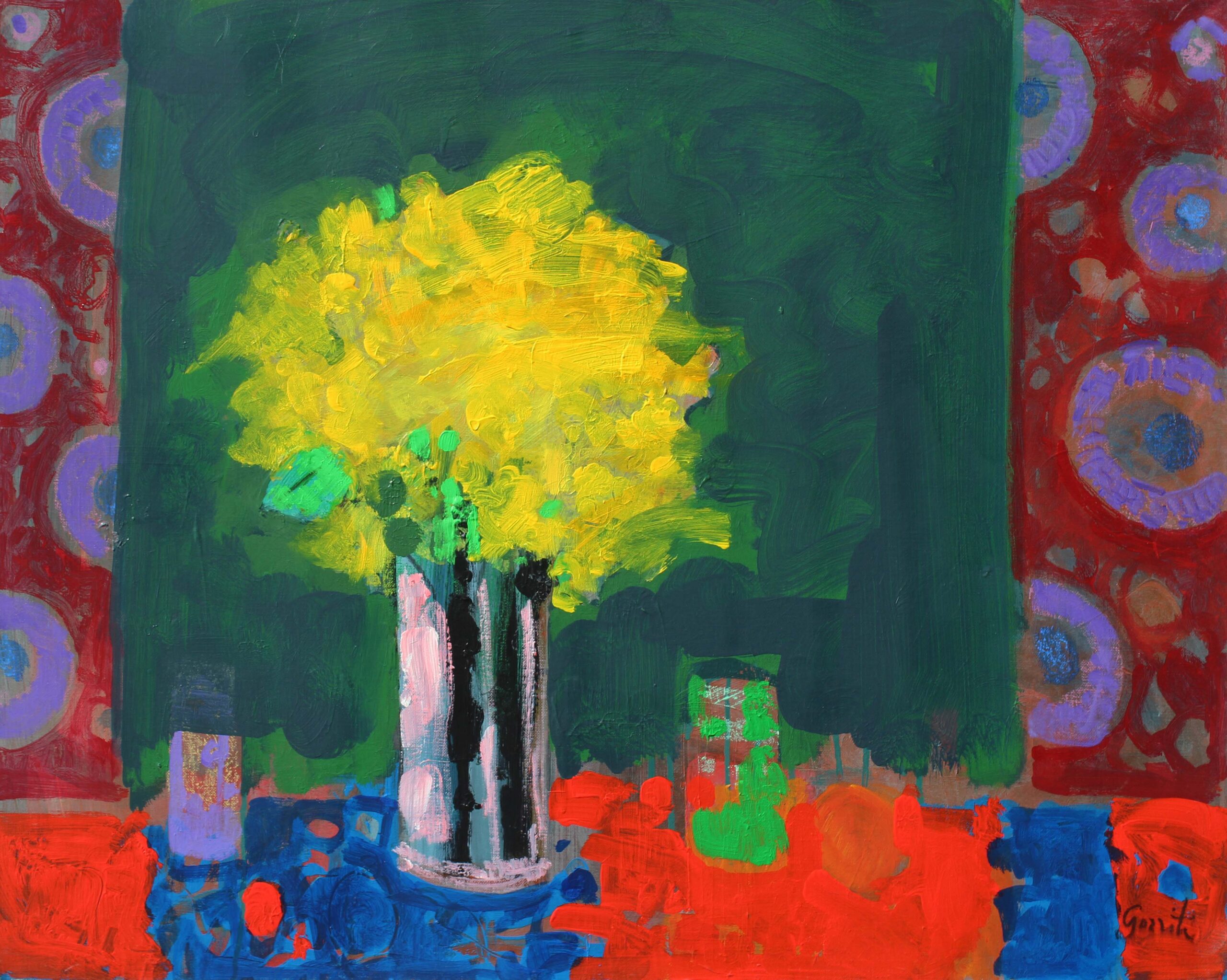
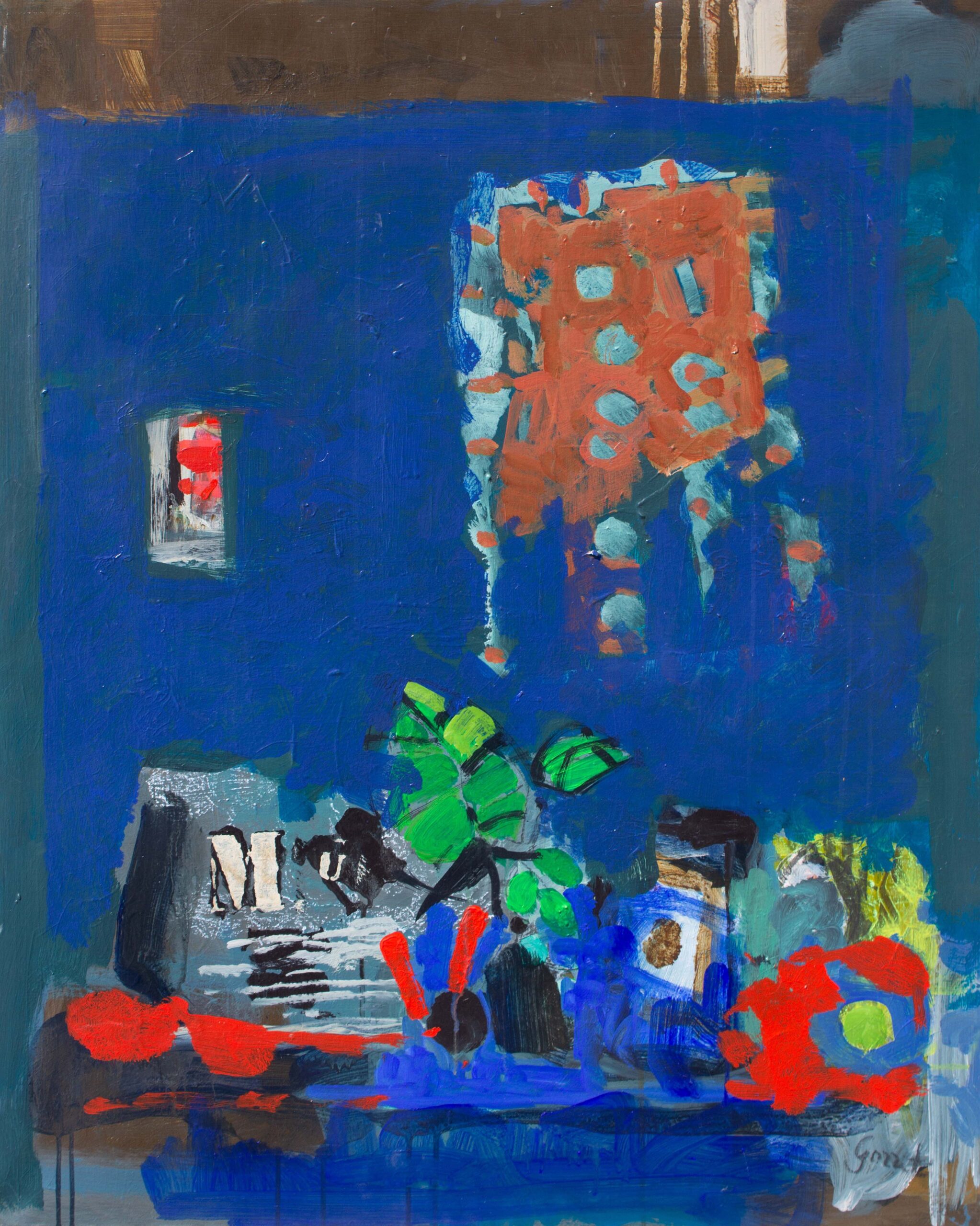
In a remarkable familial continuity, Gilles Gorriti mirrors his father’s fervor for strikingly vivid color. Nonetheless, for Gorriti, the interplay of color takes precedence over subject matter. As a master colorist, he skillfully manipulates the entire spectrum of his palette, juxtaposing subtle, delicate tones with bold, vibrant blocks of color. Through the emotional resonance of his hues and the finesse of his brushwork, Gorriti compels viewers with a profound impression, communicating a powerful narrative through the simplicity of his subjects.

Gilles Gorriti, a dedicated disciple of the French Modernist movement, was born in the artistic heart of Paris in 1939, amidst the vibrant tapestry of a Basque heritage. Growing up in an environment imbued with creativity, Gorriti was deeply influenced by his father, whose artistic spirit guided his early explorations. His formal journey into the world of art commenced in 1955 at the esteemed Atelier de la Grande Chaumière, followed by studies at the Académie Julian. Remarkably precocious, he orchestrated his first solo exhibition by the tender age of seventeen at the distinguished Galerie Morval. 

In 1958, Gorriti gained membership in the Salon d’Automne, marking the beginning of a fruitful relationship with this prestigious institution, where he would continue to unveil his work. The following years saw him invited to showcase at the Salon de la Jeune Peinture, further solidifying his presence in the art world. In a testament to his burgeoning reputation, the city of Paris acquired one of his paintings in 1962 for its influential collection, an achievement further enhanced by his participation in the Fourth International Exhibition of Figurative Art in Japan in 1965.

A pivotal moment arrived in 1978 when Gorriti held his inaugural exhibition at the Tamenaga Galleries in Tokyo, which paved the way for subsequent exhibitions in Paris, Tokyo, and Osaka. The discerning eyes of the American-based Wally Findlay Galleries recognized his talent, first presenting Gorriti’s work in 1983 at their Paris venue on Avenue Matignon. This collaboration flourished, resulting in exhibitions across their historic locations in Chicago, Palm Beach, and New York. Notably, the East Hampton location showcased Gorriti’s work for its inaugural exhibition in May of 1999, a fitting tribute to an artist whose shows have captivated audiences globally, particularly in France, Geneva, New York, Palm Beach, Los Angeles, and Japan.

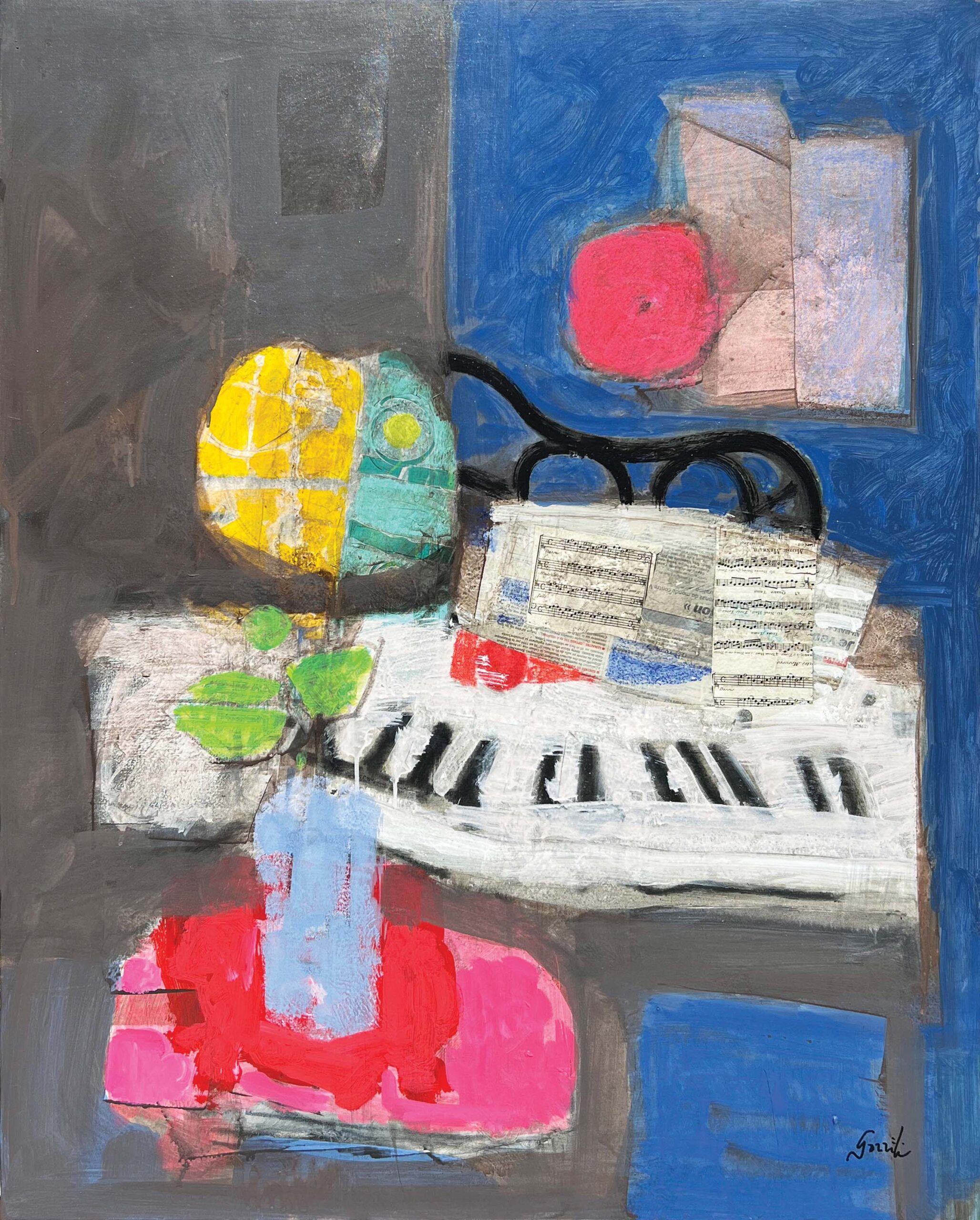
The essence of Gorriti’s artistic brilliance lies not solely in his captivating subject matter but rather in his mastery of color. As a virtuoso colorist, he employed the full spectrum of his palette, crafting subtle fragments of delicate tones that dance harmoniously alongside bold, vibrant blocks of color. This dynamic interplay creates a striking contrast with the generally serene themes of his work, engendering moods that evoke deep emotional responses from viewers. His paintings serve as a testament to his genius, revealing not only his command of color but also his exceptional skill in texture.

Beyond the canvas, Gorriti’s talents extended to music, where he excelled as a guitarist and pianist. He held a firm belief in the intrinsic connection between music and painting, perceiving them as complementary forces that enrich the creative process. This passion resonated in his works, often revealing symbols of musical influence. Gorriti was particularly enamored with Flamenco and classical music, frequently surrounding himself with melodies while immersing in the creative sanctuary of his Parisian atelier.

For 37 years, Findlay Galleries has stood as a proud ally in showcasing Gorriti’s powerful and enchanting work, continually presenting his artistry to a discerning clientele of collectors and patrons, ensuring that the legacy of this remarkable artist endures.

Paul Aïzpiri, born in Paris on May 14, 1919, was the son of a sculptor. Under his father’s guidance, he first attended l’École Bulle to learn the art of antique restoration, ensuring he would have a practical means of supporting himself. Following his restoration studies, he pursued painting at the prestigious Beaux-Arts. During the tumultuous years of war-torn France, Aïzpiri, in his early twenties, found inspiration among the artists of l’École Pont-Aven and the Nabis. Despite his relentless efforts, he faced significant challenges, often struggling to make ends meet. In one instance, he resorted to borrowing an oilcloth from his mother-in-law to create a landscape that would keep a roof over his head. His early works were imbued with the somber tones of his daily struggles, characterized by dark colors entwined with heavy blacks.

Yet, amid these adversities, Aïzpiri remained steadfast in his ambition to realize his artistic dreams. In 1945, he joined the Salon d’Automne and garnered Third Prize at the Salon des Moins de Trente Ans, which he was instrumental in founding. His participation in the Salon “Les Peintres Témoin de leur Temps” further cemented his presence in the artistic community. The following year, he received the Prix Corsica, which afforded him the opportunity to visit Marseilles. Captivated by the city, Aïzpiri described this experience as a transformative moment in his artistic journey. Here, the vibrant environment offered a stark contrast to the muted palette of Paris, inspiring him to depict the bustling port, lively quays, and the dynamic streets filled with people and open-air markets.

In his artworks, Aïzpiri’s profound love for nature and family shines through. His vibrant figurative paintings, characterized by bold brushstrokes and a radiant color palette, reflect his joy and satisfaction in life. These artworks, replete with motifs of children, bicycles, airplanes, birds, and fish under the sunlit skies of Paris, Saint Tropez, and Venice, resonate with the essence of his spirit, each piece a true reflection of his heart.

The 1950s marked the dawn of Aïzpiri’s international acclaim and recognition in the art world. His work attracted the attention of prominent art dealer Paul Pétridès in 1958, leading to a successful exhibition alongside the renowned Japanese-French painter Léonard Tsuguharu Foujita. This exposure propelled Aïzpiri into the spotlight and facilitated connections with influential artists like Kees Van Dongen and Pablo Picasso, whose impact would greatly shape his artistic evolution. At long last, Aïzpiri’s perseverance began to bear fruit, steering his career toward a brighter future, distinct from the hardships of his earlier years.

Since then, his works have been avidly sought after by major museums and collectors worldwide, including public institutions and private collections. A significant tribute to his legacy emerged in 1998 with the opening of the Nakata Museum of Art in Japan, dedicated primarily to the oeuvre of Paul Aïzpiri— a fitting homage to one of the great colorists of the twentieth and twenty-first centuries.

Get in Touch

Contact your gallery to enquire about a work of art, for more information on the exhibition, or to schedule an appointment.
New York Exhibition

James Muldoon2025 Gorriti & Aïzpiri Exhibition

2025 Something Blue

Something Blue

Group Exhibition

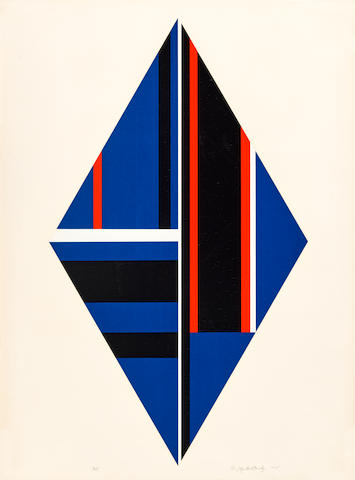
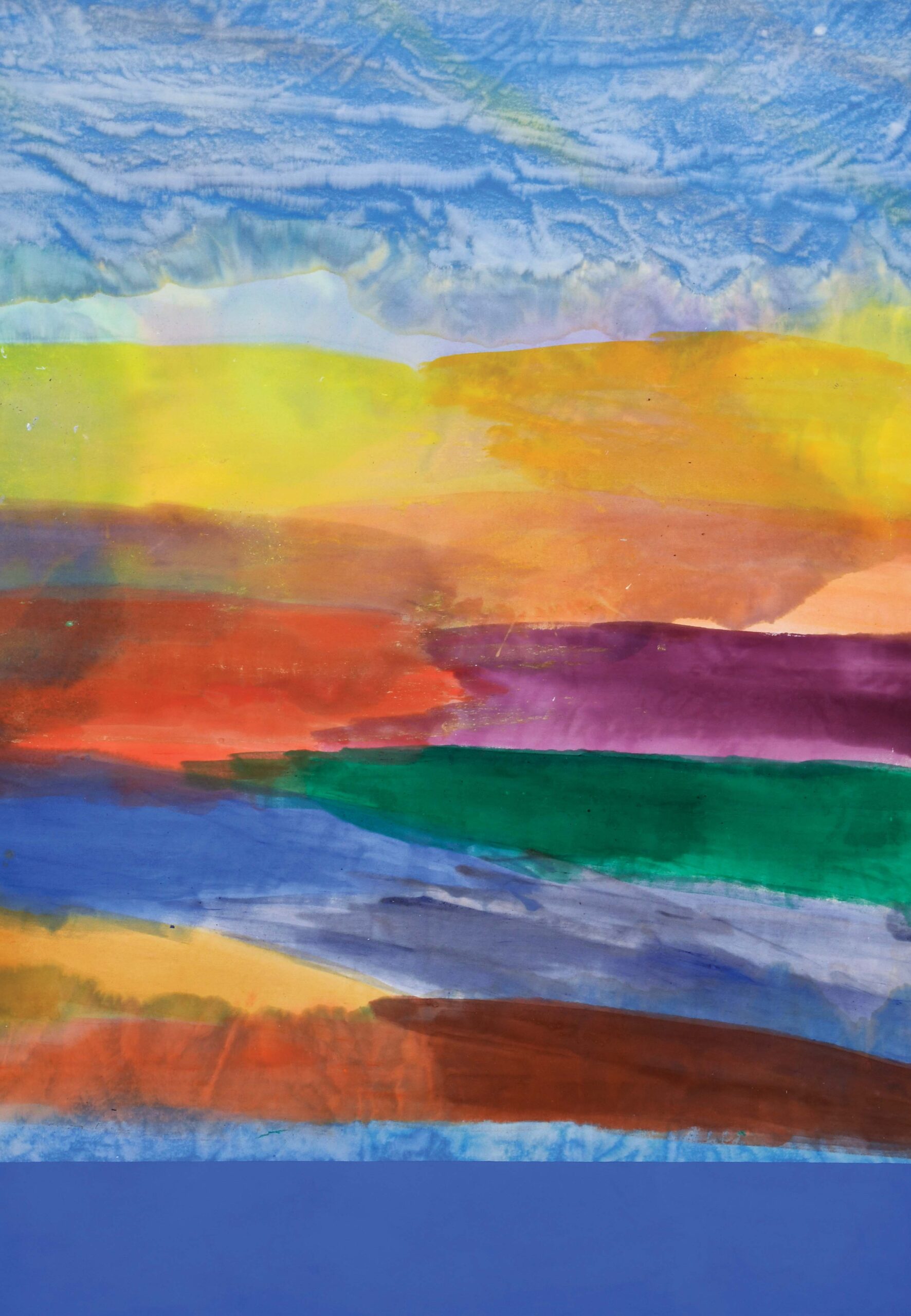
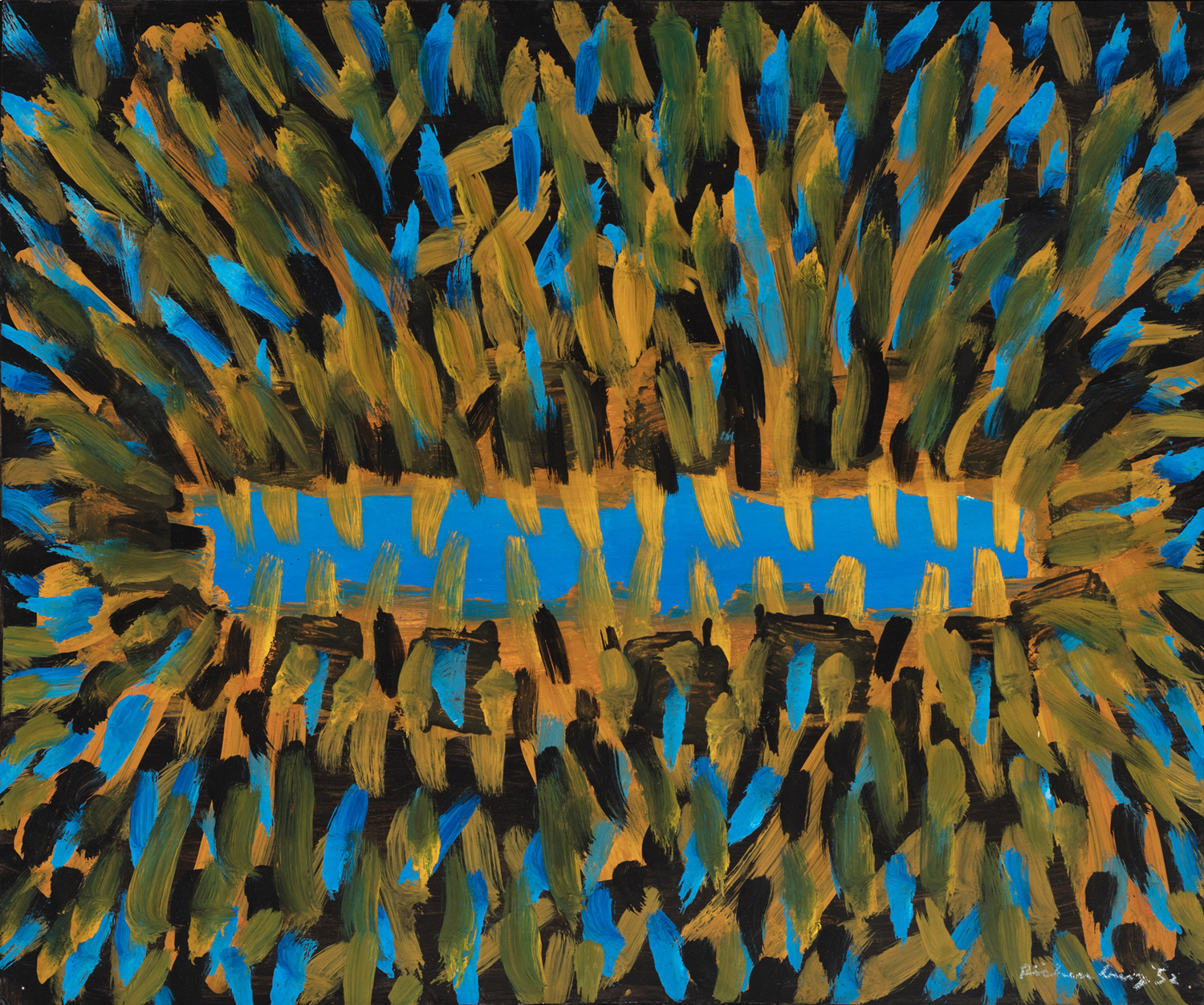
Findlay Galleries is pleased to present Something Blue, a comprehensive, gallery-wide exhibition using the color blue as a unifying theme. The historical application of blue in painting was limited due to its rarity and cost, with lapis lazuli being its primary source. By the beginning of the 19th century, synthetic and cheaper modes of production allowed blue to be widely applied. From Picasso’s Blue Period to Yves Klein’s signature blue, the color has had a profound effect on modern art movements.

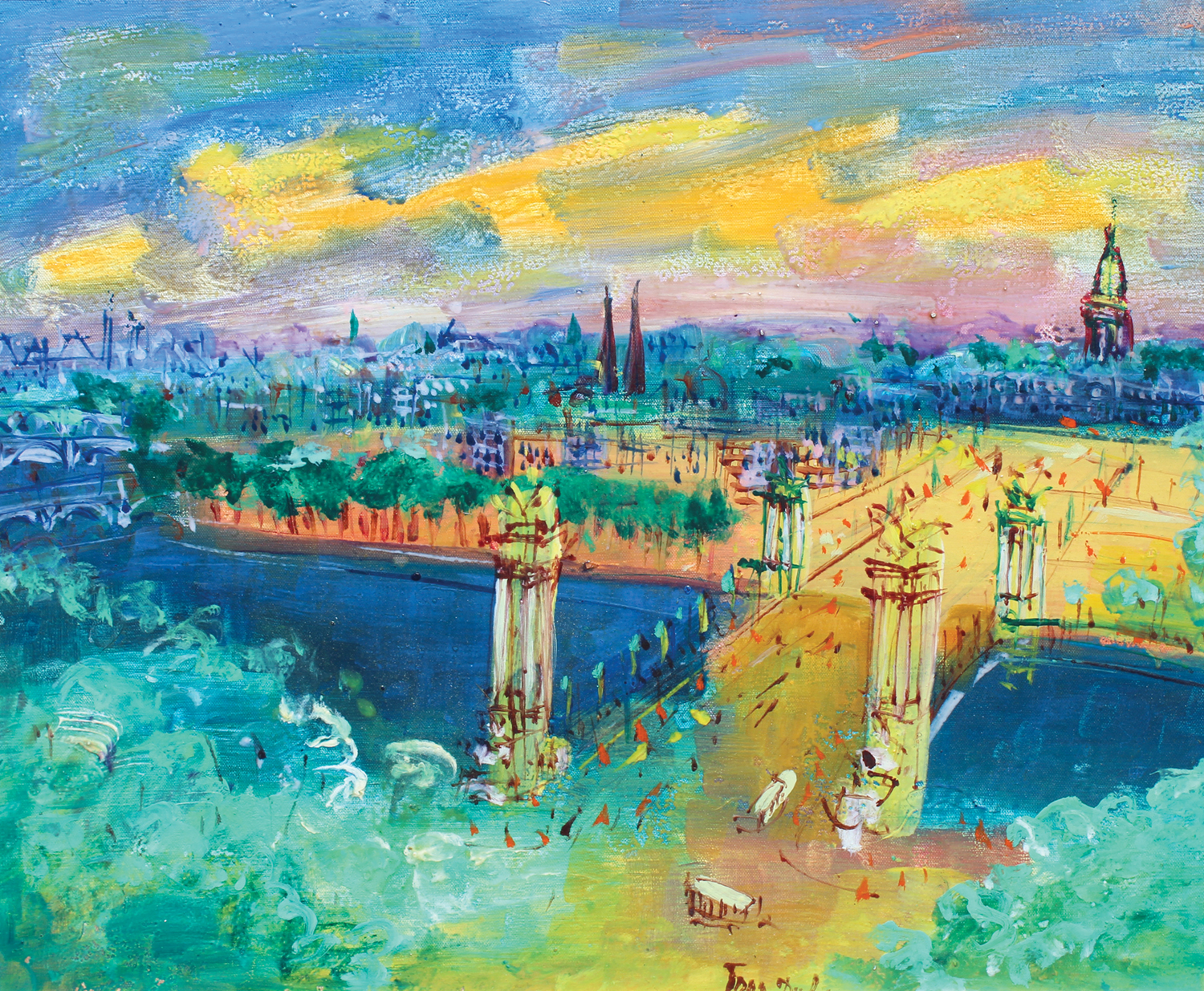
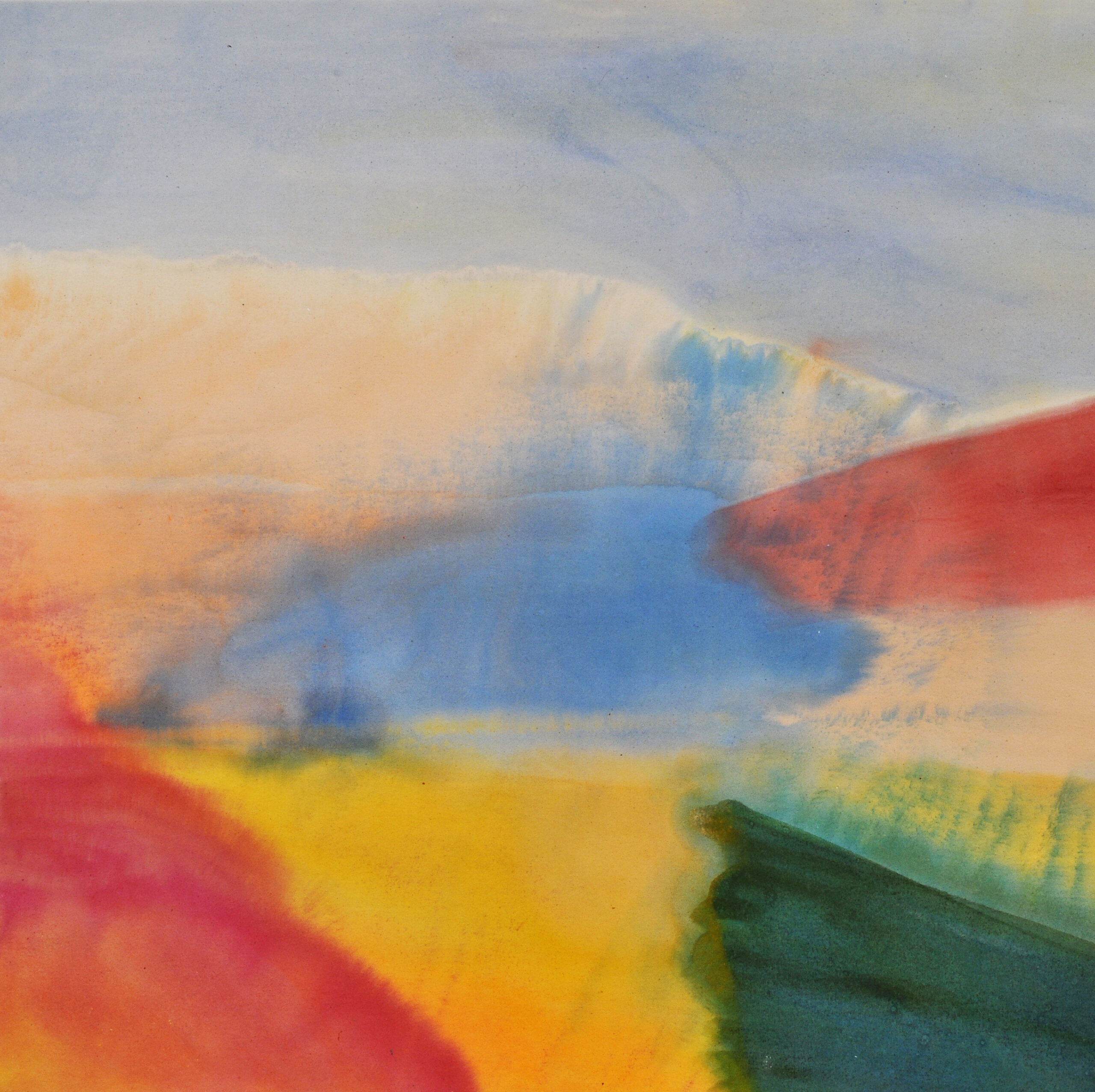
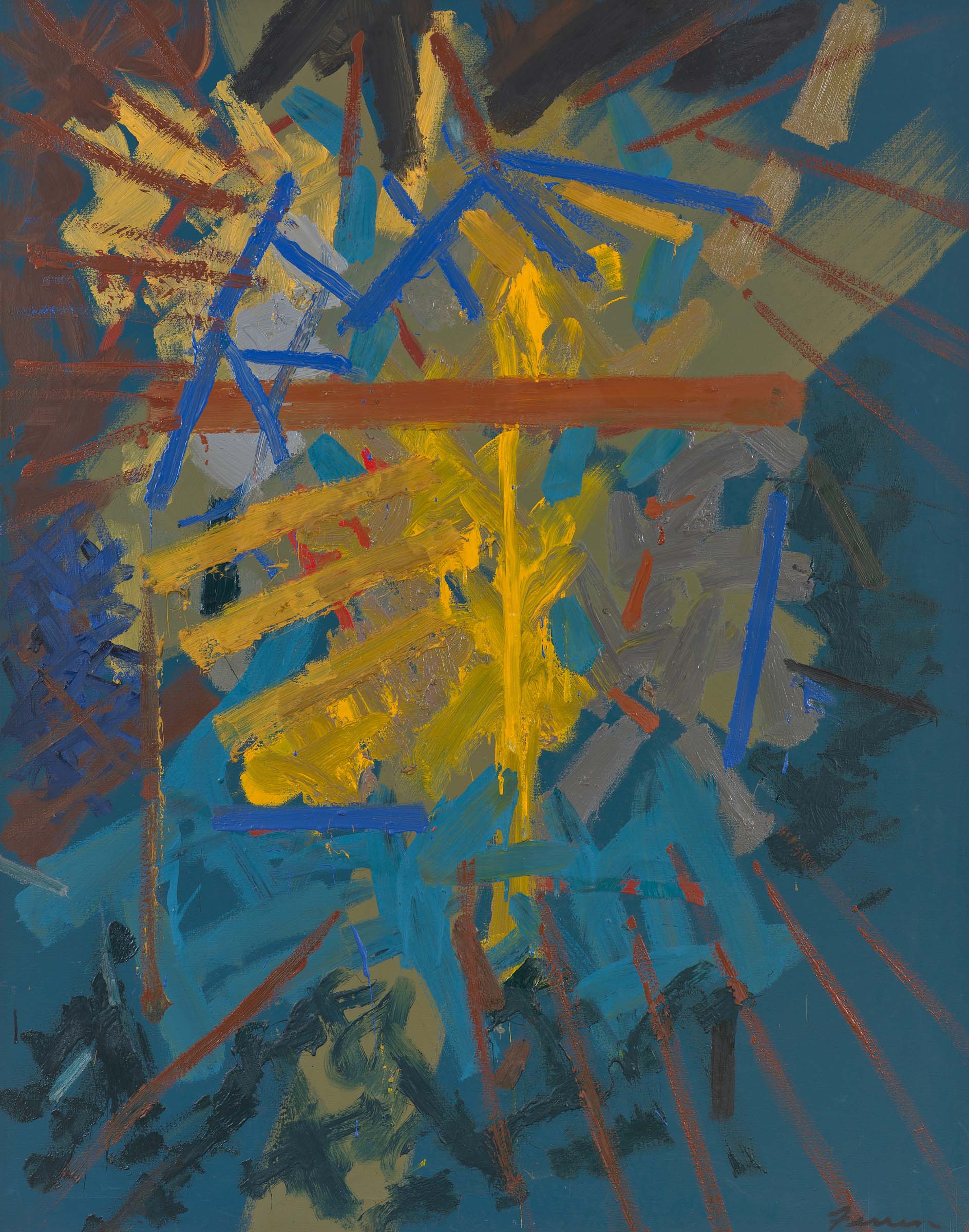
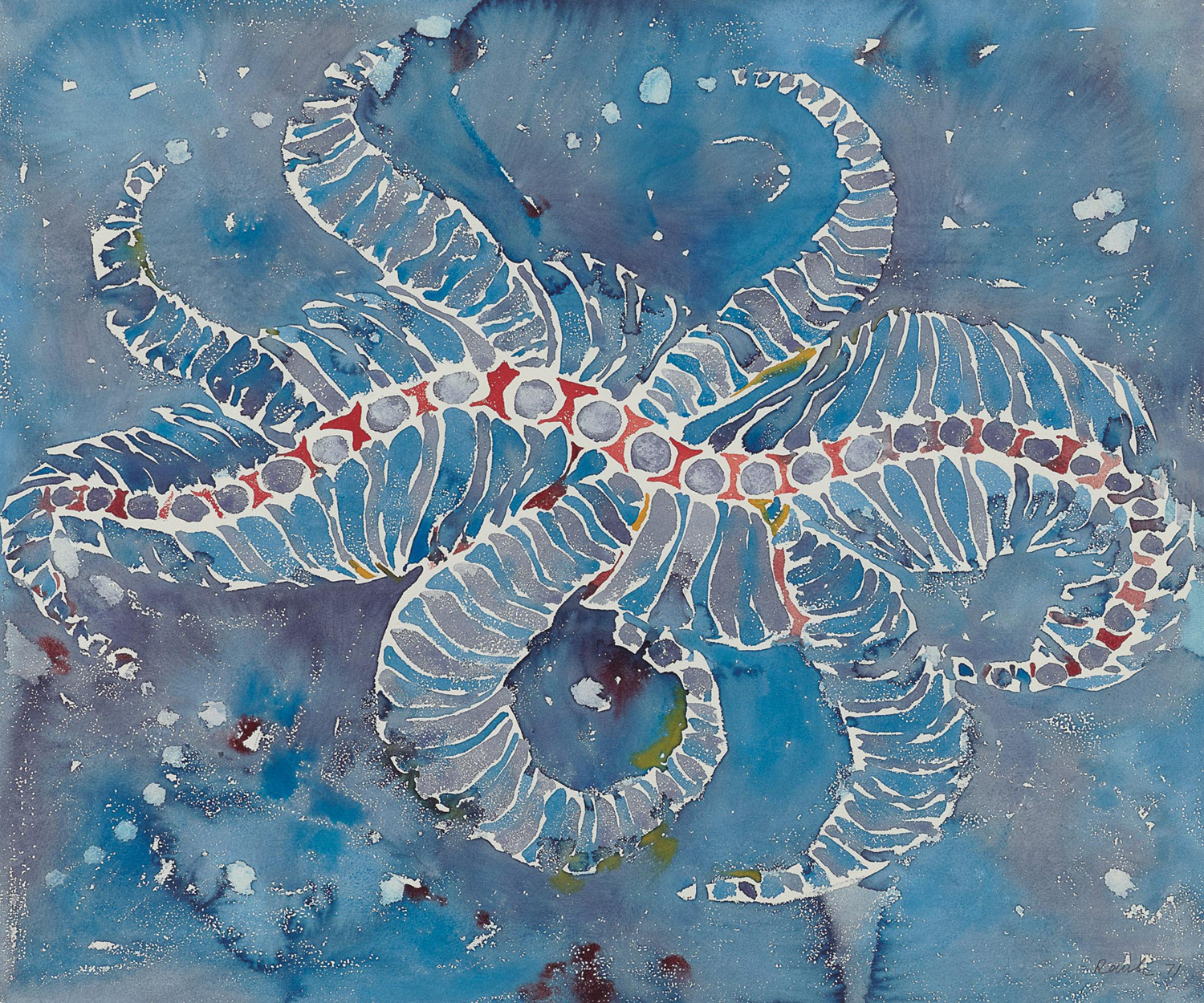
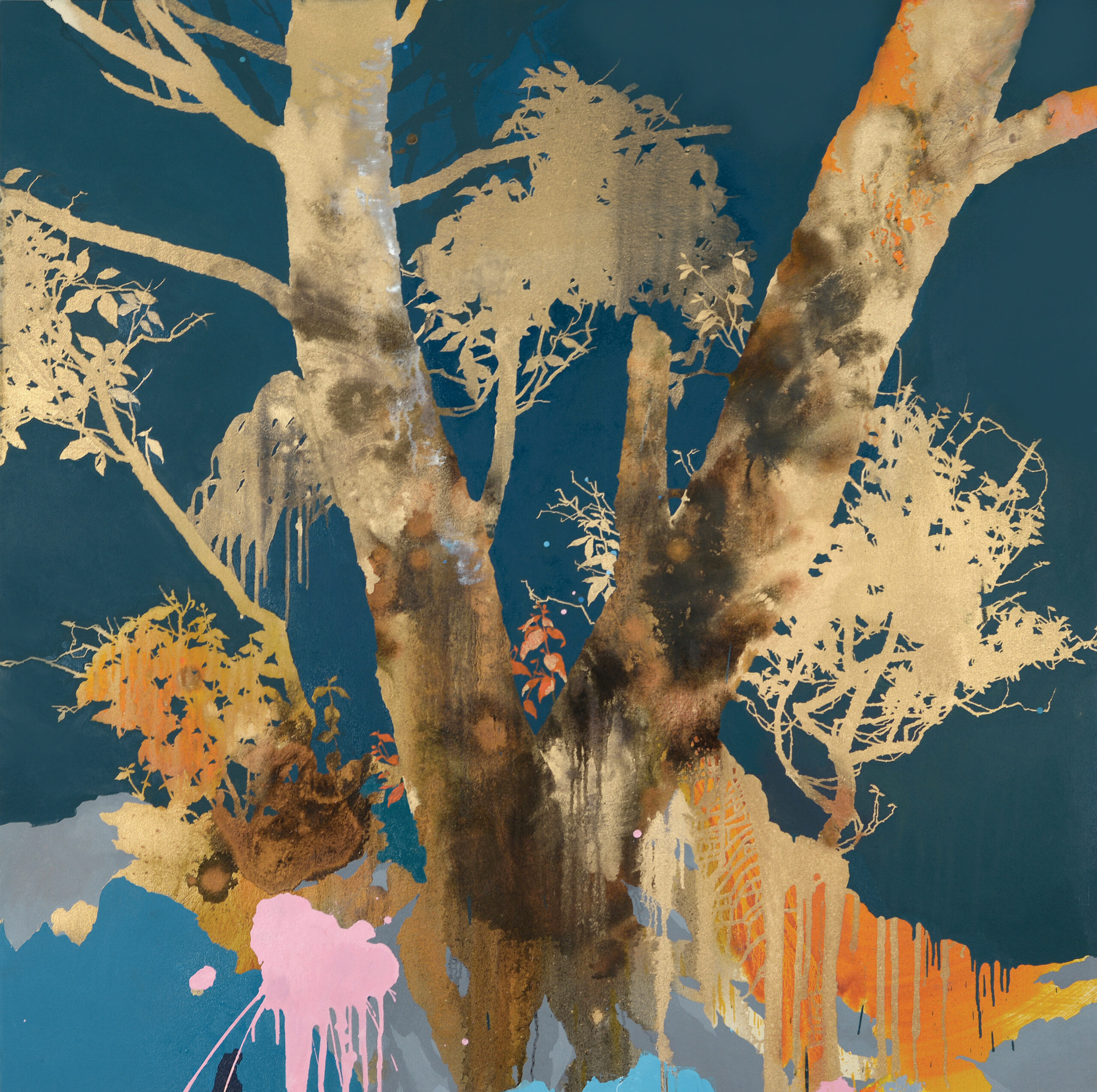
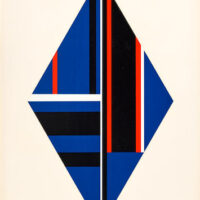
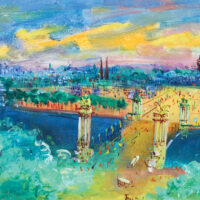
Something Blue includes a diverse range of artists who have applied the color through various mediums and styles.  As a ubiquitous color present in our skies and seas, blue is necessary for representational work, such as Jean Dufy’s Le Pont Alexandre III, which uses multiple hues of blue to depict the sky and the Seine while emitting a Fauve-inspired energy. Blue is used to a similar effect in Jean Jules Cavailles’ Les Petroliers a Lavera, which depicts oil tankers floating on a vast expanse of blue water on an idyllic Mediterranean day. In other examples, the hue is used abstractly, such as Ptolemy Mann’s Alqa (Between Orange and Blue), a painting that brims with undulating fields of blue, hitting an emotional note amongst an emotional medley of vibrant colors.  Its abstract application can also be found in Ronnie Landfield’s Freedom on High, where acrylic paint is diluted with water to create a complex, serene piece that channels landscapes and nature. Additional artists including Gordon Onslow Ford, Robert Natkin, Henrik Simonsen, John Ferren, Mary Sipp Green, and Ilya Bolotowsky who all offer their interpretations of the vast possibilities inherent in the color blue.  

Get in Touch

Contact your gallery to enquire about a work of art, for more information on the exhibition, or to schedule an appointment.
James Muldoon2025 Something Blue