

Featured Works
Selected works by Fritz Rauh.
Click any image to view larger.
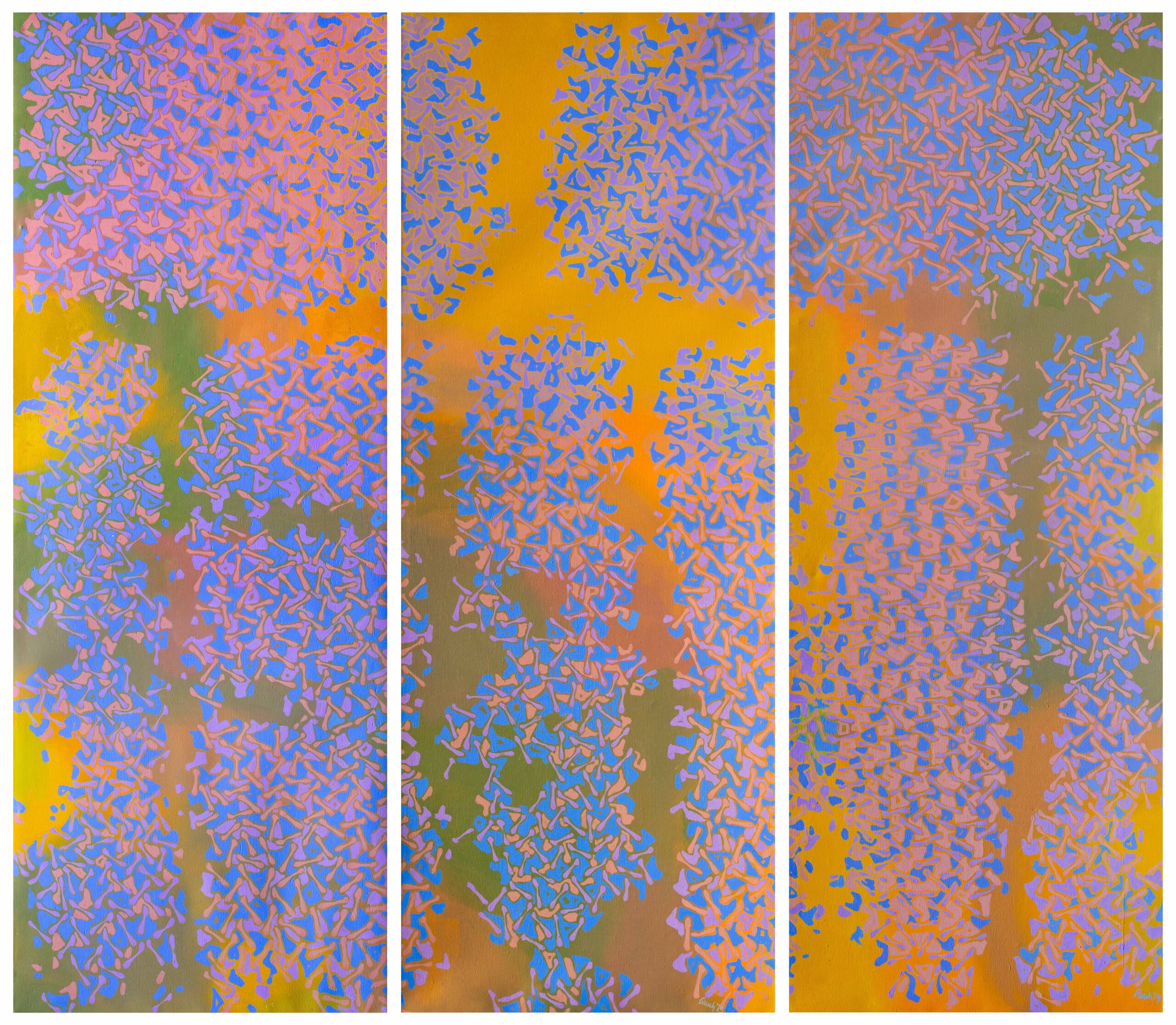
Triptych, 1975-002
acrylic on canvas
96 x 108 in. | FG© 140705
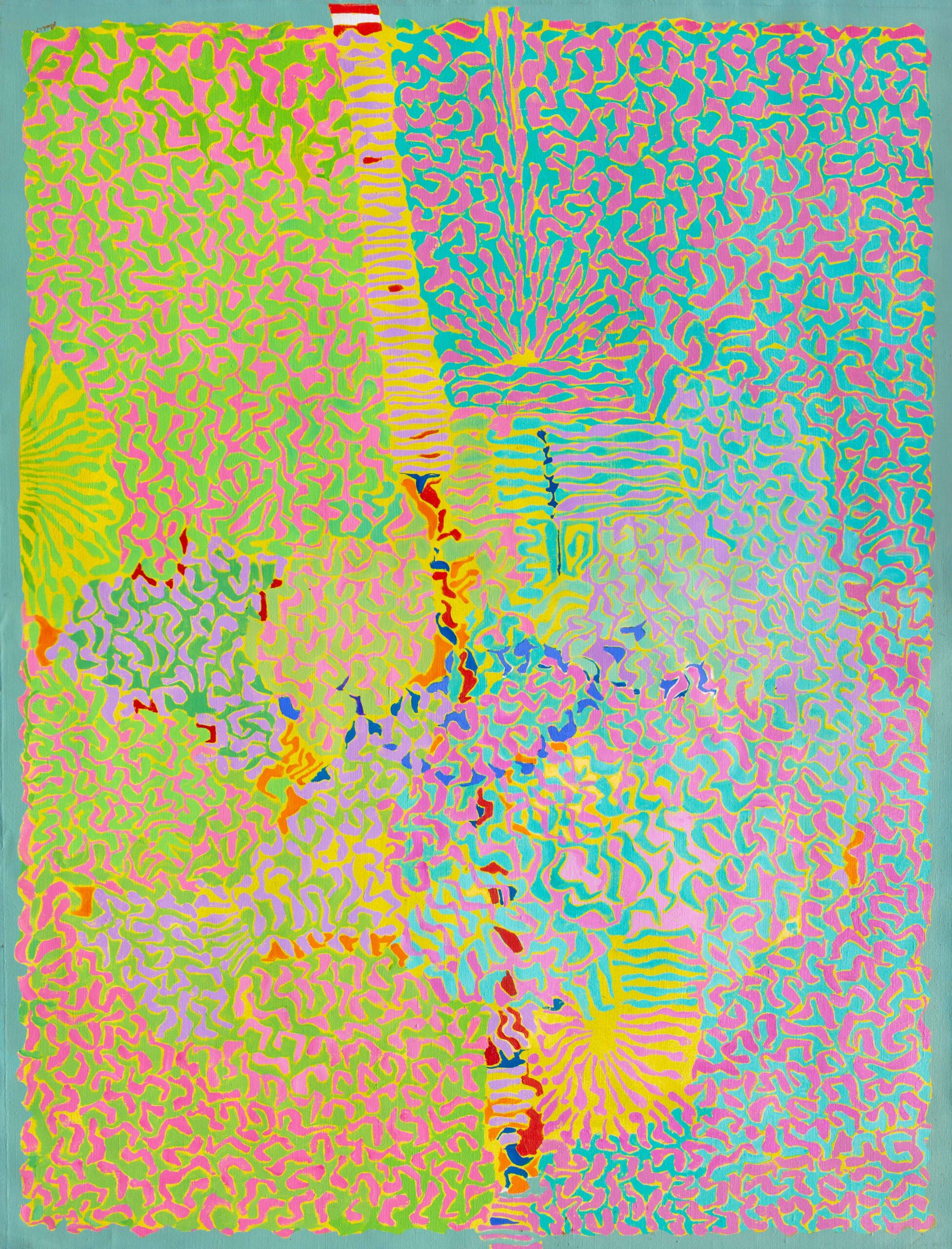
Untitled, 1967-006
acrylic on canvas
55 1/2 x 73 in. | FG© 140699
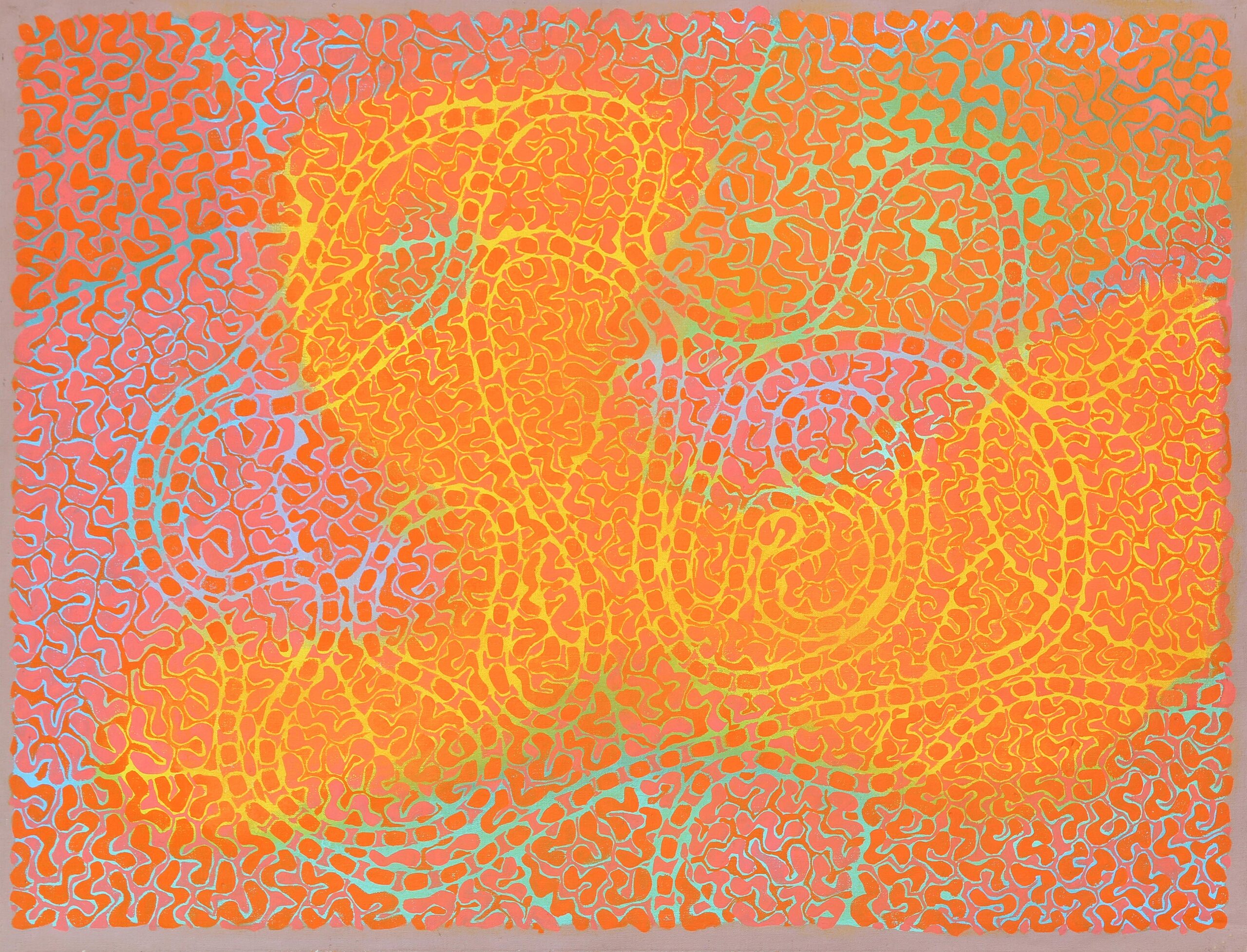
Untitled, 1970-012
acrylic on canvas
35 1/2 x 46 1/2 in. | FG© 140702
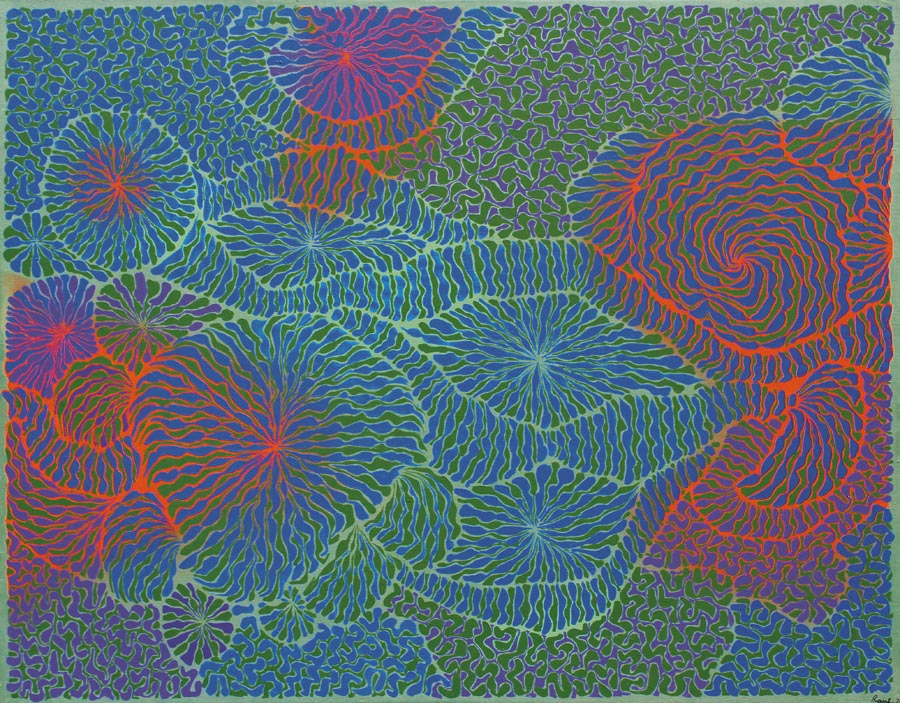
Untitled, 1971-04
acrylic on canvas
59 x 75 in. | FG© 138081
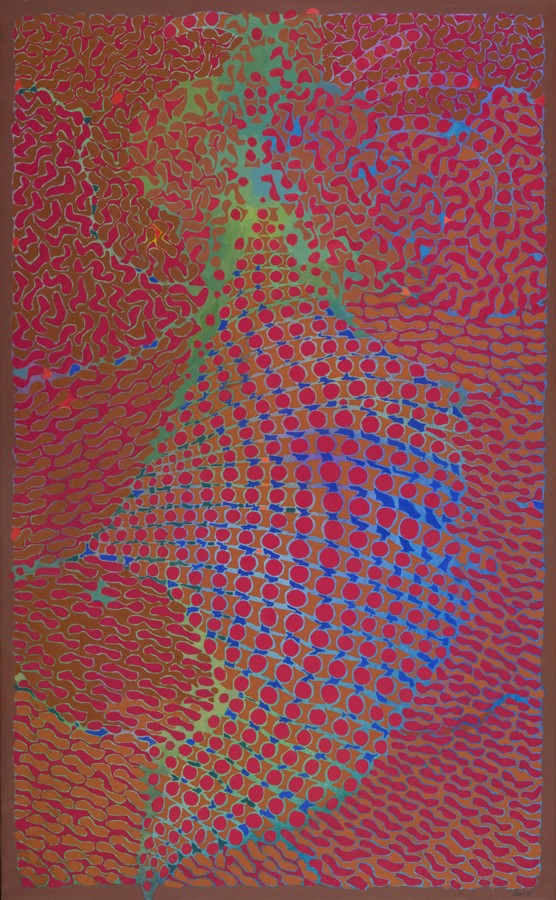
Untitled, 1972-02
acrylic on canvas
75 x 46 in. | FG© 138083
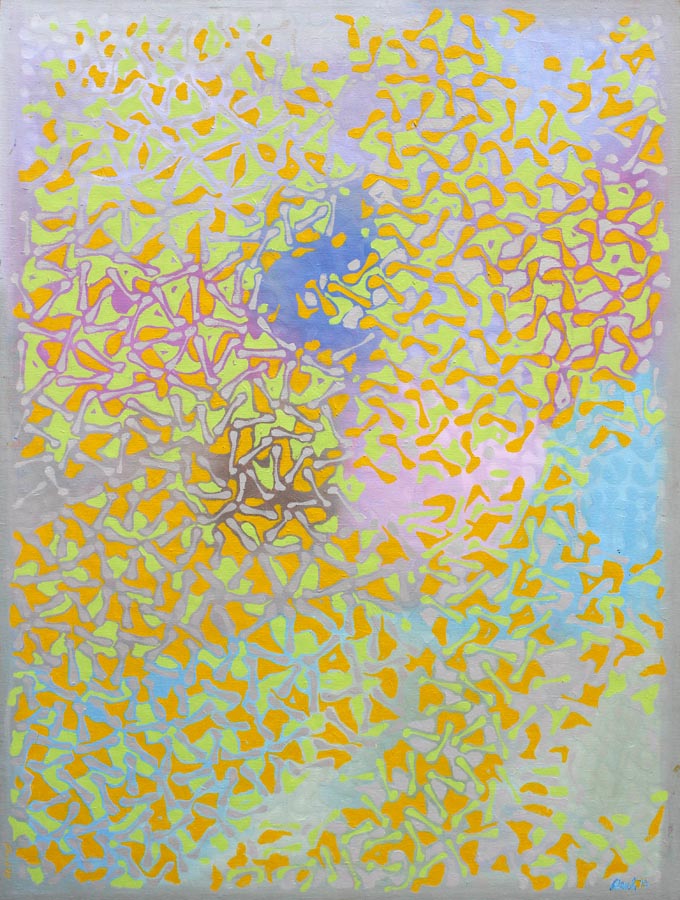
Untitled, 1974-02
acrylic on canvas
52 x 39 in. | FG© 138085
View Additional WorksExplore additional available works by Fritz Rauh.
Untitled (1970-008), 1970
acrylic on canvas41 7/8 x 20 in.FG© 138079
Untitled, 1967-004
oil on canvas73 1/2 x 55 3/4 in.FG© 140698
Untitled, 1976-005
acrylic on canvas55 1/4 x 55 1/2 in.FG© 138089
Untitled, 1978-03
acrylic on canvas25 x 19 in.FG© 138090
Untitled, 1983-008
oil on canvas41 7/8 x 52 in.FG© 140710
Untitled, 1985-001
oil on canvas60 x 50 in.FG© 140711
Untitled, 1990-013
oil on canvas42 x 52 in.FG© 140712
WC-0014
watercolor on paper19 1/2 x 27 in.FG© 138103
WC-0017
watercolor on paper21 x 25 in.FG© 138105
WC-0018
watercolor on paper22 1/2 x 30 in.FG© 138102
Winter Night, 1970
acrylic on canvas40 x 38 in.FG© 138077
Artist Biography
Fritz Rauh
1920–2011
Fritz Rauh (1920–2011) was a German-born American painter whose richly patterned abstractions established a distinctive presence within Northern California’s postwar artistic community. Bringing a refined understanding of color to an enduring fascination with nature, Rauh developed a personal language of interlocking organic forms, creating paintings of remarkable intricacy and quiet vitality.
Across his canvases, small, individually articulated shapes gather into expansive fields of color. Their shifting relationships suggest the abundance of a garden, the density of a forest, or the intricate structures of microscopic life. These associations remain open, allowing the paintings to unfold as independent worlds in which careful order and intuitive expression coexist.
Read full biography
Early Life and Formation
Born in Wuppertal, Germany, in 1920, Rauh demonstrated an early commitment to painting and began his formal studies at the Braunschweig Art School in 1938. He subsequently resumed his training in Braunschweig, where he met his future wife, Alexandra “Alix” Gmelin-Wilke. In 1954, Rauh moved to the United States, joining Alix in Northern California and beginning the chapter of his career that would define his mature work.
The San Francisco Bay Area offered a receptive setting for his individual approach to abstraction. His work soon attracted attention, and a solo exhibition at the de Young Museum in 1956 introduced his paintings to a wider audience. A further solo presentation followed at the San Francisco Museum of Art, now SFMOMA, in 1967.
Northern California and Artistic Exchange
Rauh became part of a lively community of artists in Marin County whose work explored the relationships between nature, imagination, and the inner world. His friendships included the British-born Surrealist Gordon Onslow Ford and the sculptor JB Blunk, whom he met through Onslow Ford. These exchanges placed him within a distinctive cultural landscape that encouraged experimentation while allowing each artist to pursue an independent vision.
Rauh maintained that independence throughout his career. His paintings share the freedom of postwar abstraction, yet their measured spacing and concentrated detail reveal a patient, deliberate sensibility. The resulting compositions balance visual abundance with an underlying sense of structure.
Color and Musical Structure
Throughout his career, Rauh drew inspiration from Johann Wolfgang von Goethe’s theories of color and the music of Johann Sebastian Bach. These interests provide a revealing context for paintings in which individual elements acquire meaning through their relationships to the whole. Repeated forms establish a visual rhythm, while changes in hue and contrast continually alter the character of the surface.
Color serves as both structure and expression. Closely related tones create passages of subtle continuity; unexpected contrasts introduce a brighter intensity. Within these carefully sustained relationships, the eye moves between individual marks and the larger composition, discovering new connections with prolonged looking.
Nature and Visual Language
Rauh’s mature paintings are distinguished by densely arranged, amoeba-like forms set against contrasting or harmonizing grounds. Foreground and background appear to exchange roles, giving the surface an unusual sense of depth and animation. Working in acrylic, he developed a rich range of color that could suggest natural growth without describing a particular place.
His art evokes nature through its processes of repetition, variation, and interdependence. Small shapes retain their individual character while contributing to an encompassing order. The paintings reward close attention to their precise construction, then invite the viewer to step back and experience the breadth and luminosity of the whole.
Exhibitions and Recognition
Following his early museum exhibitions, Rauh presented his work at galleries throughout Northern California, including David Cole Gallery, William Sawyer Gallery, and Rose Rabow Gallery. His exhibition history extended internationally to Expo ’70 in Osaka, Japan, and the 1978 exhibition Creation at Galerie Schreiner in Basel, Switzerland.
Later presentations continued to explore the breadth of his practice. In 2009, Symphony of Colors at the Institute of Noetic Sciences in Petaluma brought renewed attention to his paintings. His work was subsequently included in Ship of Dreams: Artists, Poets and Visionaries of the S.S. Vallejo at the Sonoma Valley Museum of Art in 2018, placing his contribution within the wider history of the Bay Area’s artistic community.
In 2025, Blunk Space in Point Reyes Station presented Rio Kobayashi & Fritz Rauh, pairing Rauh’s historic paintings and works on paper with contemporary furniture by Kobayashi. The exhibition offered a fresh perspective on his sensitivity to organic form and the enduring relevance of his approach to color and composition.
Legacy and Collections
Rauh continued to live and work in Marin County, making his home in San Anselmo. He died in 2011, leaving an extensive body of paintings and works on paper. His work is held in public collections including the San Francisco Museum of Modern Art and The Huntington Library, Art Museum, and Botanical Gardens.
Findlay Galleries has exclusively represented the Estate of Fritz Rauh since 2017, presenting his work in New York and Palm Beach. Through these exhibitions, the gallery continues to introduce collectors to an artist whose disciplined yet intuitive abstractions offer a deeply personal expression of nature’s complexity.
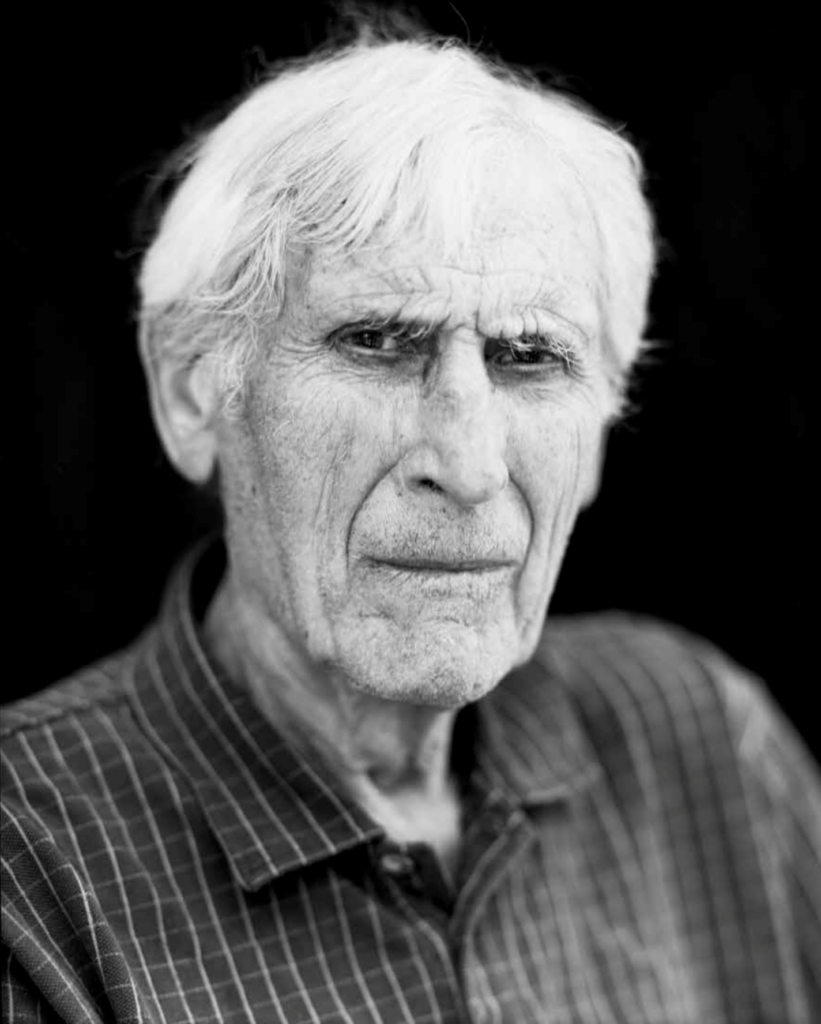
“Whatever their method, the effect of these works is magnificent.”
— Alfred Frankenstein, San Francisco Chronicle
Exhibitions
Selected Exhibitions
A selected overview of museum and solo exhibitions, international presentations, and recent exhibitions of works from the artist’s estate.
FOG Design+Art
Group presentation by Blunk Space, San Francisco, CA.
Fritz Rauh: American Abstract Expressionist
Findlay Galleries, New York, NY.
Fritz Rauh: Solo Exhibition
San Francisco Museum of Art, now SFMOMA, San Francisco, CA.
Fritz Rauh: Solo Exhibition
M. H. de Young Memorial Museum, San Francisco, CA.
View full exhibition archive
- 2026 FOG Design+Art, group presentation by Blunk Space, San Francisco, CA.
- 2025 Rio Kobayashi & Fritz Rauh, Blunk Space, Point Reyes Station, CA.
- 2023 Fritz Rauh: American Abstract Expressionist, Findlay Galleries, New York, NY.
- 2022 Fritz Rauh: American Abstract Expressionist, Findlay Galleries, Palm Beach, FL.
- 2018 Ship of Dreams: Artists, Poets and Visionaries of the S.S. Vallejo, Sonoma Valley Museum of Art, Sonoma, CA.
- 2017 Fritz Rauh + Jack Wright: Points of View, Findlay Galleries, New York, NY, and Palm Beach, FL.
- 2009 Symphony of Colors, Institute of Noetic Sciences, Petaluma, CA.
- 1978 Creation, Galerie Schreiner, Basel, Switzerland.
- 1970 Expo ’70, Osaka, Japan.
- 1967 Solo exhibition, San Francisco Museum of Art, now SFMOMA, San Francisco, CA.
- 1956 Solo exhibition, M. H. de Young Memorial Museum, San Francisco, CA.
Inquiries
Contact the Gallery
New York
32 East 57th Street, 2nd FloorNew York, NY 10022
(212) 421-5390