

Featured Works
Selected works by Nicola Simbari.
Click any image to view larger.
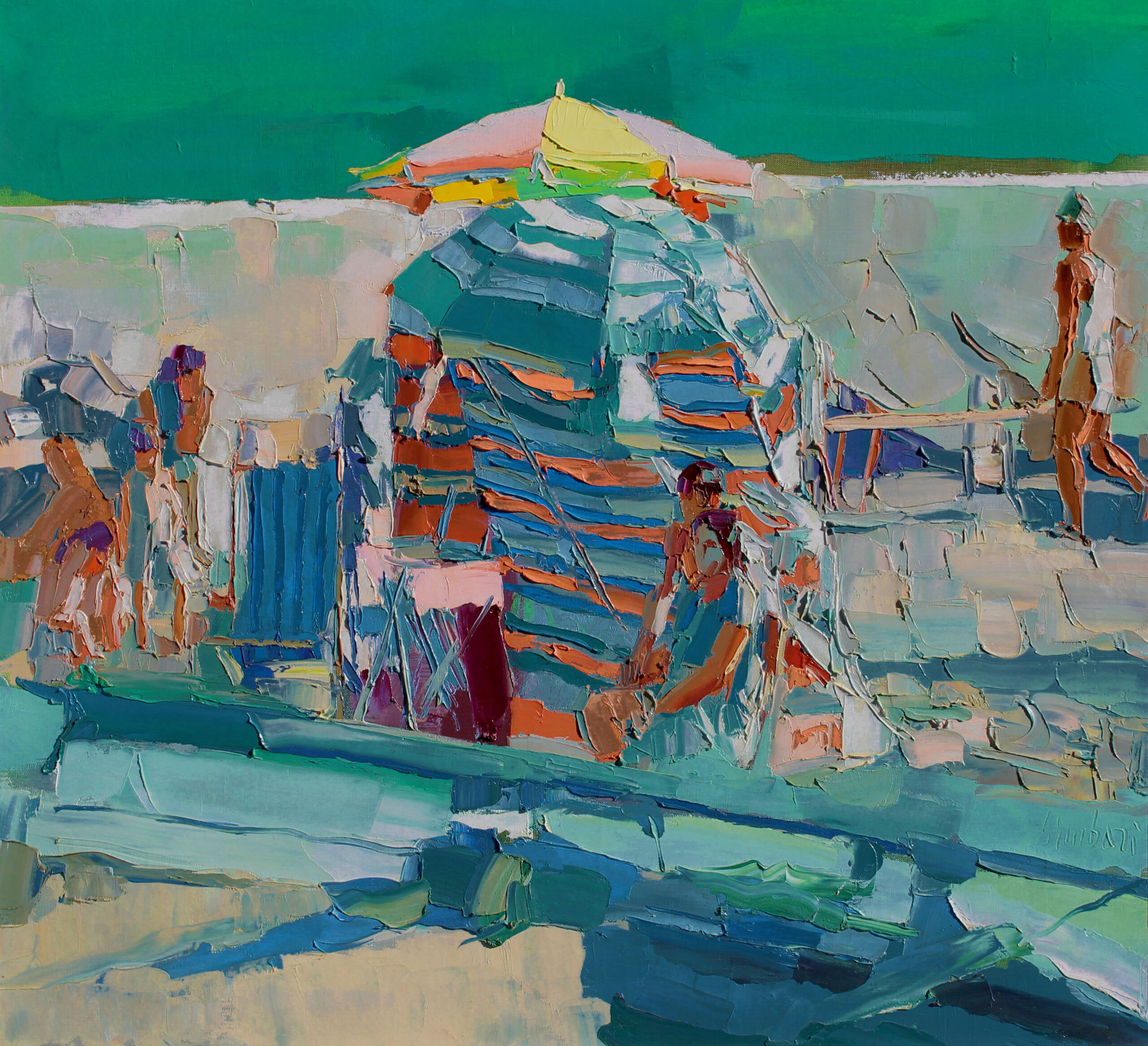
Beach at Mergellina, 1971
oil on canvas
39 5/8 x 43 1/2 in. | FG© 141704
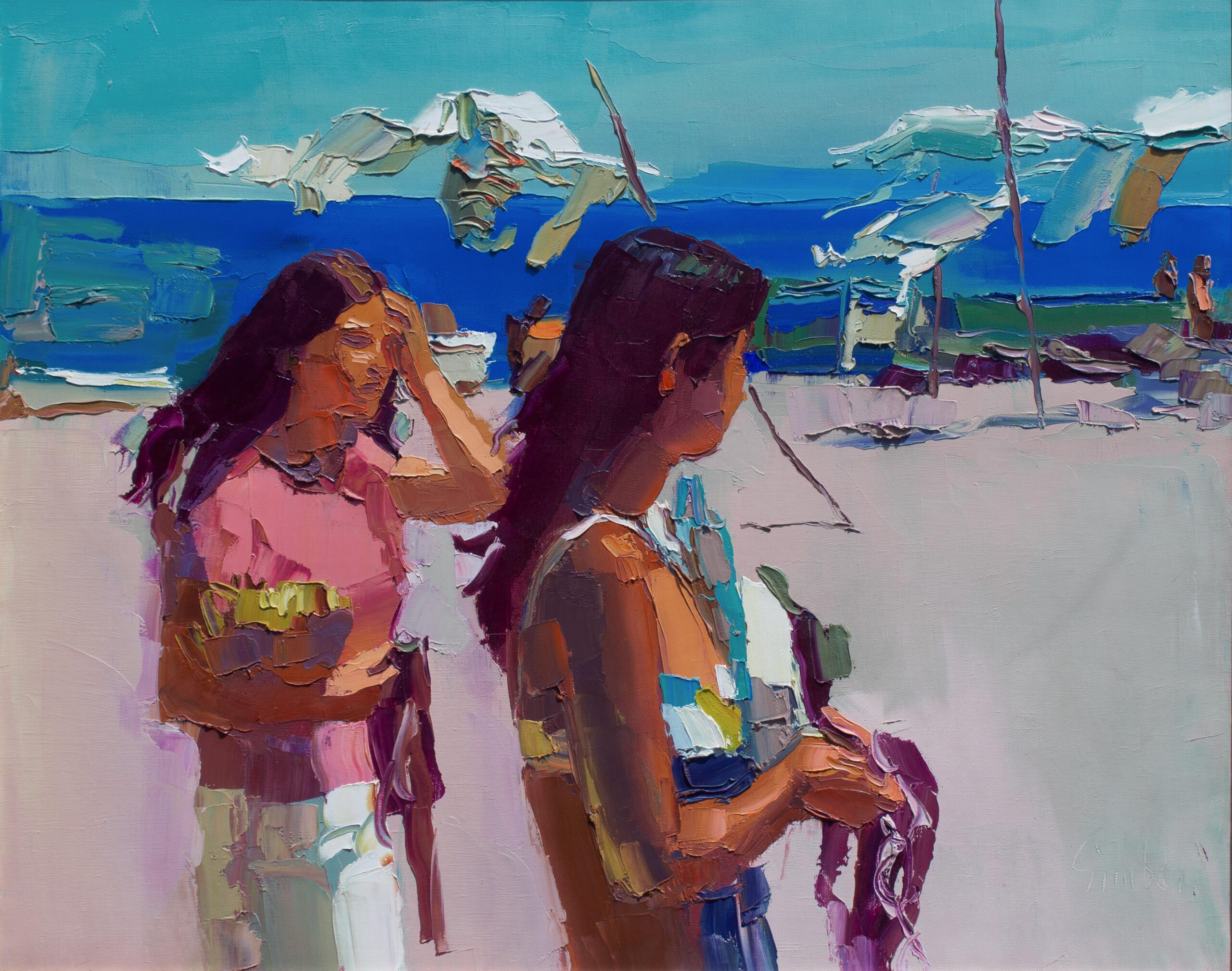
Girls on the beach, 1971
oil on canvas
31 3/4 x 39 5/8 in. | FG© 140867
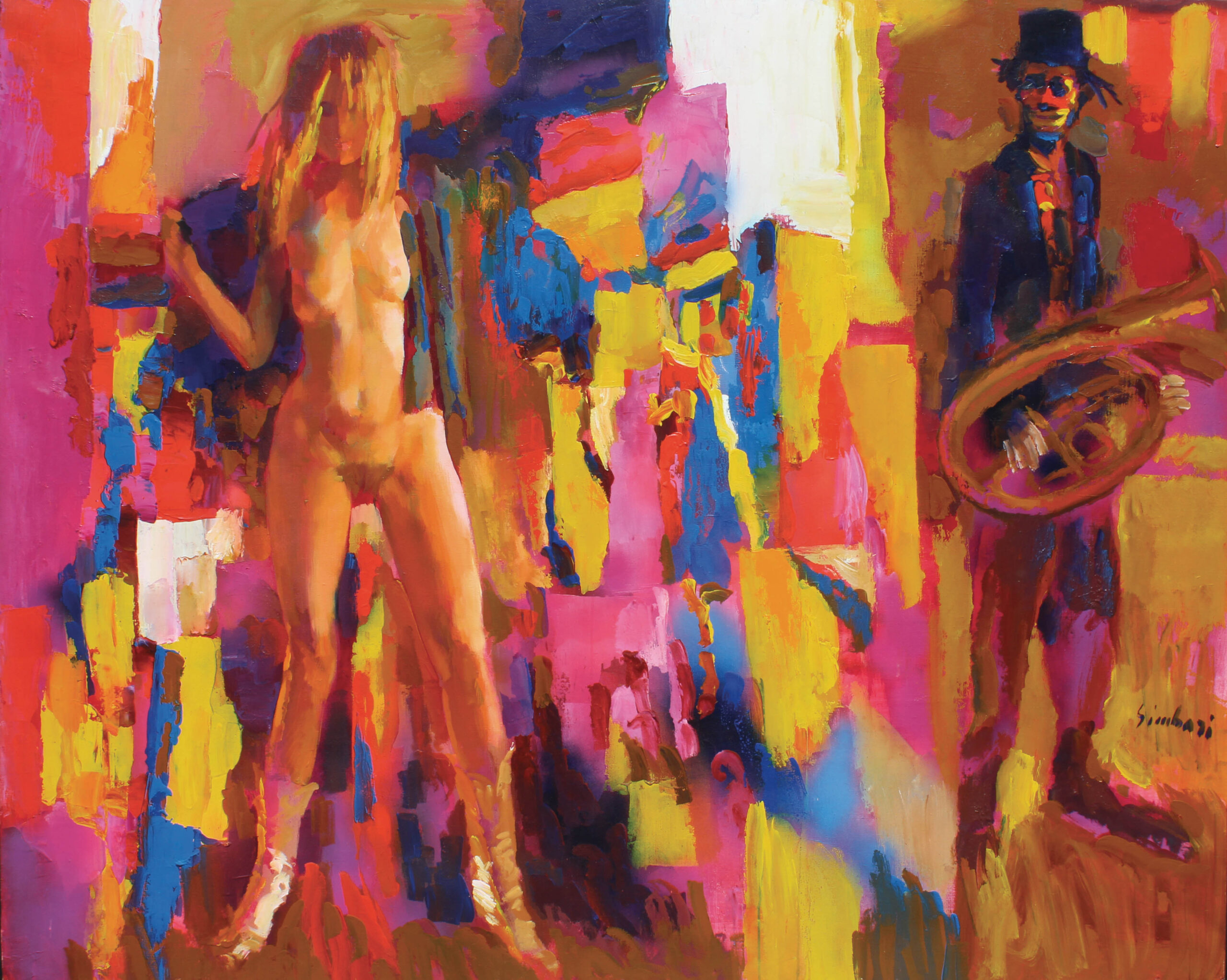
La jeune fille et le clown, 1977
acrylic on canvas
63 x 78 in. | FG© 135922
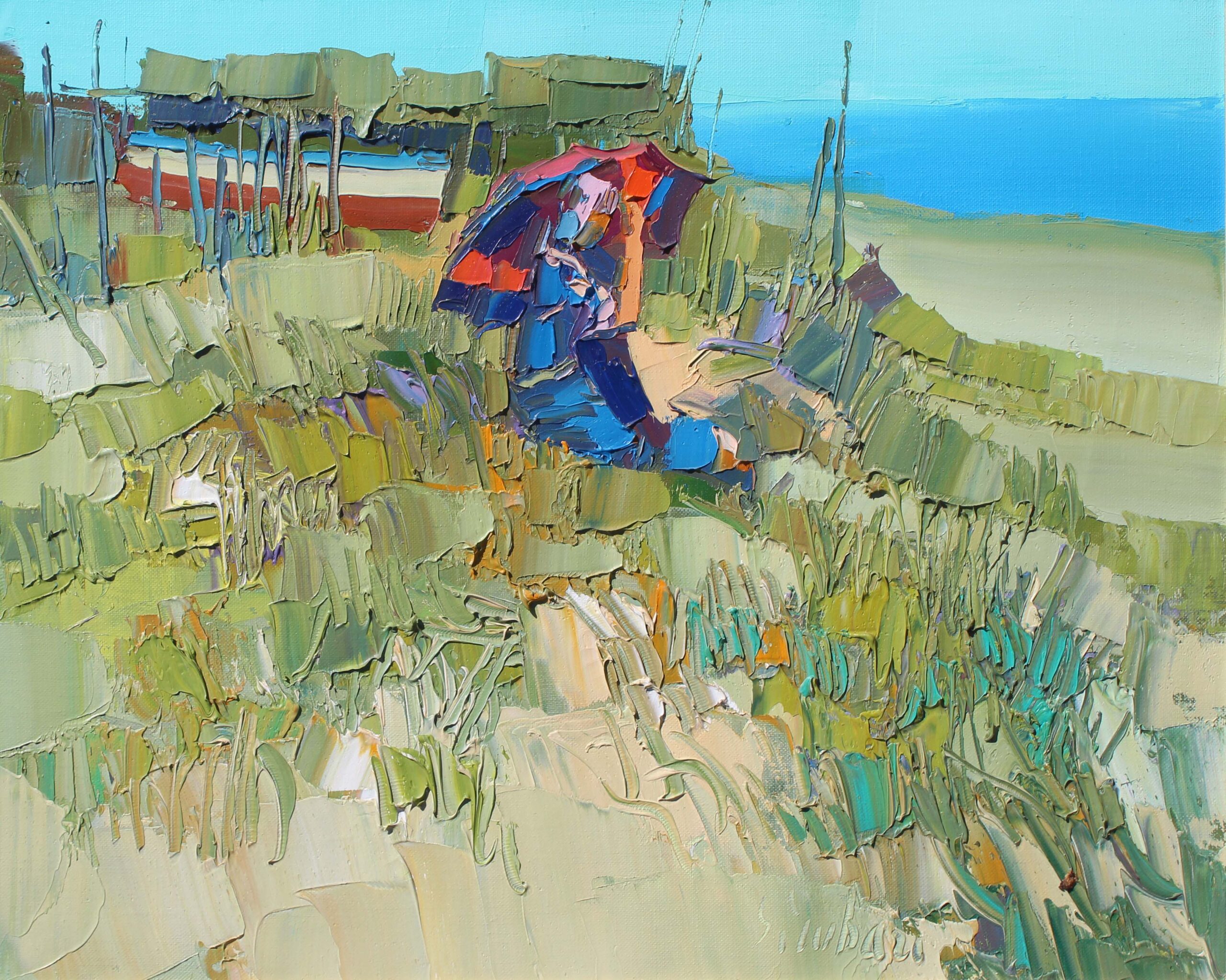
Les Parasols
oil on canvas
19 x 23 in. | FG© 142297
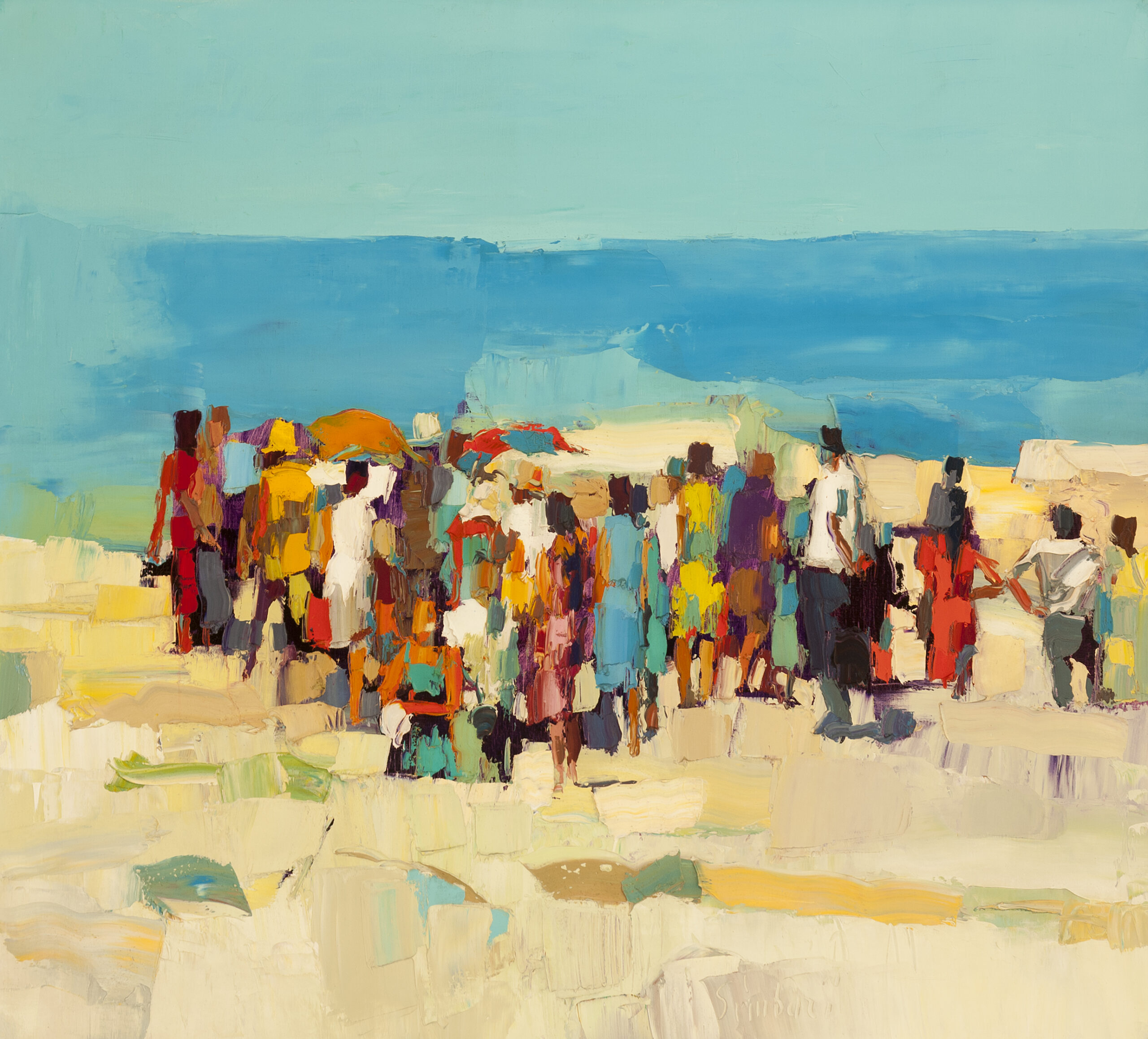
Ostia Beach, 1975
oil on canvas
35 3/8 x 39 5/16 in. | FG© 135795
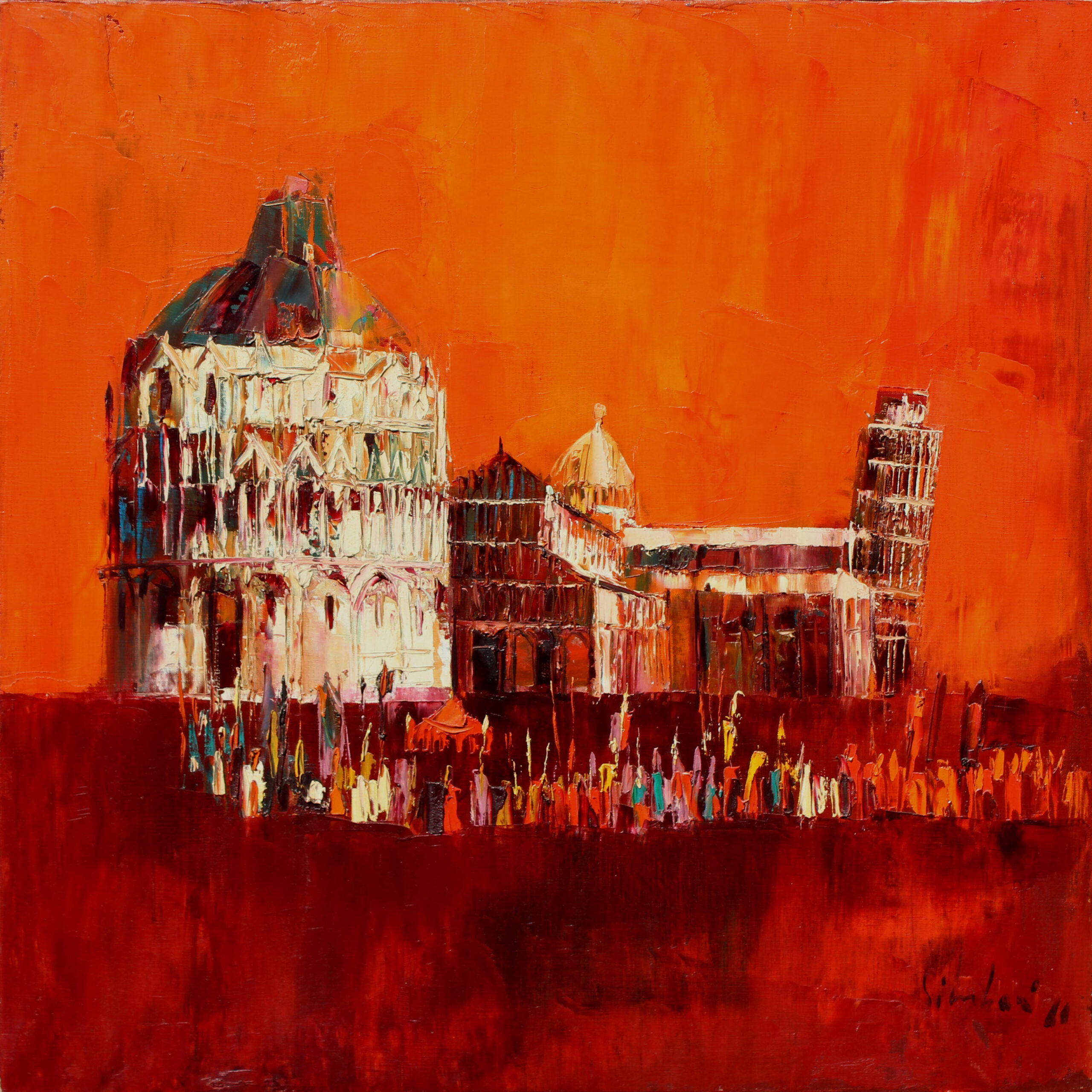
Pisa, Processional, 1961
oil on canvas
23 3/4 x 23 3/4 in. | FG© 141748
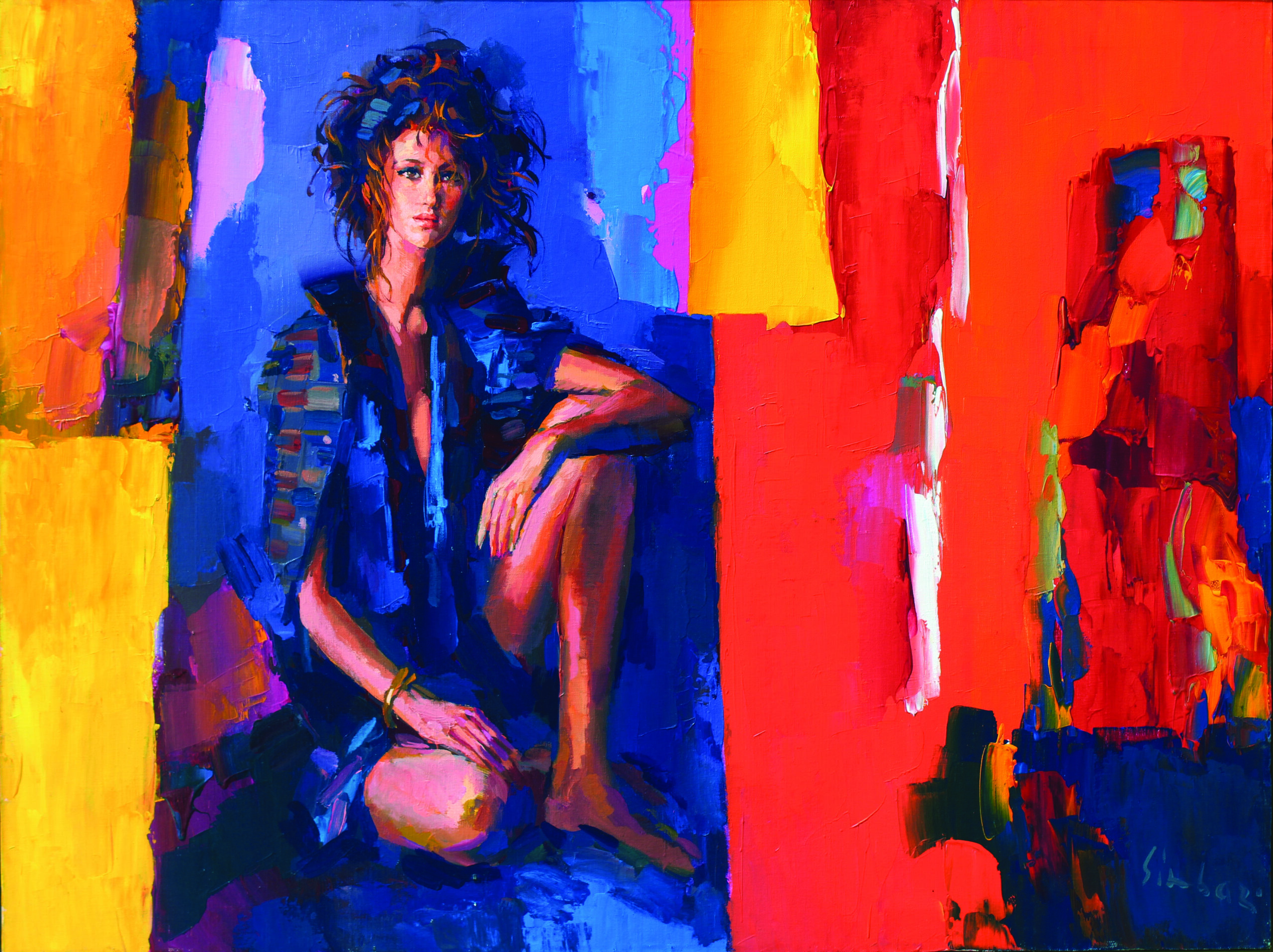
Racquel, 1971
oil on canvas
47 1/4 x 63 in. | FG© 140551
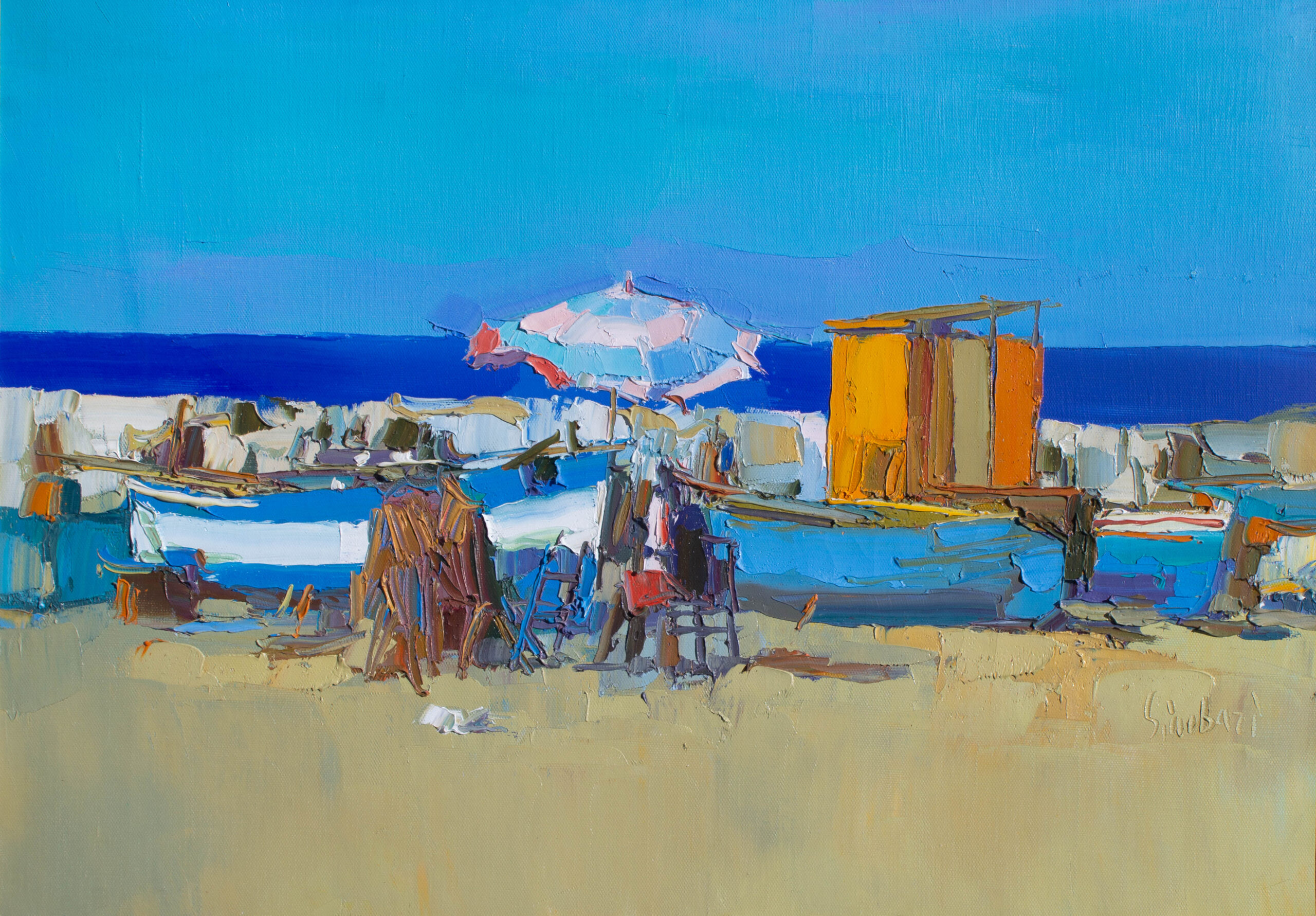
Spiaggia azzurra, 1970
oil on canvas
28 3/4 x 39 7/8 in. | FG© 140752
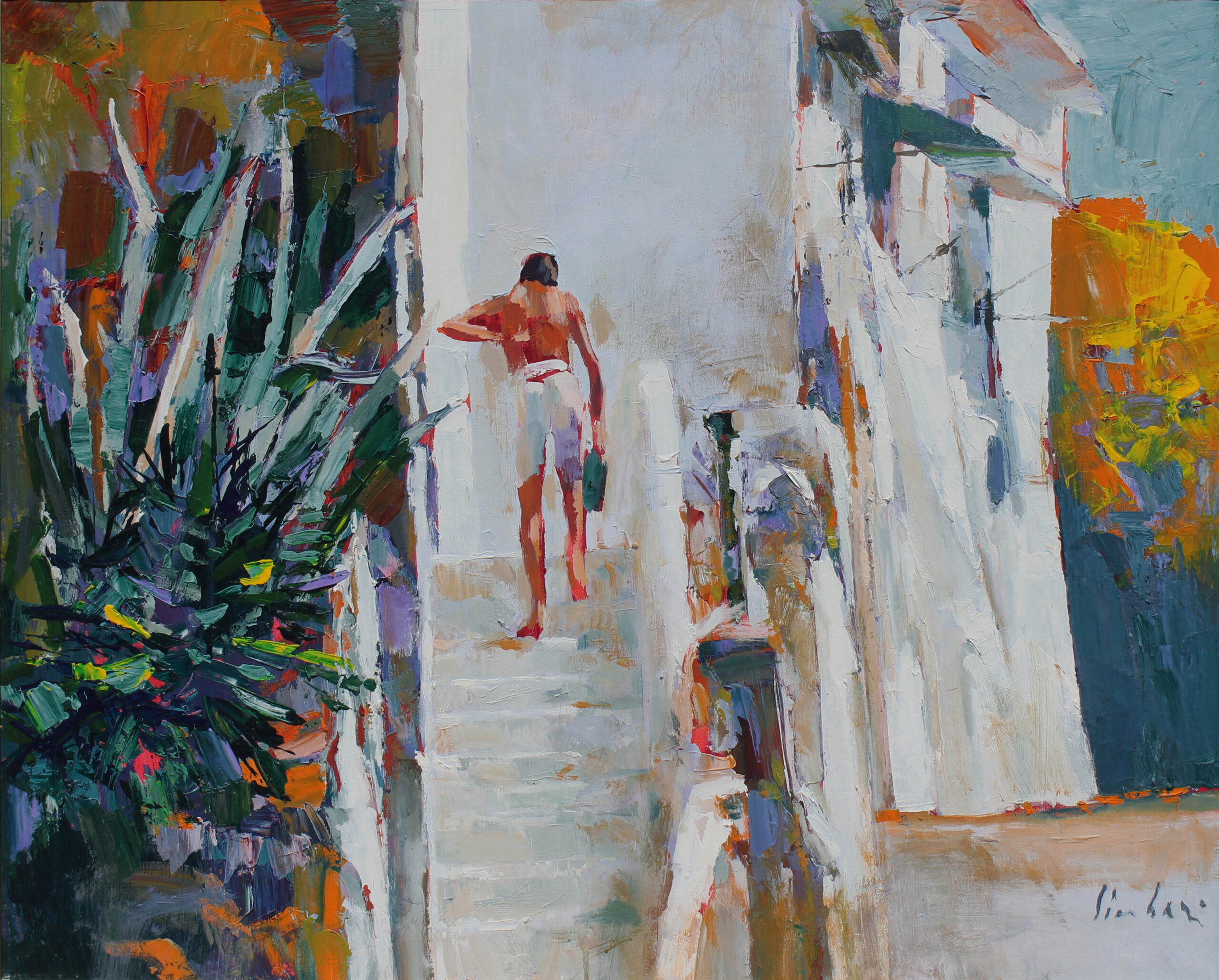
Staircase in Procida, 1978
oil on canvas
43 x 51 in. | FG© 141628

Zingara, 1968
oil on canvas
35 1/2 x 39 1/2 in. | FG© 137412
View Additional WorksExplore additional available works by Nicola Simbari.
23 5/8 x 35 3/8 in.
oil on canvas23 5/8 x 35 3/8 in.FG© 139630
Annette, 1992
acrylic on paper47 x 43 in.FG© 112985
Bois de Boulogne, 1973
oil on board80 x 72 in.FG© 135147
Donna con un cesto, 1967
oil on canvas24 x 19 1/2 in. 12FFG© 141161
Girl with Flowers, 1976
oil on canvas35 x 39 in.FG© 141192
Il mercato de pesce, 1978
oil on canvas35 3/8 x 35 3/8 in.FG© 141665
Qui est qui, 1976
oil on canvas40 x 40 in.FG© 140125
Ragazza sdraiata, 1969
acrylic on canvas31 3/4 x 39 1/2 in.FG© 139733
Rosa, 1993
acrylic on canvas43 1/2 x 39 1/4 in.FG© 113940
Sorrento, 1979
acrylic on canvas23 1/2 x 31 1/2 in.FG© 138329
Spiaggia azzurra, 1970
oil on canvas39 x 42 3/4 in.FG© 140904
Station de Metro, 1972
oil on canvas44 7/8 x 57 1/2 in.FG© 140076
Terrace in Trastevere, 1965
oil on canvas39 9/16 x 47 1/4 in.FG© 133940
Una giornata in spiaggia, 1970
oil on canvas18 1/4 x 24 in.FG© 135770
Artist Biography
Nicola Simbari
(1927–2012)
Nicola Simbari (1927–2012) was an Italian painter, printmaker, and sculptor whose luminous images of Mediterranean life brought together figurative observation, architectural structure, and the expressive freedoms of postwar abstraction. Working chiefly with palette knives, he built richly textured surfaces animated by vivid color and vigorous movement. Beaches, harbors, gardens, cafés, city streets, and the human figure became scenes charged with heat, light, and rhythm. Simbari called this unmistakable visual language “Simbaresco.”
Born in San Lucido, Calabria, and raised in Rome, Simbari studied painting and architecture at the Accademia di Belle Arti di Roma. His career advanced rapidly through a first solo exhibition in Rome in 1953, a London debut in 1957, and a commission for murals in the Italian Pavilion at Expo 58 in Brussels. Beginning with his first Palm Beach exhibition in 1960, Wally Findlay Galleries played a central role in introducing his work to American audiences and presented his paintings internationally for more than six decades.
Read full biography
Calabria and Rome
Nicola Simbari was born in 1927 in San Lucido, a fishing village on the Tyrrhenian coast of Calabria. His family moved to Rome while he was still a young child, when his father found work as an architect and builder at the Vatican. Growing up among the artistic and architectural monuments of Rome had a lasting effect on Simbari. Findlay’s archival biography records that by the age of seven he already knew and admired Michelangelo’s frescoes in the Sistine Chapel.
Simbari spent four years studying painting and architecture at the Accademia di Belle Arti di Roma. His aptitude for architecture reportedly earned him a faculty appointment at the Accademia, but painting remained his principal ambition, and he relinquished the post to devote himself fully to his studio practice. Architectural training nevertheless continued to shape his art. Even his most freely handled paintings are organized by a firm underlying structure, carefully balanced intervals, and a clear understanding of how figures and forms occupy space.
Early Career and International Recognition
Simbari’s first solo exhibition was presented in Rome in 1953. That same year, he received an award for his stage design for the musical Tarantella Napoletana. In 1954, the Italian State awarded him a gold medal for a poster entered in a national competition. These early achievements reveal the breadth of his practice, which extended beyond easel painting into illustration, theatrical design, and large-scale public work.
His first solo exhibition in London followed in 1957. In 1958, he was commissioned to create murals for the Italian Pavilion at the Brussels World’s Fair, an important international platform during the formative years of his career. Exhibitions in London and New York followed in 1959, and in 1960 he presented his first solo exhibition at Wally Findlay Galleries in Palm Beach. By the following year, his work was being shown through Findlay Galleries in Palm Beach, Los Angeles, San Francisco, London, Philadelphia, St. Louis, and Chicago.
The Development of Simbaresco
Simbari’s mature style developed through a sustained dialogue between figuration and abstraction. Early in his career, he engaged closely with the European avant-garde. Georges Braque and Joan Miró were important initial influences, followed by an admiration for Paul Gauguin, Vincent van Gogh, and Nicolas de Staël. His early paintings were often small works in egg tempera, executed entirely with brushes and built from restrained passages of ochre and gray. Their concentrated scale and subdued atmosphere differ markedly from the expansive color and physical energy for which he later became known.
Travel broadened Simbari’s subjects and transformed his understanding of color. He came to recognize the dramatic contrasts produced by Italian and Mediterranean light, gradually eliminating many of the darker tones from his palette. Although he experimented with Abstract Expressionism, Geometric Abstraction, and other modernist languages, he continued to describe himself as a figurative artist. People and their relationship to place remained central to his work.
The style that emerged became known as “Simbaresco.” In these paintings, recognizable figures and settings are reconstructed through broken planes, swift linear accents, broad passages of color, and thickly worked surfaces. Red and blue, yellow and violet, and other complementary pairings create the sensation of vibration that Simbari sought. Rather than using pure black, he developed deep purple tones that provided structure without diminishing the brilliance of the surrounding colors.
His subjects ranged across the world he observed: the Italian countryside, fishing villages, beaches, boats, flower-filled gardens, cafés, festivals, processions, city streets, and figures beneath the Mediterranean sun. Whether depicting an intimate interior or a crowded public spectacle, Simbari sought to communicate what he described as one’s “truest feelings, about life and about people.”
Materials, Printmaking, and Sculpture
Simbari was meticulous about his materials. He carefully prepared his canvases, mixed his own pigments, and continually tested new colors and tonal relationships. Brushes were generally reserved for establishing the background. He then developed the painting with palette knives, maintaining approximately twenty-five sizes that ranged from very small tools for precise accents to large knives capable of laying down broad fields of pigment.
The palette knife allowed Simbari to combine color, drawing, and relief in a single action. Thick ridges of paint catch and redirect light, while scraped passages reveal underlying layers. His architectural training gave these energetic surfaces their internal order. Forms may appear spontaneous, but their placement, weight, and relationship to the surrounding space are carefully controlled.
While traveling, Simbari recorded subjects in pencil and pastel before returning to his studio to develop them as paintings. He preferred to work beneath the strong light of the Italian sky, often accompanied by the music of Bach, Beethoven, Mozart, Vivaldi, and Palestrina. This combination of observation, memory, structure, and sensory experience helped turn each painting into a personal record of a place or encounter.
Around 1970, Simbari expanded his practice into lithography and sculpture. His prints ranged from figurative compositions related to his paintings to more experimental works combining collage, photography, and painted imagery. He selected fine Fabriano papers and worked closely with his printers throughout the production of each edition.
His sculptural work grew directly from the physicality of his paintings. After creating an early figurative sculpture with a specially developed oro bronzo patina, he produced larger works in cast and synthetic materials, frequently introducing color to their surfaces. Simbari explained this approach simply: “I’m still a painter.” For him, colored sculpture was a natural extension of the dense impasto and tactile presence already central to his canvases.
Findlay Galleries and Legacy
Simbari’s relationship with Wally Findlay Galleries became one of the defining partnerships of his career. From his first Palm Beach exhibition in 1960, the gallery presented his work across the United States and Europe through an extensive sequence of solo exhibitions and thematic projects. Among these were Le Cirque in New York, Palm Beach, and Paris; The Mediterranean in Paris; Thirteen Cityscapes and The Caribbean in New York; and Simbari and His World in Palm Beach.
In 1997, Findlay Galleries mounted simultaneous Simbari exhibitions in New York, Palm Beach, and Chicago. A second three-city presentation followed in 2001 with The Retrospective: Celebrating 50 Years of Achievement. Later exhibitions included Seven Decades in 2011, the 2015 retrospective devoted to his mastery of the palette knife, Mediterraneo in 2021, and The Italian Palette Knife Master in 2023.
Simbari’s work entered private, corporate, and public collections in Europe and the United States. Confirmed museum holdings include Interior in Gold at the Virginia Museum of Fine Arts, the 1969 lithograph Target at the Ellen Noël Art Museum, and the 1966 painting Garden at the Fort Wayne Museum of Art. The latter entered the museum through the William Wadsworth Findlay Memorial.
Nicola Simbari died in Italy in 2012. His work remains distinguished by its fusion of disciplined composition and physical spontaneity, as well as by an intensely personal response to color, light, movement, and Mediterranean life. Findlay Galleries continues to present his paintings and preserve the extensive exhibition and archival record formed through more than six decades of representation.
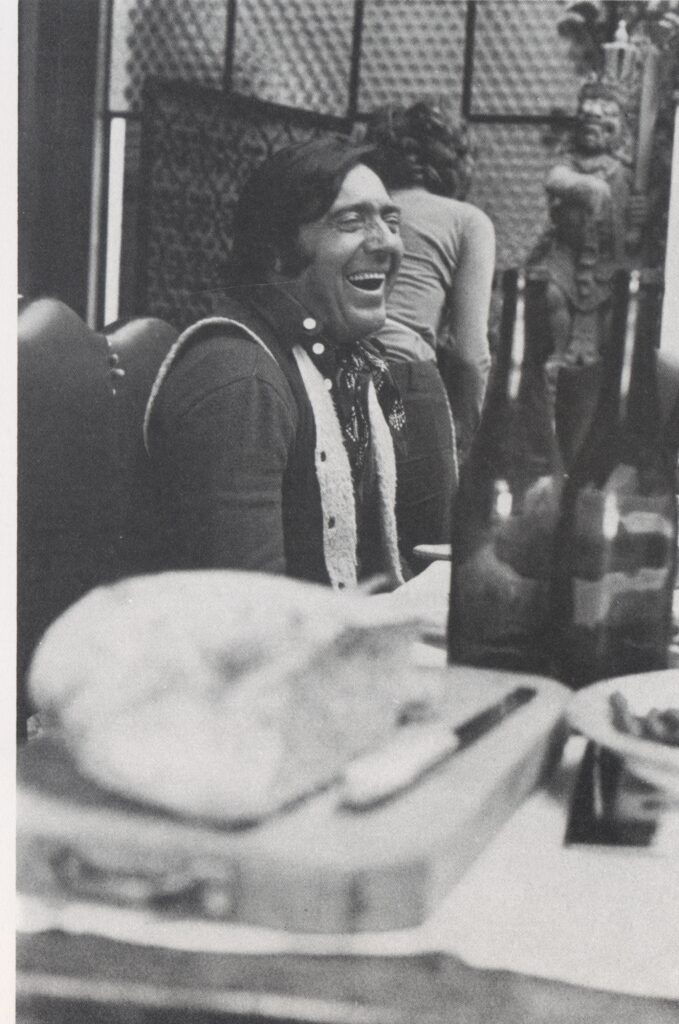
“My paintings are like entries in a diary because they are all reactions to things I have seen or felt.”
Nicola Simbari
Exhibitions
Selected Exhibitions
A selected overview of Nicola Simbari’s solo exhibitions and Findlay Galleries presentations spanning more than seven decades.
La Dolce Vita
Findlay Galleries, Palm Beach, FL.
The Retrospective: Celebrating 50 Years of Achievement
Wally Findlay Galleries, New York, Palm Beach, Chicago, and London.
Crazy Horse Saloon vu par Simbari
Wally Findlay Galleries, Paris, France.
First One-Man Exhibition
Rome, Italy.
View full exhibition archive
- 1953 First one-man exhibition, Rome, Italy.
- 1957 First one-man exhibition in London, England.
- 1958 Nicola Simbari, Gallery Obelisco, Rome, Italy.
- 1959 Solo exhibitions in London and New York.
- 1960 First solo exhibition at Wally Findlay Galleries, Palm Beach, FL.
- 1961 Premiere American Exhibition, Findlay Galleries, Chicago, IL; additional Findlay solo exhibitions in Palm Beach, Los Angeles, San Francisco, London, Philadelphia, and St. Louis.
- 1962 Nicola Simbari, January and September presentations, Wally Findlay Galleries, Palm Beach, FL; second Chicago solo exhibition at Wally Findlay Galleries.
- 1963 Parrish Art Museum Exhibition, New York; additional one-man exhibitions at Wally Findlay Galleries in New York, Chicago, and Palm Beach.
- 1964 Nicola Simbari, Wally Findlay Galleries, New York, NY.
- 1965 Paintings of Mexico and the Caribbean, Wally Findlay Galleries, Palm Beach, FL.
- 1966 Italia Romantica, Wally Findlay Galleries, Palm Beach, FL.
- 1967 Simbari: A Favorite from Rome, Wally Findlay Galleries, Chicago, IL; From Rome to Palm Beach, Wally Findlay Galleries, Palm Beach, FL.
- 1968 Recent Paintings, Wally Findlay Galleries, Chicago, IL.
- 1969 Nicola Simbari, Wally Findlay Galleries, Palm Beach, FL; Selected Paintings, Wally Findlay Galleries, New York, NY.
- 1971 Paris ’71, Wally Findlay Galleries, New York, NY; Selected Paintings, Wally Findlay Galleries, Paris and Palm Beach.
- 1972 Circus and First Twenty Years, Wally Findlay Galleries, New York, NY; Selected Paintings, Wally Findlay Galleries, New York and Beverly Hills.
- 1973 The Portrait of an Artist and His Gallery, a retrospective at Wally Findlay Galleries, Chicago, IL; Selected Paintings, Wally Findlay Galleries, Paris, France.
- 1975 Sea Moods, Wally Findlay Galleries, Chicago, IL, and Beverly Hills, CA.
- 1976 Crazy Horse Saloon vu par Simbari, Wally Findlay Galleries, Paris, France.
- 1977 Sea Moods, Wally Findlay Galleries, Palm Beach, FL; Crazy Horse Saloon, Beverly Hills, CA; Nicola Simbari, Chicago, IL; Le Cirque, New York and Palm Beach.
- 1978 Sun and Sea, Wally Findlay Galleries, Beverly Hills, CA; Le Cirque, Wally Findlay Galleries, Paris, France.
- 1979 Le Cirque, Wally Findlay Galleries, Palm Beach, FL; Nicola Simbari, Beverly Hills, CA; The Mediterranean, Paris, France.
- 1980 The Mediterranean, Wally Findlay Galleries, New York, NY.
- 1981 Le Cirque, Wally Findlay Galleries, Palm Beach, FL; Paris, Wally Findlay Galleries, Paris, France.
- 1983 New Paintings, Wally Findlay Galleries, Palm Beach, FL; The Grand Prize, Hôtel de Paris, Monte Carlo, Monaco.
- 1984–1987 Solo exhibitions in Germany, Japan, and the United States.
- 1988 Soar with Simbari, Wally Findlay Galleries, Palm Beach, FL; Un lointain regard, Wally Findlay Galleries, Paris, France.
- 1989 Simbari’s Manhattan: Thirteen Cityscapes and The Caribbean, a two-part exhibition at Wally Findlay Galleries, New York, NY.
- 1990 The Caribbean, Selected Paintings, and Simbari, Wally Findlay Galleries, Palm Beach, FL; Soar with Simbari, Wally Findlay Galleries, New York, NY.
- 1991 Simbari, Wally Findlay Galleries, Palm Beach and Chicago; Selected Paintings, Wally Findlay Galleries, New York, NY.
- 1992 Simbari and His World, Wally Findlay Galleries, Palm Beach, FL; Selected Paintings, Wally Findlay Galleries, Chicago, IL.
- 1993 Simbari for Collectors, also recorded as Simbari—Favorite Paintings, Wally Findlay Galleries, Palm Beach and New York.
- 1997 Simbari, three simultaneous exhibitions at Wally Findlay Galleries, New York, Palm Beach, and Chicago.
- 2001 The Retrospective: Celebrating 50 Years of Achievement, three simultaneous exhibitions at Wally Findlay Galleries, New York, Palm Beach, and Chicago; a June presentation is also recorded in London.
- 2005 Nicola Simbari, also recorded as Selected Paintings, Wally Findlay Galleries, Palm Beach, FL; Selected Paintings, Wally Findlay Galleries, New York, NY.
- 2006 Nicola Simbari, also recorded as Selected Paintings, Wally Findlay Galleries, Palm Beach, FL.
- 2008 Nicola Simbari, Wally Findlay Galleries, Palm Beach, FL.
- 2009 Figure and Composition, Wally Findlay Galleries, Los Angeles, CA; Nicola Simbari, Wally Findlay Galleries, Palm Beach, FL.
- 2011 Seven Decades of Representation, Wally Findlay Galleries, Palm Beach, FL.
- 2012 60 Years of Representation, Wally Findlay Galleries, Palm Beach, FL.
- 2015 Retrospective Collection by the Palette Knife Master, Findlay Galleries, Palm Beach and New York.
- 2018 Summer Simbari, Findlay Galleries, Palm Beach, FL.
- 2020 The Palette Knife Master, Findlay Galleries, Palm Beach, FL.
- 2021 Mediterraneo, Findlay Galleries, Palm Beach and New York.
- 2023 The Italian Palette Knife Master, Findlay Galleries, Palm Beach, FL.
- 2025 La Dolce Vita, Findlay Galleries, Palm Beach, FL.
Inquiries
Contact the Gallery
New York
32 East 57th Street, 2nd FloorNew York, NY 10022
(212) 421-5390